Is Tide or Time of Day Better for Fishing
Many anglers wonder if tide or time of day is the bigger factor for fishing success. The truth is both matter, but tide often plays a larger role in saltwater fishing while time of day shines in freshwater scenarios. Understanding how tidal movements and feeding patterns work together can seriously boost your catches.
Fishing is one of those activities where small details can make a huge difference. Every angler wants to know the secret to better catches. And one question comes up again and again: is tide or time of day better for fishing? The answer isn’t as simple as picking one over the other. Both factors play important roles, but their importance shifts depending on where you fish and what species you target.
Some fishermen swear by the tides. Others plan their trips around sunrise and sunset. The truth is that understanding both tidal movements and time of day will give you a real edge. In this guide, we break down how each factor works, when they matter most, and how to combine them for fishing success. Whether you’re into saltwater fishing or freshwater fishing, this article has practical advice you can use right away.
Key Takeaways
- Tide matters most in saltwater fishing: Tidal currents directly affect fish movement and feeding zones.
- Time of day impacts freshwater fishing more: Dawn and dusk are prime windows for many freshwater species.
- Both factors work together: The best fishing happens when tide and time of day align with feeding patterns.
- Tide tables are essential tools: Planning around high and low tide gives you a serious advantage.
- Weather and water conditions add complexity: Barometric pressure and moon phases also influence fish behavior.
- Local knowledge beats general rules: Every fishing spot has unique patterns worth learning.
📑 Table of Contents
Why Tide Matters for Fishing
Tides are one of the most powerful forces in fishing. The rise and fall of water levels change where fish go and what they eat. Tidal currents push baitfish around and create feeding opportunities that smart anglers know how to exploit.
How Tides Affect Fish Behavior
Fish respond to water movement. When the tide comes in, it carries food into shallow areas. Fish follow that food. When the tide goes out, it pulls things back toward deeper water. This movement creates natural feeding highways that fish use every day.
Tidal movements also affect oxygen levels in the water. Moving water holds more oxygen than still water. Fish are more active in oxygen-rich environments. That means they feed more aggressively during moving tides.
Many experienced fishermen check tide tables before every trip. These charts show you exactly when high tide and low tide happen at your fishing spot. Planning around these times can turn a slow day into a great one.
High Tide vs Low Tide Fishing
High tide pushes water onto shorelines and into shallow flats. This is when many species move into feeding areas. Redfish, trout, and flounder often hunt in these shallow zones during high tide. If you want to learn more about which tide is best, check out our guide on is high tide or low tide better for fishing.
Low tide exposes structure and concentrates fish in deeper channels. This can be great for sight fishing or targeting species that hold in deeper pockets. The key is knowing what species you’re after and how they behave during each phase.
Incoming vs Outgoing Tides
Many anglers agree that incoming tides are among the best times to fish. As water rises, it pushes bait into new areas and triggers feeding activity. Outgoing tides can also be productive because they concentrate bait in channels and holes.
For a deeper dive into this topic, read our article on is it better to fish outgoing or incoming tide. The short answer is that both have their moments, but incoming tides tend to get the edge for most species.
Why Time of Day Matters for Fishing
While tides rule the saltwater world, time of day often takes the lead in freshwater fishing. Fish have natural rhythms tied to light levels. These rhythms drive when they feed, rest, and move.
The Magic of Dawn and Dusk
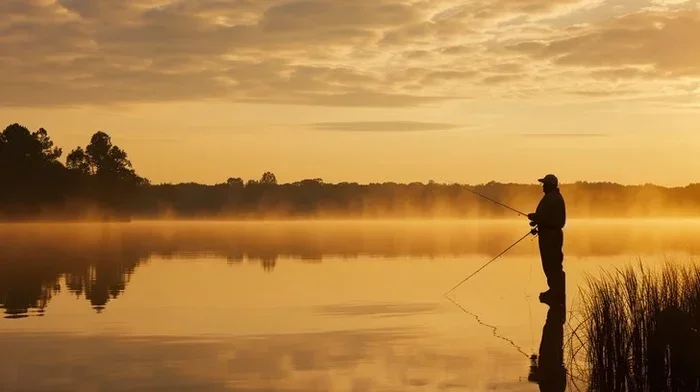
Early morning and late evening are widely considered the best times to fish. During these windows, light levels are low. Fish feel safer moving into shallow water to feed. Many species like bass, catfish, and panfish become much more active at dawn and dusk.
If you’re curious about how night and day compare, our article on is fishing better at night or day covers this topic in detail. The bottom line is that low-light conditions generally produce better results for most freshwater species.
Midday Fishing: Is It Worth It?
Midday fishing gets a bad reputation, but it’s not always a waste of time. In cloudy conditions or during overcast days, fish may feed actively throughout the day. Deep water fishing during midday can also be effective because fish retreat to cooler, deeper areas when the sun is high.
Seasonal changes also affect midday fishing. In winter, the warmest part of the day often produces the best results. In summer, early morning and late evening stay king.
How Light Levels Drive Feeding Patterns
Fish have light-sensitive eyes. They use natural light to judge when it’s safe to feed. During bright midday, shadows are minimal and fish become more cautious. At dawn and dusk, shadows create cover and fish feel bolder.
This is why time of day matters so much. Even the best spot won’t produce if the light conditions aren’t right for the species you’re targeting.
Tide vs Time of Day: Which Matters More?
This is the big question. And the honest answer is: it depends on where and what you’re fishing for.
Saltwater Fishing: Tide Takes the Lead
In saltwater environments, tide is king. The movement of water in and out shapes everything from where fish hold to what they eat. Saltwater fishing success often comes down to timing your trip with the right tidal phase.
Tidal currents create current seams, rips, and ambush points that predatory fish love. Striped bass, redfish, snook, and tarpon all relate strongly to tidal movement. If you’re planning a coastal trip, always start with the tide chart.
Freshwater Fishing: Time of Day Wins
Freshwater lakes and rivers don’t have tides in the traditional sense. So time of day becomes the dominant factor. Fish follow daily feeding cycles tied to light and temperature. Early morning and late evening consistently produce the best results for bass, crappie, catfish, and panfish.
However, river fishing is a different story. River currents behave somewhat like tides. Incoming water from rainfall or dam releases can trigger feeding just like an incoming tide would in the ocean.
When Both Align: The Sweet Spot
The real magic happens when tide and time of day work together. Imagine fishing during an incoming tide at dawn. That’s a double advantage. Fish are naturally active at dawn, and the incoming tide brings food into their range.
This is why the best anglers plan around both factors. They don’t choose one over the other. They find the overlap where conditions line up perfectly for optimal fishing conditions.
How to Plan Your Fishing Trips Around Both Factors
Planning is the key to consistent success. You don’t need to be a scientist to put this together. A few simple tools and some local knowledge go a long way.
Step 1: Check the Tide Chart
Start by pulling up a tide chart for your fishing location. Most coastal areas have detailed charts available online or through fishing apps. Look for the times of high tide and low tide. Then aim to be on the water 1-2 hours before the tide change.
Moving tides are almost always better than dead tides. When water is rising or falling, fish are actively feeding. This connects directly to our article on is fishing better when water is rising or falling, which confirms that moving water triggers more aggressive feeding behavior.
Step 2: Match Time of Day to Your Target Species
Different species have different peak feeding windows. Bass and trout feed heavily at dawn and dusk. Catfish are often more active at night. Panfish can bite well throughout the day in cloudy weather.
Match your trip timing to the species you want to catch. This simple step alone can dramatically improve your results.
Step 3: Factor in Weather and Water Conditions
Weather adds another layer to the equation. Low pressure often triggers fish to feed more actively. High pressure can make them sluggish. Rain can wash insects and bait into the water, creating sudden feeding opportunities.
For more on how weather affects fishing, read our piece on is low pressure better for fishing. Many anglers notice a strong connection between falling barometric pressure and increased fish activity.
Step 4: Use Solunar Tables as a Guide
Solunar tables predict major and minor feeding periods based on moon phases and sun positions. Many fishermen find these tables helpful as a secondary planning tool. They work best when combined with tide charts and time-of-day knowledge.
Don’t rely on solunar tables alone. They’re a guide, not a guarantee. But when they align with tidal movements and favorable light conditions, you have a powerful combination.
Common Mistakes Anglers Make When Planning Trips
Even experienced fishermen sometimes get this wrong. Here are the most common mistakes to avoid.
- Ignoring tide charts entirely: This is the biggest mistake in saltwater fishing. Showing up at random times without checking the tide almost guarantees missed opportunities.
- Assuming midday is always bad: Overcast days and winter months can produce excellent midday fishing. Don’t dismiss the middle of the day without considering conditions.
- Fishing only at dawn: Dawn is great, but dusk can be equally productive for many species. Don’t pack up too early.
- Not adjusting for seasonal changes: Fish behavior shifts with the seasons. What works in summer may not work in winter and vice versa.
- Forgetting about water temperature: Cold water slows fish metabolism. Warm water speeds it up. Always consider temperature alongside tide and time of day.
Many of these mistakes come from overthinking the tide or time of day better for fishing question. The solution is simple: plan ahead, stay flexible, and pay attention to what the fish are telling you.
Expert Tips for Maximizing Your Fishing Success
Here are some proven tips from experienced anglers who consistently put fish in the boat.
- Fish the edges of tidal currents. Fish love to sit just outside the main flow where food collects. Look for seams and breaks in the current.
- Keep a fishing log. Record what time you fished, what the tide was doing, and what you caught. Patterns will emerge over time.
- Start early but stay late. The best bites often happen in the last hour before dark. Many anglers pack up too soon.
- Match your lure to the tide phase. Incoming tide calls for lures that move with the current. Outgoing tide works well with liveside presentations.
- Watch the moon phase. Full moons and new moons create stronger tides. These spring tides often produce excellent fishing.
- Be patient during transition periods. The hour between high and low tide is often when fish feed most aggressively.
The Bottom Line
So, is tide or time of day better for fishing? The real answer is that both matter and they work best together. Tide controls where fish are in saltwater environments. Time of day controls when fish are active in freshwater settings. The smartest anglers plan around both factors and watch for the moments when everything lines up.
You don’t need perfect conditions every time. You just need to be smarter about planning than the fish are. Check your tide chart. Know your local feeding windows. Pay attention to weather and water conditions. Do these things consistently and you’ll see real improvement in your catches.
Fishing is a lifelong learning journey. Every trip teaches you something new about how fish behave. The more you pay attention to tides, light levels, and seasonal patterns, the more successful you’ll become. Get out there, try different combinations, and trust your instincts. The fish will reward your effort.
Frequently Asked Questions
Is tide or time of day more important for saltwater fishing?
Tide is generally more important for saltwater fishing because tidal currents directly control where fish feed and move. However, time of day still matters, especially during dawn and dusk when low light triggers feeding activity. The best results come from combining both factors.
Can you catch fish at midday if the tide is right?
Yes, absolutely. A strong incoming tide at midday can produce excellent fishing, especially in cloudy or overcast conditions. Fish follow food and water movement more than they follow the clock. If the tide is moving, fish are likely to be feeding regardless of the time.
Do I need expensive gear to fish around tides?
No, you don’t need expensive gear at all. All you need is a free tide chart or a low-cost fishing app. The knowledge of when tides change matters far more than the price of your rod or reel. Focus on timing and location first.
What if I only have time to fish at noon?
Fishing at noon can still be productive, especially in the summer when fish retreat to deep, cool water during midday. Use the time to target deeper structures and shaded areas. In winter, midday is often the warmest and most productive window.
How do solunar tables compare to tide charts for fishing?
Solunar tables predict feeding periods based on moon and sun positions, while tide charts show actual water level changes. Tide charts are more reliable for saltwater fishing. Solunar tables work best as a secondary tool that adds value when combined with other factors like water conditions.
Does freshwater fishing have tides too?
Most freshwater bodies don’t have ocean-style tides. However, large lakes and rivers can experience water level changes from dam releases, rainfall, and wind. These changes behave similarly to tides and affect fish movement and feeding patterns.