Is My Betta Fish Sick or Dying
Figuring out if your betta fish is sick or dying can feel scary, but catching early signs makes a huge difference. This guide walks you through the top symptoms, common causes, and simple steps you can take right now to help your fish. Whether it is a minor illness or a serious emergency, you will know exactly what to look for and how to respond.
Your betta fish is acting strange. Maybe it is not eating. Maybe it is barely moving. Or maybe it is floating at the top of the tank, motionless. These are the moments every fish owner dreads. You start Googling frantically and end up here, asking the same question thousands of other betta owners have asked: is my betta fish sick or dying?
The truth is, there is a big difference between a betta fish that is mildly ill and one that is in its final hours. Both situations need attention, but the response is very different. This guide will help you figure out exactly what is going on with your fish, what is causing it, and what you can do about it. We will cover betta fish symptoms, common causes, emergency steps, and long-term care tips. By the end, you will feel confident and ready to help your fish.
Let us be honest. Watching a beloved pet struggle is hard. But here is the good news. Most betta fish health problems are treatable if you catch them early. The key is knowing what to look for and acting quickly. That is exactly what this article is designed to help you do.
Key Takeaways
- Early detection saves lives: Knowing the subtle signs of a sick or dying betta fish gives you the best chance to act fast and help your pet.
- Behavior changes are the first clue: Not eating, hiding, or floating at the top of the tank often signals something is wrong long before visible symptoms appear.
- Water quality is a hidden cause: Poor tank conditions are the number one trigger for many betta fish illnesses and stress-related health problems.
- Quick action works: Simple steps like water changes, temperature adjustments, and quarantine can make a big difference in your betta fish recovery.
- Know when to seek help: Some conditions need a vet or specialist, and recognizing the difference between sick and dying helps you choose the right path.
- Prevention is powerful: Regular tank maintenance, proper feeding, and stress-free environments keep your betta fish healthy and thriving for years.
📑 Table of Contents
How To Tell If Your Betta Fish Is Sick
A sick betta fish shows clear warning signs. These signs are your fish trying to tell you something is wrong. The earlier you notice them, the better your chances of helping your fish recover fully.
Changes in Eating Habits
One of the first signs of a betta fish illness is a change in eating. A healthy betta fish eats eagerly. If your fish ignores food or spits it out, pay attention. Skipping one meal is not always a red flag. But skipping multiple meals is a clear betta fish symptom you should not ignore.
- Refusing food for more than two days
- Eating very slowly or barely touching food
- Spitting food out repeatedly
- Showing no interest in live or frozen food
If your betta fish stops eating and stays at the bottom of the tank, this could point to a deeper issue. Check out our article on why is my betta fish not eating or moving for more details on this specific behavior.
Unusual Swimming Patterns
A healthy betta fish swims with purpose and energy. When something is wrong, their movement changes in noticeable ways. A sick betta fish might swim erratically, rub against decorations, or struggle to stay upright. Some fish tilt to one side. Others sink to the bottom and cannot rise.
These changes are often linked to swim bladder disease, a common condition in bettas. It affects their ability to control buoyancy. The good news is that it is often treatable with simple adjustments to diet and tank conditions.
Physical Symptoms to Watch For
Your fish’s body tells a story. Look closely at these physical signs:
- Faded or dull color: A vibrant betta losing its color is a classic sign of stress or illness.
- Clamped fins: When a fish holds its fins close to its body, it often means something is wrong.
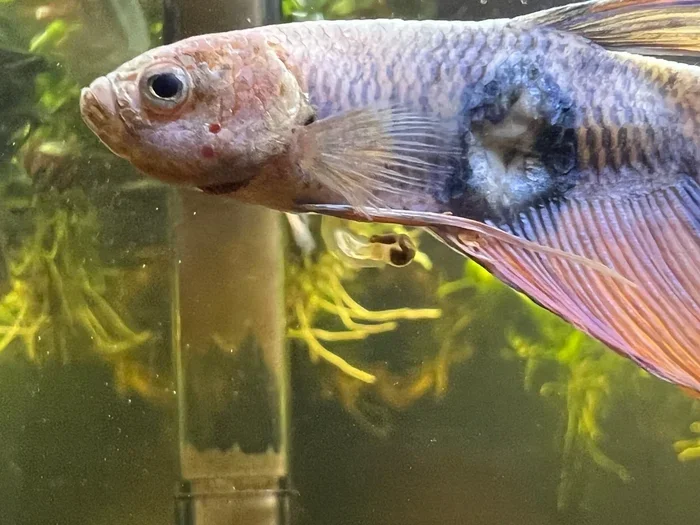
- White spots or patches: These can signal ich, a parasitic infection that spreads quickly.
- Torn or ragged fins: Fin rot is common and can worsen fast if left untreated.
- Swollen belly: This may indicate dropsy, a serious condition that requires immediate attention.
- Red streaks or inflamed gills: These point to bacterial infections or poor water quality.
For a deeper look at how to spot these signs, check out our guide on how to tell if my betta fish is sick. It covers each symptom in detail and gives practical advice on next steps.
How To Tell If Your Betta Fish Is Dying
There is a painful but important difference between a fish that is sick and one that is dying. A dying betta fish shows severe, advanced symptoms that indicate the body is shutting down. Recognizing these signs helps you decide whether to focus on treatment or on making your fish comfortable in its final moments.
Signs Your Betta Fish Is Dying
These are the most serious betta fish symptoms that suggest a fish is nearing the end of its life:
- Complete loss of appetite: The fish refuses all food for several days straight.
- Extreme lethargy: The fish stays completely still, even when you tap the glass or approach the tank.
- Gasping at the surface: The fish breathes rapidly at the top, struggling to get enough oxygen.
- Lying on the substrate: The fish rests on the bottom and cannot swim up, even when encouraged.
- Loss of color to a pale or ashen tone: The vibrant colors fade almost completely.
- Eyes becoming cloudy or protruding: This is a sign of advanced organ failure.
- Body curving or contorting: An abnormal spine curve often indicates terminal illness.
If you notice several of these signs together, your fish is likely in serious trouble. Understanding what is happening can help you make the best decision for your pet. You can also read more about how can I tell if my betta fish is dying to get a more complete picture of these late-stage symptoms.
Sick vs Dying: Key Differences
It helps to compare the two states side by side. A sick fish can often be saved with treatment. A dying fish may need comfort care rather than aggressive intervention. Here is a quick comparison:
| Factor | Sick Betta Fish | Dying Betta Fish |
|---|---|---|
| Eating | Eats little or slowly | Refuses all food completely |
| Energy Level | Lethargic but responsive | Unresponsive or barely moves |
| Color | Faded or slightly dull | Very pale or ashen |
| Swimming | Erratic or struggling | Cannot swim or stays at bottom |
| Breathing | Slightly rapid at times | Heavy gasping at the surface |
| Recovery Possible | Yes, with treatment | Unlikely without immediate vet care |
Use this table as a general guide. Every fish is different, and some conditions fall in between. Trust your instincts. You know your fish better than anyone.
Common Causes of Betta Fish Illness and Death
Understanding the root cause is essential to helping your fish. Most betta fish health problems come from a handful of common sources. Once you identify the cause, you can take targeted action.
Poor Water Quality
This is the number one killer of betta fish. Ammonia, nitrite, and nitrate buildup in the tank create a toxic environment. Even small amounts of ammonia can damage a betta’s gills and weaken its immune system. A fish living in dirty water is constantly stressed, and stress leads to disease.
Here is what causes poor water quality:
- Infrequent water changes
- Overfeeding, which creates excess waste
- Too small a tank (under 5 gallons is risky)
- No cycled filter or broken filtration system
- Dead plant matter or uneaten food decaying on the substrate
Testing your water regularly with a liquid test kit is one of the best things you can do for your fish. If the water is the problem, a partial water change and gravel cleaning often produce fast improvements.
Temperature Stress
Betta fish are tropical fish. They need warm, stable water temperatures between 76 and 82 degrees Fahrenheit. Cold water slows their metabolism and makes them vulnerable to illness. Sudden temperature drops are especially dangerous.
On the other hand, water that is too hot holds less oxygen, which can cause betta fish lethargy and gasping. A reliable aquarium heater with a thermostat is essential for every betta tank.
Infections and Parasites
Bacterial, fungal, and parasitic infections are common in betta fish. These often enter through open wounds, torn fins, or areas where the fish’s slime coat has been damaged. Stress and poor water quality make infections much more likely.
Common infections include:
- Fin rot: Fins appear ragged, white, or red at the edges
- Ich (white spot disease): Small white dots cover the body and fins
- Fungal infections: Cotton-like growths on the body or fins
- Bacterial ulcers: Open sores or red patches on the skin
- Velvet disease: A fine gold or rust-colored dusting on the skin
Overfeeding and Diet Issues
Betta fish have small stomachs. Overfeeding leads to bloating, constipation, and swim bladder problems. Uneaten food also pollutes the water, creating a double problem. Feed your betta two to three small meals per day, and remove any leftover food after five minutes.
What To Do When Your Betta Fish Is Sick
So your betta fish is showing signs of illness. Now what? The steps you take in the first few hours and days matter a lot. Here is a clear action plan to follow.
Step 1: Check the Water
Before you do anything else, test the water. Check ammonia, nitrite, nitrate, pH, and temperature. If any of these are out of range, perform a 25 to 50 percent water change immediately. Use a water conditioner to remove chlorine and chloramine from tap water.
Step 2: Observe and Document Symptoms
Write down what you see. Note the date and time each symptom appears. Take photos or videos of your fish. This information is invaluable if you need to consult a vet or experienced aquarist later. It also helps you track whether your fish is getting better or worse.
Step 3: Quarantine if Needed
If you have other fish in the tank, consider moving the sick betta to a separate hospital tank. Many betta fish diseases are contagious. A quarantine tank also reduces stress and makes it easier to monitor treatment without affecting the main tank’s ecosystem.
Step 4: Treat the Condition
Treatment depends on the diagnosis. Here are common approaches:
- Fin rot and bacterial infections: Treat with aquarium salt or a broad-spectrum antibiotic.
- Ich and parasites: Raise the temperature slightly and use a parasitic medication.
- Swim bladder issues: Feed a peeled pea or fast the fish for one to two days.
- Fungal infections: Use an antifungal treatment and improve water quality.
If you are unsure what is wrong, the article on why is my betta fish not swimming or eating covers many of these scenarios in detail and offers practical treatment advice for each one.
Step 5: Monitor Progress
After starting treatment, watch your fish closely. Improvement may take two to three days. If symptoms worsen or do not change after a week, consult a veterinarian who specializes in fish health. Do not give up too quickly, but also know when to seek professional help.
Emergency Steps for a Dying Betta Fish
If your betta fish is clearly dying, every minute counts. Here is what you can do to give your fish the best possible chance, and also to ensure comfort if recovery is not possible.
Immediate Water Change
Perform a 50 percent water change with temperature-matched, conditioned water. This removes toxins and increases oxygen levels. It is the single most impactful thing you can do in an emergency.
Raise the Temperature Slightly
Increasing the temperature by one or two degrees can boost your fish’s metabolism and immune response. Do not raise it above 82 degrees, as this can cause stress of its own.
Add Aquarium Salt
Aquarium salt (not table salt) helps reduce stress, supports gill function, and fights certain infections. Use one teaspoon per five gallons of water. This is a gentle, widely used first-aid measure for betta fish.
Create a Quiet Environment
Turn off the tank light. Reduce noise and movement around the tank. A stressed fish needs calm. Dim lighting and a quiet room help your betta conserve energy for healing.
Know When to Let Go
This is the hardest part. If your fish is not responding to treatment and is showing multiple signs of a dying betta fish, it may be time to focus on comfort. A peaceful environment, warm clean water, and gentle care can help your fish pass with dignity. Sometimes the kindest thing you can do is stop aggressive treatment and let your pet rest.
For more guidance on this difficult topic, visit our article on what do you do when your betta fish is dying. It offers compassionate, practical advice for owners facing this heartbreaking situation.
Prevention: How To Keep Your Betta Fish Healthy
The best way to deal with a sick or dying betta fish is to prevent the problem from happening in the first place. Prevention is always easier and less stressful than treatment. Here are the habits that keep betta fish thriving.
Maintain Clean Water
Test your water weekly. Perform partial water changes every one to two weeks. Clean the substrate and remove uneaten food promptly. A clean betta fish tank is the foundation of good health.
Keep the Temperature Stable
Use a quality heater and monitor the temperature daily. Avoid placing the tank near windows, drafts, or heat sources that cause temperature swings. Stable conditions mean a strong immune system.
Feed a Balanced Diet
Offer a variety of high-quality betta pellets, frozen bloodworms, and live brine shrimp. Avoid overfeeding. A healthy diet supports vibrant color, strong fins, and a robust immune system.
Reduce Stress
Keep the tank in a quiet area of your home. Avoid sudden movements or loud noises near the tank. Do not house male bettas together, as they will fight. Provide hiding spots and gentle tank mates if desired.
Watch for Early Warning Signs
Make it a habit to observe your betta fish every day. Notice any changes in behavior, appetite, or appearance. Catching a problem early is the difference between a simple treatment and a life-or-death situation.
For a fun way to check on your fish’s well-being, try our is my betta fish happy quiz. It helps you assess your fish’s overall health and happiness in just a few minutes.
Conclusion
Watching your betta fish struggle is one of the most stressful experiences for any fish owner. But knowledge is power. Now that you understand the difference between a sick betta fish and a dying betta fish, you can act with confidence. You know what signs to look for, what causes these problems, and what steps to take.
Remember, the question of is my betta fish sick or dying does not have to be overwhelming. Break it down into simple steps. Test the water. Observe the symptoms. Act quickly. And do not be afraid to reach out for help from a vet or experienced aquarist when you need it.
Your betta fish depends on you for its health and well-being. The fact that you are here, reading this article and looking for answers, shows that you care. That already puts you ahead. Trust your instincts, stay calm, and give your fish the best possible care. You have got this.
Frequently Asked Questions
How can I tell if my betta fish is just resting or actually sick?
A resting betta fish will still respond to food and movement around the tank. A sick betta fish shows consistent changes in behavior, appetite, or appearance over several days. If your fish is unresponsive for more than 24 hours, it is time to investigate further.
Can a dying betta fish be saved?
It depends on the cause and how advanced the condition is. Early intervention gives the best chance of survival. Immediate water changes, temperature adjustments, and proper treatment can work wonders. However, if the fish is showing multiple late-stage symptoms, recovery may not be possible despite your best efforts.
What is the most common cause of betta fish death?
Poor water quality is the leading cause of betta fish illness and death. Ammonia and nitrite buildup from infrequent water changes and overfeeding create a toxic environment. Adding a heater and maintaining stable temperatures also plays a huge role in preventing premature death.
How long does it take for a sick betta fish to recover?
Recovery time depends on the condition and how early you catch it. Mild cases like fin rot or constipation often improve within three to seven days with proper treatment. More serious infections or diseases may take two to four weeks of consistent care. Patience and consistency are key.
Should I isolate a sick betta fish from other fish?
Yes, isolating a sick betta fish is almost always a good idea. Many betta fish diseases are contagious, and a hospital tank prevents the spread to other inhabitants. Isolation also reduces stress and makes it easier to monitor your fish and administer treatment effectively.
When should I take my betta fish to a vet?
You should consult a fish veterinarian if your betta fish does not improve after three to five days of home treatment, if symptoms are rapidly worsening, or if your fish shows signs of severe distress like constant gasping or complete immobility. A vet can provide targeted diagnosis and prescription medications that go beyond over-the-counter treatments.