Why Is My Betta Fish Not Swimming or Eating
If your betta isn’t swimming or eating, it’s a clear sign something’s wrong. This article walks you through the top reasons—water quality, disease, stress, and more—plus practical steps to revive your finned friend. Act fast, and you could save your betta’s life.
Key Takeaways
- Water quality is king: Poor parameters are the #1 cause of a lazy, non‑eating betta.
- Look for disease signs: Spotting fin rot, swim‑bladder issues, or parasites can pinpoint the problem.
- Stress triggers loss of appetite: Over‑crowding, wrong tank mates, or sudden temperature changes matter.
- Proper feeding routine matters: Over‑feeding or wrong food type can make a betta stop eating.
- Quick interventions work: Water changes, quarantine, and targeted treatments often restore normal behavior.
- Know when to call a vet: Persistent symptoms after 48‑72 hours need professional help.
- Prevention is easier than cure: Regular testing, clean water, and a balanced diet keep bettas happy.
📑 Table of Contents
Introduction
Betta fish are famous for their bright colors and dramatic fins, but when they stop swimming and refuse to eat, the drama turns into worry. Most hobbyists first notice a betta “lying at the bottom” or “floating oddly” and think it’s just a lazy day. In reality, a betta that isn’t moving or feeding is often sending an SOS signal.
In this guide we’ll answer the dreaded question, why is my betta fish not swimming or eating, by breaking down the most common culprits, showing you how to diagnose the issue, and giving you step‑by‑step actions to get your fish back to its vibrant self. Think of it as a friendly chat with a seasoned keeper who’s been there many times.
1. Water Quality – The Silent Saboteur
Why clean water matters
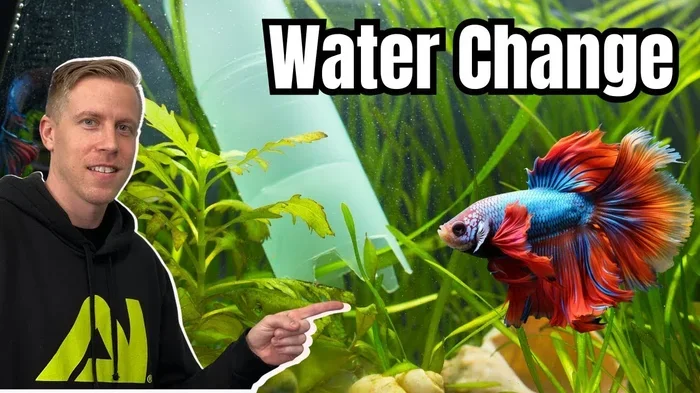
Betta fish are especially sensitive to ammonia, nitrite, and pH swings. Even a small spike can make them lethargic and disinterested in food. The first thing to do when you wonder why is my betta fish not swimming or eating is to test the water.

Visual guide about Why Is My Betta Fish Not Swimming or Eating
Image source: short-video.net
- Ammonia (NH₃): Anything above 0 ppm is stressful; 0.5 ppm can cause loss of appetite.
- Nitrite (NO₂⁻): Levels above 0.2 ppm can lead to “brown blood disease,” making fish float sideways.
- Nitrate (NO₃⁻): Keep under 20 ppm for bettas; higher values cause chronic stress.
- pH: Ideal range 6.5‑7.5; sudden drops or spikes confuse the fish’s gill function.
Quick water‑fix checklist
1. Perform a 25‑30 % water change using conditioned water.
2. Vacuum the substrate to remove hidden waste.
3. Test again after 24 hours; repeat if parameters remain off.
4. Consider a small, gentle filter if you don’t already have one.
Good water quality often restores normal swimming within a few hours. If the problem persists, move on to the next section.
2. Disease and Physical Issues
Common illnesses that stop swimming and eating
When a betta stops moving, it could be battling an internal problem. Here are the top suspects:
- Swim‑bladder disorder: Affects buoyancy, causing floating or sinking. Often linked to over‑feeding or constipation.
- Fin rot: Bacterial infection that makes fins look ragged; the fish may hide and refuse food.
- Ich (white spot disease): Tiny white dots appear; fish become lethargic and stop eating.
- Velvet (Oodinium): Gold‑dust coating makes breathing hard, leading to inactivity.
- Internal parasites: Cause abdominal swelling and loss of appetite.
How to spot the signs
Look closely at the body and fins. If you see frayed edges, white spots, or a fuzzy coating, you’re dealing with an infection. A bloated belly or a fish that constantly “pops” to the surface can indicate swim‑bladder trouble.
Treatment basics
– **Swim‑bladder:** Fast a few hours of fasting, then feed a peeled pea (softened) to clear blockage.
– **Bacterial infections:** Add a broad‑spectrum antibiotic like Maracyn 2 (follow dosage).
– **Ich or velvet:** Raise temperature to 82‑84 °F and treat with copper‑based medication or formalin.
Always quarantine the sick betta in a separate hospital tank to protect tankmates.
3. Stress Factors – When the Environment Gets Too Rough
Temperature swings
Betas are tropical; they thrive at 78‑80 °F (25‑27 °C). A sudden drop of even 5 °F can make them sluggish and stop feeding. Use an aquarium heater with a reliable thermostat.
Improper tank mates
Even though many keep bettas alone, some owners add community fish. Aggressive tank mates can stress a betta, leading to hiding and loss of appetite. If you suspect this, consider a separate tank.
Lighting and décor
Too much bright light or a barren tank can make a betta feel exposed. Provide floating plants or a silk leaf for cover, and use a dimmable LED on a 12‑hour cycle.
Noise and vibrations
Vibrations from nearby appliances can startle bettas. Keep the tank on a stable surface away from speakers or washing machines.
4. Feeding Mistakes – The Wrong Food, Wrong Time
Over‑feeding and its fallout
Betta fry need small, frequent meals, but adults do best with 2‑3 feedings per day of a pea‑sized portion. Over‑feeding leads to cloudy water, ammonia spikes, and constipation, all of which can answer the question why is my betta fish not swimming or eating.
Choosing the right diet
High‑quality betta pellets or frozen bloodworms provide essential protein. Live foods are great for stimulation but should be offered sparingly to avoid over‑excitement.
Tips to re‑ignite appetite
- Offer a small amount of soaked brine shrimp for 5 minutes; remove any leftovers.
- Try a peeled pea (softened) if you suspect constipation.
- Feed in the evening when bettas are naturally more active.
For a deeper dive on feeding issues, see our article on why is my betta fish not eating.
5. When to Seek Professional Help
Red flags that mean “call a vet”
If after 48‑72 hours you still see:
- Floating sideways or upside‑down
- Severe fin loss or discoloration
- Rapid breathing or gasping at the surface
- Sudden, drastic color change
These are signs of serious illness that may need prescription medication. A fish‑specialized veterinarian can run lab tests and prescribe stronger antibiotics or antiparasitics.
Preparing for a vet visit
Bring a water sample, note recent water changes, and write down any symptoms you observed. The more information you provide, the faster a diagnosis can be made.
6. Preventive Care – Keeping Your Betta Happy for the Long Run
Routine maintenance schedule
‑ **Weekly:** Test water parameters, remove uneaten food, and wipe algae.
‑ **Bi‑weekly:** 25 % water change, clean filter media.
‑ **Monthly:** Deep clean substrate, inspect décor for sharp edges.
Creating a stress‑free habitat
Use a 5‑gallon minimum tank, provide a gentle filter, and give a few live plants or silk leaves for hiding spots. Keep the tank away from drafts and direct sunlight.
Regular health checks
Spend a few minutes each day watching your betta’s behavior. Quick observations can catch problems before they become emergencies.
For more on spotting early signs, read how to tell if my betta fish is dying.
Conclusion
Seeing your betta float listlessly or ignore food is stressful, but it’s rarely a mystery. By checking water quality, looking for disease, reducing stress, correcting feeding habits, and knowing when to get professional help, you can often turn the situation around within a day or two. Remember, bettas are resilient when given the right care, and a quick response to the question why is my betta fish not swimming or eating can mean the difference between a short‑lived crisis and a thriving, colorful companion for years to come.
Frequently Asked Questions
Why is my betta floating upside down?
This is usually a swim‑bladder issue, often caused by over‑feeding or constipation. Fast the fish for a few hours and then offer a softened pea.
Can water temperature cause my betta to stop eating?
Yes. Temperatures below 75 °F slow metabolism and reduce appetite. Keep the tank between 78‑80 °F with a reliable heater.
How often should I change the water to prevent loss of appetite?
A 25‑30 % water change every week keeps ammonia and nitrite low, which helps maintain a healthy appetite.
What are the signs of fin rot?
Frayed, ragged fins, white edges, and a fish that hides or stops eating are typical signs of fin rot.
Is it normal for a betta to hide sometimes?
Occasional hiding is natural, but if it’s accompanied by not swimming or eating, it may indicate stress or illness.
When should I consider a vet for my betta?
If symptoms persist after 48‑72 hours, or if you see rapid breathing, severe discoloration, or continuous floating issues, seek a fish‑specialist vet.