How to Support Betta Fish
Supporting your betta fish means creating a safe, clean, and stimulating environment where they can truly thrive. This guide covers everything you need to know, from tank setup and water quality to nutrition, enrichment, and stress prevention. Whether you are a new betta owner or looking to improve your current care routine, these practical tips will help your fish live a longer, happier life.
Supporting a betta fish goes far beyond just dropping them into a bowl with some water. These beautiful, vibrant creatures need a thoughtful environment, proper nutrition, and consistent care to truly thrive. Many people underestimate what it takes to keep a betta happy and healthy. But the good news is that with a few simple habits, you can make a huge difference in your fish’s quality of life.
When we talk about how to support betta fish, we are really talking about creating a complete lifestyle for them. This includes the right tank setup, clean water, a nutritious diet, mental stimulation, and a stress-free home. Every small choice you make as a betta owner directly impacts how long and how well your fish lives. In this guide, we will walk you through each area of care in a clear, easy-to-follow way.
Whether you just brought home your first betta or you have had one for years, there is always room to improve. Betta fish care is not complicated, but it does require attention and consistency. Let us dive into the essential steps you can take right now to give your betta the best possible life.
Key Takeaways
- Proper habitat setup is the foundation of betta fish support, including the right tank size, temperature, and decor.
- Clean, conditioned water plays a huge role in keeping your betta healthy and active.
- Balanced nutrition with high-quality foods prevents common health problems.
- Mental enrichment through toys, plants, and interaction keeps bettas happy and engaged.
- Regular maintenance routines prevent disease and stress before they start.
- Recognizing early warning signs of illness or stress helps you act fast and save your fish.
📑 Table of Contents
What It Means to Support Betta Fish
Supporting a betta fish means understanding their basic needs and going the extra mile to meet them consistently. A betta fish is not a low-maintenance pet. Despite what pet store displays might suggest, these fish deserve a well-planned habitat and regular attention. When you actively support betta fish, you are investing in their physical health, emotional wellbeing, and overall longevity.
Think of it this way. A betta fish cannot tell you when something is wrong. They rely entirely on you to notice changes in behavior, appetite, or appearance. Your role as their caregiver is both rewarding and important. Every action you take, from changing the water to choosing their food, contributes to their daily quality of life.
The most impactful forms of betta fish support are simple and affordable. You do not need expensive equipment or advanced knowledge. You just need a willingness to learn and a commitment to following through. This guide breaks everything down into manageable steps that any fish owner can follow.
Creating the Right Habitat for Your Betta
The habitat you provide is the single most important factor in supporting your betta fish. A proper tank setup reduces stress, prevents disease, and gives your fish room to explore and behave naturally. Let us look at the key elements of a great betta habitat.
Tank Size and Setup
Many people start their betta in a tiny bowl, but this limits their quality of life significantly. A betta fish tank of at least 5 gallons is the recommended minimum. Larger tanks are even better because they provide more stable water conditions. In a bigger tank, toxins like ammonia build up more slowly, giving you more time to respond to changes.
When setting up the tank, add gentle filtration to keep the water moving and clean. Betta fish prefer slow water flow, so choose a filter with an adjustable output. A soft sponge filter works great. You should also include a heater to maintain a stable temperature between 76 and 82 degrees Fahrenheit. Keeping your betta fish warm is especially important during colder months when room temperatures drop.
Add a few smooth decorations and open swimming areas. Avoid sharp plastic plants or rough gravel that could damage their delicate fins. Live or silk plants are excellent choices because they provide hiding spots without the risk of injury.
Water Quality Essentials
Clean water is non-negotiable when it comes to betta fish health. Poor water quality is the leading cause of illness in captive bettas. You need to test your water regularly for ammonia, nitrite, and nitrate levels. These toxins are invisible but dangerous, and even small amounts can cause serious harm.
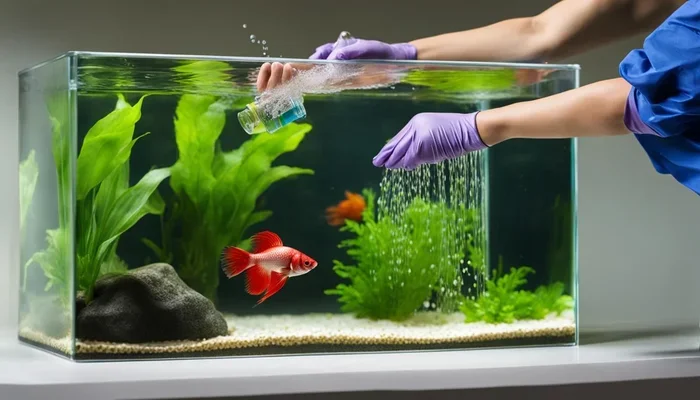
Always use betta fish water care practices like partial water changes every week. Replace about 25 to 30 percent of the water with fresh, conditioned water. This removes waste buildup without disrupting the beneficial bacteria that keep your tank balanced.
Before adding tap water to your tank, treat it with a water conditioner. Using tap water conditioner for betta fish removes chlorine and chloramine that can damage your fish’s gills and skin. This is one of the simplest and most effective things you can do to support your betta fish every single day.
Nutrition and Feeding Practices
What you feed your betta directly affects their energy, color, immune system, and lifespan. Proper betta fish nutrition is a core part of how to support betta fish in a meaningful way. A well-fed betta is a vibrant, active, and resilient fish.
Best Foods for Betta Fish
Betta fish are carnivores by nature. They need a diet rich in protein. High-quality betta pellets should form the foundation of their meals. Look for pellets where the first ingredient is whole fish or fish meal, not fillers like corn or wheat.
You can also offer variety with frozen or live foods. Brine shrimp, bloodworms, and daphnia are excellent options. These foods mimic what bettas would eat in the wild and provide essential nutrients. Freeze-dried versions work well too, but always soak them before feeding to prevent digestive issues.
Avoid feeding your betta flakes designed for tropical community fish. These lack the protein levels bettas need and can cause bloating and nutritional gaps. Sticking to a betta-specific diet is one of the easiest ways to keep your betta fish healthy over the long term.
Feeding Schedule Tips
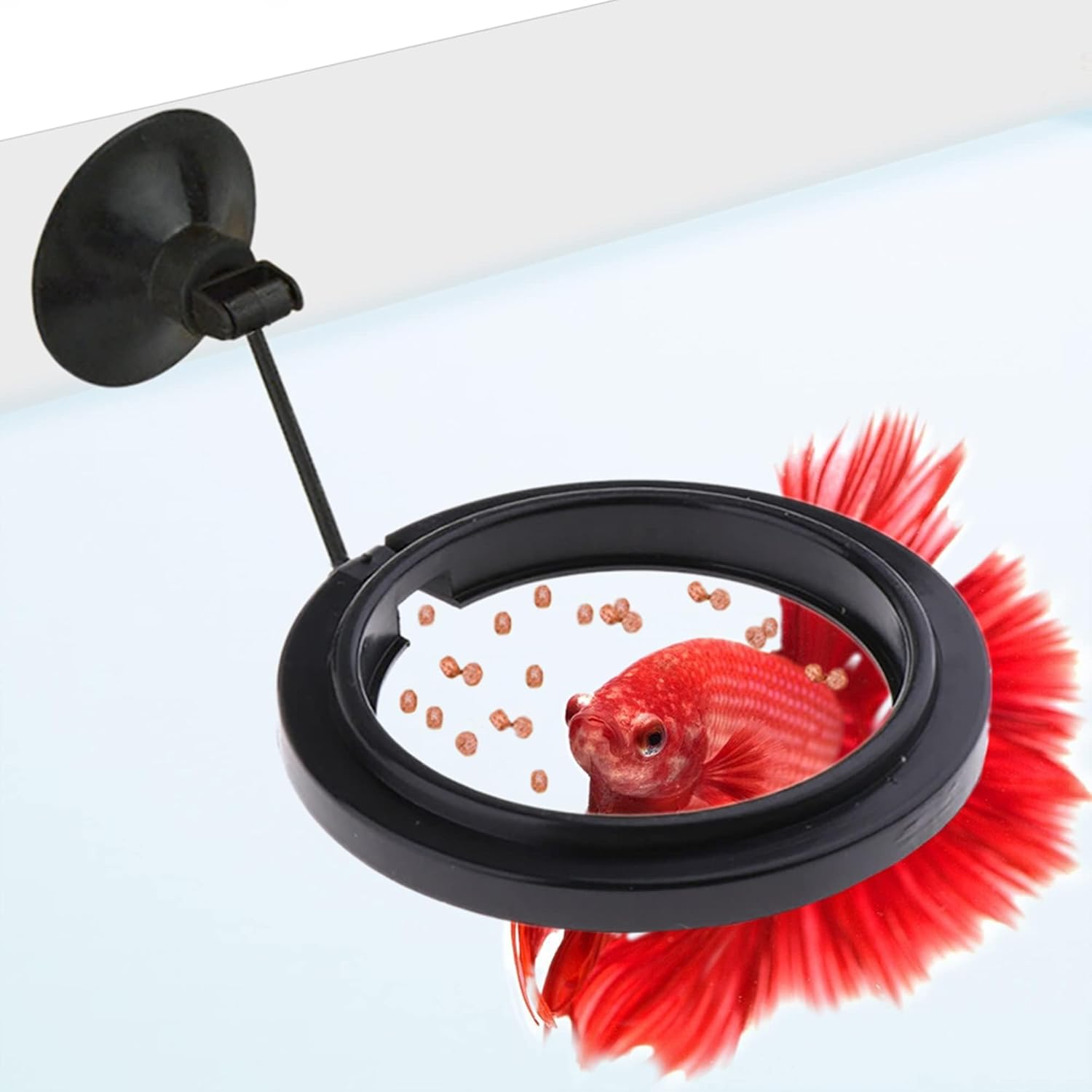
Overfeeding is one of the most common mistakes betta owners make. Feed your betta two to three small meals per day. Each meal should be about the size of their eye. Remove any uneaten food after a few minutes to keep the water clean.
Consider implementing one fasting day per week. Skipping one day of food helps your betta’s digestive system process any buildup and prevents constipation. This small habit goes a long way in maintaining overall betta fish wellness.
Keeping Your Betta Fish Healthy and Stress-Free
A healthy betta is a happy betta. Part of supporting betta fish means staying proactive about their physical and emotional state. Stress weakens their immune system and makes them vulnerable to disease. By reducing stressors, you create an environment where your fish can truly flourish.
Recognizing Signs of Stress
Bettas show stress in several ways. Clamped fins, loss of color, hiding constantly, rapid breathing, and loss of appetite are all warning signs. If you notice any of these behaviors, it is time to evaluate their environment. Common stressors include poor water quality, aggressive tankmates, sudden temperature changes, and loud noises near the tank.
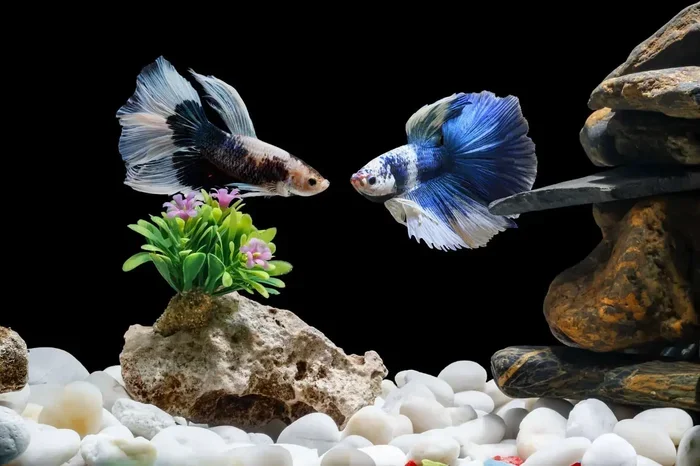
Sometimes stress comes from loneliness. While bettas are not schooling fish, they can still become bored without stimulation. Providing enrichment and a stable routine helps reduce anxiety. If you are seeing persistent signs of stress, learning about how to treat a stressed betta fish can help you take corrective action quickly.
Common Health Issues to Watch For
Even with the best care, bettas can face health challenges. Ich, fin rot, and swim bladder disease are among the most common issues. Ich appears as white spots on the body and fins. Fin rot causes the edges of the fins to look ragged or discolored. Swim bladder problems may cause your fish to float upside down or struggle to stay upright.
Acting early is key. The sooner you identify a problem, the better the chances of a full recovery. Proper betta fish care includes knowing the early signs of illness and having a basic treatment plan ready. Keeping a quarantine tank on hand is also a smart move for isolating sick fish without putting others at risk.
Enrichment and Mental Stimulation
Bettas are smarter than most people realize. They can recognize their owners, learn simple behaviors, and get bored in a dull environment. Providing mental enrichment is a wonderful way to support your betta fish and strengthen the bond between you.
Toys and Activities
Betta fish enjoy interacting with their surroundings. You can place a small mirror near the tank briefly to see your betta flare its fins. This natural behavior provides stimulation and exercise. Just do not leave the mirror up for too long, as it can cause stress if overused.
Some bettas enjoy following your finger along the outside of the tank. Others will swim through hoops or follow a small floating toy. You can even teach your betta fish to do tricks with patience and a little food motivation. These activities keep their minds active and engaged.
Plants and Decorations
A well-decorated tank gives your betta places to explore, hide, and rest. Live plants are ideal because they improve water quality and provide natural hiding spots. Java moss, Anubias, and Java fern are great choices because they grow slowly and do not require intense lighting.
If live plants are not your preference, silk plants work well too. Just make sure there are no sharp edges. Adding a log or cave for your betta to rest in is also a great idea. Bettas love having a cozy spot to retreat to, and this simple addition can significantly reduce stress levels in your tank.
Maintenance Routines for Long-Term Support
Consistency is the backbone of supporting betta fish over the long haul. A regular maintenance routine prevents problems before they start and keeps your tank in optimal condition. You do not need to spend hours on this, just stay organized and committed.
Daily Care Checklist
Spend a few minutes each day observing your betta. Look for changes in behavior, appetite, or appearance. Check that the heater and filter are running properly. Remove any visible debris from the substrate with a small siphon if needed. These brief daily checks help you catch issues early.
Feed your betta on a consistent schedule. Bettas thrive on routine, and a predictable feeding time helps them feel secure. Stick to the recommended portion sizes and avoid the temptation to give extra treats between meals.
Weekly and Monthly Tasks
Every week, perform a 25 to 30 percent water change. Use a gravel vacuum to clean the substrate and remove waste buildup. Test the water parameters to make sure ammonia and nitrite stay at zero, and nitrates remain below 20 ppm.
Once a month, rinse your filter media in old tank water to remove debris. Never use tap water for this, as the chlorine will kill beneficial bacteria. Replace filter media only when it is physically falling apart, not on a fixed schedule. Preserving good bacteria colonies is essential for a stable betta fish tank environment.
Every few months, inspect your equipment. Heaters can malfunction, and thermometers can lose accuracy. Keeping your gear in good working order ensures your betta’s environment stays safe and comfortable year-round.
Conclusion
Supporting your betta fish is one of the most rewarding aspects of fish keeping. When you invest in a proper habitat, clean water, quality nutrition, mental enrichment, and consistent maintenance, you create the conditions for your betta to truly thrive. Every effort you make matters, and your fish will show it through vibrant colors, active behavior, and a healthy appetite.
Remember that betta fish care is a journey, not a destination. There is always something new to learn, and small improvements over time lead to a much better life for your fish. Start with the basics, stay consistent, and do not be afraid to adjust as you grow more confident in your abilities.
Your betta is counting on you to be their advocate. By following the tips in this guide, you are already taking meaningful steps toward being the best owner you can be. Keep learning, keep caring, and enjoy every moment with your beautiful betta fish.
Frequently Asked Questions
How often should I change my betta fish water?
Perform a partial water change of 25 to 30 percent every week. This removes waste and toxins while preserving beneficial bacteria. Consistent weekly changes are one of the best ways to support betta fish and maintain a healthy tank environment.
Can betta fish live in a bowl without a filter?
While bettas can survive in a bowl, they thrive much better in a filtered tank of at least 5 gallons. A filter helps maintain clean water and stable conditions. If you are using a bowl, you will need to change the water more frequently to keep your betta fish healthy.
What temperature is best for betta fish?
The ideal temperature range for bettas is 76 to 82 degrees Fahrenheit. Keeping the water within this range supports their immune system and overall wellbeing. Use a reliable aquarium heater and thermometer to maintain stable conditions.
How do I know if my betta fish is happy?
A happy betta will have vibrant colors, a healthy appetite, and active swimming behavior. They should explore their tank, interact with you, and rest comfortably. If your fish shows these signs, your care routine is working well to support your betta fish.
What should I do if my betta fish stops eating?
First, check the water parameters for ammonia or nitrite spikes. Then look for signs of stress or illness. Sometimes bettas skip a meal, especially in cooler water. If the appetite loss continues for more than two days, investigate further and consider consulting a fish health resource.
Do betta fish need companions?
Bettas are generally solitary fish and do not need tankmates. In fact, housing them with other fish can cause stress and aggression. Focus on providing enrichment and interaction with you instead. A well-setup solo tank is the best way to support betta fish long-term.