Is My Betta Fish Sad

Is my betta fish sad? It is a common question every betta owner asks at some point. Bettas can show signs of sadness through lethargy, loss of appetite, color fading, and hiding. Understanding these betta fish behavior clues helps you act fast and restore your fish’s happiness. This guide covers the top signs, causes, and fixes so your betta stays healthy and vibrant.
Have you ever stared at your betta fish and wondered, “is my betta fish sad?” It is a question that crosses the minds of many betta owners. Your fish cannot tell you in words, but it shows how it feels through its body and behavior. Spotting these signs early can make a huge difference in your fish’s quality of life.
Betta fish are intelligent and sensitive creatures. They respond to their environment, their owners, and even their daily routines. When something is off, they let you know. The key is learning to read the signals. This article breaks down the most common signs of a sad betta, the reasons behind the behavior, and the steps you can take to cheer your fish up.
Whether you are a new betta parent or have kept fish for years, understanding betta fish behavior is essential. A happy betta is an active, colorful, and curious fish. A sad betta tells a different story. Let us explore what that story looks like and how you can help your fish write a happier chapter.
Key Takeaways
- Lethargy and low energy are the most common signs that your betta fish is sad or stressed.
- A poor tank setup — wrong size, temperature, or decorations — is a leading cause of betta sadness.
- Loss of appetite and color fading signal emotional and physical distress in bettas.
- Simple fixes like tank enrichment, proper heating, and gentle tank mates can dramatically improve your betta’s mood.
- Checking for illness is critical because many sadness symptoms overlap with sickness.
- Regular observation and a consistent routine help prevent sadness before it starts.
- An unhappy betta can recover with the right care, patience, and environment changes.
📑 Table of Contents
How To Tell If Your Betta Fish Is Sad
Bettas communicate mostly through body language. Unlike dogs or cats, they do not bark or purr. Instead, they rely on movement, color, and feeding habits. Learning to read these signals is the first step toward helping your fish feel better.
Here are the most common signs that your betta fish may be sad or stressed:
- Lethargy and low energy: Your betta spends most of the day lying at the bottom of the tank or resting on the substrate. A healthy betta is curious and swims around exploring its space.
- Loss of appetite: If your betta ignores food or spits it out, something is wrong. Why is my betta fish not eating is a very common search, and sadness is one of the top causes.
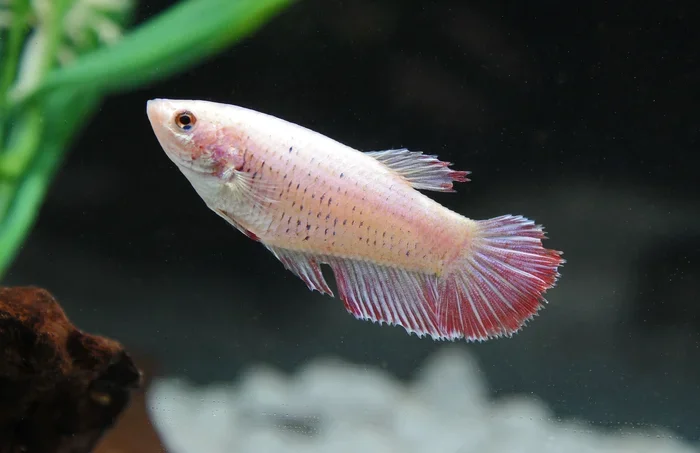
- Color fading: A vibrant betta that starts looking pale or washed out is often stressed or unhappy. Why is my betta fish losing color is closely tied to emotional well-being.
- Hiding constantly: Bettas that hide behind filters, in corners, or under decorations may feel unsafe or bored.
- Pacing or glass surfing: Swimming repeatedly along the glass can signal stress or frustration.
- Clamped fins: When a betta holds its fins close to its body, it often indicates discomfort or sadness.
Not every sign means your fish is sad. Some of these behaviors can also point to illness. That is why it is important to look at the full picture. If you notice multiple signs at once, take action quickly.
Sad Betta vs. Sick Betta
It is easy to confuse a sad betta with a sick one. Both show similar symptoms like lethargy, not eating, and color loss. However, the key difference lies in the cause. A sad betta usually has a healthy body but a poor environment or lack of stimulation. A sick betta often shows physical symptoms like white spots, ripped fins, or unusual swelling.
If you are unsure, check out our guide on is my betta fish sick to help you tell the difference. When in doubt, always observe your fish closely and consider both emotional and physical causes.
Common Causes of Sadness in Betta Fish
Understanding why your betta fish is sad is just as important as recognizing the signs. Bettas become unhappy for a variety of reasons, and most of them relate to their living conditions and daily experience.
1. Too Small or Bare Tank
Betta fish need space to swim and explore. A tiny bowl with no enrichment is a recipe for boredom and sadness. Bettas kept in tanks smaller than five gallons often become lethargic and depressed. A bare tank with no plants, caves, or decorations offers nothing to investigate or interact with.
Think of it this way. Imagine being told to stay in one small room with nothing to do all day. That is what a bare, cramped tank feels like for your betta. Adding plants, hiding spots, and gentle water flow can transform the tank into an engaging world.
2. Wrong Water Temperature
Bettas are tropical fish. They need warm water between 76 and 82 degrees Fahrenheit. Cold water slows their metabolism and makes them sluggish. If your tank is too cold, your betta may seem sad and listless. On the other hand, water that is too hot causes stress and oxygen loss.
If you have ever asked, “can I keep my betta fish in cold water,” the answer is a firm no. Cold water does not just make bettas sad. It weakens their immune system and opens the door to disease. A reliable heater is a must for any betta tank.
3. Lack of Mental Stimulation
Bettas are curious fish. They like to explore, chase, and interact with their surroundings. A tank with nothing to do can leave a betta feeling bored and down. This is why enrichment matters so much. Live plants, driftwood, and gentle decorations give your betta things to investigate and swim around.
Some owners even add betta hammocks or mirrors for short periods. These can spark curiosity and provide mental stimulation. Just remember that mirrors should only be used for a few minutes at a time to avoid stress.
4. Poor Water Quality
Dirty water affects your betta’s mood and health. Ammonia and nitrite spikes cause stress, and cloudy water makes fish feel unsafe. Regular water changes and proper filtration keep the tank clean and your betta comfortable.
If you notice white stuff on your betta fish or foam in the tank, these can be signs of poor water conditions that contribute to sadness and illness.
5. Loneliness and Tank Mates
Bettas are solitary fish, but that does not mean they do not get bored. In the wild, bettas have space to roam and explore. In a small tank, the lack of any activity can lead to sadness. Some bettas enjoy the company of peaceful tank mates like snails or shrimp. Others prefer to be alone. Knowing your fish’s personality is key.
How To Make Your Betta Fish Happy Again
The good news is that a sad betta can recover with the right care. Most causes of betta sadness are fixable. Here are practical steps you can take today to improve your fish’s mood and well-being.
Step 1: Upgrade the Tank
If your betta lives in a bowl or a tank smaller than five gallons, consider upgrading. A larger tank gives your fish more room to swim and explore. It also makes it easier to maintain stable water parameters. A five-gallon tank is the minimum, but ten gallons or more is even better.
Step 2: Add Enrichment
Make the tank interesting. Add live or silk plants, caves, and gentle decorations. Live plants are best because they also help keep the water clean. Avoid sharp plastic decorations that can tear your betta’s fins.
Here are some easy enrichment ideas:
- Add a betta hammock or leaf perch for resting and observing.
- Place a small mirror near the tank for a few minutes to spark natural behavior.
- Use a gentle sponge filter to create soft water flow.
- Introduce a snail or shrimp as a calm companion (if your betta tolerates it).
Step 3: Maintain Warm, Clean Water
Keep the water temperature steady between 76 and 82 degrees Fahrenheit. Test the water weekly for ammonia, nitrite, and nitrate levels. Perform partial water changes of 25 to 30 percent every week. Clean water equals a happy betta.
Step 4: Feed a Balanced Diet
A healthy diet supports a happy mood. Feed your betta high-quality pellets as the staple. Supplement with frozen or live foods like brine shrimp and bloodworms a few times a week. Avoid overfeeding, which can lead to bloating and health problems.
If your betta is not eating, try offering a variety of foods. Sometimes a change in diet sparks their appetite and interest in mealtime again.
Step 5: Observe and Interact
Spend time near your tank. Bettas often recognize their owners and may swim to the front when they see you. Talking to your fish or gently tapping the glass (not too hard) can encourage interaction. This simple attention goes a long way in keeping your betta engaged and happy.
When To Seek Help From a Vet
Sometimes, a sad betta is actually a sick betta. If you have improved the tank environment and your fish still shows signs of distress, it is time to look deeper. Physical symptoms like white spots, ripped fins, swollen body, or labored breathing need immediate attention.
Check out our article on why is my betta fish not eating for more detailed guidance on appetite issues. Also, if you want a fun way to check your fish’s overall mood, try the is my betta fish happy quiz available on our site. It is a great tool for evaluating your fish’s well-being at a glance.
Remember that early intervention saves lives. The sooner you address a problem, the better the chances of your betta making a full recovery.
Prevention: Keeping Your Betta Fish Happy Long Term
Prevention is always easier than treatment. A well-planned tank setup and consistent care routine keep sadness and stress at bay. Here are the habits that happy betta owners follow:
- Keep the tank at least five gallons with a heater and filter.
- Test water parameters weekly and perform regular water changes.
- Add live plants and decorations for mental stimulation.
- Feed a varied and balanced diet in small amounts twice a day.
- Observe your betta daily so you catch changes early.
- Avoid sudden changes in lighting, temperature, or tank layout.
- Keep the tank in a quiet area away from loud noises and vibrations.
Building these habits into your routine takes just a few minutes each day. The payoff is a vibrant, active, and joyful betta that brings you happiness every day.
Final Thoughts on Betta Fish Sadness
So, is my betta fish sad? Now you know how to answer that question with confidence. Bettas show their emotions through behavior, color, and appetite. By paying attention to these signals and making smart changes to their environment, you can turn a sad betta into a happy one.
The most important takeaway is this: your betta depends on you for everything. Its world is the tank you provide. A thoughtful setup, clean water, good food, and a little attention can transform your fish’s life. Start with one small change today and watch your betta thrive.
For more help with betta care, explore our other articles on betta behavior and health. Your fish deserves the best, and now you have the knowledge to give it.
Frequently Asked Questions
How can I tell if my betta fish is sad or just resting?
A resting betta will still respond to food and movement around the tank. A sad betta shows persistent lethargy, refuses food, and stays at the bottom for long periods. Look for patterns over several days rather than a single observation.
Can a betta fish die from sadness?
Sadness itself does not kill a betta directly. However, prolonged stress and sadness weaken the immune system, making your fish vulnerable to diseases that can be fatal. Addressing sadness early prevents these complications.
What tank size is best for a happy betta?
A tank of at least five gallons is recommended. Larger tanks, such as ten gallons, provide more swimming space and better water stability. A bigger environment leads to a happier, healthier betta.
Do betta fish get lonely?
Bettas are solitary fish and do not need companions to be happy. However, they can get bored in a bare tank. Adding enrichment like plants and decorations helps keep them mentally stimulated and content.
How long does it take for a betta to recover from sadness?
Most bettas show improvement within one to two weeks after environment changes. The recovery time depends on the severity of the sadness and how quickly you address the underlying causes. Patience and consistency are key.
Should I use a mirror to cheer up my betta fish?
A mirror can temporarily boost your betta’s activity by triggering its natural territorial behavior. However, limit mirror time to just a few minutes a day. Prolonged exposure causes stress and exhaustion rather than happiness.