Can Betta Fish Die from Flaring
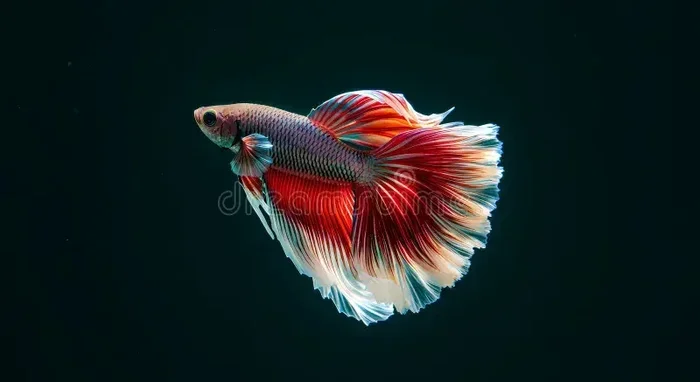
Flaring is a natural betta behavior, but it can turn dangerous if stress, disease, or poor water conditions are present. Understanding the signs, causes, and preventive care helps ensure your betta thrives and avoids fatal outcomes.
Key Takeaways
- Flaring isn’t always fatal: Most healthy bettas flare without harm, but chronic stress can lead to death.
- Water quality is critical: Ammonia spikes, low oxygen, or wrong temperature make flaring risky.
- Watch for disease signs: Fin rot, ich, or parasites often hide behind aggressive flaring.
- Reduce stress triggers: Over‑crowding, aggressive tank mates, and sudden changes provoke harmful flares.
- Quick response saves lives: Spotting prolonged flaring and acting fast can prevent a fatal outcome.
- Proper diet supports immunity: A balanced betta diet reduces stress‑related flaring.
- Regular tank maintenance: Cleaning, water changes, and monitoring parameters keep flaring to a harmless display.
📑 Table of Contents
- Introduction: Why the Question Matters
- What Is Flaring and Why Do Betta Fish Do It?
- Can Betta Fish Die From Flaring? The Direct Answer
- Spotting Dangerous Flaring: Signs to Watch For
- Root Causes: When Flaring Turns Fatal
- Preventive Care: Keeping Flaring Safe
- What To Do If Your Betta Is Already Showing Dangerous Flaring
- Long‑Term Strategies for a Happy, Healthy Betta
- Conclusion: Flaring Is a Signal, Not a Sentence
Introduction: Why the Question Matters
If you’ve ever watched a betta fish puff out its fins, flare its gills, and stare like a tiny warrior, you’ve probably wondered, can betta fish die from flaring? The answer isn’t a simple yes or no. Flaring is a natural communication tool, yet under the wrong conditions it can signal serious trouble.
In this guide we’ll break down what flaring really means, the hidden dangers that can turn a dramatic display into a life‑threatening event, and the everyday steps you can take to keep your betta safe. Think of it as a friendly chat over a coffee, with plenty of practical tips you can start using today.
What Is Flaring and Why Do Betta Fish Do It?
The biology behind the show
Betta fish belong to the Betta splendens species, famous for their bright colors and long, flowing fins. In the wild, males flare to establish territory, attract mates, and warn rivals. The act involves expanding the gill covers (opercula), raising the dorsal fin, and sometimes even “mouth‑gaping” to look larger.

Visual guide about Can Betta Fish Die from Flaring
Image source: m8.imhentai.xxx
Common triggers
- Presence of another betta: Even a reflection in glass can set off a flare.
- Sudden changes: A new decoration, a shift in lighting, or a temperature spike.
- Stressors: Over‑crowding, aggressive tank mates, or poor water quality.
Can Betta Fish Die From Flaring? The Direct Answer
Short bursts of flaring are harmless. However, when flaring becomes frequent, prolonged, or is accompanied by other warning signs, it can indeed lead to death. The primary ways this happens are:
Visual guide about Can Betta Fish Die from Flaring
Image source: cdn.ablebits.com
- Oxygen depletion: A betta holds its breath while flaring, using more oxygen than usual. In low‑oxygen water, this can cause suffocation.
- Stress‑induced disease: Chronic stress weakens the immune system, making the fish vulnerable to infections like fin rot or ich.
- Physical injury: Aggressive flares against another fish or a hard surface can tear delicate fins, leading to blood loss.
Spotting Dangerous Flaring: Signs to Watch For
How long is too long?
Normal flares last 10‑30 seconds. If you see your betta flaring for more than a minute, or repeating the behavior every few minutes, it’s a red flag.
Visual guide about Can Betta Fish Die from Flaring
Image source: hiregunnedah.com.au
Accompanying symptoms
- Labored breathing: Gasping at the surface or rapid gill movement.
- Discolored or ragged fins: Indicates possible fin rot, which often follows stress.
- Lethargy after flaring: A tired betta that hides for hours may be exhausted.
- Loss of appetite: Stress can suppress feeding.
Root Causes: When Flaring Turns Fatal
Poor Water Quality
High ammonia, nitrite, or low pH can irritate a betta’s gills. When a fish flares under these conditions, the extra strain on the respiratory system can be deadly. Test your water weekly and keep ammonia under 0.25 ppm.
Insufficient Oxygen
Betta fish are labyrinth fish—they can gulp air from the surface, but they still need dissolved oxygen. Small bowls, lack of surface agitation, or warm water (above 80 °F/27 °C) reduce oxygen levels. A gentle air stone or a small filter with surface movement helps.
Stressful Tank Mates
Betta fish are territorial. Housing them with fast‑moving or brightly colored species can provoke constant flaring. If you must keep other fish, choose peaceful, non‑fin‑nipping companions like small rasboras or certain shrimp. For more ideas, see What Fish Can I Put With My Betta.
Health Issues
Internal parasites, bacterial infections, or fungal growth can cause a betta to flare as a pain response. If flaring is accompanied by spots, cotton‑like growth, or frayed fins, a quarantine and treatment plan is needed.
Preventive Care: Keeping Flaring Safe
Maintain optimal water conditions
- Do a 25 % water change every week.
- Keep temperature between 76‑80 °F (24‑27 °C).
- Use a reliable water test kit to monitor ammonia, nitrite, and nitrate.
Provide adequate oxygen
A small air stone or a gentle filter creates surface ripples, raising dissolved oxygen. Even a live plant like Anubias can help.
Design a stress‑free environment
- Use a tank of at least 5 gallons for a single betta.
- Include hiding spots—caves, silk plants, or driftwood.
- Avoid mirrors or bright lights that trigger constant flaring.
Balanced nutrition
Feed high‑quality betta pellets or frozen bloodworms 2‑3 times a day, only as much as they can eat in two minutes. Overfeeding worsens water quality, leading to more stress.
Regular health checks
Observe your betta daily. If you notice any of the warning signs, act quickly: test water, perform a partial change, and consider a mild antibacterial treatment if infection is suspected.
What To Do If Your Betta Is Already Showing Dangerous Flaring
Immediate steps
- Isolate the fish: Move it to a clean quarantine tank with fresh, dechlorinated water.
- Increase oxygen: Add an air stone and raise the water temperature slightly (to about 78 °F) to boost metabolism.
- Check water parameters: Correct any spikes in ammonia or nitrite immediately.
- Observe for disease: Look for white spots, frayed fins, or mucus.
Treatment options
If you spot a bacterial infection, a short course of aquarium‑safe antibiotics (e.g., Maracyn) can help. For parasites, a dip in a dilute formalin solution (following dosage instructions) is effective. Always finish the full treatment cycle.
When to seek help
If the fish continues to flare for more than an hour despite water fixes, or if it becomes listless, it may be time to consult a veterinarian who specializes in fish.
Long‑Term Strategies for a Happy, Healthy Betta
Routine maintenance schedule
| Task | Frequency |
|---|---|
| Water test (ammonia, nitrite, nitrate, pH) | Weekly |
| Partial water change (25 %) | Weekly |
| Clean substrate & remove debris | Every 2 weeks |
| Inspect fins and gills | Daily |
Enrichment without stress
Introduce floating toys or gently move a leaf to encourage natural hunting behavior. Avoid rapid movements that can trigger defensive flaring.
Consider tank mates wisely
If you want companions, read about What Other Fish Can Live With Betta Fish. Small, non‑aggressive species that occupy different water levels are best.
Conclusion: Flaring Is a Signal, Not a Sentence
In short, can betta fish die from flaring? Yes, but only when the flare is a symptom of deeper problems—poor water, low oxygen, or disease. By keeping water pristine, providing enough oxygen, and reducing stress triggers, you turn a dramatic display into a harmless communication tool.
Remember, a healthy betta flares proudly, not painfully. Stay observant, act quickly when you see warning signs, and your betta will continue to brighten your home for years to come.
Frequently Asked Questions
Can a betta fish die from a single flare?
One brief flare is normal and not fatal. Death usually results from repeated, prolonged flares combined with poor water or illness.
What water parameters are safest for preventing dangerous flaring?
Keep temperature 76‑80 °F, pH 6.5‑7.5, ammonia under 0.25 ppm, nitrite at 0 ppm, and nitrate below 20 ppm.
How long should a flare last before I’m worried?
If a flare exceeds 30 seconds or repeats multiple times in a short period, check water quality and look for stress signs.
Can adding a plant help reduce harmful flaring?
Yes, live plants improve water quality and provide hiding spots, which lower stress and the need for frequent flaring.
Is it safe to keep a betta with shrimp?
Many bettas coexist peacefully with larger shrimp like Amano or ghost shrimp, but always monitor for aggressive flaring.
Should I use a heater for my betta to prevent flaring?
A stable temperature is crucial; a heater set between 76‑80 °F prevents temperature‑related stress that can trigger harmful flares.