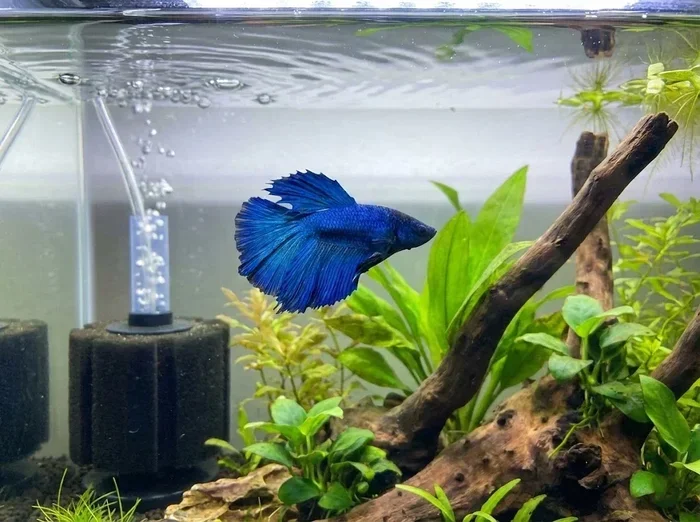
How Many Times Do Betta Fish Breathe
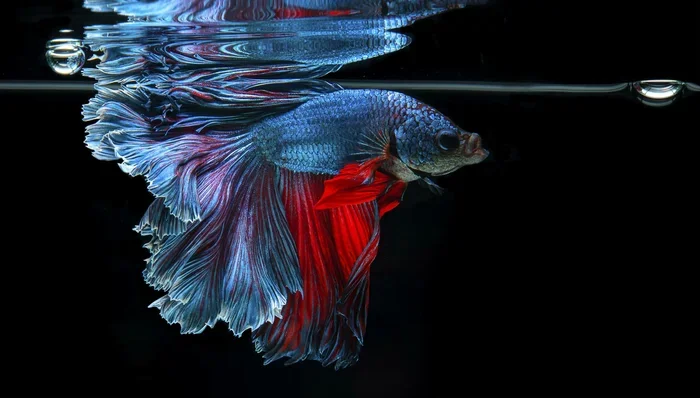
Betta fish breathe air directly from the surface using a unique organ called the labyrinth, which means they gulp oxygen far more frequently than most other fish species. On average, a betta takes between 20 and 40 breaths per minute at rest, and this rate can increase significantly when the water is warm or oxygen levels drop. Understanding your betta’s breathing patterns is one of the simplest yet most powerful ways to monitor its health and ensure a thriving aquarium environment.
Key Takeaways
- Betta fish breathe air: They use a labyrinth organ to gulp surface air.
- Normal breathing rate: Expect 10-30 gulps per hour while resting.
- Rapid breathing is a red flag: It often signals stress or poor water quality.
- Clean, warm water is essential: Maintain stable temperatures and gentle filtration.
- Reduce tank stress: Avoid aggressive tankmates and provide hiding spots.
- Watch for warning signs: Gasping or staying at the surface needs immediate attention.
- Support healthy gills: A well-planted, calm environment eases their breathing.
📑 Table of Contents
- How Many Times Do Betta Fish Breathe
- How Betta Fish Breathe: The Science Behind It
- How Many Times Do Betta Fish Breathe in a Day
- Do Betta Fish Breathe When Sleeping
- Do All Betta Fish Breathe Air?
- How Tank Conditions Affect Betta Fish Breathing
- Common Breathing Problems and How to Fix Them
- Key Takeaways
How Many Times Do Betta Fish Breathe
If you own a betta fish, you have probably watched it glide up to the surface and take a gulp of air. It is one of the most fascinating things about keeping these beautiful fish. But have you ever wondered how many times do betta fish breathe in a day? The answer might surprise you.
Betta fish are unique creatures. Unlike most other fish, they do not rely solely on their gills to get oxygen. They have a special organ called the labyrinth, which lets them breathe air directly from the surface. This means their breathing pattern is very different from what you see in other freshwater fish.
In this guide, we will walk through everything you need to know about betta fish breathing. You will learn how often they breathe, why they gulp air, what affects their respiration, and how to keep your fish healthy. Whether you are a new betta owner or a seasoned hobbyist, this article covers it all.
How Betta Fish Breathe: The Science Behind It
Understanding how betta fish breathe starts with knowing a little bit about their anatomy. Bettas belong to a group of fish called anabantoids. These fish have a specialized organ known as the labyrinth organ. This organ sits near the gills and works like a primitive lung.
The Labyrinth Organ Explained
The labyrinth organ is made up of thin, bony plates called lamellae. These plates are rich in blood vessels. When a betta takes a sip of air from the surface, the oxygen passes through these lamellae and enters the bloodstream. This process is called air breathing, and it is what makes bettas so special.
Most fish can only extract oxygen from water through their gills. Bettas can do both. They use their gills for oxygen dissolved in water, and their labyrinth organ for oxygen from the air. This dual system gives them a big advantage in low-oxygen environments like shallow rice paddies and slow-moving streams in Southeast Asia.
Do Betta Fish Breathe Through Their Gills?
Yes, they do. But gill breathing alone is not enough for a betta fish. The gills handle oxygen from the water, but in many home aquariums, the dissolved oxygen levels can be low. That is why bettas need access to the water surface. They supplement their gill breathing with regular trips to the surface.
If you want to learn more about how bettas use their gills, check out our guide on do betta fish breathe through their gills. It covers the topic in great detail.
How Many Times Do Betta Fish Breathe in a Day
This is the question most betta owners want answered. The truth is, there is no single number that applies to every fish. A betta’s breathing rate depends on several factors. But on average, a healthy betta will visit the surface to gulp air every few minutes throughout the day.
During active periods, you might notice your fish taking a breath at the surface every 2 to 5 minutes. During rest or sleep, the rate slows down significantly. Some bettas may only breathe at the surface once every 10 to 15 minutes while resting.
Factors That Affect Breathing Frequency
Several things influence how often your betta needs to breathe air:
- Water temperature: Warmer water holds less dissolved oxygen, so your betta will need to breathe air more often.
- Tank size: Smaller tanks have less oxygen exchange, which can increase surface visits.
- Activity level: An active betta swimming around will use more oxygen and breathe more frequently.
- Water quality: Poor water conditions reduce oxygen levels and stress the fish.
- Tank mates: More fish in the tank means more oxygen consumption.
Betta Fish Breathing Rate Comparison
| Condition | Breathing Frequency | Notes |
|---|---|---|
| Active swimming | Every 2-5 minutes | Higher oxygen demand |
| Resting or sleeping | Every 10-15 minutes | Metabolism slows down |
| Warm water (80°F+) | More frequent | Less dissolved oxygen |
| Cool water (72-76°F) | Moderate | Ideal oxygen levels |
| Small unfiltered tank | Very frequent | Low oxygen levels |
| Large filtered tank | Less frequent | Good oxygen exchange |
As you can see from the table above, how many times do betta fish breathe is not a fixed number. It changes based on the environment and the fish’s current state. The key is to provide stable, healthy conditions so your betta does not have to work too hard to get oxygen.
Do Betta Fish Breathe When Sleeping
Many owners wonder if their betta still breathes air when it is sleeping. The answer is yes. Even while resting, a betta fish needs oxygen. However, the breathing rate drops significantly during sleep.
You might notice your betta hovering near the surface or resting on a plant leaf. During this time, it will still take occasional sips of air. But the trips to the surface become much less frequent. Some bettas even sleep on the substrate at the bottom of the tank and only rise for air when needed.
If you want to know more about this behavior, read our article on do betta fish breathe when sleeping. It explores the sleeping habits of bettas in depth.
One important thing to watch for is if your betta is breathing rapidly even while resting. This can be a sign of stress or poor water quality. A healthy sleeping betta should have slow, steady breaths.
Do All Betta Fish Breathe Air?
Yes, all betta fish have the ability to breathe air. This is a trait built into their biology. The labyrinth organ develops as bettas grow from fry into adults. Even young bettas will start making trips to the surface for air as they mature.
However, some bettas rely on air breathing more than others. This depends on the environment. In a well-oxygenated tank with good filtration, a betta may not need to visit the surface as often. In a poorly maintained tank, the fish will need to gulp air much more frequently.
If you are curious about whether every betta has this ability, our article do all betta fish breathe air dives deeper into this topic.
The bottom line is that air breathing is not optional for bettas. It is a survival mechanism. Without access to the surface, a betta can suffocate even in water that looks fine to us. This is why it is so important to keep the water level in your tank at a height where your fish can easily reach the surface.
How Tank Conditions Affect Betta Fish Breathing
The environment you create for your betta has a direct impact on its breathing. A healthy tank means healthy respiration. A stressed tank means your fish will struggle to get enough oxygen.
Water Temperature and Oxygen Levels
Water temperature plays a huge role in how much oxygen your tank holds. Cooler water can hold more dissolved oxygen than warm water. Bettas thrive in temperatures between 76°F and 82°F. At the higher end of this range, the water holds less oxygen, which means your betta will need to breathe air more often.
This is completely normal and nothing to worry about. But if the temperature spikes above 82°F, you may notice rapid or labored breathing. That is a sign you need to cool the water down.
Tank Size and Filtration
Small tanks are harder to keep oxygenated. A 5-gallon tank is the minimum recommended size for a single betta. In a smaller bowl or vase, oxygen levels can drop quickly, especially without a filter. Your betta will compensate by breathing air more often.
A good filter does two things. It removes waste, and it helps agitate the water surface, which increases oxygen exchange. If you use a gentle filter, your betta will still be able to reach the surface easily. Avoid strong currents, as bettas are not strong swimmers.
Water Quality and Ammonia
Poor water quality is one of the biggest threats to betta breathing. Ammonia and nitrite are toxic to fish. Even small amounts can damage the gills and make it harder for your betta to extract oxygen from the water. This forces the fish to rely more heavily on air breathing.
Regular water changes are essential. Aim for a 25-30% water change every week. Test your water parameters regularly with a liquid test kit. Keeping ammonia and nitrite at zero is the best thing you can do for your betta’s respiratory health.
Signs of Stress-Related Breathing
Watch for these signs that your betta is struggling to breathe:
- Gasping at the surface frequently
- Rapid gill movement
- Staying near the surface more than usual
- Loss of color
- Lethargy or lack of appetite
If you see these signs, test your water immediately. Check the temperature, ammonia, nitrite, and nitrate levels. Often, a simple water change can make a big difference.
Common Breathing Problems and How to Fix Them
Not all breathing issues are caused by the environment. Sometimes, health problems can affect how your betta breathes. Knowing the difference between normal and abnormal breathing is key to keeping your fish healthy.
Normal vs. Abnormal Breathing
Normal breathing for a betta looks calm and steady. The fish will glide to the surface, take a quick sip of air, and return to its activities. This happens every few minutes and should not look labored.
Abnormal breathing looks different. Your betta may stay at the surface for long periods, gasp with its mouth open, or breathe very rapidly even while resting. These are warning signs that something is wrong.
Common Causes of Breathing Problems
- Low oxygen levels: Often caused by poor filtration or overcrowding.
- High ammonia or nitrite: Results from infrequent water changes or overfeeding.
- Temperature shock: Sudden changes in water temperature can stress the fish.
- Gill disease: Infections or parasites can damage the gills and impair oxygen exchange.
- Swim bladder issues: While not directly a breathing problem, swim bladder disorder can cause your betta to stay near the surface.
Quick Tips for Healthy Breathing
- Keep the tank at a stable temperature between 76°F and 82°F.
- Perform weekly water changes of 25-30%.
- Use a gentle filter to maintain water flow without strong currents.
- Do not overfeed your betta. Excess food fouls the water quickly.
- Keep the water level low enough for your betta to reach the surface easily.
- Add live plants to help oxygenate the water naturally.
- Avoid placing the tank in direct sunlight, which can raise the temperature too high.
Key Takeaways
So, how many times do betta fish breathe? The honest answer is that it varies. A healthy betta will visit the surface to gulp air several times every hour. The exact number depends on water temperature, tank size, activity level, and water quality.
The most important thing you can do is provide a clean, well-oxygenated environment. A 5-gallon tank or larger with a gentle filter and stable temperatures will keep your betta breathing comfortably. Regular water changes and proper feeding go a long way toward maintaining good respiratory health.
Remember that betta fish breathing is a natural and essential behavior. Watching your fish take a breath at the surface is not something to worry about. It is actually a sign that your betta is healthy and doing what it was designed to do. Pay attention to changes in breathing patterns, keep your tank clean, and your betta will thrive for years to come.
If you want to explore more about betta care, check out our articles on how many times to change water for betta fish and how many gallons for betta fish. Both are great resources for building the perfect home for your fish.
Frequently Asked Questions
How Many Times Do Betta Fish Breathe Per Minute?
Betta fish typically breathe around 20 to 40 times per minute at rest. This rate can increase when they are active, stressed, or in warmer water temperatures. Their unique labyrinth organ allows them to gulp air directly from the surface, which is why their breathing pattern looks so distinctive compared to other fish.
Do Betta Fish Breathe More Frequently Than Other Fish?
Yes, betta fish breathe more often than most other species because they rely on both their gills and their labyrinth organ. This dual breathing system means they need to visit the water surface regularly to take in oxygen. It is one of the reasons why bettas need open tank space and gentle water flow.
Why Does My Betta Fish Breathe So Fast at the Surface?
Rapid breathing at the surface often signals low oxygen levels, high ammonia, or elevated water temperature. Bettas are especially sensitive to poor water quality, which can stress their breathing system. Testing your water parameters and performing regular water changes usually fixes this problem quickly.
Can Betta Fish Breathe Underwater Like Other Fish?
Betta fish can absorb some oxygen through their gills underwater, but they cannot survive on gill breathing alone. Their labyrinth organ requires them to gulp atmospheric air to stay healthy. This is why every betta tank should have enough space between the water surface and the lid for them to breathe comfortably.
How Many Times Do Betta Fish Come Up to Breathe During the Day?
A healthy betta will rise to the surface to breathe several times per hour, often doing so in short, quick gulps. You may notice this behavior more in the morning or after feeding when their oxygen demand increases. It is completely normal, but constant gasping could point to a water quality issue.
Should I Be Worried If My Betta Fish Breathing Pattern Changes Suddenly?
Yes, a sudden change in breathing rate is worth investigating right away. It could indicate temperature swings, ammonia spikes, or even a respiratory infection. Checking your water conditions and observing other symptoms like lethargy or faded color will help you pinpoint the cause early.