Is My Betta Fish Bloated
Is your betta fish bloated? Bloating in betta fish is a common issue caused by overfeeding, constipation, dropsy, or poor water conditions. This guide covers the top betta fish bloating causes, clear symptoms to watch for, and simple treatments you can try at home. Understanding why your betta fish is bloated helps you act fast and keep your fish healthy and happy.
Is your betta fish bloated and looking rounder than usual? You are not alone. Many betta fish owners deal with this issue at some point. A bloated betta can look scary, but the good news is that most causes are treatable at home. In this guide, we will walk you through everything you need to know about betta fish bloating. You will learn the signs, what is causing it, and exactly how to help your fish feel better.
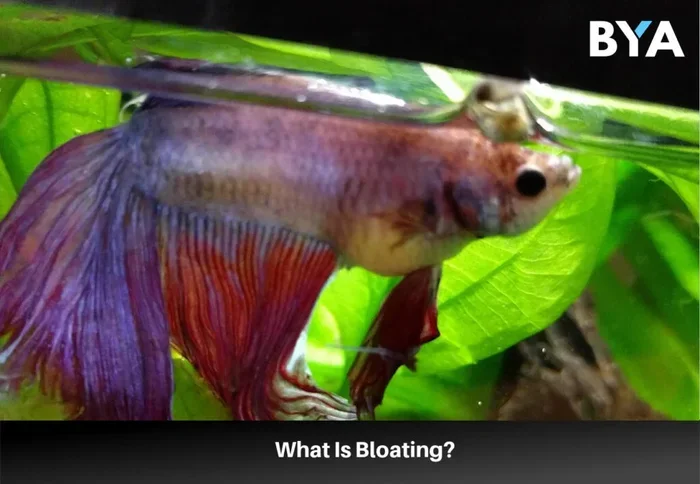
Bloating happens when your betta’s belly fills with gas, fluid, or trapped waste. It can range from a slightly round tummy to a severely swollen belly. Sometimes the bloating is mild and goes away quickly. Other times, it points to a deeper health problem. Either way, catching it early makes a big difference. Let us dive into the causes and what you can do.
Key Takeaways
- Overfeeding is the #1 cause: Feeding too much is the most common reason for betta fish bloating and constipation.
- Constipation and swim bladder issues: A blocked digestive system can cause a swollen belly and difficulty swimming.
- Dropsy is serious: Bloating paired with pinecone scales may signal dropsy, which needs prompt attention.
- Water quality matters: Poor tank conditions can trigger bloating and other betta fish health problems.
- Fasting and diet changes help: Simple fixes like fasting and feeding peas can relieve mild bloating.
- Know when to see a vet: Severe symptoms like pinecone scales or lethargy require professional care.
📑 Table of Contents
What Does a Bloated Betta Fish Look Like?
A healthy betta fish has a sleek, streamlined body. When bloating sets in, the belly swells outward. The scales may even stick out slightly. Here are the most common signs to watch for:
- Round or swollen belly: The belly looks puffy and tight, not flat.
- Loss of appetite: Your betta refuses food or eats very little.
- Lethargy: The fish stays near the bottom of the tank and moves slowly.
- Difficulty swimming: The fish floats to the top or sinks to the bottom and cannot stay balanced.
- Clamped fins: The fins stay close to the body instead of flowing freely.
- Pinecone scales: In serious cases, the scales stick out like a pinecone. This is a sign of dropsy.
If you notice any of these signs, do not panic. Start by observing your fish closely. Check the water temperature and quality. Then look at what you have been feeding. These small details often reveal the cause.
Common Causes of Betta Fish Bloating
Understanding the root cause is the first step toward fixing the problem. There are several reasons a betta fish may become bloated. Let us break them down one by one.
1. Overfeeding
This is the number one cause of bloating in betta fish. Bettas have small stomachs. They are not built to handle large meals. When you feed too much, the stomach expands and the digestive system slows down. Food sits in the gut and ferments. This creates gas and causes a swollen belly.
A good rule of thumb is to feed your betta two small meals a day. Each meal should be about the size of the fish’s eye. If you have been giving large portions or feeding too often, this is likely the culprit. Overfeeding betta fish also leads to constipation and poor water quality from uneaten food sinking to the bottom.
2. Constipation
Constipation and bloating go hand in hand. When waste builds up in the intestines, the belly swells. A constipated betta may stop eating and float oddly in the water. This happens when the diet lacks fiber or when the fish eats too quickly without proper digestion.
You can often tell the difference between simple bloating and constipation. If your fish has not pooped in a while and its belly feels firm, constipation is likely the cause. The good news is that this is one of the easiest issues to fix.
3. Swim Bladder Disease
The swim bladder is an organ that helps your betta control its buoyancy. When the swim bladder is affected, the fish may swim sideways, float at the top, or sink to the bottom. Bloating can put pressure on the swim bladder and cause these symptoms.
Swim bladder issues often stem from overfeeding, constipation, or sudden changes in water temperature. If your fish is swimming sideways along with a bloated belly, the swim bladder is likely involved.
4. Poor Water Quality
Dirty water is a silent killer for betta fish. Ammonia and nitrite buildup stress the fish and weaken the immune system. Poor betta fish tank maintenance can lead to bloating and a host of other health issues. Even if you feed your betta perfectly, bad water can make it sick.
Test your water regularly. Keep ammonia and nitrite levels at zero. Nitrate should stay below 20 ppm. A cloudy betta fish tank is a clear sign that something is wrong with the water. Do a partial water change and check your filter.
5. Dropsy
Dropsy is a serious condition where fluid builds up inside the fish’s body. The belly becomes very swollen and the scales stick out. This is often caused by a bacterial infection. Dropsy is not bloating in the traditional sense, but it looks very similar.
If you see pinecone scales along with a bloated belly, act quickly. Dropsy can be fatal if not treated early. Isolate the fish in a hospital tank and consult a veterinarian who specializes in fish.
6. Internal Parasites or Infections
Parasites and bacterial infections can cause inflammation in the gut. This leads to a swollen belly and loss of appetite. If your betta is not eating and looks bloated, an infection could be the reason. These issues often come from stress or poor living conditions.
How to Tell If Bloating Is Serious
Not all bloating is dangerous. Mild bloating from a big meal often goes away on its own. But some signs point to a serious problem that needs immediate action.
Here is a simple way to tell the difference:
- Mild bloating: The belly is slightly round. The fish is still eating and swimming normally. This often resolves with fasting.
- Moderate bloating: The belly is noticeably swollen. The fish eats less and swims less. You may notice floating or sinking issues.
- Severe bloating: The belly is very large and hard. The scales are raised. The fish is lethargic and not eating at all. This needs urgent care.
If your betta shows severe symptoms, do not wait. Move the fish to a clean hospital tank and start treatment right away. If you are unsure whether your betta fish is sick, it is always better to be safe and seek advice from a fish vet.
Treatment Options for a Bloated Betta Fish
The right treatment depends on what is causing the bloating. Here are the most effective approaches you can try at home.
Step 1: Fast Your Betta Fish
Fasting is the first and simplest treatment. Skip feeding for two to three days. This gives the digestive system time to clear out any trapped waste or undigested food. Most mild cases of betta fish constipation resolve with fasting alone.
Do not worry about starving your fish. Bettas can easily go two to three days without food. In fact, many experts recommend fasting once a week as a preventive measure. It keeps the digestive system running smoothly.
Step 2: Feed a Blanched Pea
After the fast, offer a single blanched pea. Peas are high in fiber and act as a natural laxative. Here is how to prepare one:
- Take a fresh or frozen green pea.
- Boil it for two to three minutes until soft.
- Peel off the outer skin.
- Squish it into a tiny pellet size.
- Offer it to your betta.
This simple trick works wonders for relieving constipation and reducing bloating. Feed one pea and skip the next meal. You should see improvement within 24 hours.
Step 3: Improve Water Conditions
Clean water is essential for healing. Do a 25% water change and make sure the temperature stays between 76 and 82 degrees Fahrenheit. Use a water conditioner to remove chlorine and chloramine. Good tank maintenance prevents future bloating episodes and supports overall betta fish health.
Check your filter too. A clogged filter can cause ammonia spikes. Clean it gently in old tank water, never tap water. This preserves the beneficial bacteria that keep your tank stable.
Step 4: Use Epsom Salt Baths
Epsom salt can help reduce swelling and relieve constipation. Mix one teaspoon of Epsom salt per gallon of water. Place your betta in the solution for 15 to 30 minutes. Repeat this once a day for up to three days.
Epsom salt draws out excess fluid and relaxes the muscles in the digestive tract. It is a gentle and effective treatment for mild to moderate bloating. Just make sure the salt you use is pure magnesium sulfate with no added fragrances or additives.
Step 5: Adjust Feeding Habits
Prevention is always better than cure. Going forward, feed your betta small portions twice a day. Choose high-quality pellets made specifically for bettas. Soak the pellets before feeding to prevent them from expanding in the stomach. Avoid feeding live food too often, as it can carry bacteria and parasites.
A consistent feeding schedule keeps your betta healthy and reduces the risk of bloating. Variety is also important. Rotate between pellets, frozen bloodworms, and brine shrimp to provide balanced nutrition.
Prevention Tips to Keep Your Betta Healthy
Once you have treated the bloating, you want to make sure it does not come back. Here are some easy prevention tips:
- Feed small portions: Two small meals a day is enough. Do not free-feed your betta.
- Fast weekly: Skip one meal per week to give the digestive system a break.
- Maintain clean water: Test water parameters weekly and do partial water changes every one to two weeks.
- Use a proper filter: A gentle sponge filter keeps the water clean without creating strong currents.
- Keep stress low: Avoid aggressive tank mates and loud noises near the tank.
- Monitor your fish daily: Watch for changes in behavior, appetite, or appearance. Early detection makes treatment easier.
If you follow these steps, your betta will have a much lower chance of becoming bloated again. A healthy diet and clean environment go a long way in preventing betta fish bloating and other common health issues.
When to See a Vet
Home treatments work well for mild bloating. But there are times when professional help is necessary. If your betta does not improve after three days of fasting and pea treatment, see a vet. If the scales are standing out like a pinecone, this is a sign of dropsy and needs urgent care.
A fish veterinarian can prescribe antibiotics or other medications if the bloating is caused by an infection. Do not hesitate to seek help. The faster you act, the better the chances of recovery. Remember, if your betta fish is sick, professional guidance can make all the difference.
Key Takeaways
- Overfeeding is the #1 cause: Keep portions small and feed twice a day.
- Fasting helps: Skip food for two to three days to clear the digestive system.
- Peas are a natural remedy: A blanched pea after fasting can relieve constipation.
- Water quality is critical: Clean water prevents bloating and supports overall health.
- Watch for severe symptoms: Pinecone scales and lethargy need immediate vet attention.
- Prevention beats treatment: A consistent feeding schedule and clean tank keep bloating away.
Conclusion
Seeing your betta fish bloated can be worrying, but it is almost always treatable. Most cases are caused by overfeeding or constipation, both of which respond well to simple home remedies. Start with a fast, offer a blanched pea, and improve the water conditions. These steps solve the problem in the majority of cases.
Keep an eye on your fish every day. Know the signs of serious conditions like dropsy. And do not be afraid to consult a vet if the situation does not improve. With the right care and attention, your betta will bounce back to its happy, active self. A healthy betta fish is a joy to watch, and the effort you put into understanding betta fish bloating is what makes that possible.
Take action today. Your little fish is counting on you to notice the signs and help. You have the knowledge now. Use it, and your betta will thank you with vibrant colors and energetic swimming for years to come.
Frequently Asked Questions
Why is my betta fish bloated but still swimming?
A bloated betta that is still swimming likely has mild bloating from overfeeding or constipation. This is usually not serious. Try fasting your fish for two to three days and offer a blanched pea afterward. Monitor the fish closely for any changes in behavior.
Can overfeeding cause a betta fish to bloat?
Yes, overfeeding is the most common cause of bloating in betta fish. Their small stomachs cannot handle large meals. Excess food ferments in the gut, causing gas and swelling. Feed small portions twice a day to prevent this issue.
How do I know if my betta fish bloating is dropsy?
Dropsy causes the scales to stick out like a pinecone. If your betta has a swollen belly and raised scales, it may have dropsy. This is a serious condition that needs immediate veterinary care. Early treatment improves the chances of recovery.
Can poor water quality cause bloating in bettas?
Absolutely. Poor water quality stresses betta fish and weakens their immune system. Ammonia and nitrite buildup can cause bloating and other health problems. Test your water regularly and do partial water changes to keep conditions clean.
What should I feed a bloated betta fish?
Stop feeding for two to three days. After the fast, offer a single blanched pea. The fiber in the pea helps relieve constipation and reduce bloating. Avoid pellets and other foods until the fish has recovered.
How long does it take for a bloated betta fish to recover?
Mild bloating from overfeeding or constipation usually clears up within two to three days with fasting and proper care. More serious cases caused by infection or dropsy may take longer and require medication. Always monitor your fish and seek vet help if symptoms worsen.