Is It Better to Fish Before or After Rain
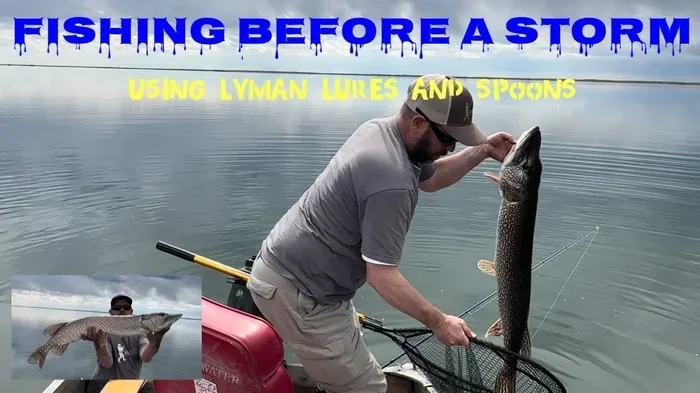
Fishing before or after rain can dramatically improve your chances of a great catch. Rain changes water conditions, oxygen levels, and fish behavior in ways that smart anglers use to their advantage. This guide covers the best timing, proven strategies, and key mistakes to avoid when fishing before or after rain.
Key Takeaways
- Fishing before a storm often works best because fish feed aggressively ahead of dropping barometric pressure.
- Post-rain fishing can be excellent too when water clarity improves and food gets washed into the water.
- Barometric pressure is the #1 factor that determines whether fish will bite before or after rain.
- Freshwater species like bass and trout tend to be more active during and after light rain.
- Avoid fishing during heavy downpours as murky water and unsafe conditions reduce your success.
- Timing matters more than you think — the hours right before and after rain offer the best windows.
- Gear and bait choices should match the conditions created by rain for maximum effectiveness.
📑 Table of Contents
- Why Rain Changes Everything for Anglers
- Fishing Before Rain: The Pre-Storm Bite
- Fishing After Rain: The Post-Rain Advantage
- Barometric Pressure: The Hidden Key to Fishing Success
- Best Fishing Times Relative to Rain Events
- Species-Specific Responses to Rain
- Common Mistakes to Avoid When Fishing Around Rain
- Quick Tips for Fishing Around Rain Events
- The Verdict: Before or After Rain?
Why Rain Changes Everything for Anglers
Every angler has heard the old saying: “Fish bite best when it’s raining.” But is that really true? The answer is more nuanced than you might think. Fishing before or after rain each offers unique advantages that depend on several key factors.
Rain transforms the fishing environment in real time. It affects water temperature, oxygen levels, light penetration, and the behavior of prey species. All of these changes ripple through the food chain and directly impact how fish feed. Understanding these shifts gives you a serious edge on the water.
Whether you are heading out to a local lake or planning a weekend trip to your favorite river, knowing when to fish in relation to rainfall can mean the difference between a skunk and a stringer full of fish. Let us break down exactly what happens before, during, and after rain so you can plan your next trip with confidence.
Fishing Before Rain: The Pre-Storm Bite
Why Fish Feed Aggressively Before a Storm
One of the most reliable patterns in fishing before or after rain is the pre-storm bite. As a weather front approaches, barometric pressure drops steadily. Fish sense this change and respond by feeding more aggressively. They seem to know that rough weather is coming and they need to stock up.
This phenomenon is well documented among experienced anglers. The hours right before a storm hit often produce the strongest bites of the day. Fish are in a feeding frenzy because they instinctively understand that conditions are about to change.
Light rain before a storm can actually enhance this effect. The drizzle reduces light levels and makes fish feel more secure. They move into shallower water and become less wary of lures and bait.
Best Baits and Techniques for Pre-Rain Fishing
When you are fishing before rain, you want to match the aggressive mood of the fish. Here are some effective approaches:
- Topwater lures like poppers and frogs work incredibly well when fish are feeding near the surface.
- Bright-colored crankbaits help fish locate your bait in the slightly murky water that often comes with incoming storms.
- Live bait such as worms or minnows naturally mimics the insects and baitfish that get stirred up by dropping pressure.
- Faster retrieve speeds can trigger reaction strikes from fish that are in an aggressive feeding mode.
Many anglers also find success fishing during the hours just before a thunderstorm rolls in. The combination of falling pressure and changing light conditions creates a perfect storm of feeding activity. If you check your fishing forecast and see a storm approaching, that is your cue to get on the water.
Fishing After Rain: The Post-Rain Advantage
What Happens to Fish After the Rain Stops
Once the rain stops, conditions begin to stabilize again. This is where things get really interesting for anglers. Fishing after rain can be extremely productive, but the results depend heavily on the type of rain and the water body you are targeting.
After a steady rain, runoff washes insects, worms, and other food sources into the water. This natural buffet attracts fish and gets them feeding again. The water also becomes slightly stained, which reduces light penetration and makes fish feel safer moving into areas they would normally avoid.
However, there is a tipping point. Heavy, prolonged rain can make the water too murky and muddy. When visibility drops too low, fish become disoriented and stop feeding actively. This is when fishing after rain stops being productive and starts being frustrating.
How Water Temperature and Oxygen Levels Shift
Rain cools the surface water, which can be a huge benefit during hot summer months. Cooler water holds more dissolved oxygen, and fish are naturally more active in well-oxygenated water. This is why you often see fish feeding enthusiastically after a summer thunderstorm.
In contrast, cold rain during fall or winter can drop water temperatures too low for active feeding. Timing becomes even more critical in these seasons. The best fishing conditions after rain typically occur when the water temperature remains within the comfortable range for your target species.
Oxygen levels also rise because raindrops disturb the surface and create tiny air bubbles that dissolve into the water. This increased oxygenation stimulates fish metabolism and makes them more willing to chase lures and bait.
Barometric Pressure: The Hidden Key to Fishing Success
How Pressure Changes Affect Fish Behavior
If there is one factor that ties everything together in fishing before or after rain, it is barometric pressure. Fish have lateral lines and swim bladders that allow them to detect even small changes in atmospheric pressure. When the barometer drops before a storm, fish feel physical discomfort that triggers a strong feeding response.
After the storm passes and the barometer starts rising again, fish gradually return to normal patterns. The first 24 to 48 hours after a storm can still be excellent for fishing, especially if the pressure rise is gradual rather than sudden.
Experienced anglers watch the barometer closely. A steady drop signals the best fishing window before the storm. A slow rise after the storm means fishing remains good for a day or two. A rapid pressure spike can shut down the bite temporarily.
Reading the Weather for Better Timing
You do not need a meteorology degree to use barometric pressure to your advantage. Most weather apps show pressure trends in easy-to-read graphs. Look for a steady decline over 12 to 24 hours before a storm. That is your prime window to be on the water.
After the storm, wait a few hours for the initial chaos to settle. Fish often need time to adjust to the new pressure levels before they resume normal feeding. This is why many anglers find that the morning after a storm can be just as productive as the day before.
For more detailed guidance on how storms affect fishing, check out our article on Is Fishing Better or Worse After a Storm. It covers pressure changes and their effects in depth.
Best Fishing Times Relative to Rain Events
Morning vs. Evening Sessions Around Rain
Time of day plays a big role in how effective your fishing will be around rain events. Early morning sessions before a predicted afternoon storm often produce excellent results. Fish have been inactive overnight and are ready to feed as conditions begin to change.
Evening fishing after a day of rain can also be very productive. As the water settles and clarity improves, fish move back into feeding positions. The light levels are lower, which encourages fish to venture into shallower areas where they feel safer.
If you prefer dawn fishing, you might enjoy our guide on Why Is It Better to Fish in the Morning for additional timing strategies.
Seasonal Differences in Rain Fishing
The impact of rain on fishing varies significantly by season. In spring, rain warms the water and triggers spawning activity in many species. Fish are already in an aggressive mood, and the rain just amplifies their feeding drive.
Summer rain provides welcome cooling effects. Fish that have been sluggish in hot water suddenly become active again after a thunderstorm. This is one of the most reliable times to target bass and other freshwater species.
Fall rain can be tricky because water temperatures drop quickly. Fish are preparing for winter and may feed more cautiously. Winter rain often brings cloud cover that can improve fishing in shallow areas where fish would otherwise avoid bright sunlight. For tips on fishing in different light conditions, see our article on Is It Better to Fish in the Sun or Shade.
Species-Specific Responses to Rain
Bass Fishing Before and After Rain
Bass are one of the most responsive species when it comes to rain. They feed heavily before a storm as pressure drops and become very active after rain when runoff brings food into their territory. Both pre-rain and post-rain bass fishing can be outstanding if you adjust your approach.
Before rain, target shallow cover where bass are feeding aggressively. After rain, focus on creek channels and runoff areas where fresh water and food are entering the lake.
Trout and Cold-Water Species
Trout and other cold-water species respond differently to rain. Light rain that cools the water can trigger excellent trout fishing, especially in streams and rivers. The increased flow and oxygen levels make trout more active and willing to chase lures.
However, heavy rain that causes flash flooding can make trout streams unfishable. Safety should always come first. For more on fishing in specific weather conditions, our article Is It Better or Worse to Fish in the Rain provides detailed insights.
Catfish and Bottom Feeders
Catfish and other bottom feeders tend to benefit from rain because runoff stirs up the substrate and brings food to the bottom. These fish become more active in stained water conditions that rain creates. Fishing for catfish after a good rain often yields better results than fishing in clear conditions.
If you are specifically targeting catfish, our guide on Is It Better to Fish for Catfish at Night offers valuable strategies that pair well with post-rain fishing.
Common Mistakes to Avoid When Fishing Around Rain
Even experienced anglers make mistakes when fishing around rain events. Here are the most common ones to watch out for:
- Staying out too long during heavy rain. Fishing in a downpour reduces visibility for both you and the fish. Safety risks also increase dramatically during electrical storms.
- Ignoring water clarity changes. If the water becomes too muddy after heavy rain, switch to brighter lures or stronger scents to help fish find your bait.
- Fishing the same spots after rain. Fish relocate after rain events. Runoff changes the structure of the waterway, and fish move to new feeding areas.
- Using the wrong retrieve speed. Post-rain fish may be more sluggish in cold water but aggressive in warm water. Adjust your presentation accordingly.
- Forgetting to check the forecast. Planning around rain is essential. Use a reliable fishing weather app to track incoming storms and pressure changes.
Quick Tips for Fishing Around Rain Events
- Check the barometric pressure trend 24 hours before your trip. A steady drop means excellent fishing ahead.
- Bring brighter lures and scented baits for post-rain conditions when water clarity is reduced.
- Fish near inflows and outflows after rain. These areas concentrate food and active fish.
- Wear appropriate rain gear so you can stay comfortable and focused on the water.
- Safety first. Never fish during lightning or severe weather. Get off the water immediately if a storm approaches.
- Take advantage of the pre-storm bite. The hours before a storm often produce the strongest action.
- After light rain, try fishing in shallower water where newly washed-in food attracts fish.
The Verdict: Before or After Rain?
So which is better — fishing before or after rain? The honest answer is that both can be excellent, but for different reasons. Fishing before rain typically produces more aggressive feeding because of the dropping barometric pressure. Fish are hungry and actively searching for food.
Fishing after rain offers advantages in water temperature, oxygen levels, and food availability. The post-rain window can extend your fishing success well beyond the storm itself.
The best approach is to plan around both windows. If you can fish the day before a predicted storm and then return the day after, you maximize your chances of success. Track weather patterns, watch the barometer, and adjust your tactics based on conditions.
Ultimately, the best time to fish is whenever you can get on the water. But if you have the flexibility to choose, targeting the periods around rain events will consistently give you an edge. Nature gives us clear signals about when fish are most likely to feed. Learning to read those signals is what separates good anglers from great ones.
For more insights on how weather affects fishing, explore our collection of weather-related fishing guides. Each one breaks down a different condition and how it impacts your time on the water. The more you understand about fishing before or after rain, the more successful your trips will be.
Frequently Asked Questions
Is it better to fish before or after rain for bass?
Bass tend to feed aggressively before a storm due to dropping barometric pressure, making pre-rain fishing excellent. After rain, bass remain active because runoff brings food into their habitat. Both windows can be highly productive for bass fishing.
How long after rain should you wait to fish?
Wait at least a few hours after rain stops to let the water settle. The best post-rain fishing typically begins once the water starts to clear slightly and fish resume normal movement patterns. A 24-hour window after light rain is often ideal.
Does rain make fish bite more?
Yes, in many cases. Rain changes water conditions in ways that stimulate feeding behavior. Lower light levels, increased oxygen, and washed-in food sources all contribute to more active fish. However, heavy rain can have the opposite effect by making water too murky.
What is the best bait to use when fishing after rain?
Bright-colored lures and scented baits work best after rain because the water is often stained or murky. Live bait like worms is also highly effective since rain drives worms into the water where fish can easily find them.
Can you fish during light rain safely?
Yes, light rain is generally safe and can actually improve your fishing. Just avoid fishing during thunderstorms or heavy downpours. Always prioritize safety and monitor weather conditions throughout your trip.
Why do fish stop biting after heavy rain?
Heavy rain can make water too muddy, reducing visibility and disorienting fish. Rapid changes in water flow and temperature can also stress fish and suppress their feeding drive. Wait for conditions to stabilize before expecting good bites.