Can a Betta Fish Bite You
Yes, a betta fish can bite you, but the experience is rarely painful. Their small teeth are designed for crushing tiny food, not harming humans. Understanding betta fish behavior and handling techniques helps you enjoy a safe, stress-free relationship with your pet.
Many betta fish owners wonder about can a betta fish bite you. The short answer is yes. These colorful little fish have small teeth, and they use them. But before you start worrying, let me put your mind at ease. A betta bite is nothing like a dog bite or even a mosquito bite. Most people describe it as a tiny pinch or a weird tickle. If you have ever wondered whether your betta fish could hurt you, this guide has all the answers.
Understanding betta fish behavior is key to being a great pet owner. Bettas are curious creatures. They explore their betta fish tank, watch your movements, and sometimes even seem to recognize their owner. But they also have a territorial side. This means they can react aggressively when they feel threatened. Knowing why they bite helps you prevent it from happening in the first place.
In this article, we will cover everything you need to know about betta fish bites. We will talk about their tiny teeth, why they bite, what it feels like, and how to handle your fish safely. Whether you are a new betta owner or have had your fish for years, this guide will give you practical tips. You will learn how to interact with your betta without fear and keep both of you happy and healthy.
Key Takeaways
- Betta fish have tiny teeth: They can technically bite, but the pressure is minimal and rarely breaks skin.
- Biting is usually a defense reaction: Bettas bite when they feel threatened, stressed, or confused.
- Proper handling reduces bite risk: Gentle movements and clean hands make interactions safe.
- Territorial behavior triggers bites: Bettas may bite when they see their reflection or feel cornered.
- Wash your hands before tank interaction: This protects both you and your betta from harmful bacteria.
- Most bites cause no injury: You may feel a slight pinch or tickle, but serious harm is extremely rare.
📑 Table of Contents
- Do Betta Fish Actually Have Teeth?
- Why Do Betta Fish Bite?
- What Does a Betta Fish Bite Feel Like?
- How to Safely Handle Your Betta Fish
- Can a Betta Fish Bite Cause Any Real Harm?
- Betta Fish Bites vs. Fin Nipping
- Common Mistakes That Lead to Betta Bites
- Expert Insights on Betta Fish Handling
- Conclusion
Do Betta Fish Actually Have Teeth?
Yes, betta fish do have teeth. But they are very small. You probably cannot see them without a magnifying glass. These teeth are called pharyngeal teeth. They sit in the back of the fish’s throat. They are not like shark teeth or human teeth. Bettas use them to break up food into smaller pieces. Their diet in the wild includes tiny insects and larvae. The teeth help them chew and digest their meals.
What Do Betta Teeth Look Like?
If you could zoom in really close, you would see tiny white bumps along the jaw. These are the teeth. They are not sharp like a razor. They are more like small bumps designed for crushing. Think of them like a pair of tiny tweezers. They grab and break apart food. They are not built to tear through skin or cause serious damage.
Because betta teeth are so small, they rarely cause pain to humans. Even if your fish nibbles on your finger, you will likely feel very little. Some owners say it feels like a light pinch. Others say it tickles. The sensation depends on how hard your betta bites and where on your finger it happens.
Why Do Betta Fish Bite?
Understanding why betta fish bite is the first step in preventing it. Bettas do not bite out of meanness. They bite for specific reasons. Most of the time, it comes down to instinct and environment. Let us look at the main reasons your betta might nip at you.
1. They Think Your Finger Is Food
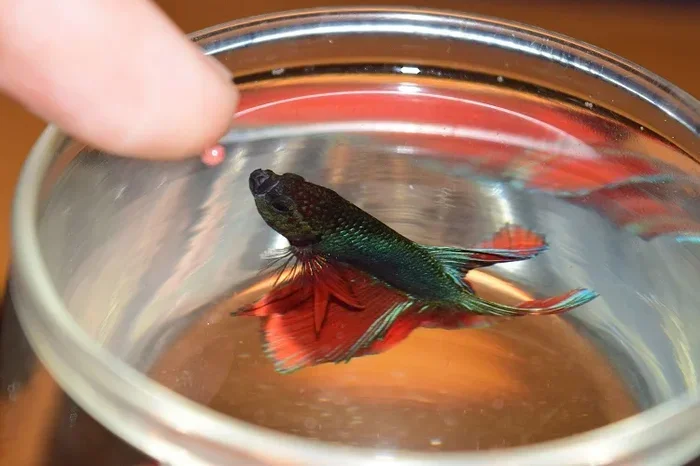
This is the most common reason. Bettas are hungry creatures. They eat small amounts throughout the day. When you put your hand near the tank, your betta might see it as a food source. They do not have great eyesight up close. So they rely on movement to decide what is food and what is not. A moving finger looks like a worm or insect to them. They snap at it before realizing it is not food.
2. Territorial Defense
Bettas are very territorial. In the wild, they defend their space from other fish. When they see something unfamiliar near their tank, they may feel threatened. Your hand entering the tank can trigger this defense response. The fish may bite to protect its space. This is more common in male betta fish, who are naturally more aggressive than females.
3. Stress and Fear
A stressed betta is more likely to bite. Stress comes from many sources. Poor water quality, loud noises, bright lights, and sudden movements can all stress your fish. When a betta feels cornered or scared, biting is its way of saying back off. If your fish tank is in a busy part of your home, your betta may feel constantly on edge.
4. Curiosity and Exploration
Bettas are curious by nature. They like to investigate new things in their environment. Your finger might simply be something new to explore. They may nip gently to see what it is. This type of bite is usually very light and does not cause any discomfort.
What Does a Betta Fish Bite Feel Like?
If you have never been bitten by a betta, you might be surprised. Most owners say the bite is barely noticeable. It feels like a tiny pinch or a light tickle. The bite does not break the skin in most cases. You might not even feel it the first few times. Over time, you will learn to recognize the sensation.
Compare this to other fish. Some fish, like piranhas or cichlids, have much stronger bites. Bettas are nowhere near that level. Their jaw power is very weak. They simply do not have the strength to cause real harm. Even if your betta bites repeatedly, you will likely only feel mild discomfort.
However, there are rare cases where a bite could break the skin. This usually happens if the fish is very hungry or very stressed. A broken skin bite could lead to a minor infection if not cleaned properly. Always wash the area with soap and water if your betta does break the skin. This is good practice for any fish interaction.
How to Safely Handle Your Betta Fish
Handling your betta fish safely is important for both you and your pet. You should never grab or squeeze your fish. This causes stress and can hurt the betta. Instead, use gentle techniques that build trust over time.
Always Wash Your Hands
Before putting your hands near the tank, wash them thoroughly. Soap residue, lotions, and natural oils on your skin can harm your betta. Clean, lukewarm water is best. This also removes bacteria that could make your fish sick. Clean hands protect both you and your pet.
Some owners prefer to wear gloves when cleaning the tank. This is fine, but it may make your betta more nervous. The gloves look unusual and unfamiliar. If you do use gloves, make sure they are clean and free of chemicals. Otherwise, bare clean hands work just fine.
Move Slowly and Calmly
Bettas react to fast movements. Quick hand motions near the tank can scare your fish. Always move slowly and deliberately. Let your betta get used to your presence. Over time, your fish will become more comfortable with your hand near the tank. This reduces the chance of a defensive bite.
Feed by Hand Carefully
Hand feeding is a great way to bond with your betta. But it requires patience. Place a small piece of food between your fingers. Hold it still in the water. Let your betta come to you. Do not chase the fish with food. If your betta does not eat right away, remove your hand slowly. Patience is key here.
Avoid Reaching Into the Tank During Feeding Time
Bettas get excited during feeding. Their natural hunting instincts kick in. Reaching into the tank while they are focused on food increases the chance of a nip. Wait until after feeding to do any tank maintenance or hand interaction.
If you ever need to remove your betta from the tank, use a soft net. Never use your bare hands to catch a betta. A net is safer for both you and the fish. It also reduces stress on the betta, which means fewer bites overall.
Can a Betta Fish Bite Cause Any Real Harm?
The honest answer is no. A betta fish bite is not dangerous. The teeth are too small and the jaw too weak to cause serious injury. You will not lose a finger or need stitches from a betta bite. The worst-case scenario is a tiny scratch that heals on its own within a day or two.
Still, it is smart to take precautions. If your betta does break the skin, clean the area right away. Use mild soap and water. Apply an antiseptic if you want to be extra careful. Watch for signs of infection like redness, swelling, or warmth. These are rare, but they can happen with any minor scratch.
For people with compromised immune systems or allergies, extra caution is always wise. If you have any concerns about a fish bite, talk to a doctor. But for most people, a betta bite is nothing more than a minor curiosity.
On the other side of things, the bite is also not harmful to the betta. When your fish bites your finger, it does not hurt the fish either. Their teeth are not strong enough to damage human skin, and your hands do not harm them either. This makes hand interaction a safe activity for both parties when done correctly.
Betta Fish Bites vs. Fin Nipping
It is important to understand the difference between biting and fin nipping. Fin nipping happens when a betta bites its own fins or the fins of another fish. This is a different behavior than biting your hand. Fin nipping is often a sign of stress, boredom, or poor water conditions.
If you notice your betta nipping its own fins, check the tank environment. Is the water clean? Is the temperature stable? Does the fish have enough space? These factors all play a role in fin nipping behavior. Adding plants and hiding spots can reduce stress and stop fin nipping. You can also read about saving a betta fish from dying to learn more about keeping your fish healthy and stress-free.
If you have other fish in the tank, fin nipping can become a bigger problem. Some fish species are more prone to fin nipping than others. Understanding which fish can live with a male betta helps you create a peaceful tank environment where fin nipping is less likely to occur.
Common Mistakes That Lead to Betta Bites
Most betta bites happen because of simple mistakes. Avoiding these common errors keeps both you and your fish safe.
- Reaching into the tank too quickly: Sudden movements startle your betta and trigger a defensive bite.
- Ignoring tank cleanliness: Dirty water stresses your fish and makes them more aggressive.
- Overfeeding or underfeeding: A hungry betta is more likely to mistake your finger for food. An overfed betta becomes irritable.
- Placing the tank in a high-traffic area: Constant noise and movement keep your betta on edge.
- Using soap or chemicals on your hands: Residue can irritate your betta and cause a stress response.
- Teasing or provoking your fish: Tapping on the glass or chasing your betta is never a good idea.
By avoiding these mistakes, you create a calm environment where your betta feels safe. A relaxed fish is a fish that is less likely to bite.
Expert Insights on Betta Fish Handling
Experienced betta owners and aquatic specialists agree on a few key principles. First, always respect your fish’s space. Bettas need room to swim and explore. A tank that is too small causes chronic stress. Second, observe your fish’s body language. A betta that flares its gills or hides in corners is telling you it is uncomfortable. Third, be patient. Building trust with a betta takes time. Some bettas warm up to their owners within weeks. Others take months.
If you are new to betta keeping, start with simple interactions. Let your fish get used to your presence. Sit by the tank and read or talk softly. This helps your betta associate your voice and presence with calm, safe experiences. Over time, you can try gentle hand feeding and light tank interaction.
Remember that every betta has a unique personality. Some are bold and curious. Others are shy and reserved. Understanding your individual fish’s temperament helps you interact in ways that feel natural and safe for both of you. If you ever feel unsure about your betta’s behavior, consult a veterinarian who specializes in fish health.
Conclusion
So, can a betta fish bite you? Yes, they can. But the risk is very low, and the harm is minimal. Bettas have tiny teeth designed for crushing small food particles, not for hurting humans. Most bites feel like a light tickle or a tiny pinch. Serious injuries from a betta bite are extremely rare.
The key to safe interaction is understanding your fish. Learn what triggers biting behavior. Move slowly, keep your hands clean, and respect your betta’s space. A well-cared-for betta in a clean, comfortable tank is a happy betta. And a happy betta is much less likely to bite.
Handling your betta fish can be a rewarding experience. It builds trust and strengthens the bond between you and your pet. With the tips in this guide, you now have the knowledge to interact safely and confidently. Enjoy your time with your betta, and remember that patience and gentle care go a long way.
Frequently Asked Questions
Do betta fish bite hurt?
Most betta bites do not hurt at all. The sensation is usually a tiny pinch or a light tickle. Their teeth are very small and their jaw power is weak. In rare cases where the skin is broken, you might feel slight discomfort, but serious pain is extremely uncommon.
Why did my betta fish bite my finger?
Your betta likely mistook your finger for food or felt threatened by your hand entering the tank. Bettas have limited close-up vision and react to movement. If your finger moved like food or startled the fish, a defensive or feeding nip is the natural response.
Can a betta fish bite break the skin?
It is possible but very rare. A betta bite can break the skin only if the fish bites hard and the teeth catch on a rough area. Most bites do not penetrate the skin. If the skin does break, wash the area with soap and water and apply antiseptic to prevent infection.
Are betta fish aggressive toward humans?
No, betta fish are not aggressive toward humans by nature. They may bite when they feel threatened, stressed, or confused. Proper handling, clean water, and calm movements help prevent biting behavior and build a trusting relationship with your fish.
How can I stop my betta from biting me?
Move slowly near the tank, wash your hands before reaching in, and avoid sudden movements. Feed your betta on a regular schedule so it is not overly hungry. Over time, your betta will learn that your hand is not a threat or a food source, reducing the chance of bites.
Is it safe to hand-feed my betta fish?
Yes, hand feeding is safe and a great way to bond with your betta. Place a small piece of food between your fingers and hold it still in the water. Let the fish come to you. Avoid fast movements and be patient. If the fish does not eat right away, remove your hand slowly.