Are Pothos Toxic to Betta Fish
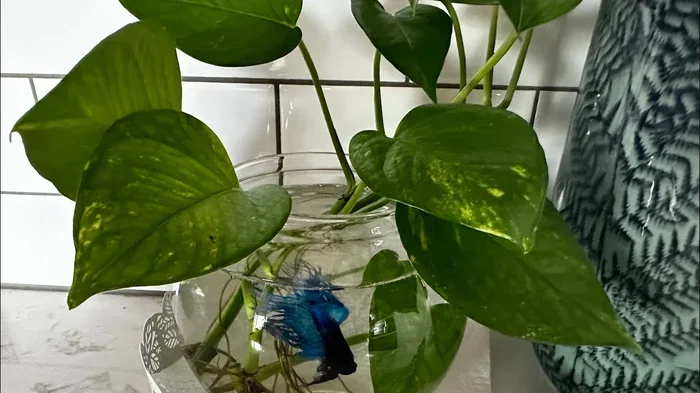
Are pothos toxic to betta fish? The good news is that pothos plants are generally safe for betta fish tanks when used correctly. This guide covers everything you need to know about keeping pothos in your betta aquarium, including potential risks, proper setup, and expert tips to ensure your fish stays healthy and happy.
Key Takeaways
- Pothos plants are not toxic to betta fish and can actually help improve water quality by absorbing nitrates.
- The toxic component in pothos is calcium oxalate, which is mostly contained in the leaves and stems, not the roots.
- Keeping pothos roots submerged while leaving leaves above water is the safest setup for a betta tank.
- Always rinse pothos plants thoroughly before adding them to your aquarium to remove any pesticide residue.
- Pothos can serve as a natural water filter and provide hiding spots that reduce betta fish stress.
- Monitor water parameters regularly when introducing any new plant to your betta tank.
- Alternatives like pothos-safe plant arrangements offer similar benefits with minimal risk.
📑 Table of Contents
- Are Pothos Toxic to Betta Fish? The Complete Guide
- What Makes Pothos Plants Safe for Betta Fish?
- Are Pothos Toxic to Betta Fish? Breaking Down the Facts
- How to Safely Add Pothos to Your Betta Tank
- Common Mistakes When Using Pothos in Betta Tanks
- Pothos vs. Other Safe Plants for Betta Fish
- Benefits of Pothos Plants Beyond Toxicity Safety
- What to Do If Your Betta Fish Shows Signs of Distress
- Final Thoughts
Are Pothos Toxic to Betta Fish? The Complete Guide
If you are a betta fish owner, you have probably wondered about adding plants to your tank. Pothos plants are popular choices for aquariums. They look great and are easy to care for. But the big question remains: are pothos toxic to betta fish? The short answer is no. Pothos plants are generally safe for betta fish. However, there are some important things you need to know before dropping one into your tank.
Many fish keepers love pothos because they help clean the water. They absorb nitrates and other harmful chemicals. This can make your betta’s environment much healthier. But safety is not just about toxicity. It is also about how you set things up. A wrong setup can cause problems even with safe plants. This guide walks you through everything you need to know.
We will cover what makes pothos plants safe, how to set them up correctly, and what risks to watch for. By the end, you will feel confident about adding pothos to your betta tank. Let us dive in.
What Makes Pothos Plants Safe for Betta Fish?
Pothos plants belong to the Araceae family. This family includes many common houseplants. Some members of this family can be toxic. So it is natural to worry. But pothos are different from many of their relatives when it comes to aquarium safety.
Understanding Calcium Oxalate
Pothos plants contain calcium oxalate crystals. These are found mainly in the leaves and stems. When consumed in large amounts, they can cause irritation. But here is the key point: betta fish do not typically eat pothos leaves. They may nibble occasionally, but they do not consume enough to cause harm. The roots of the pothos plant are where the real benefit lies. They sit in the water and absorb nutrients that would otherwise harm your fish.
How Pothos Improves Water Quality
Pothos roots work like natural filters. They absorb ammonia, nitrites, and nitrates from the water. These are the same compounds that build up in fish tanks and can make your betta sick. By removing these toxins, pothos plants create a cleaner and healthier environment. This is why many experienced fish keepers recommend them.
If you are new to aquarium plants, you might also want to check out are betta fish easy to care for for more general care tips that complement plant keeping.
Are Pothos Toxic to Betta Fish? Breaking Down the Facts
Let us get specific about the toxicity question. Many people confuse “toxic to humans” with “toxic to fish.” These are two very different things. A plant that is mildly irritating to human skin might be completely fine for fish. Here is what the science tells us.
The Role of Root Submersion
The safest way to keep pothos in a betta tank is to let the roots hang in the water while keeping the leaves above the surface. This setup prevents any plant material from falling into the tank and being ingested. It also ensures the roots can do their job filtering the water. When leaves sit in the water too long, they may start to rot. Rotting plant matter can spike ammonia levels, which is dangerous for betta fish.
What About the Sap?
Pothos plants produce a sap that can irritate human skin. If you handle pothos frequently, you might notice mild redness or itching. But this sap does not dissolve into the water in harmful amounts. Your betta fish is not affected by the sap the way your hands might be. Still, it is a good idea to wash your hands after handling pothos plants, especially before reaching into your tank.
Some fish keepers also ask about betta fish sensitivity to water temperature when adding new plants. Temperature changes during plant introduction can stress your fish, so always acclimate slowly.
How to Safely Add Pothos to Your Betta Tank
Now that you know pothos are safe, let us talk about how to add them properly. The setup matters just as much as the plant itself. A bad introduction can cause problems even with the safest plants.
Step-by-Step Setup Guide
- Choose a healthy pothos plant. Look for one with bright green leaves and no signs of disease or pest damage. Avoid plants that look wilted or have yellowing leaves.
- Rinse the roots thoroughly. This removes any pesticide residue, fertilizer, or dirt. Use clean, dechlorinated water for rinsing. Never use tap water directly, as chlorine can harm your fish.
- Place the roots in the tank. You can drape the roots over the back of the tank or tuck them into the substrate. The key is to keep the roots submerged while the leaves stay above water.
- Secure the plant if needed. Some fish keepers use suction cups or plant weights to hold the pothos in place. This prevents the plant from shifting or falling into the tank.
- Monitor your betta for the first few days. Watch for any signs of stress or unusual behavior. Most bettas ignore the plant entirely, but some may investigate.
Quick Tips for Success
- Never let pothos leaves sit below the waterline for extended periods.
- Trim any dead or dying leaves regularly to prevent decay.
- Use dechlorinated water when rinsing the plant.
- Place the pothos where your betta cannot easily pull it into the tank.
- If your betta tries to eat the leaves, remove the plant and try again later.
Common Mistakes When Using Pothos in Betta Tanks
Even safe plants can cause problems if you make common mistakes. Here are the errors most fish keepers make when adding pothos to a betta tank.
Mistake 1: Submerging the Entire Plant
This is the number one mistake. Some people drop the whole pothos plant into the tank, leaves and all. The leaves will eventually rot. Rotting leaves release harmful compounds back into the water. This can spike ammonia and nitrate levels, putting your betta at risk. Always keep the leaves above the waterline.
Mistake 2: Skipping the Rinse
Store-bought pothos plants are often treated with fertilizers and pesticides. These chemicals can leach into your tank water and harm your fish. Always rinse the roots thoroughly before adding them to the aquarium. A quick rinse with dechlorinated water is all it takes.
Mistake 3: Ignoring Water Parameters
Adding a pothos plant changes your tank’s chemistry. The plant absorbs nutrients that would otherwise accumulate. This is good, but it also means your water parameters may shift. Test your water regularly after adding pothos. If you notice sudden changes, do a partial water change. For more on maintaining water quality, check out are betta fish supposed to have a filter for insights on overall tank maintenance.
Mistake 4: Overcrowding the Tank
One pothos plant is enough for most betta tanks. Adding too many plants can reduce light penetration and limit swimming space. Betta fish need room to move around. Keep the plant placement minimal and strategic.
Pothos vs. Other Safe Plants for Betta Fish
Pothos is not the only plant safe for betta fish. There are several other options that offer similar benefits. Let us compare pothos with some popular alternatives.
| Plant | Toxic to Betta? | Water Filtration | Ease of Care |
|---|---|---|---|
| Pothos | No | Excellent | Very Easy |
| Java Fern | No | Good | Easy |
| Anubias | No | Good | Very Easy |
| Amazon Sword | No | Moderate | Moderate |
| Hornwort | No | Excellent | Easy |
Each plant has its strengths. Pothos stands out for its powerful nitrate absorption. Java fern and anubias are great low-light options. Hornwort grows fast and provides excellent cover for betta fish. You can mix and match these plants to create a beautiful and safe environment.
If you are curious about other plant options, you might want to read about are pothos plants safe for betta fish for a deeper dive into pothos specifically.
Benefits of Pothos Plants Beyond Toxicity Safety
Pothos plants offer several benefits that go beyond just being non-toxic. These advantages make them a favorite among betta fish keepers.
Natural Aesthetic Appeal
Pothos vines create a lush, green look in any aquarium. The trailing roots add a natural, jungle-like feel to your tank. This can make your betta feel more secure and reduce stress. A stressed betta is more prone to illness and behavioral problems. A beautiful tank setup contributes to overall fish health.
Reduced Algae Growth
Because pothos absorbs nutrients from the water, it starves algae of the food it needs to grow. Many fish keepers notice less algae after adding pothos to their tank. This means less maintenance for you and a cleaner environment for your betta.
Behavioral Enrichment
Betta fish are curious by nature. They like to explore their surroundings. Pothos roots and leaves provide new things to investigate. This mental stimulation can improve your betta’s overall well-being. Some bettas even build bubble nests near pothos roots.
What to Do If Your Betta Fish Shows Signs of Distress
Even with safe plants, your betta might show signs of discomfort. It is important to know what to look for and how to respond.
If your betta starts gasping at the surface, rubbing against decorations, or hiding more than usual, something may be wrong. Check your water parameters first. Ammonia and nitrite levels should be at zero. Nitrates should be below 20 ppm. If your water tests fine, consider whether the pothos might be the issue. Remove the plant temporarily and see if your betta improves.
Sometimes the problem is not the plant itself but the introduction process. Sudden changes in water chemistry can stress fish. Always acclimate your tank slowly when making any additions. For more information on betta fish health and behavior, read are betta fish sensitive to artificial light for tips on other environmental factors that affect betta well-being.
Final Thoughts
So, are pothos toxic to betta fish? The answer is a clear no. Pothos plants are safe, beneficial, and easy to care for in a betta tank. They improve water quality, reduce algae, and create a beautiful natural environment. As long as you keep the leaves above water and rinse the roots before adding them, you and your betta can enjoy all the benefits pothos has to offer.
Remember that every tank is different. What works perfectly for one fish keeper might need slight adjustments for another. Pay attention to your betta’s behavior and your water parameters. With a little care and attention, pothos can become a wonderful addition to your betta aquarium. Happy fish keeping.
Frequently Asked Questions
Can betta fish eat pothos leaves?
Betta fish may nibble on pothos leaves occasionally, but they do not eat enough to cause harm. The calcium oxalate crystals in pothos are mostly contained in the leaves, and the small amounts ingested are not toxic to betta fish. If your betta eats a lot of leaves, consider trimming them back.
How long does it take for pothos roots to clean betta tank water?
Pothos roots start absorbing nitrates within the first few days of being submerged. However, noticeable improvements in water clarity usually take two to four weeks. The plant needs time to establish a healthy root system in the tank environment.
Can I use pothos from my garden in my betta tank?
Yes, but you must rinse the roots thoroughly first. Garden pothos may carry pesticides, fertilizers, or parasites that can harm your fish. Always wash the plant with dechlorinated water and inspect it for any pests before adding it to your aquarium.
Is the pothos sap dangerous to betta fish?
No, the sap is not dangerous to betta fish in any meaningful way. While the sap can irritate human skin, it does not leach into the water in concentrations that would harm your fish. If you are concerned, simply wear gloves when handling the plant before adding it to your tank.
Can pothos plants cause algae blooms in betta tanks?
No, pothos plants actually help reduce algae growth. They absorb the same nutrients that algae feed on, effectively starving algae before it can take hold. Keeping your pothos healthy and well-maintained is one of the best natural ways to control algae in a betta tank.
What other plants are safe to pair with pothos in a betta tank?
Java fern, anubias, and hornwort are all excellent companions for pothos in a betta tank. These plants are also non-toxic and offer different benefits. Combining them creates a diverse, visually appealing, and healthy environment for your betta fish.