Is Flax Seed Better Than Fish Oil
The answer isn’t simple—it depends entirely on your body, diet, and goals. Flax seed provides ALA, a plant-based omega-3 that must be converted into active EPA and DHA, a process humans are poor at. Fish oil delivers ready-to-use EPA and DHA directly. For heart health and inflammation, fish oil is generally more potent. For vegans, sustainability, and fiber, flax seed wins. The “better” choice hinges on whether you prioritize direct, potent omega-3s (fish oil) or a whole-food, plant-based source with additional benefits (flax seed).
So, you’ve heard you need omega-3 fatty acids. Maybe your doctor mentioned it. Maybe you read about brain health or inflammation. And now you’re standing in the supplement aisle or staring at your grocery list, wondering: Is flax seed better than fish oil? It’s a fantastic question, and the honest answer is one you hear from nutritionists all the time: It depends. There is no universal “better.” There is only the better choice for you, based on your body’s unique needs, your diet, your ethics, and your health goals. Let’s break down the science, the benefits, the drawbacks, and the practical realities of these two popular omega-3 sources. By the end, you’ll have a clear, personalized answer.
Key Takeaways
- Different Omega-3s: Flax seed is rich in ALA (plant-based), while fish oil provides EPA and DHA (marine-based), which are the active forms your body uses most directly.
- Conversion is Key (and Poor): Humans inefficiently convert ALA to EPA/DHA (often <10%), making flax seed a less reliable source for the specific benefits tied to EPA/DHA.
- Beyond Omega-3s: Flax seed offers fiber, lignans, and protein; fish oil does not. For digestive health and phytoestrogen benefits, flax seed is superior.
- Bioavailability & Potency: Fish oil’s EPA/DHA are immediately usable, offering stronger, faster effects for lowering triglycerides, reducing inflammation, and supporting brain/mood.
- Dietary & Ethical Choice: Flax seed is vegan, allergen-friendly, and generally more sustainable. Fish oil can contain pollutants and isn’t suitable for vegans or those with fish allergies.
- Quality Matters for Both: Fresh, cold-milled flax seed and high-quality, molecularly distilled fish oil are essential to avoid rancidity and contaminants.
- It’s Not Mutually Exclusive: Many health experts suggest combining both for a balanced approach, especially for those not eating fatty fish twice weekly.
📑 Table of Contents
The Omega-3 Family Tree: ALA, EPA, and DHA Explained
To understand this debate, we must first understand the family. Not all omega-3s are created equal. The three most important ones are:
- Alpha-linolenic acid (ALA): The plant-based parent omega-3. Found in flax seeds, chia seeds, hemp seeds, and walnuts.
- Eicosapentaenoic acid (EPA): The anti-inflammatory powerhouse. Primarily found in marine sources like fatty fish (salmon, mackerel, sardines) and fish oil.
- Docosahexaenoic acid (DHA): The structural fat for your brain, eyes, and nervous system. Also primarily from marine sources.
Think of ALA as the raw ingredient. Your body has a limited ability to convert ALA into the active, usable forms—EPA and DHA. This conversion process is like a factory with a tiny, slow production line. Fish oil, on the other hand, delivers EPA and DHA directly to your bloodstream, bypassing that inefficient factory entirely. This fundamental difference is the core of the flax seed vs. fish oil conversation.
The Crucial Conversion Rate: Why ALA Isn’t a Direct Swap
Studies consistently show that the human body is terrible at converting ALA to EPA and especially to DHA. The average conversion rate is estimated to be:
- ALA to EPA: ~5-10%
- ALA to DHA: ~0-5% (often less than 1% in men)
This means if you eat 1 tablespoon of ground flax seed (containing about 2.4g of ALA), you might be lucky to get 0.12g of EPA and a negligible amount of DHA. To put that in perspective, a standard 1,000mg fish oil capsule typically provides 180mg of EPA and 120mg of DHA. You’d need to eat a lot of flax seed to match the EPA/DHA in a small fish oil capsule. For health outcomes directly linked to EPA/DHA—like lowering triglycerides, supporting brain cognition, and reducing specific inflammatory markers—flax seed is an unreliable source due to this conversion bottleneck.
Fish Oil: The Direct-Action EPA/DHA Powerhouse
Fish oil is the most direct, potent, and researched source of the two most biologically important omega-3s: EPA and DHA. It’s the gold standard for raising your omega-3 index—a blood test that measures EPA and DHA levels in your cell membranes, which is a strong predictor of heart health and overall mortality risk.
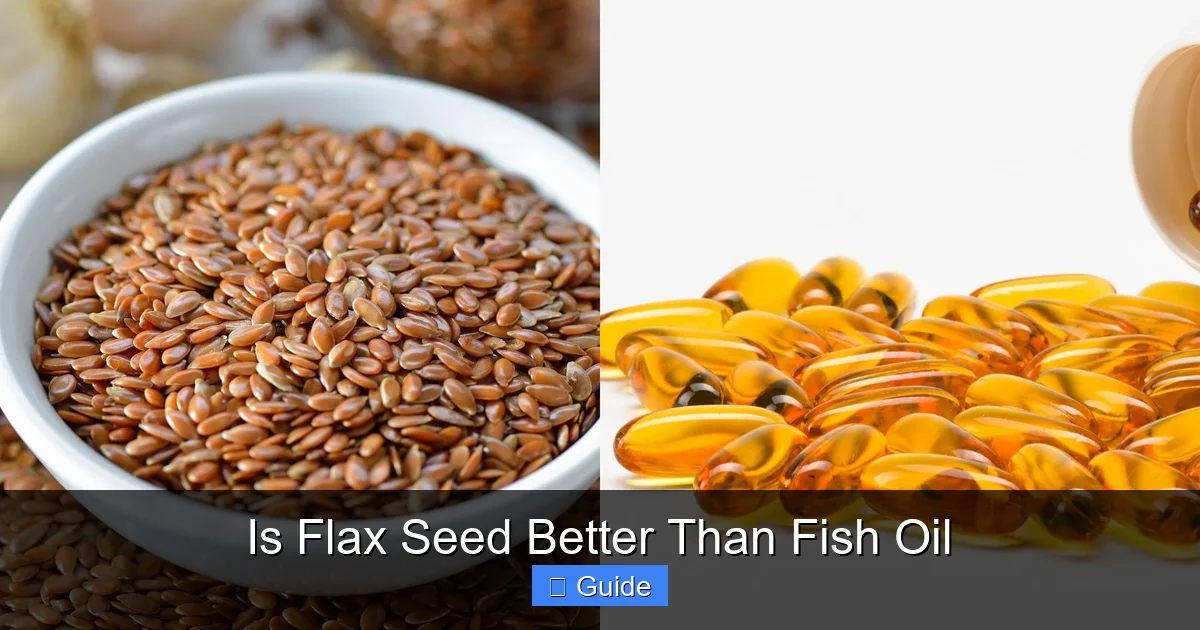
Visual guide about Is Flax Seed Better Than Fish Oil
Image source: zotezo.com
Primary Benefits Backed by Strong Evidence
- Cardiovascular Health: The evidence for fish oil’s EPA/DHA in reducing triglycerides, lowering blood pressure slightly, and preventing arrhythmias is robust. The American Heart Association recommends 1g daily of EPA/DHA for patients with coronary heart disease.
- Anti-Inflammatory Action: EPA is a precursor to resolvins and protectins, specialized pro-resolving mediators (SPMs) that actively turn off inflammation. This is crucial for conditions like rheumatoid arthritis, where studies show fish oil can reduce joint pain and stiffness.
- Brain & Mental Health: DHA is a major structural fat in the brain. Higher intake and blood levels are associated with reduced risk of cognitive decline, Alzheimer’s, and depression. The direct delivery is key here.
- Pregnancy & Infant Development: DHA is critical for fetal brain and retinal development. Supplementation during pregnancy and lactation is widely recommended by obstetricians.
The Practical and Potential Downsides of Fish Oil
It’s not all smooth sailing. The main concerns with fish oil are:
- Rancidity (“Fish Burps”): Low-quality oils can oxidize, becoming rancid. This causes unpleasant aftertastes, burps, and may actually promote inflammation—the opposite of what you want. Always choose brands that use molecular distillation and provide a “freshness test” (like a “taste test” or third-party oxidation ratings from IFOS or GOED).
- Contaminants: Ocean pollution means fish can harbor mercury, PCBs, and dioxins. Reputable manufacturers purify their oils to remove these. Look for “molecularly distilled” and third-party certifications.
- Dietary Restrictions: Not suitable for vegans or those with fish/shellfish allergies.
- Sustainability: Overfishing is a real concern. Look for oils certified by Friend of the Sea (FOS) or derived from smaller, sustainable fish like anchovies and sardines.
Flax Seed: The Whole-Food, Plant-Based Champion
Flax seed (or linseed) is a nutritional powerhouse in its own right, but for different reasons. It’s not primarily an EPA/DHA source; it’s an ALA and whole-food fiber source. Calling it an “omega-3 supplement” is a bit misleading—it’s a food.
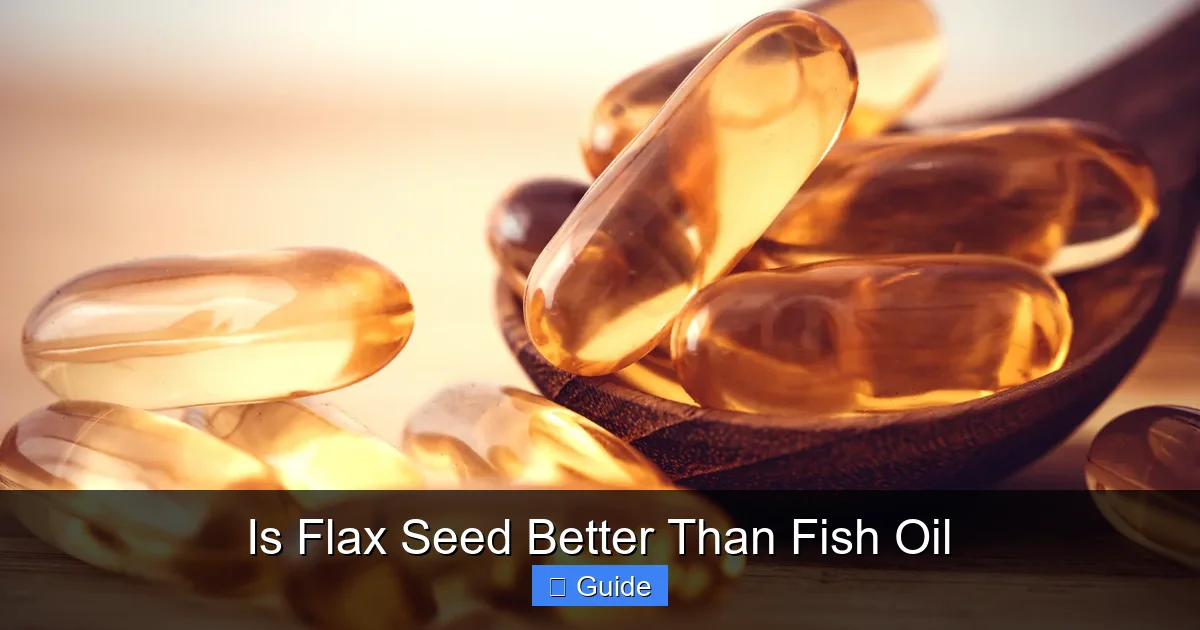
Visual guide about Is Flax Seed Better Than Fish Oil
Image source: iwilife.com
What Flax Seed Truly Offers (Beyond ALA)
- Lignans: Flax seed is the richest known dietary source of lignans, a type of phytoestrogen with antioxidant properties. They may help balance hormones, reduce risk of certain cancers (like breast and prostate), and support heart health.
- Dietary Fiber: A single tablespoon of ground flax seed provides about 2g of fiber—both soluble and insoluble. This aids digestion, promotes satiety (feeling full), feeds beneficial gut bacteria, and helps regulate blood sugar and cholesterol.
- Protein & Micronutrients: It contains plant protein, magnesium, potassium, and B vitamins.
- ALA Itself: While conversion is poor, ALA still has independent benefits. Some studies link ALA intake to a lower risk of heart disease and stroke, possibly through its own metabolic pathways and effects on cell membranes.
Critical Flax Seed Hacks: How to Use It Correctly
If you choose flax seed, you must do it right, or you get almost nothing.
- MUST BE GROUND: Whole flax seeds pass through your digestive system mostly intact. You need to grind them to access the nutrients inside. Use a small coffee grinder or buy pre-ground (“milled”) flax seed. Grind fresh for best results.
- Store in the Fridge: The delicate oils in flax seed oxidize (go rancid) quickly when exposed to light, heat, and air. Store ground flax seed in an airtight container in the refrigerator. Use within 2-3 weeks. Whole seeds last longer (up to a year) because the hard shell protects the oil.
- Start Small: The high fiber content can cause bloating or gas if you’re not used to it. Start with 1 teaspoon per day and gradually increase to 1-2 tablespoons.
- Hydrate, Hydrate, Hydrate: Drink plenty of water with your flax seed to help the fiber move through your system and prevent constipation.
The Flip Side: Flax Seed’s Limitations
- Poor EPA/DHA Conversion: This is the biggest limitation for those seeking the specific brain, eye, and potent anti-inflammatory benefits of EPA/DHA.
- Caloric Density: It’s a calorie-dense food. Two tablespoons is about 70 calories, which matters if you’re watching your weight.
- Medication Interactions: The high omega-3 content can have a mild blood-thinning effect. If you’re on blood thinners (warfarin, etc.), consult your doctor before consuming large amounts regularly.
- Phytoestrogen Effects: While generally considered safe and beneficial, those with hormone-sensitive conditions (like some breast cancers) may wish to discuss high lignan intake with their oncologist.
Head-to-Head: The Direct Comparison
Let’s settle this with a clear, side-by-side look at the key decision factors.
Visual guide about Is Flax Seed Better Than Fish Oil
Image source: ultimatesupsg.com
For Heart Health & Lowering Triglycerides
Winner: Fish Oil (by a mile). The FDA has even approved prescription fish oil (Lovaza, Vascepa) for treating very high triglycerides. The evidence for EPA/DHA directly lowering triglycerides is overwhelming and dose-dependent. Flax seed’s ALA has a much weaker, indirect effect.
For Brain Function, Mood, and Cognitive Protection
Winner: Fish Oil. Your brain is ~60% fat, and DHA is the most abundant omega-3 in it. For supporting cognitive function throughout life, mood regulation (depression), and neuroprotection, direct DHA from fish or algae oil is superior. ALA simply cannot reliably supply the DHA your brain needs.
For General Inflammation & Arthritis
Winner: Fish Oil (for potent, targeted relief). EPA’s conversion to anti-inflammatory resolvins is direct and powerful. Many rheumatoid arthritis studies showing symptom reduction used fish oil. Flax seed may offer mild anti-inflammatory benefits through ALA and lignans, but it’s not comparable for clinical inflammation.
For Digestive Health & Fiber Intake
Winner: Flax Seed (exclusively). Fish oil has zero fiber. If you need to boost your daily fiber intake for gut health, regularity, or feeding your microbiome, ground flax seed is a fantastic choice.
For Vegans, Vegetarians, and Sustainability
Winner: Flax Seed. It’s a plant, period. It aligns with vegan/vegetarian ethics and has a far lower environmental footprint than industrial fishing or fish farming. For a vegan omega-3 source that provides some EPA/DHA, look into algae oil—the original source where fish get their omega-3s. Algae oil provides pre-formed DHA and EPA in a vegan capsule.
How to Choose: Your Personal Decision Guide
Forget “better.” Ask yourself these questions:
- Do you eat fatty fish (salmon, sardines, mackerel) at least twice a week? If YES, you likely don’t need a supplement. You’re probably getting sufficient EPA/DHA. You might still use flax seed for its fiber and lignans.
- Are you vegan or vegetarian? If YES, your primary choice is between flax seed (ALA) and algae oil (EPA/DHA). For direct brain/heart benefits, algae oil is the clear, vegan choice. Flax seed is for whole-food nutrition and ALA.
- What is your primary health goal?
- Lowering sky-high triglycerides, managing rheumatoid arthritis, supporting brain health/mood: Choose fish oil (or algae oil if vegan).
- Improving digestion, increasing fiber, general wellness, hormone balance: Flax seed is an excellent addition.
- Do you have a sensitive stomach or dislike “fish burps”? Choose a high-quality, enteric-coated fish oil or switch to flax seed/algae oil.
- Are you pregnant, breastfeeding, or planning to be? DHA is non-negotiable for fetal brain development. You need a direct source. Choose fish oil from a reputable, purified brand or algae oil.
The Hybrid Approach: Not Either/Or
Many smart nutrition strategies involve both. For example:
- Eat fatty fish twice a week + use 1 tbsp of ground flax seed daily in your oatmeal or smoothie for fiber.
- Use algae oil capsules for guaranteed DHA/EPA (vegan) + sprinkle flax seed on salads for lignans and fiber.
- Take a high-quality fish oil capsule for your EPA/DHA base, and also incorporate flax, chia, and walnuts for ALA and whole-food benefits.
This covers all bases: direct EPA/DHA, ALA, fiber, lignans, and food-first nutrition.
Final Verdict: Context is Everything
So, is flax seed better than fish oil? No, but it’s not worse—it’s different. It’s like asking if a hammer is better than a screwdriver. It depends on what you’re trying to build.
Fish oil is the specialized tool. It’s for specific, high-stakes jobs requiring EPA and DHA: heart disease prevention, treating high triglycerides, managing inflammatory conditions, and supporting optimal brain development and function. Its action is direct and potent.
Flax seed is the multi-tool. It provides a suite of benefits—ALA (with limitations), fiber, lignans, protein—in a whole-food package. It’s fantastic for general wellness, digestive health, and as a plant-based omega-3 source, but it cannot replace the targeted power of EPA and DHA for many critical health outcomes.
Your best move: Assess your diet first. If you don’t eat fatty fish, you likely need a direct source of EPA/DHA. Start there—with fish oil or algae oil. Then, consider if you also want the extra fiber and lignan benefits of ground flax seed. That combination is often the most comprehensive and practical strategy for most people seeking to optimize their omega-3 status and overall health.
Frequently Asked Questions
Can I get enough DHA from flax seed alone?
No. The conversion of ALA from flax seed to DHA is extremely inefficient (often less than 5%), making it an unreliable source for meeting DHA needs, especially for brain health. Vegans should consider algae-based DHA supplements.
What’s the best way to take flax seed for omega-3s?
Always use ground flax seed, as whole seeds pass undigested. Store it in the fridge in an airtight container to prevent rancidity. Aim for 1-2 tablespoons daily, mixed into oatmeal, yogurt, smoothies, or baked goods.
Does fish oil have any plant-based alternatives for EPA/DHA?
Yes. Algae oil is the primary plant-based (actually algal) source that provides pre-formed EPA and DHA. It’s sustainable, vegan, and bypasses the conversion issue entirely, making it a direct alternative to fish oil.
Can I take both flax seed and fish oil together?
Absolutely. There’s no known harmful interaction. Many people do this to get the benefits of direct EPA/DHA (from fish/algae oil) along with the fiber and lignans from flax seed. It’s a comprehensive approach.
How can I tell if my fish oil is fresh and not rancid?
Smell and taste it. Rancid oil will have a strong, pungent, “fishy” odor and taste, even in capsule form (bite into one). Also, look for third-party certifications like IFOS or GOED that test for oxidation levels (PV and AV values). Reputable brands will proudly display these.
How much flax seed or fish oil should I take daily?
For general health, aim for 1-2 tablespoons of ground flax seed daily. For fish oil, a common dose is 1,000-2,000 mg of combined EPA and DHA daily. For specific conditions like high triglycerides, doses under medical supervision can be much higher (2,000-4,000 mg). Always check supplement labels for actual EPA/DHA amounts, not just total fish oil.