Is Cod Liver Oil Better Than Omega 3 Fish Oil
Cod liver oil and omega 3 fish oil are both popular supplements for betta fish, but they are not the same. Cod liver oil contains added vitamins A and D along with omega 3 fatty acids, while standard fish oil focuses mainly on EPA and DHA. Choosing the right one depends on your betta fish diet, health goals, and existing nutrition plan.
If you keep betta fish, you have probably wondered about supplements. A healthy diet makes all the difference for these colorful little swimmers. Two popular options sit at the top of every fish keeper’s list: cod liver oil and omega 3 fish oil. But which one is actually better for your betta?
The answer is not as simple as picking one and walking away. Both oils bring something valuable to the table. They each have unique strengths and a few risks you should know about. In this guide, we break it all down so you can make the best choice for your fish.
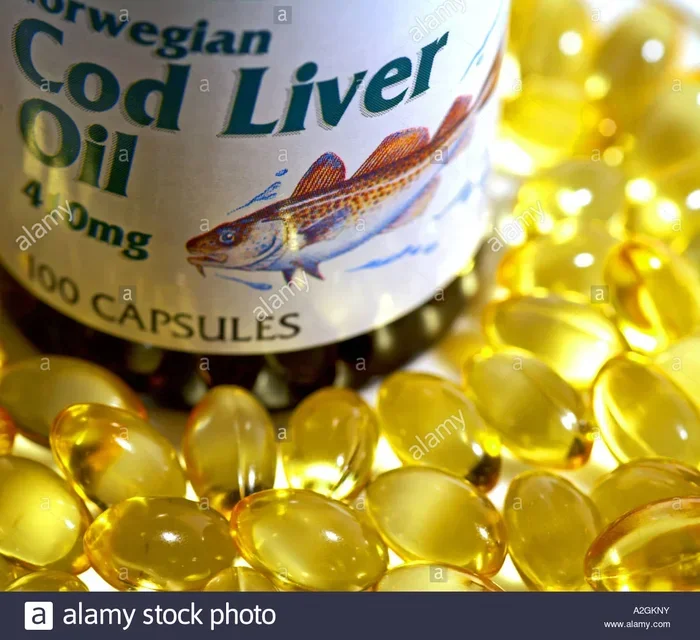
Cod liver oil comes from the liver of cod fish. It is naturally rich in omega 3 fatty acids, but it also packs vitamins A and D. These extra nutrients can be helpful, but they can also cause problems if you give too much. On the other hand, omega 3 fish oil is usually extracted from the whole body of fatty fish like salmon or sardines. It focuses on delivering EPA and DHA, the two most important omega 3 fats for fish health.
So, what should you choose? Let us dive deep into the details and find out.
Key Takeaways
- Cod liver oil offers extra vitamins: It provides vitamins A and D that plain fish oil does not, which can support betta fish immune health and bone development.
- Omega 3 fish oil is more concentrated: Standard fish oil delivers higher levels of EPA and DHA without the risk of vitamin A or D toxicity.
- Dosage matters a lot: Too much cod liver oil can lead to vitamin overdose in small fish like bettas, so careful measuring is essential.
- Both have anti-inflammatory properties: Omega 3 fatty acids from either source help reduce inflammation and support vibrant color in betta fish.
- Quality varies by brand: Always choose purified, fresh, and properly stored supplements for your betta fish tank.
- Consult an aquatic vet: Before adding any new supplement, talk to a fish health expert to match the right option to your betta’s needs.
📑 Table of Contents
- What Is Cod Liver Oil and What Does It Do?
- What Is Omega 3 Fish Oil and How Does It Help Bettas?
- Cod Liver Oil vs Omega 3 Fish Oil: Head-to-Head Comparison
- How to Choose the Right Supplement for Your Betta
- Common Mistakes Fish Keepers Make with Oil Supplements
- Expert Insights on Oil Supplements for Bettas
- Final Thoughts
What Is Cod Liver Oil and What Does It Do?
Where Does Cod Liver Oil Come From?
Cod liver oil is exactly what it sounds like. It is oil pressed from the liver of Atlantic cod. People have used it for centuries as a health supplement. In the aquarium world, many fish keepers use it to boost the nutrition of their betta fish.
The oil contains a good amount of omega 3 fatty acids, especially EPA and DHA. But here is the key difference. Cod liver oil also contains significant levels of vitamin A and vitamin D. These fat-soluble vitamins stay in the body and can build up over time. That is both a benefit and a risk.
Benefits of Cod Liver Oil for Betta Fish
Cod liver oil offers several advantages that plain fish oil may not provide:
- Vitamin A support: Vitamin A helps maintain healthy skin and fins. For betta fish with long, flowing fins, this can make a real difference in appearance.
- Vitamin D for bone health: Vitamin D helps your betta absorb calcium, which supports strong bones and proper growth.
- Immune system boost: The combination of omega 3s and vitamins creates a well-rounded supplement that can help your fish fight off illness.
- Natural anti-inflammatory: The omega 3 content reduces swelling and irritation, which is helpful for fish recovering from injury or infection.
Risks to Watch Out For
Here is where things get tricky. Because cod liver oil contains vitamins A and D, it is easy to overdo it. Betta fish are small. Their bodies cannot process large doses of fat-soluble vitamins. Too much vitamin A can cause liver damage. Too much vitamin D can lead to calcium buildup and organ problems.
This is why dosage control is so important. A few drops go a long way for a betta fish tank. Always start with a tiny amount and watch your fish closely.
What Is Omega 3 Fish Oil and How Does It Help Bettas?
The Basics of Omega 3 Fish Oil
Omega 3 fish oil is a broad term. It usually refers to oil extracted from fatty fish species. Common sources include anchovies, sardines, mackerel, and salmon. The goal is to concentrate the EPA and DHA content, which are the most bioavailable forms of omega 3 for fish.
Unlike cod liver oil, standard fish oil does not come with extra vitamins A and D. This makes it a cleaner, more predictable supplement. You know exactly what you are giving your betta fish, and there is less risk of vitamin toxicity.
Why EPA and DHA Matter for Betta Fish
EPA and DHA are the stars of the omega 3 world. Here is why they matter so much:
- Cell membrane health: Every cell in your betta’s body needs omega 3 fats to stay flexible and function properly.
- Color enhancement: Many betta keepers notice brighter, more vivid colors when their fish receive regular omega 3 supplements.
- Fin repair: Damaged fins recover faster when the fish has access to quality fatty acids.
- Stress reduction: Omega 3s help regulate stress hormones, which keeps your betta calm and healthy.
- Reproductive health: For breeding bettas, omega 3 fish oil can improve fertility and fry survival rates.
How Omega 3 Fish Oil Compares to Other Oils
If you are exploring options, you might also hear about flaxseed oil and krill oil. Flaxseed oil contains ALA, a type of omega 3 that fish convert poorly. Fish oil is generally better than flaxseed oil for bettas because it provides preformed EPA and DHA. Krill oil is another option, but fish oil tends to be more cost-effective and widely available for fish keepers.
Cod Liver Oil vs Omega 3 Fish Oil: Head-to-Head Comparison
Nutritional Breakdown
Let us put the two side by side so you can see the differences clearly.
| Feature | Cod Liver Oil | Omega 3 Fish Oil |
|---|---|---|
| EPA and DHA Content | Moderate | High |
| Vitamin A | Yes, high levels | Little to none |
| Vitamin D | Yes, moderate levels | Little to none |
| Risk of Toxicity | Higher (vitamins A and D) | Lower |
| Best For | Fish needing extra vitamins | General omega 3 supplementation |
| Price Range | Low to moderate | Low to moderate |
| Ease of Dosing | Requires careful measuring | Easier to dose consistently |
Which One Delivers Better Omega 3 Levels?
If your main goal is boosting omega 3 fatty acids, standard fish oil usually wins. It has a higher concentration of EPA and DHA per serving. Cod liver oil does contain these fats, but the added vitamins dilute the overall omega 3 potency.
That said, cod liver oil vs fish oil debates often come down to what else your fish needs. If your betta is on a well-rounded diet and just needs a basic omega 3 boost, plain fish oil is the safer bet. If your fish shows signs of vitamin deficiency, cod liver oil might fill that gap.
Absorption and Bioavailability
Both oils are well absorbed by betta fish. The fatty acids in each form are in a readily usable state. Your betta does not need to convert them, which is a big advantage over plant-based omega 3 sources like flaxseed.
Fish oil absorbs far better than flaxseed oil for bettas because bettas cannot efficiently convert ALA to EPA and DHA. This makes both cod liver oil and standard fish oil superior choices for direct omega 3 delivery.
How to Choose the Right Supplement for Your Betta
Assess Your Fish’s Current Diet
Before adding any supplement, look at what your betta is already eating. High-quality betta pellets and frozen or live foods like brine shrimp provide a solid nutritional foundation. If your fish’s diet is already rich in omega 3 fatty acids, you may not need a heavy supplement.
But if your betta eats mostly dry flakes or low-quality pellets, a supplement can make a real difference. Comparing omega 3 vs fish oil options helps you understand which product fits your fish’s specific gaps.
Consider Your Betta’s Age and Health
Young betta fish growing into their full fins and colors benefit from both types of oil. Senior bettas may need the anti-inflammatory properties of omega 3 to stay comfortable. Fish recovering from illness or injury often do well with a quality fish oil supplement that supports healing without extra vitamin load.
If your betta has a history of liver issues, avoid cod liver oil entirely. The extra vitamin A burden can worsen liver problems in fish that are already compromised.
Quick Tips for Supplementing Your Betta Fish
- Start small: Add just one drop of oil to the water or food per feeding. Observe your fish for 24 hours.
- Mix with food: Soak betta pellets in a tiny amount of oil before feeding. This ensures your fish eats the full dose.
- Store properly: Keep oils in a cool, dark place. Rancid oil can harm your fish, so check expiration dates.
- Limit frequency: Supplement 2 to 3 times per week, not every day. This prevents buildup and keeps things balanced.
- Watch for changes: Look for improved color, better appetite, and active swimming as signs the supplement is working.
Common Mistakes Fish Keepers Make with Oil Supplements
Overdosing
The most common mistake is giving too much oil. More is not better, especially for small fish like bettas. Excess oil can foul your tank water quickly. It also puts unnecessary stress on your fish’s digestive system. Stick to the recommended amount and resist the urge to add extra “just in case.”
Using Low-Quality Products
Not all oils are created equal. Cheap products may be oxidized or contaminated. Always buy from reputable brands that test for purity. High-quality fish oil or omega 3 supplements make a noticeable difference in betta health and longevity.
Ignoring the Full Diet
No supplement can replace a balanced diet. Oil supplements work best as a addition to good food. If your betta’s staple diet is poor, no amount of oil will fix the problem. Focus on quality pellets, varied feeding, and clean water first.
Skipping the Research
Every fish is different. What works for one betta may not work for another. Pay attention to your individual fish. Adjust based on behavior, appearance, and overall health. Do not just follow a generic routine blindly.
Expert Insights on Oil Supplements for Bettas
Aquatic veterinarians and experienced betta breeders often share the same advice: keep it simple and keep it consistent. A high-quality omega 3 fish oil used in moderation is one of the best investments you can make for your betta’s long-term health.
Some experts prefer cod liver oil for breeding colonies because the added vitamins support egg development and fry growth. Others stick with plain fish oil for everyday maintenance because it is safer and easier to manage.
The key is understanding your goal. Are you trying to boost color? Support growth? Aid recovery from illness? Your answer shapes which oil makes the most sense for your situation.
Final Thoughts
Is cod liver oil better than omega 3 fish oil for betta fish? The honest answer is that both have value, but they serve different purposes. Cod liver oil brings extra vitamins that can fill nutritional gaps. Omega 3 fish oil delivers a concentrated dose of the fatty acids your betta needs most.
For most betta fish keepers, a quality omega 3 fish oil is the safer and more effective daily choice. It provides the core benefits without the risk of vitamin buildup. Cod liver oil can be a great occasional supplement or a targeted solution for fish with specific vitamin deficiencies.
Whatever you choose, quality matters. Pick a trusted brand, dose carefully, and watch your betta thrive. Your fish will reward you with vibrant colors, energetic swimming, and a long, healthy life.
Frequently Asked Questions
Can I give my betta both cod liver oil and omega 3 fish oil?
You can, but it is not necessary and increases the risk of vitamin overdose. If you want to use both, alternate them on different days and keep the total dose very small. Most fish keepers find that one quality oil is enough when paired with a balanced diet.
How often should I supplement my betta fish with oil?
Two to three times per week is the general recommendation. Daily supplementation can lead to excess oil in the water and digestive issues. Always pair supplements with a small amount of food so your betta consumes the oil directly.
Is cod liver oil safe for all betta fish?
Cod liver oil is safe for most healthy bettas when dosed correctly. However, fish with liver conditions, vitamin A or D sensitivities, or those on a diet already rich in these vitamins should avoid it. When in doubt, choose plain omega 3 fish oil instead.
What are the signs that my betta needs omega 3 supplements?
Dull coloring, slow fin growth, low energy, and frequent illness can all signal a need for better omega 3 intake. If your betta shows these signs, consider adding a quality oil supplement and improving the overall diet.
Can I use human-grade cod liver oil for my betta fish?
Yes, human-grade cod liver oil works fine as long as it is pure and free from additives. Avoid flavored or processed versions that contain preservatives or artificial ingredients. A few drops are all you need for a betta tank.
Does the type of fish matter when choosing fish oil for bettas?
The source fish matters less than the purity and EPA DHA content. Fish oil from anchovies, sardines, and salmon are all excellent choices. What matters most is that the oil is fresh, properly stored, and free from contaminants like heavy metals.