Betta fish hide for many reasons—stress, water problems, health issues, or simply natural behavior. Identify the cause quickly and adjust tank conditions, diet, and décor to keep your betta happy and visible.
Key Takeaways
- Water quality matters: Poor parameters are a top reason bettas hide.
- Tank size & décor: Too small or overly open tanks can stress a betta.
- Health checks: Illnesses like fin rot or swim bladder disorder make fish seek cover.
- Stress triggers: Aggressive tank mates, bright lights, and sudden changes cause hiding.
- Natural behavior: Some bettas are shy by nature and need extra hiding spots.
- Gradual adjustments: Slowly change temperature, lighting, or décor to avoid shocking the fish.
- Observation is key: Regularly watch for subtle signs that indicate why your betta is hiding.
📑 Table of Contents
- Introduction: When Your Betta Plays Hide‑and‑Seek
- 1. Water Quality – The Silent Culprit
- 2. Tank Size and Setup – Give Your Betta Space to Breathe
- 3. Lighting and Temperature – Finding the Right Balance
- 4. Health Issues – When Hiding Signals Illness
- 5. Stress Triggers – The Social Side of Betta Care
- 6. Natural Personality – Some Betta are Just Shy
- Practical Checklist to Stop Excessive Hiding
- Conclusion: From Hiding to Thriving
Introduction: When Your Betta Plays Hide‑and‑Seek
Imagine coming home after a long day, turning on the aquarium light, and seeing only a dark silhouette or, worse, nothing at all. You might wonder, “why does my betta fish keep hiding?” It’s a common worry for both new and seasoned betta owners. The good news is that most hiding is a sign that something can be improved—not a death sentence.
Betta fish, also known as Siamese fighting fish, are naturally territorial and can be shy. However, excessive hiding often points to stress, water problems, or health issues. In this guide we’ll walk through the most common reasons, how to spot the clues, and practical steps you can take right now to bring your betta back into the spotlight.
1. Water Quality – The Silent Culprit
Why clean water matters
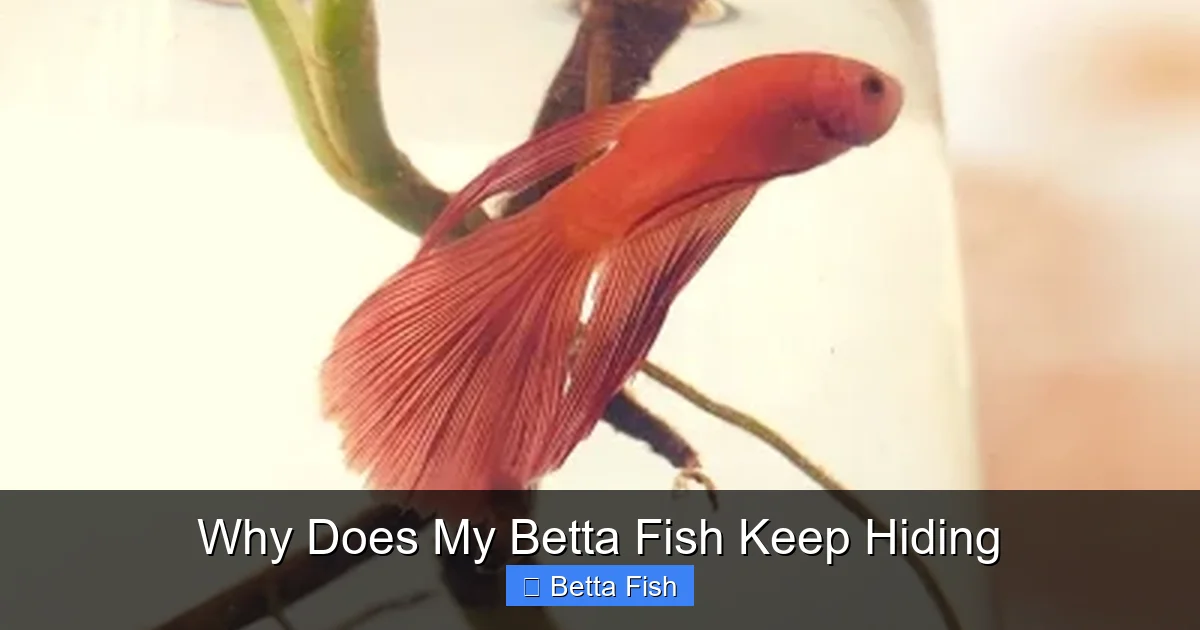
Betta fish are sensitive to ammonia, nitrite, and nitrate spikes. Even a small increase in ammonia (above 0 ppm) can cause irritation, prompting the fish to seek refuge under plants or decorations.
Visual guide about Why Does My Betta Fish Keep Hiding
Image source: infishtank.com
Testing and fixing parameters
- Ammonia & nitrite: Use a liquid test kit weekly. If either reads above 0 ppm, do a partial water change (25‑30%).
- Nitrate: Keep below 20 ppm. Higher levels make fish lethargic and prone to hiding.
- pH & hardness: Aim for pH 6.5‑7.5 and moderate hardness (50‑150 ppm). Sudden swings stress bettas.
Regular water changes (10‑20% every week) and a good filter (even a sponge filter) keep the environment stable. If you’re unsure how to test, check out our article on why is my betta fish water cloudy for more tips.
2. Tank Size and Setup – Give Your Betta Space to Breathe
Minimum tank size
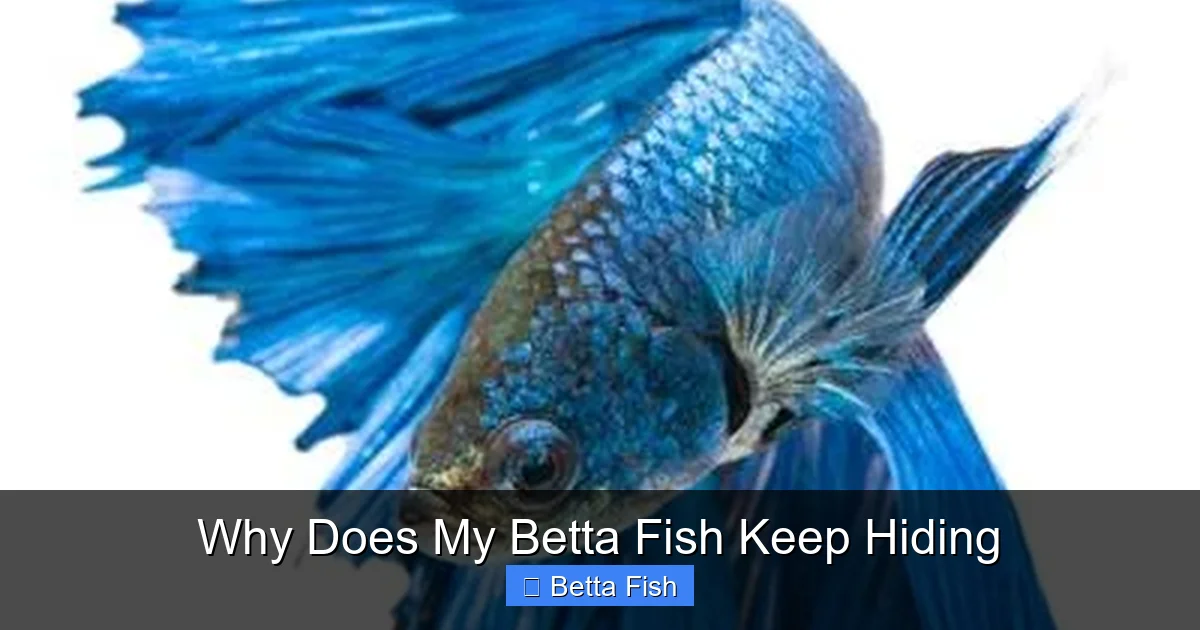
Many beginners keep bettas in 1‑gallon bowls, but the recommended minimum is 5 gallons. A larger tank dilutes waste and provides more room for hiding spots without making the fish feel exposed.
Visual guide about Why Does My Betta Fish Keep Hiding
Image source: infishtank.com
Decor and plants
Live plants like Java fern or Anubias create natural cover. If live plants aren’t an option, silk or smooth plastic plants work well. Avoid sharp ornaments that can tear delicate fins.
Providing a mix of open swimming area and dense cover mimics the betta’s natural habitat—a shallow rice‑paddy with plenty of stalks to dart behind.
3. Lighting and Temperature – Finding the Right Balance
Lighting intensity
Bright, direct light can be overwhelming. Use a dimmable LED or place the tank away from direct sunlight. A 10‑hour light cycle (morning to evening) is ideal.
Temperature stability
Betta fish thrive at 78‑80°F (25‑27°C). Fluctuations of more than 2°F cause stress. A reliable heater with an automatic thermostat is essential. If you notice your betta hiding after a temperature change, double‑check the heater’s accuracy.
4. Health Issues – When Hiding Signals Illness
Common diseases that cause hiding
- Fin rot: Frayed, ragged fins; fish will hide to avoid further damage.
- Swim bladder disorder: Fish floats upside down or drifts to the bottom, seeking the bottom as a safe spot.
- Ich and parasites: White spots and itching make fish seek cover.
When to consult a vet
If hiding is accompanied by loss of appetite, discoloration, or abnormal swimming, seek professional help. For more on health signs, see our guide on why does my betta fish fins look shredded.
5. Stress Triggers – The Social Side of Betta Care
Tank mates
Betta fish are territorial. Even peaceful community fish can cause stress if they’re too active or nippy. If you keep other fish, make sure the tank is at least 10 gallons and provides plenty of visual barriers.
Noise and vibrations
Heavy foot traffic, loud music, or nearby appliances can create vibrations that upset a betta. Place the tank on a stable surface away from speakers.
Handling and sudden changes
Moving the tank, changing décor, or adjusting lighting too quickly can scare a betta. Introduce changes gradually over several days.
6. Natural Personality – Some Betta are Just Shy
Recognizing a naturally reclusive betta
Just like people, some bettas are introverts. If the fish is otherwise healthy, eats well, and shows normal coloration, a bit of hiding may simply be its personality.
Encouraging confidence
- Offer a small “training” routine: gently tap the glass and reward the fish with a tiny treat when it approaches.
- Use a mirror for short periods (2‑3 minutes) to stimulate natural curiosity.
- Gradually reduce the number of hiding spots once the fish seems more comfortable.
Patience is key. Over time, many shy bettas become more visible.
Practical Checklist to Stop Excessive Hiding
- Test water parameters weekly; perform a 25% water change if needed.
- Upgrade to a minimum 5‑gallon tank with a gentle filter.
- Add live or silk plants for natural cover.
- Set a consistent 10‑hour light cycle with moderate brightness.
- Maintain water temperature at 78‑80°F using a reliable heater.
- Observe for signs of disease; treat promptly.
- Limit tank mates to compatible species or keep the betta solo.
- Introduce any changes slowly, over at least 3‑5 days.
Conclusion: From Hiding to Thriving
Seeing your betta fish hide can be unsettling, but it’s also a valuable clue about the health of its environment. By checking water quality, providing adequate space and décor, maintaining stable temperature and lighting, and watching for illness, you can quickly pinpoint why your betta keeps hiding and take corrective action.
Remember, each betta is an individual. Some will always favor a cozy corner, while others love to flaunt their fins. The goal isn’t to force constant visibility but to ensure your fish feels safe enough to explore when it wants to.
Implement the steps above, keep a close eye on behavior, and soon you’ll be rewarded with a vibrant, confident betta swimming proudly in its home.
Frequently Asked Questions
Why is my betta fish hiding only at night?
Betta fish are naturally more active during low‑light periods. If the tank light stays on all night, the fish may retreat to a hiding spot. Dim the lights or use a timer to give a natural day‑night cycle.
Can a betta hide because of aggressive tank mates?
Yes. Even peaceful species can stress a betta if they swim too close. Provide visual barriers or keep the betta in a separate section to reduce stress.
What water parameters should I check when my betta hides?
Test for ammonia, nitrite, nitrate, pH, and temperature. Ammonia or nitrite above 0 ppm, nitrate over 20 ppm, or temperature swings more than 2°F are common triggers.
Is it normal for a betta to hide after a water change?
Sudden changes in temperature or chemistry can startle a betta. Always match the new water’s temperature to the tank and change no more than 25% at a time.
How can I tell if my betta’s hiding is due to illness?
Look for additional signs: loss of appetite, faded colors, ragged fins, or abnormal swimming. If any appear, treat the fish promptly and consider a vet visit.
Will adding more plants help my shy betta feel safer?
Absolutely. Plants create natural cover and reduce the open space that can make a betta feel exposed. Live or silk plants are both effective options.

