Is Krill Oil Better Than Fish Oil
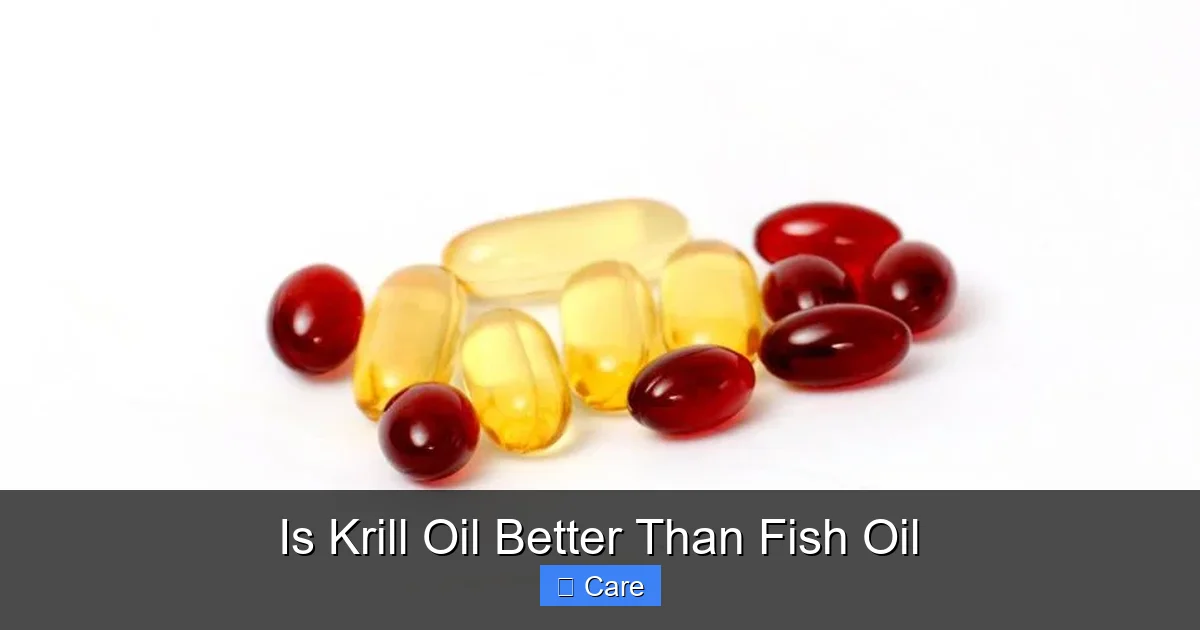
Neither krill nor fish oil is universally superior. Krill oil offers phospholipid-bound omega-3s and astaxanthin but at a higher cost and lower EPA/DHA per serving. Fish oil provides concentrated, affordable omega-3s but may lack phospholipids and requires careful processing to avoid contaminants. Your choice depends on your specific health priorities, budget, and dietary needs.
So, you’re standing in the supplement aisle, staring at two bottles: one says “Krill Oil,” the other “Fish Oil.” Both promise heart health, brain support, and reduced inflammation. But which one actually delivers? And is one truly better than the other? This is a common dilemma, and the honest answer is… it depends. There’s no one-size-fits-all champion. Instead, the right choice aligns with your body’s unique needs, your budget, and even your values around sustainability. Let’s break down the science, the marketing, and the practical realities to help you decide.
First, a quick reality check. Both supplements are valuable sources of omega-3 fatty acids, specifically eicosapentaenoic acid (EPA) and docosahexaenoic acid (DHA). These are essential fats your body can’t make on its own, so you must get them from food or supplements. The average diet is notoriously low in these critical nutrients, which is why supplementation has become so popular. The core question isn’t whether you need omega-3s—it’s which vehicle gets them into your cells most effectively and safely.
In the following sections, we’ll dive deep into the biology of krill and fish oil, compare them head-to-head on key factors like absorption, cost, and purity, and give you a clear framework for making your choice. Think of this as your friendly, no-nonsense guide to navigating the omega-3 aisle.
Key Takeaways
- Omega-3 Form: Krill oil’s omega-3s are bound to phospholipids, while fish oil primarily uses triglycerides or ethyl esters, potentially affecting absorption.
- Absorption Debate: Some studies suggest phospholipid-bound omega-3s from krill may be more efficiently utilized by cells, but evidence isn’t conclusive for everyone.
- Antioxidant Content: Krill oil naturally contains astaxanthin, a potent antioxidant that protects the oil from oxidation and may offer additional benefits.
- Sustainability & Cost: Krill oil is typically more expensive and its harvest is regulated due to ecological concerns; fish oil varies widely in sustainability and is generally more affordable.
- Allergen & Purity: Krill is a shellfish, posing risk for shellfish allergies; high-quality fish oil is molecularly distilled to remove contaminants like mercury.
- Potency: Fish oil usually provides significantly more EPA and DHA per softgel, making it a stronger option for those needing high doses.
- Personal Fit: The “better” choice hinges on your health goals, budget, allergy status, and preference for natural antioxidants versus higher omega-3 concentration.
📑 Table of Contents
Understanding Omega-3 Fatty Acids: The Building Blocks
Before comparing the sources, we need to understand what we’re looking for. EPA and DHA are the dynamic duo of omega-3s. EPA is often touted for its role in reducing inflammation and supporting cardiovascular health by helping to maintain healthy triglyceride levels and blood pressure. DHA is a major structural component of your brain, retina, and cell membranes, making it crucial for cognitive function, vision, and nervous system development, especially during pregnancy and early childhood.
The Importance of Structure: How Omega-3s Are Packaged
Here’s where the fundamental difference between krill and fish oil begins. Omega-3 fatty acids are fats, and like all fats, they need to be transported and absorbed properly. In nature, they are found in different molecular structures:
- Triglycerides: This is the most common form of fat in your body and in most foods. Three fatty acids are attached to a glycerol backbone. Most traditional fish oils are in this form, or a re-esterified triglyceride form after processing.
- Phospholipids: Here, two fatty acids are attached to a phosphate group. This structure is a primary building block of your cell membranes. Krill oil is naturally rich in omega-3s in this phospholipid form.
- Ethyl Esters: A processed form where the fatty acids are separated from the glycerol. This is often used in concentrated fish oils because it’s cheaper to produce, but some research suggests it’s less efficiently absorbed than triglycerides.
The theory is that because your cell membranes are made of phospholipids, omega-3s in this form might be more readily incorporated into your cells. This is a key selling point for krill oil. However, your body is remarkably adaptable and can convert triglycerides and ethyl esters into the forms it needs, though the process may be less direct.
What Is Krill Oil? The Antarctic Powerhouse
Krill are small, shrimp-like crustaceans that swarm in the cold waters of the Antarctic Ocean. They sit low on the marine food chain, feeding on phytoplankton. Krill oil is extracted from these tiny creatures.

Visual guide about Is Krill Oil Better Than Fish Oil
Image source: cdn.shopify.com
The Phospholipid Advantage
As mentioned, the omega-3s in krill oil are predominantly bound to phospholipids. Proponents argue this leads to better bioavailability—meaning a higher percentage of the EPA and DHA you consume actually gets into your bloodstream and tissues. Some small studies have shown that krill oil can raise omega-3 index (a measure of omega-3 levels in red blood cells) more effectively than fish oil at lower doses. However, larger, more rigorous studies are needed to confirm a definitive, significant advantage for the average person. The difference, if real, might be modest.
Astaxanthin: The Natural Bodyguard
Krill oil comes with a built-in preservative: astaxanthin. This is a powerful, red-hued carotenoid antioxidant that gives krill and salmon their pink color. It’s incredibly effective at neutralizing free radicals. Why does this matter? Omega-3 oils are prone to oxidation (rancidity) when exposed to heat, light, and air. Rancid oil not only smells and tastes bad but can be harmful, promoting oxidative stress in your body—the very thing you’re trying to combat with antioxidants. Astaxanthin helps protect the delicate krill oil from oxidizing inside the capsule, potentially keeping it fresher longer without the need for heavy processing or synthetic additives.
Potential Drawbacks of Krill Oil
- Lower Concentration: A typical krill oil softgel contains about 50-150 mg of combined EPA and DHA. To get a common therapeutic dose of 500-1000 mg, you’d need to take several softgels.
- Cost: Due to the harvesting process, lower yield per kilogram of raw material, and newer technology, krill oil is significantly more expensive than fish oil per milligram of omega-3.
- Shellfish Allergy: Krill are crustaceans. People with shellfish allergies may react to krill oil, though the allergenic proteins are largely removed during oil extraction. Extreme caution is advised.
- Sustainability Concerns: Krill are a keystone species in the Antarctic ecosystem, eaten by whales, seals, penguins, and fish. While current harvests are monitored by the Commission for the Conservation of Antarctic Marine Living Resources (CCAMLR) and are considered sustainable by some certifications (like MSC), environmental groups urge caution due to climate change and the critical role krill play.
What Is Fish Oil? The Established Workhorse
Fish oil is exactly what it sounds like: oil derived from the tissues of oily fish like anchovies, sardines, mackerel, salmon, and herring. It’s been studied for decades and is the most researched omega-3 supplement on the market.
Visual guide about Is Krill Oil Better Than Fish Oil
Image source: drfarrahmd.com
Sources and Processing Matters
Not all fish oil is created equal. The source fish and processing method dramatically impact quality, potency, and purity.
- Whole Fish Oil: Made from the entire fish, often a byproduct of the fishing industry. Can vary in quality.
- Concentrated Fish Oil: Processed to increase the EPA/DHA content, often using molecular distillation. This can remove impurities but may also convert natural triglycerides into ethyl esters unless re-esterified back.
- Triglyceride Form: The natural form. Look for “re-esterified triglyceride” on the label for a high-quality, well-absorbed product. It’s more expensive to produce than ethyl esters.
- Ethyl Ester Form: A cheaper, semi-synthetic form. Absorption is generally lower, especially on an empty stomach.
The Contaminant Question
Because fish are higher on the food chain, they can accumulate environmental toxins like mercury, PCBs, and dioxins. This is a major concern. However, reputable manufacturers use advanced purification processes—molecular distillation and deodorization—to remove these contaminants to levels far below international safety standards. Always choose brands that provide a Certificate of Analysis (CoA) from a third-party lab verifying purity. Look for certifications from organizations like IFOS (International Fish Oil Standards), GOED, or USP.
Pros and Cons of Fish Oil
- Pros: High concentration of EPA/DHA per softgel (often 300-1000mg+); generally more affordable; decades of research backing its benefits for heart, brain, and joint health; no shellfish allergy risk (though fish allergies exist, the oil is usually safe as allergens are water-soluble proteins, not oils).
- Cons: Natural triglyceride form can be less stable and may require antioxidants like vitamin E to prevent oxidation; ethyl ester forms have lower bioavailability; quality varies wildly—some cheap products may be rancid or contaminated; “fishy burps” are common with lower-quality products due to oxidation.
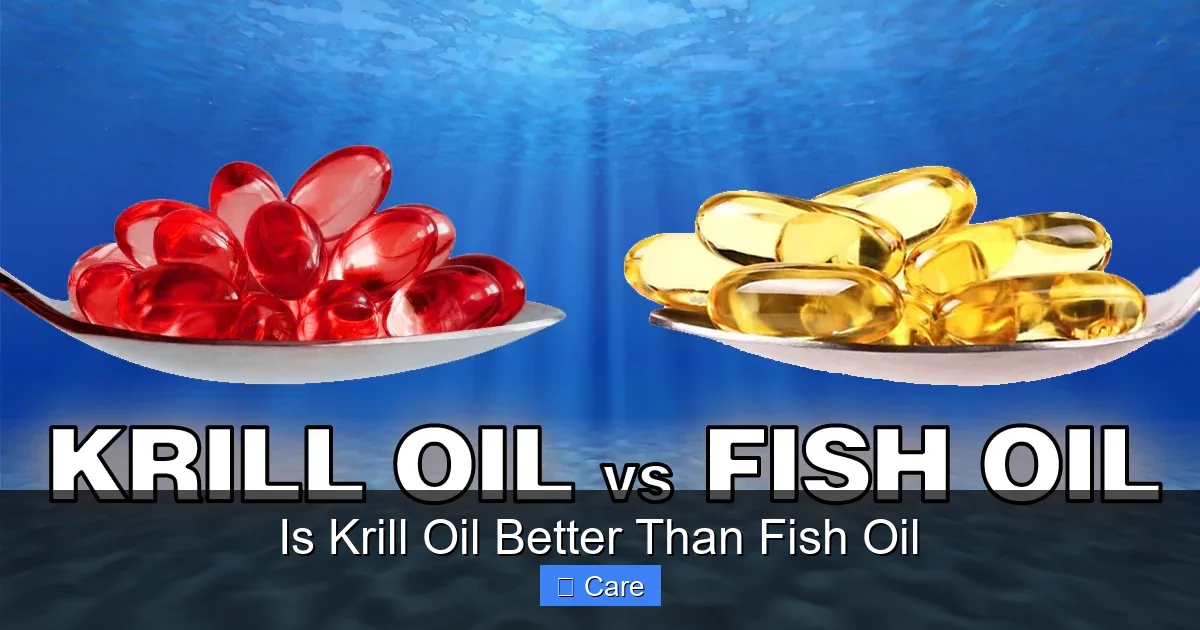
Head-to-Head: Krill Oil vs. Fish Oil Comparison
Now, let’s line them up and see how they stack up on the factors that matter most to you. This isn’t about declaring a winner but understanding the trade-offs.
Visual guide about Is Krill Oil Better Than Fish Oil
Image source: ultimatesupsg.com
- 1. Omega-3 Structure & Absorption: Krill has phospholipids; Fish has triglycerides/ethyl esters. Phospholipids may offer a slight edge in cellular uptake, but studies show both effectively raise omega-3 index when taken in sufficient doses. Fish oil’s higher dose per capsule often compensates for any form difference.
- 2. Antioxidant Protection: Krill wins here with natural astaxanthin. Fish oil relies on added antioxidants (like vitamin E) or careful processing to stay fresh. A rancid supplement is worse than none, so stability is key for both.
- 3. EPA/DHA Potency per Serving: Fish oil is the clear champion. You get more of the active ingredients in fewer, smaller softgels. For someone needing 1000mg of EPA/DHA daily, that might mean 2 fish oil capsules vs. 5-10 krill oil capsules.
- 4. Cost Efficiency: Fish oil is almost always more cost-effective per milligram of omega-3. Krill oil’s premium is for the phospholipid form and astaxanthin.
- 5. Sustainability & Environmental Impact: This is complex. Krill harvest is tightly regulated but concerns exist about ecosystem disruption. Fish oil sustainability depends entirely on the source—look for certifications from MSC (Marine Stewardship Council) or Friend of the Sea for small, fast-replenishing fish like anchovies and sardines. Overfishing of large predatory fish for oil is less common now due to sourcing practices.
- 6. Allergenicity: Krill is a crustacean—avoid if you have shellfish allergies. Fish oil is generally safe for those with fish allergies, but consult a doctor if severely allergic, as trace proteins can sometimes remain.
- 7. Taste & Aftereffects: Both can cause “fishy burps” if low-quality or rancid. Krill oil, due to its phospholipid structure and astaxanthin, is often reported to cause fewer digestive issues. Taking with food, especially fat, helps for both.
How to Choose the Right Omega-3 Supplement for You
So, which one should you buy? Answer these questions:
What Is Your Primary Health Goal?
- General Wellness / Budget-Friendly: High-quality, triglyceride-form fish oil is your best bet. It’s proven, potent, and affordable.
- Pregnancy & Early Childhood Development: Both provide DHA, crucial for brain and eye development. Fish oil offers more DHA per capsule. Ensure it’s ultra-purified and tested for contaminants.
- Joint Discomfort or Inflammation: Some emerging research and user reports suggest krill oil’s phospholipids may be particularly effective for joint mobility, but high-dose fish oil is also excellent. You might try krill to see if you notice a difference.
- Concerned About Rancidity / Want Natural Preservation: Krill oil’s astaxanthin is a big plus here. If you’re buying fish oil, choose brands that use natural vitamin E and have a strong freshness guarantee (recent harvest date, nitrogen-flushed capsules).
What Is Your Budget?
If cost is a major factor, fish oil is the economical choice. You’ll get more omega-3 for your dollar. If you’re willing to pay a premium for the potential (but not guaranteed) absorption benefits and built-in antioxidant, krill is an option.
Do You Have Allergies?
Shellfish allergy? Avoid krill oil. Fish allergy? Most people can tolerate fish oil, but discuss with your allergist first. If you have no allergies, this factor doesn’t limit you.
What Are Your Ethical Priorities?
Research the brand’s sustainability practices. For fish oil, look for MSC-certified small fish sources. For krill, look for MSC certification and brands that are transparent about their CCAMLR-compliant harvesting. Some vegetarians/vegans may opt for algae oil, which is the original source of EPA/DHA for fish and is plant-based.
Practical Tips for Buying and Using Omega-3 Supplements
Regardless of which you choose, quality is non-negotiable. Here’s how to shop smart.
Reading Labels Like a Pro
- Check the EPA/DHA amounts: Don’t just look at “Fish Oil 1000mg.” Look for the breakdown: “EPA: 300mg, DHA: 200mg.” This tells you the actual active dose.
- For Fish Oil: Seek “re-esterified triglyceride” or “natural triglyceride” form. Avoid products that only list “ethyl ester” unless they are significantly cheaper and you’re taking with a large meal.
- For Krill Oil: Ensure it specifies “phospholipid-bound omega-3s.” Check the total EPA/DHA per serving to understand potency.
- Look for Third-Party Testing: Logos for IFOS, GOED, USP, or a readily available CoA are signs of a reputable brand that tests for purity, potency, and oxidation (low peroxide and anisidine values).
- Check the Freshness Date: Omega-3 oils degrade. Choose products with a recent “best by” date. Some brands list a “harvest date” or “freshness date,” which is even better.
Storage and Serving
Store your bottles in the refrigerator, especially after opening. This slows oxidation. Never use oil that smells rancid (sharp, pungent, like old paint). Start with a lower dose (e.g., 500mg total EPA/DHA) to assess tolerance, then increase to your target (often 1000-2000mg for general health, higher for therapeutic purposes under guidance). Always take with a meal containing fat to maximize absorption.
Should You Take Both?
There’s no need to take both. It’s redundant and costly. Pick one high-quality source and stick with it. If you eat fatty fish (salmon, mackerel, sardines) 2-3 times per week, you may need less supplemental omega-3.
Frequently Asked Questions
Is krill oil safe for people with shellfish allergies?
Krill are crustaceans, so those with shellfish allergies should exercise caution. While the oil extraction removes most allergenic proteins, traces can remain. Consult your allergist before trying krill oil if you have a known shellfish allergy.
Can I get the same benefits from plant-based omega-3s like flaxseed oil?
Flaxseed oil provides ALA, a short-chain omega-3 that your body must convert to EPA and DHA. This conversion is very inefficient (often below 5%). For direct EPA/DHA benefits, marine sources like krill or fish oil are far more effective.
How do I know if my fish oil is rancid?
Rancid oil will have a strong, sharp, fishy or pungent odor, even from the capsule. It might also cause digestive upset or “fishy burps” that are worse than usual. Always buy from brands that provide oxidation test results (low peroxide and anisidine values) on their CoA.
What dosage of omega-3s should I aim for?
For general health maintenance, 500-1000 mg of combined EPA and DHA daily is a common target. For specific conditions like high triglycerides, doses of 2000-4000 mg are used under medical supervision. Always check the label for the actual EPA/DHA content, not just the total oil weight.
Is it true that krill oil is better for brain health because of phospholipids?
DHA is critical for brain health, and phospholipids are a component of brain cell membranes. Theoretically, krill’s phospholipid-bound DHA could be advantageous, but current research does not show a dramatic, consistent superiority over high-quality fish oil for cognitive outcomes in most people. Consistent intake of adequate DHA is the key factor, regardless of source.
Can I take krill or fish oil with blood thinners like warfarin?
High doses of omega-3s can have a mild blood-thinning effect. If you are on prescription anticoagulants, you must consult your doctor before starting any omega-3 supplement. They may need to monitor your INR more closely.