Is Oil from Mussels Better Than Fish Oil
Is oil from mussels better than fish oil? Mussel oil, especially from green-lipped mussels, offers a unique omega-3 profile that may outperform traditional fish oil in some areas. Both oils deliver essential fatty acids, but mussel oil contains rare omega-3s and strong anti-inflammatory properties that fish oil alone cannot match.
Key Takeaways
- Mussel oil contains rare omega-3 fatty acids not found in standard fish oil, including ETA and DPA.
- Fish oil remains widely studied and accessible, making it a reliable choice for betta fish supplements.
- Green-lipped mussel oil has powerful anti-inflammatory effects that may benefit joint and heart health in fish.
- Both oils deliver EPA and DHA, but mussel oil offers a broader spectrum of marine-based fatty acids.
- Absorption rates differ between the two oils, and mussel oil may be easier for some fish to process.
- Cost and availability vary, with fish oil being more affordable and widely available than mussel oil.
[FEATURED_IMAGE_PLACEHOLDER]
📑 Table of Contents
- Is Oil from Mussels Better Than Fish Oil?
- What Is Mussel Oil and Where Does It Come From?
- What Is Fish Oil and Why Is It So Popular?
- Mussel Oil vs Fish Oil: Head-to-Head Comparison
- Health Benefits of Mussel Oil for Betta Fish
- Health Benefits of Fish Oil for Betta Fish
- Which Oil Should You Choose for Your Betta Fish?
- Quick Tips for Using Marine Oils With Betta Fish
- Common Mistakes to Avoid
- Expert Insights on Marine Oils for Aquarium Fish
- Conclusion
Is Oil from Mussels Better Than Fish Oil?
If you care about your betta fish health, you have probably wondered about mussel oil vs fish oil. The aquarium hobby is full of supplement options, and two of the most popular are fish oil and oil from mussels. Both promise omega-3 benefits, but do they deliver the same results?
The short answer is that oil from mussels brings something unique to the table. It contains rare fatty acids that standard fish oil simply does not offer. But that does not mean fish oil is outdated or useless. Each oil has its strengths, and the best choice depends on what you want for your fish.
In this guide, we break down the nutritional differences, health benefits, and real-world uses of both oils. By the end, you will know exactly which marine oil makes more sense for your betta and your budget.
What Is Mussel Oil and Where Does It Come From?
Mussel oil is extracted from marine mussels, most commonly the green-lipped mussel found in New Zealand waters. These mussels are rich in omega-3 fatty acids, similar to the fish used to produce fish oil. However, the mussel species has a slightly different fatty acid makeup that sets it apart.
The Unique Fatty Acid Profile of Mussel Oil
What makes mussel oil special is its range of omega-3s. Most people know about EPA and DHA, the two main omega-3s found in marine sources. Mussel oil contains both of these, but it also provides smaller amounts of rare fatty acids like eicosatetraenoic acid (ETA) and docosapentaenoic acid (DPA). These fatty acids are not commonly found in standard fish oil supplements.
ETA is particularly interesting because research suggests it has strong anti-inflammatory properties. DPA also plays a role in supporting heart and immune health. Together, these fatty acids give mussel oil a broader nutritional footprint than most fish oil products.
How Mussel Oil Is Harvested
Mussel oil is typically extracted from whole mussels using cold-press or solvent-free methods. This helps preserve the delicate omega-3 fatty acids and prevents oxidation. High-quality mussel oil is usually rich in triglycerides, which are the form of fat that fish and other aquatic animals absorb most efficiently.
The green-lipped mussel is the most studied source, but other mussel species can also produce usable oil. The key is ensuring the source is clean and free from heavy metals and pollutants, just like with any marine-derived supplement.
What Is Fish Oil and Why Is It So Popular?
Fish oil has been the go-to omega-3 supplement for decades. It is derived from oily fish like salmon, sardines, anchovies, and herring. Fish oil is packed with EPA and DHA, the two omega-3 fatty acids most studied for their health benefits.
The Nutritional Breakdown of Fish Oil
Fish oil delivers a concentrated dose of EPA and DHA in a well-researched format. These fatty acids support cell membrane integrity, reduce inflammation, and promote healthy growth. For betta fish, omega-3 fatty acids help maintain vibrant color, strong fins, and a responsive immune system.
Fish oil is also available in many forms, including liquids, softgels, and fortified foods. This makes it easy to incorporate into a betta fish feeding routine. The widespread availability of fish oil means it is often more affordable and easier to find than mussel oil.
Limitations of Fish Oil
While fish oil is effective, it does have limitations. Standard fish oil typically only provides EPA and DHA. It lacks the rare fatty acids found in mussel oil. Additionally, lower-quality fish oil products can oxidize quickly, reducing their potency and potentially creating harmful byproducts.
Some fish oil supplements also contain fillers or artificial ingredients that are not ideal for sensitive aquatic species. This is why choosing a high-quality, purified fish oil matters greatly when supplementing your betta fish diet.
Mussel Oil vs Fish Oil: Head-to-Head Comparison
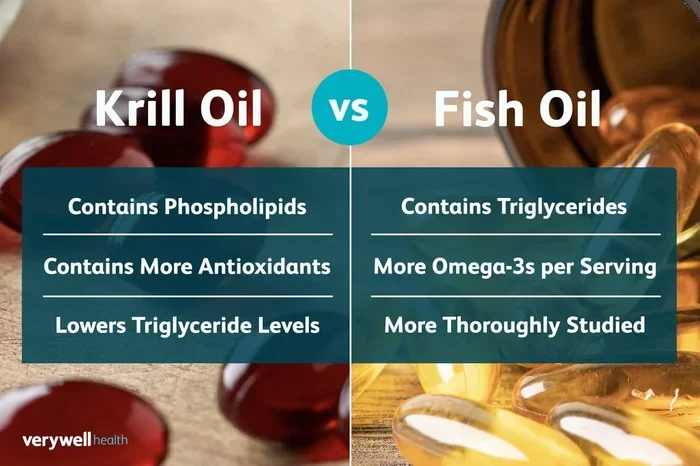
Let us look at how these two marine oils stack up against each other. The table below highlights the key differences and similarities.
- Omega-3 Content: Mussel oil provides EPA, DHA, ETA, and DPA. Fish oil primarily offers EPA and DHA.
- Anti-Inflammatory Properties: Mussel oil shows stronger anti-inflammatory effects due to ETA and other rare fatty acids.
- Absorption: Both oils are well-absorbed when in triglyceride form. Mussel oil may have a slight edge due to its diverse fatty acid profile.
- Availability: Fish oil is widely available and affordable. Mussel oil is harder to find and typically costs more.
- Purity: Both can be purified effectively, but mussel oil sources are often cleaner due to lower positions in the food chain.
- Research Backing: Fish oil has decades of research. Mussel oil is newer but growing rapidly in scientific interest.
If you want a deeper dive into how mussel oil compares to other marine oils, check out our article on krill oil vs fish oil for more context on the broader marine oil landscape.
Health Benefits of Mussel Oil for Betta Fish
Mussel oil benefits go beyond basic omega-3 support. The unique fatty acid profile of mussel oil can address specific health concerns that fish oil alone may not fully cover.
Anti-Inflammatory Support
Inflammation is a common issue in aquarium fish, especially those kept in suboptimal conditions. Mussel oil’s ETA content helps target inflammation at the cellular level. This can support joint health, reduce swelling, and promote faster recovery from injuries or infections.
For betta fish, which are prone to fin rot and bacterial infections, reducing chronic inflammation can make a real difference in overall health and longevity.
Immune System Boost
The diverse omega-3 profile in mussel oil helps strengthen the immune system. DPA and ETA work alongside EPA and DHA to support immune cell function. A stronger immune system means your betta fish can better resist common diseases like ich, velvet, and bacterial infections.
Skin and Fin Health
Betta fish are prized for their long, flowing fins and vivid colors. The fatty acids in mussel oil support cell membrane health, which directly impacts fin integrity and color vibrancy. Fish fed a diet rich in diverse omega-3s often show brighter colors and more resilient fins.
Health Benefits of Fish Oil for Betta Fish
Fish oil remains a cornerstone of aquatic nutrition, and for good reason. It is affordable, well-studied, and effective at delivering the core omega-3 fatty acids that fish need.
Heart and Cardiovascular Health
EPA and DHA from fish oil support healthy heart function in betta fish. These fatty acids help regulate blood flow, reduce triglyceride levels, and maintain proper cardiac rhythm. A healthy heart is essential for an active, thriving fish.
Growth and Development
Omega-3 fatty acids play a critical role in growth and development. Fish oil provides the building blocks for healthy cell membranes, brain function, and tissue repair. Young betta fish especially benefit from a diet rich in high-quality fish oil.
Color Enhancement
Many betta fish keepers turn to fish oil for its color-enhancing properties. The DHA in fish oil supports the development of vibrant reds, blues, and greens in betta fish scales. Combined with proper nutrition and tank conditions, fish oil can help your fish look their best.
If you are exploring other oil alternatives, our guide on fish oil vs flaxseed oil offers useful insights on how different oils compare for fish health.
Which Oil Should You Choose for Your Betta Fish?
The right choice depends on your goals, budget, and what is available to you. Here are some practical scenarios to help you decide.
Choose Mussel Oil If…
- You want the broadest possible range of omega-3 fatty acids for your fish.
- Your betta fish has chronic inflammation or joint issues.
- You are looking for a premium, specialized supplement.
- Budget is not a primary concern and you want the best available option.
Choose Fish Oil If…
- You want a reliable, affordable, and widely available omega-3 source.
- Your betta fish is healthy and you want to maintain its current condition.
- You prefer a supplement with decades of research behind it.
- You need a straightforward option that is easy to dose and incorporate into feeding.
Can You Use Both?
Yes, many aquarists use both oils in rotation or combination. This approach provides the core benefits of fish oil while adding the rare fatty acids found in mussel oil. If you choose this route, start with small doses of each and monitor your fish for any changes in behavior or appetite.
For more information on comparing marine oils, you may also enjoy our piece on krill oil or fish oil for your fish to understand how another popular marine oil stacks up.
Quick Tips for Using Marine Oils With Betta Fish
- Start slowly. Introduce any new oil supplement gradually to avoid digestive upset.
- Store oils properly. Keep them in a cool, dark place to prevent oxidation and rancidity.
- Check the expiration date. Expired oils lose their potency and may do more harm than good.
- Pair with a balanced diet. Oils are supplements, not replacements for a varied and nutritious fish food.
- Watch for changes. Observe your betta fish after introducing a new oil. Look for improved color, activity, and appetite.
Common Mistakes to Avoid
- Overdosing. More is not always better. Excess oil can lead to water quality issues and digestive problems.
- Using low-quality products. Cheap oils may be oxidized or contaminated. Always choose reputable brands.
- Ignoring water parameters. Supplements work best in clean, well-maintained tanks. Test your water regularly.
- Switching oils too frequently. Give each oil at least two to three weeks before evaluating results.
Expert Insights on Marine Oils for Aquarium Fish
Nutrition experts in the aquarium hobby generally agree that both mussel oil and fish oil have a place in fish care. The key is understanding what each oil brings to the table and matching it to your fish’s specific needs.
Dr. marine nutrition specialists often point out that the future of aquatic supplements lies in diversity. Rather than relying on a single oil source, the best approach uses a combination of marine oils to cover the full spectrum of essential fatty acids. This mirrors what fish would encounter in their natural habitat, where they consume a wide variety of marine organisms.
For betta fish keepers specifically, the consensus is that high-quality fish oil is an excellent baseline supplement. Mussel oil can be added as a premium boost when specific health goals, such as reducing inflammation or enhancing color, are the priority.
Conclusion
So, is oil from mussels better than fish oil? The honest answer is that both oils have value, but they serve slightly different purposes. Mussel oil offers a broader and rarer range of omega-3 fatty acids with strong anti-inflammatory benefits. Fish oil delivers proven, affordable, and well-researched EPA and DHA support that every betta fish can benefit from.
If you want the best of both worlds, consider using fish oil as your daily supplement and adding mussel oil as a periodic boost. This combination approach gives your betta fish comprehensive omega-3 coverage that supports heart health, immune function, vibrant color, and overall longevity.
The most important thing is to choose high-quality products, dose appropriately, and always prioritize clean tank conditions alongside proper nutrition. Your betta fish will thank you with bright colors, active behavior, and a long, healthy life.
Frequently Asked Questions
Is mussel oil safe for betta fish?
Yes, mussel oil is generally safe for betta fish when used in appropriate doses. It provides essential omega-3 fatty acids that support overall health. Always start with a small amount and monitor your fish for any adverse reactions.
Can I give my betta fish both mussel oil and fish oil?
Absolutely. Many aquarists use both oils together or in rotation. This approach provides a wider range of omega-3 fatty acids and can address multiple health goals at once. Just be careful not to over-dose either oil.
How often should I add marine oil to my betta fish tank?
Most experts recommend adding marine oil supplements two to three times per week. This frequency provides consistent omega-3 support without overwhelming your fish or affecting water quality. Adjust based on your fish’s response and overall diet.
What is the best way to administer mussel oil to betta fish?
The easiest method is to add a few drops of mussel oil to your betta fish’s food before feeding. This ensures the fish consumes the oil directly. You can also add small amounts to the water, but direct feeding is more efficient and reduces waste.
Does mussel oil really reduce inflammation better than fish oil?
Research suggests that mussel oil, particularly from green-lipped mussels, has stronger anti-inflammatory properties than standard fish oil. This is largely due to its unique ETA content, which targets inflammation pathways that EPA alone cannot fully address.
Why is fish oil more affordable than mussel oil?
Fish oil is produced on a much larger scale from abundant fish stocks, which keeps costs down. Mussel oil comes from a more specialized and less common source, making it rarer and more expensive to produce. The limited supply and higher processing costs contribute to its higher price.
=== SEO TITLE ===
Is Oil from Mussels Better Than Fish Oil?
=== META TITLE ===
Mussel Oil vs Fish Oil: Which Marine Oil Is Better?
=== URL SLUG ===
is-oil-from-mussels-better-than-fish-oil