How to Setup Low Maintenance Aquascape for Betta Fish Tutorial
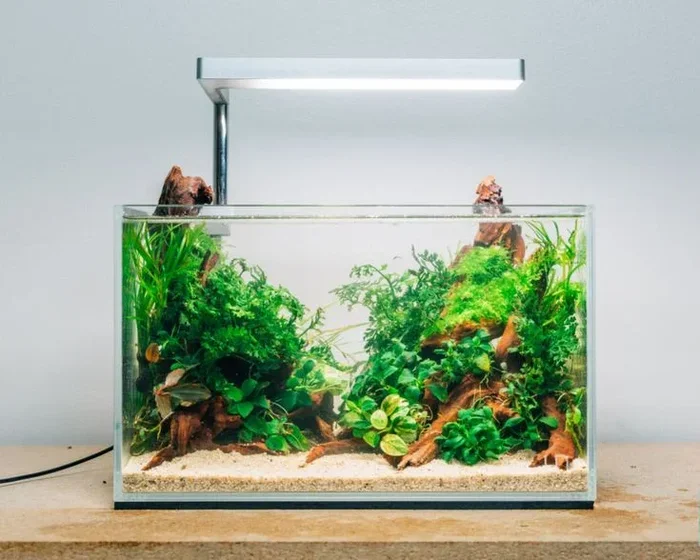
Setting up a low maintenance aquascape for betta fish is easier than you think. This tutorial walks you through choosing the right tank, selecting easy plants, and designing a beautiful habitat that stays clean with minimal effort. You will learn practical tips on substrate, hardscape, lighting, and water care to keep your betta happy and healthy.
Creating a beautiful underwater world for your betta fish does not have to be hard or time-consuming. A low maintenance aquascape for betta fish lets you enjoy a stunning planted tank without spending hours on upkeep. Whether you are a complete beginner or a busy fish keeper, this tutorial gives you everything you need to get started. You will learn how to pick the right tank, choose the best plants, and design a simple yet eye-catching setup.
Our goal is to help you build a healthy betta fish habitat that looks amazing and stays clean with very little effort. We cover every step from choosing your substrate to feeding your fish. By the end of this guide, you will feel confident enough to start your own easy aquascape at home.
A well-designed planted tank does more than look pretty. It helps keep the water clean, gives your betta places to hide and explore, and reduces stress. The secret is choosing the right plants and décor that match your betta fish care routine. Let us dive into how to make it happen.
Key Takeaways
- Choose a 5-gallon or larger tank: A bigger tank means more stable water conditions and less frequent maintenance.
- Pick easy aquatic plants: Plants like java fern, anubias, and amazon sword thrive without CO2 and extra fertilizers.
- Use the right substrate and hardscape: Gravel or sand combined with driftwood and rocks creates a natural look with little upkeep.
- Keep your betta fish environment stable: Maintain warm water temperatures and use a gentle filter to reduce stress.
- Follow a simple maintenance routine: Weekly water changes and basic cleaning keep your low tech aquascape looking great.
- Avoid common mistakes: Overcrowding, wrong plant choices, and strong filters can ruin your betta habitat.
📑 Table of Contents
- Why Choose a Low Maintenance Aquascape for Betta Fish?
- Choosing the Right Tank Size and Setup
- Best Plants for a Low Maintenance Betta Aquascape
- Hardscape and Décor Ideas for Your Betta Tank
- Setting Up Your Low Maintenance Aquascape Step by Step
- Maintaining Your Low Maintenance Aquascape
- Common Mistakes to Avoid When Building a Betta Aquascape
- Final Thoughts on Creating a Low Maintenance Betta Aquascape
Why Choose a Low Maintenance Aquascape for Betta Fish?
Betta fish are beautiful and hardy creatures, but they need a clean and stable environment to thrive. A low maintenance aquascape for betta fish gives your pet a natural habitat without the constant work that high-tech planted tanks require. You do not need CO2 injection, expensive fertilizers, or intense lighting to create a stunning setup.
The beauty of a low tech aquascape is that it works with nature rather than against it. Easy aquarium plants grow slowly, which means less trimming and fewer algae problems. Your fish tank filter can run on the gentle side, which is perfect for bettas who do not like strong currents. This kind of setup is ideal if you want a gorgeous aquascape without the daily grind.
Benefits of a Simple Planted Tank
- Less time spent cleaning: Slow-growing plants and a balanced ecosystem mean fewer water changes and less algae.
- Healthier betta fish: Natural plants help oxygenate the water and provide hiding spots that reduce stress.
- Lower costs: You skip expensive equipment like CO2 systems and high-powered lights.
- Beautiful results: Even a simple planted tank looks incredible with the right plants and hardscape.
- Beginner-friendly: A low maintenance setup is forgiving and easy to manage, even for first-time fish keepers.
When you combine a low maintenance approach with proper betta fish care, you create a peaceful environment that both you and your fish will enjoy. A well-planned aquascape also makes it easier to properly care for betta fish because the plants help maintain water quality between cleanings.
Choosing the Right Tank Size and Setup
The first step in building your low maintenance aquascape for betta fish is picking the right tank. Many people think bettas need tiny bowls, but that is a myth. A larger tank gives you more room for plants and hardscape, and it keeps water parameters more stable. This means less work for you in the long run.
A 5-gallon tank is the minimum size for a single betta fish. However, if you want a more impressive aquascape, a 10-gallon tank gives you much more creative space. The extra water volume also dilutes waste and makes it easier to keep conditions steady. You can learn more about setting up a fish tank for betta fish in our detailed guide.
Tank Size Comparison for Betta Aquascapes
| Tank Size | Best For | Maintenance Level | Plant Options |
|---|---|---|---|
| 5 gallons | Single betta, minimal aquascape | Low | Few small plants, easy to manage |
| 10 gallons | Single betta, fuller planted look | Low to medium | More variety of plants and hardscape |
| 20 gallons | Betta with small tank mates, advanced aquascape | Medium | Wide selection of plants and décor |
No matter what size you choose, make sure you add a gentle fish tank filter. Bettas prefer calm water, so sponge filters work great. They provide enough filtration without creating a strong current. Also, consider keeping water warm for betta fish with a reliable heater set to 78-80°F. Stable temperature is key to a healthy betta fish environment.
Best Plants for a Low Maintenance Betta Aquascape
Choosing the right plants is the heart of any easy aquascape. You want plants that grow well without extra CO2, strong lights, or daily attention. Fortunately, there are many aquatic plants that thrive in low-tech setups and look fantastic alongside a betta fish.
When selecting plants, think about what your betta fish enjoys. Bettas love to rest on broad leaves and swim through fine-leaved plants. The best plants for a low maintenance aquascape are ones that grow slowly and do not need trimming every week.
Top Plant Picks for Beginners
- Java Fern: One of the easiest aquarium plants to grow. It thrives in low light and does not need CO2. Attach it to driftwood or rocks for a natural look.
- Anubias: A hardy plant with thick, dark green leaves. It grows slowly and is almost impossible to kill, making it perfect for beginners.
- Amazon Sword: A larger plant that creates a lush background in your betta tank. It needs a good substrate but requires very little else.
- Java Moss: Great for covering hardscape or creating a carpet. It grows in almost any condition and gives your tank a wild, natural feel.
- Cryptocoryne: These plants come in many shapes and sizes. They are low-light plants that add depth and texture to your aquascape.
- Betta Bulb: A fun and easy plant that produces long, flowing leaves. Bettas love to swim through its foliage.
When you add plants to your tank, make sure you prepare water for betta fish properly before planting. Use treated water free of chlorine and chloramine. This gives your new plants the best start and keeps your betta healthy.
How to Plant and Arrange Your Aquatic Plants
Start by placing your tallest plants in the back of the tank and shorter plants in the front. This creates a layered look that makes your aquascape feel deep and natural. Java fern and anubias work well as mid-ground plants, while java moss can fill in gaps around the hardscape. Do not overcrowd your tank. Leaving some open swimming space is important for your betta fish to move around comfortably.
Remember, a low maintenance planted tank is about balance. Fewer plants that are healthy and well-placed look better than a crowded tank with struggling plants. Give each plant room to grow, and your betta fish habitat will look beautiful for months with very little effort.
Hardscape and Décor Ideas for Your Betta Tank
Hardscape refers to the rocks, driftwood, and other non-living elements in your aquascape. Good hardscape gives your tank structure and makes your plants look like they belong in a natural landscape. For a low maintenance setup, you want materials that do not affect your water chemistry and are easy to clean.
Driftwood is one of the best hardscape choices for a betta tank. It looks natural, provides hiding spots, and some types even release beneficial tannins that slightly soften the water. Just make sure to soak your driftwood before adding it to the tank to prevent it from floating. Rocks like dragon stone or lava rock also work well and add texture without complicating your maintenance routine.
Design Tips for a Simple Yet Stunning Aquascape
- Use the rule of thirds: Imagine your tank divided into a grid of nine squares. Place your focal point, like a piece of driftwood, along one of the lines for a balanced look.
- Create depth: Use smaller rocks and plants in the front and larger pieces in the back to make your tank look bigger.
- Leave open space: Bettas need room to swim. Do not fill every corner with hardscape or plants.
- Match your hardscape style: Pick either a natural rock and wood look or a minimalist design. Mixing styles can make the tank look cluttered.
Your hardscape choices also affect how easy the tank is to clean. Smooth rocks and simple driftwood pieces are easier to wipe down than intricate structures with lots of nooks. When you clean a betta fish tank for beginners, a simple hardscape design saves you a lot of time and frustration.
Setting Up Your Low Maintenance Aquascape Step by Step
Now that you have your tank, plants, and hardscape picked out, it is time to put everything together. Follow these steps to create a beautiful and easy-to-maintain betta fish habitat.
Step 1: Rinse your substrate. Whether you use gravel or sand, rinse it thoroughly in a bucket before adding it to the tank. This removes dust and debris that would cloud your water. Spread the substrate evenly across the bottom, sloping slightly toward the back for a more natural look.
Step 2: Add your hardscape. Place your driftwood and rocks first. Move them around until you are happy with the layout. Remember to leave open swimming areas for your betta. Once you are satisfied, press the hardscape gently into the substrate so it stays in place.
Step 3: Plant your aquatic plants. Start with your background plants and work forward. For plants like java fern and anubias, do not bury the rhizome in the substrate. Instead, tie or glue them to driftwood or rocks. Plant carpeting plants like java moss in patches for a natural spread.
Step 4: Fill the tank with treated water. Use a plate or bowl to pour the water in gently so you do not disturb the substrate and plants. Prepare water for betta fish by adding the appropriate water conditioner to remove chlorine and heavy metals.
Step 5: Install your filter and heater. Attach a gentle sponge filter and set your heater to 78-80°F. Let the tank run for at least 24 hours before adding your betta. This allows the water to cycle and the temperature to stabilize.
Step 6: Add your betta fish. Float the bag your betta came in on the water surface for 15-20 minutes to equalize the temperature. Then slowly add small amounts of tank water to the bag over 15 minutes before gently releasing your betta into the tank.
Maintaining Your Low Maintenance Aquascape
The whole point of a low maintenance aquascape for betta fish is that it stays beautiful with minimal effort. But some basic upkeep is still needed to keep your betta healthy and your tank looking its best. The good news is that a well-planned low tech aquascape requires very little maintenance compared to high-tech planted tanks.
Here is a simple weekly routine to follow:
- Check the water temperature: Make sure your heater is working and the temperature stays between 78-80°F.
- Inspect your plants: Remove any dead or yellowing leaves. Trim overgrown plants if needed, but remember that slow-growing plants need very little trimming.
- Wipe the glass: Use an algae scraper or magnet cleaner to remove any algae buildup on the tank walls.
- Perform a water change: Replace 20-30% of the tank water with treated water. This keeps nutrients balanced and removes waste buildup.
- Feed your betta properly: Feed small amounts once or twice a day. Overfeeding leads to dirty water and more maintenance.
Every two to four weeks, check your filter media and rinse it in old tank water (not tap water) to keep it working effectively. You can also do a water change for betta fish more frequently if you notice the water getting cloudy. Staying on top of small tasks prevents bigger problems down the road.
How Often Should You Clean a Low Maintenance Betta Tank?
With a well-balanced low tech aquascape, a thorough tank cleaning every two to four weeks is usually enough. You do not need to do deep cleans that strip the tank completely. Partial water changes and light cleaning keep your betta fish habitat healthy and your aquascape looking great. If you are ever unsure, caring for betta fish in a planted tank follows the same basic principles as any other setup, just with a few extra considerations for your plants.
Common Mistakes to Avoid When Building a Betta Aquascape
Even with a low maintenance setup, some mistakes can cause problems for your betta fish and your aquascape. Knowing what to avoid saves you time, money, and stress. Here are the most common pitfalls new aquascapers face.
Choosing the Wrong Plants
Not all plants are suitable for a betta tank. Some plants need high light, CO2, or nutrient-rich substrates that add complexity and cost. Stick to easy plants like java fern, anubias, and java moss that thrive in low-light conditions. These plants are forgiving and grow well without extra equipment, making them perfect for a low maintenance aquascape for betta fish.
Overcrowding the Tank
It is tempting to fill your tank with lots of plants and hardscape, but overcrowding creates problems. Too many plants reduce swimming space for your betta and make it harder to clean the tank. A few well-placed plants and a simple hardscape piece create a cleaner look and a healthier environment for your fish.
Using the Wrong Substrate
Some substrates can change your water pH or release chemicals that harm your betta. Stick to inert substrates like plain gravel or sand for a low maintenance setup. If you want a nutrient-rich planted substrate, make sure it is safe for bettas and does not cloud the water.
Skipping Water Treatment
Tap water contains chlorine and chloramine that are harmful to betta fish. Always use a water conditioner before adding water to your tank. This simple step protects your fish and your plants. Learn more about conditioning tap water for betta fish to ensure your tank water is safe and clean.
Final Thoughts on Creating a Low Maintenance Betta Aquascape
Building a low maintenance aquascape for betta fish is one of the most rewarding projects you can take on as a fish keeper. You get to enjoy a beautiful, natural-looking tank that requires only a few minutes of care each week. The key is planning ahead, choosing the right plants and hardscape, and following a simple maintenance routine.
Start small if you are new to aquascaping. A 5 or 10-gallon tank with a few easy plants and a piece of driftwood can create a stunning display. As you gain confidence, you can expand your setup and try new plant combinations. The most important thing is to create a healthy and stress-free betta fish environment that your pet will thrive in.
Remember, a great aquascape is not about perfection. It is about creating a balanced, beautiful habitat that you and your betta fish can enjoy together. With the tips and steps in this tutorial, you have everything you need to start your own low maintenance planted tank today.
Take your time, have fun with the design process, and enjoy watching your betta explore its new home. A well-crafted low maintenance aquascape brings a piece of nature into your living space and gives your betta fish the happy, healthy life it deserves.
Frequently Asked Questions
What is the easiest plant to grow in a betta fish tank?
Java fern is widely considered the easiest plant for a betta tank. It thrives in low light, does not need CO2, and grows well attached to driftwood or rocks. It is almost impossible to kill and requires very little maintenance, making it perfect for beginners building a low maintenance aquascape.
Do I need a CO2 system for a low maintenance betta aquascape?
No, you do not need a CO2 system for a low maintenance setup. Easy plants like java fern, anubias, and java moss grow perfectly well without added CO2. A low tech aquascape relies on natural fish waste and occasional water changes to provide the nutrients plants need.
How often should I change the water in my betta aquascape?
A 20-30% water change once a week is ideal for a low maintenance betta tank. This keeps waste levels low and nutrients balanced without disrupting the plants or beneficial bacteria. Consistent weekly changes are the simplest way to maintain a healthy betta fish habitat.
Can I keep other fish with my betta in a planted tank?
It depends on the fish. Some peaceful species like corydoras or small shrimp can coexist with bettas in a well-planted tank. However, bettas can be territorial, so always research any tank mates carefully. A 10-gallon tank or larger gives everyone more space and reduces conflicts.
What kind of lighting do I need for a low maintenance betta aquascape?
A standard LED aquarium light on a timer works great for low maintenance planted tanks. About 8 hours of light per day is enough for most easy plants. Avoid placing the tank in direct sunlight, as this can cause excessive algae growth and temperature swings that stress your betta fish.
How do I prevent algae in my betta fish tank?
Preventing algae comes down to three things: controlling light exposure, not overfeeding your fish, and performing regular water changes. Keep your tank out of direct sunlight, feed small amounts once or twice a day, and change 20-30% of the water weekly. A balanced low tech aquascape with healthy plants also naturally competes with algae for nutrients.
=== CONCLUSION ===
Setting up a low maintenance aquascape for betta fish is a fun and rewarding project that anyone can do. You now have the knowledge to choose the right tank, pick the best plants, design your hardscape, and follow a simple care routine. The beauty of a low maintenance approach is that it gives you a stunning planted tank without the stress of constant upkeep.
Start with the basics, keep things simple, and let your creativity guide you. Your betta fish will thank you with vibrant colors and active behavior in its beautiful new home. Happy aquascaping!