How Many Eggs Can a Betta Fish Have
A female betta fish can lay anywhere from 30 to 500 eggs per spawning cycle, depending on her age, size, and overall health. Bettas are prolific breeders, and understanding their egg-laying process helps both beginner and experienced fish keepers manage breeding or simply care for their pets better. This guide covers everything you need to know about betta fish eggs, from how many eggs a betta fish has to hatching timelines and care tips.
Have you ever wondered how many eggs can a betta fish have? If you keep bettas or are thinking about breeding them, understanding their egg-laying habits is essential. Female bettas are surprisingly prolific, and a single spawning session can produce a large number of eggs. But several factors influence the final count.
In this guide, we will walk you through everything about betta fish eggs. You will learn how many eggs a betta can produce, what affects egg count, how breeding works, and what you can do to support healthy reproduction. Whether you are a curious hobbyist or planning your first breeding project, this article has you covered.
We will also compare betta fish egg production across different scenarios and share practical tips to keep your fish healthy. By the end, you will have a clear picture of what to expect and how to create the best conditions for your bettas.
Key Takeaways
- Egg Count Varies: A healthy female betta can lay between 30 and 500 eggs per spawn.
- Age Matters: Younger and healthier bettas produce more eggs than older ones.
- Male Bettas Build Nests: The male creates a bubble nest to protect fertilized eggs.
- Eggs Hatch in 24-72 Hours: Proper tank conditions are essential for successful hatching.
- Not All Eggs Survive: Many eggs may not be fertilized or may fail to hatch — this is normal.
- Tank Setup Is Critical: The right temperature, water quality, and tank size improve breeding success.
- Separate After Spawning: Remove the female after breeding to prevent aggression from the male.
📑 Table of Contents
How Many Eggs Can a Betta Fish Have
The short answer is that a female betta fish can lay anywhere from 30 to 500 eggs in a single spawning event. However, the average number usually falls between 100 and 200 eggs. The exact count depends on several factors that we will explore below.
It is important to understand that not all eggs will be fertilized. The male betta fertilizes the eggs externally after the female releases them. Some eggs may not get fertilized at all, and others may not survive the early stages. This is completely natural and nothing to worry about.
If you are new to betta breeding, start by learning the basics. Check out our guide on how many eggs does a betta fish lay for a deeper dive into egg counts and what they mean for your fish.
Factors That Affect Egg Count
Several key factors determine how many eggs a female betta will produce. Let us break them down:
- Age: Younger females between 4 and 12 months tend to produce the most eggs. As bettas age, their egg production decreases.
- Size and Health: A larger, well-fed female carries more eggs. Poor nutrition or illness can reduce the number significantly.
- Water Conditions: Clean, properly heated water encourages healthier spawning. Dirty water stresses the fish and lowers egg production.
- Diet: A protein-rich diet before breeding helps the female develop more eggs. Live or frozen foods like brine shrimp work great.
- Breeding Experience: First-time mothers may produce fewer eggs than experienced ones. Over time, their bodies adapt to the spawning process.
- Tank Size: A properly sized breeding tank reduces stress. We recommend at least 5 gallons for breeding to give the fish enough space.
The Betta Fish Breeding Process
Understanding how bettas breed helps you appreciate the egg-laying process. Breeding bettas is a fascinating journey that requires patience and attention to detail.
How Betta Fish Mate
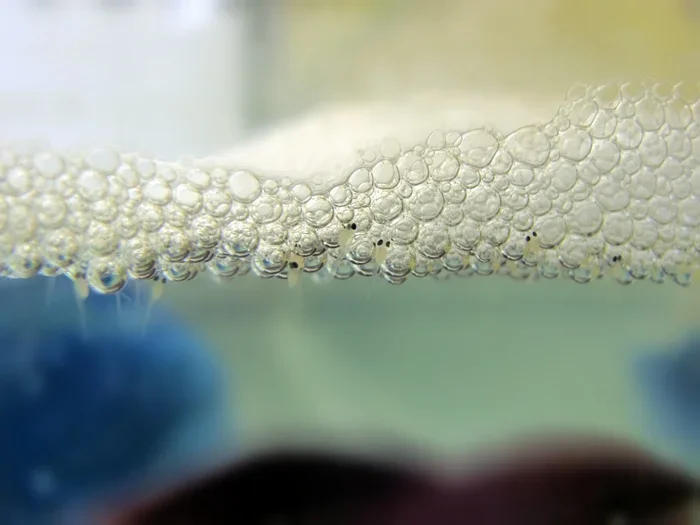
When a male and female betta are ready to breed, the male starts building a bubble nest at the surface of the water. This nest is made of tiny bubbles and serves as a safe place for the eggs. The male displays his colors and flaring behavior to attract the female.
Once the female is ready, she releases eggs, and the male wraps his body around hers to fertilize them. This process repeats several times during a single spawning session. The female can release eggs in batches, which is why the total count can be so high.
After fertilization, the male carefully collects the eggs and places them in the bubble nest. The female is usually removed at this point to prevent aggression from the male.
What Happens After the Eggs Are Laid
Once the eggs are in the bubble nest, the male takes over all parental duties. He guards the nest, repairs it as needed, and retrieves any eggs that fall. The eggs typically hatch within 24 to 72 hours, depending on the water temperature.
For more details on the hatching timeline, read our article on how many days to hatch betta fish eggs. Warmer water speeds up hatching, while cooler water slows it down. Maintaining a stable temperature around 80°F (27°C) is ideal.
Can a Female Betta Lay Eggs Without a Male
Yes, a female betta fish can lay eggs without a male present. This is a common question among betta keepers. However, these eggs will not be fertilized and will not hatch into fry. The female releases eggs as part of her natural reproductive cycle, regardless of whether a male is around.
Unfertilized eggs usually turn white and may be absorbed by the female or decay in the tank. You can remove them during regular tank maintenance to keep the water clean. For more information on this topic, check out can betta fish female make eggs without a male.
If you notice your female betta laying eggs frequently, it could be a sign that she is healthy and well-fed. Some keepers use this as an indicator of good care practices.
How to Support Healthy Betta Egg Production
Whether you are breeding bettas or simply want your female to stay healthy, proper care makes a big difference. Here are some practical steps you can take.
Optimize the Tank Environment
Start with a clean tank. Regular water changes and proper filtration keep the environment safe. While bettas can survive in small spaces, breeding requires more room and better conditions. Make sure the tank has a gentle filter, as strong currents can stress bettas. Learn more about this in our guide on can a betta fish have too much current.
Keep the water temperature stable between 78°F and 80°F (25°C to 27°C). Use a heater to maintain consistent warmth, which is essential for breeding behavior.
Feed a Nutritious Diet
A high-quality diet directly impacts egg production. Feed your female betta a mix of:
- Live brine shrimp
- Frozen bloodworms
- High-protein betta pellets
- Daphnia
- Mosquito larvae
Feed small amounts 2 to 3 times a day. Overfeeding can pollute the water and harm your fish. For feeding frequency tips, visit our article on how many times a day to feed a betta fish.
Monitor for Health Issues
A sick betta produces fewer eggs and may struggle during spawning. Watch for signs of illness like faded colors, clamped fins, or loss of appetite. Address health problems quickly with proper treatment and isolation if needed.
Common Mistakes Breeding Bettas
Even experienced keepers make mistakes when breeding bettas. Here are some common errors to avoid:
- Skipping the quarantine period: Always quarantine breeding pairs for two weeks before introducing them. This prevents disease transmission.
- Using too small a tank: A cramped breeding tank causes stress and reduces egg quality. Give the fish enough room to move comfortably.
- Ignoring water parameters: pH should stay between 6.5 and 7.5. Ammonia and nitrite levels must be zero.
- Leaving the female in the tank too long: The male can become aggressive after spawning. Remove the female once she has released her eggs.
- Disturbing the bubble nest: The male needs a calm environment to care for the eggs. Avoid tapping the tank or making sudden movements near it.
Avoiding these mistakes gives your bettas the best chance of a successful spawn and healthy fry development.
How Many Fry Can You Expect
Not all eggs turn into fry. A typical hatch rate ranges from 50% to 90%, depending on conditions. So if a female lays 100 eggs, you might see 50 to 90 fry. For a deeper look at fry numbers, read how many fry do betta fish have.
Fry are extremely tiny and need special care. They feed on infusoria or liquid fry food for the first few days, then graduate to baby brine shrimp. Maintaining clean water and stable temperatures is critical during this fragile stage.
Expert Insights on Betta Egg Production
Experienced breeders often note that the best egg production comes from well-conditioned females. Conditioning means feeding a rich diet and keeping the fish in optimal conditions for several weeks before breeding. This preparation can boost egg counts significantly.
Many breeders also recommend cycling the temperature slightly to mimic natural breeding seasons. A gradual increase of 1 to 2 degrees can trigger spawning behavior. However, never make sudden temperature changes, as this shocks the fish.
Remember that every betta is different. Some females are prolific layers, while others produce fewer eggs no matter what you do. Genetics and individual health play a big role in egg production.
Conclusion
So how many eggs can a betta fish have? The answer is anywhere from 30 to 500 per spawn, with the average sitting around 100 to 200. Egg production depends on age, health, diet, water conditions, and breeding experience. By providing excellent care and a proper breeding setup, you can support your bettas through a successful spawning cycle.
Whether you are a curious hobbyist or an aspiring breeder, understanding betta fish eggs is a rewarding part of fish keeping. Focus on water quality, nutrition, and a stress-free environment, and your bettas will thrive. Start with the basics, observe your fish closely, and enjoy the fascinating process of betta reproduction.
Keep learning, keep experimenting, and most importantly, enjoy your time with these beautiful fish. Happy breeding!
Frequently Asked Questions
How many eggs does a betta fish lay in one spawn?
A female betta fish typically lays between 100 and 200 eggs per spawn, though the number can range from 30 to 500 depending on her age, size, and health. Not all of these eggs will be fertilized or hatch successfully, which is completely normal.
Can a female betta fish lay eggs without a male?
Yes, a female betta can lay unfertilized eggs even without a male present. These eggs will not hatch and can be removed during regular tank maintenance. Frequent egg-laying is usually a sign that the female is healthy and well-fed.
How long does it take for betta fish eggs to hatch?
Betta fish eggs typically hatch within 24 to 72 hours, depending on the water temperature. Warmer water around 80°F speeds up the process, while cooler temperatures slow it down. The male betta guards the eggs in a bubble nest during this time.
What should I feed a female betta to improve egg production?
Feed your female betta a protein-rich diet including live brine shrimp, frozen bloodworms, and high-quality betta pellets. A nutritious diet for several weeks before breeding can significantly improve egg count and quality.
Do all betta eggs get fertilized?
No, not all eggs get fertilized. The male fertilizes the eggs externally after the female releases them, and some eggs may not be reached in time. Unfertilized eggs usually turn white and can be removed to maintain water quality.
Should I remove betta eggs from the tank?
In most cases, leave the eggs with the male betta if he is actively caring for them in a bubble nest. However, if the male is not tending to the eggs or if you are not planning to breed, you can gently remove unfertilized or decaying eggs during a water change.