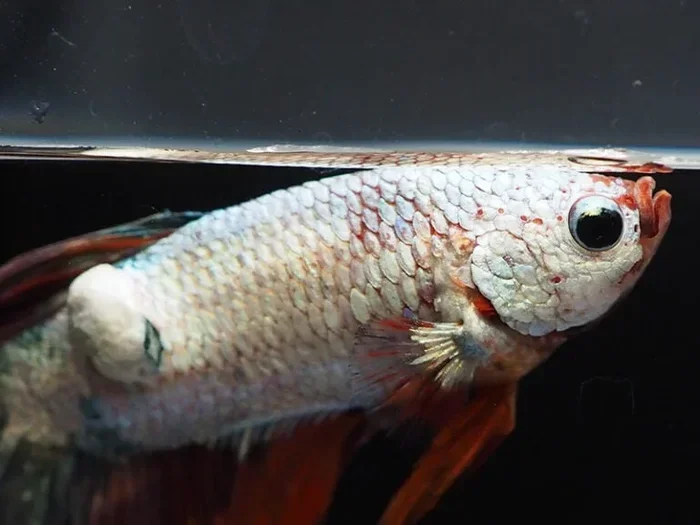
Should a Betta Fish Have a Light
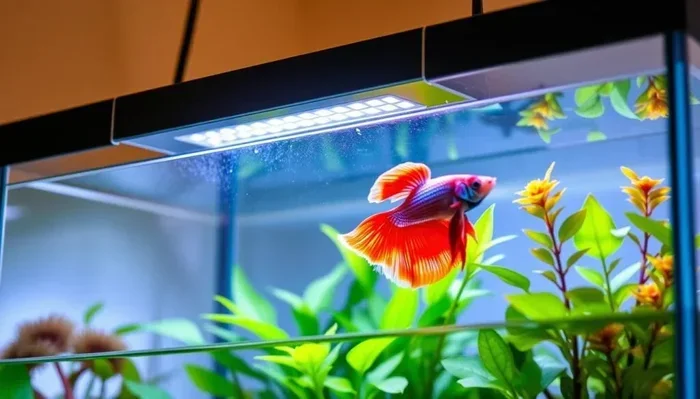
Should a betta fish have a light? Yes, but with careful control. Betta fish benefit from a proper light schedule that mimics their natural habitat. The right betta fish tank light supports their health, color, and sleep cycle. Too much or too little light can cause stress and health problems. This guide covers everything you need to know about lighting your betta fish tank correctly.
Should a betta fish have a light? This is one of the most common questions new betta owners ask. The short answer is yes. But the full answer involves understanding how light affects your betta’s health, mood, and overall well-being.
Betta fish come from warm, shallow waters in Southeast Asia. In their natural habitat, they experience a natural day-night cycle. Replicating that cycle in a home aquarium is essential. A betta fish tank light helps you do exactly that. Without proper lighting, your betta can become stressed, lose its vibrant colors, or develop irregular sleep patterns.
In this guide, we will walk through everything you need to know about lighting your betta fish tank. We will cover the types of lights, how long to keep them on, and common mistakes to avoid. By the end, you will feel confident about setting up the perfect lighting environment for your betta.
Key Takeaways
- Betta fish need light: Light helps regulate their sleep cycle and supports natural behavior.
- LED lights are ideal: They are energy-efficient, safe, and provide the right spectrum for bettas.
- 8-10 hours of light per day is enough: More than that can stress your fish and promote algae growth.
- Avoid direct sunlight: It causes temperature swings and algae blooms in the tank.
- Light affects betta health: Proper lighting boosts color vibrancy and reduces stress.
- A timer is a great investment: It automates the light schedule and keeps things consistent.
📑 Table of Contents
Why Do Betta Fish Need Light?
Betta fish are not nocturnal. They are active during the day and rest at night. This means they need a consistent light cycle to stay healthy. Light plays a bigger role in your betta’s life than most people realize.
In the wild, bettas live in rice paddies, slow-moving streams, and shallow ponds. These environments get natural sunlight during the day and go dark at night. Your betta’s body follows this rhythm. When you keep a betta in a tank, you become responsible for recreating that natural rhythm.
Here are the main reasons why light matters for betta fish:
- Sleep regulation: Betta fish need darkness to sleep properly. A consistent light schedule tells their body when to wake up and when to rest.
- Color enhancement: Proper lighting brings out the brilliant colors of your betta. Without light, their fins and scales can look dull.
- Plant health: If you have live plants in your betta tank, they need light to photosynthesize and survive.
- Natural behavior: Light encourages your betta to be active, explore, and display natural behaviors.
So should a betta fish have a light? Absolutely. But the key is getting the balance right. Too much light causes stress. Too little light causes dull colors and lethargy. The goal is to mimic the gentle, natural light conditions of their native habitat.
Types of Lights for a Betta Fish Tank
Not all lights are created equal. When choosing a light for your betta tank, you have several options. Let us break them down so you can make the best choice.
LED Lights
LED lights are the gold standard for betta fish tanks. They are energy-efficient, produce very little heat, and last for years. Most modern aquarium LED lights come with adjustable settings. You can control brightness and even change the color spectrum.
Why LED lights work well for bettas:
- They do not raise the water temperature, which is important since bettas need warm water.
- They provide a full spectrum of light that enhances your betta’s colors.
- They are affordable and widely available.
- Many LED lights come with built-in timers.
If you are wondering whether can betta fish have LED light, the answer is a definite yes. LED lights are safe, gentle, and perfect for betta tanks of any size.
Fluorescent Lights
Fluorescent lights are another common option. They are often built into aquarium hoods and provide even lighting across the tank. However, they produce more heat than LEDs and are less energy-efficient. They also do not last as long.
Incandescent Lights
You should avoid incandescent lights for betta tanks. They generate a lot of heat, which can raise the water temperature to dangerous levels. Betta fish need stable temperatures, and an incandescent bulb can throw that off quickly.
Natural Sunlight
Some people place their betta tank near a window to use natural light. While this sounds nice, it comes with serious risks. Direct sunlight causes rapid temperature changes and promotes algae blooms. It is best to avoid relying on natural light as your primary source.
How Long Should You Keep the Light On?
This is where many betta owners make mistakes. The answer is not “as long as you want.” Betta fish need a consistent schedule, just like they would experience in the wild.
The ideal light duration for a betta fish tank is 8 to 10 hours per day. This gives your betta enough light to be active and healthy while also providing plenty of darkness for rest.
Here is a simple breakdown of a good light schedule:
- Morning: Turn the light on when you wake up, or set a timer for early morning.
- Daytime: The light stays on for 8 to 10 hours total.
- Evening: Turn the light off 8 to 10 hours after you turned it on.
- Night: The tank stays dark so your betta can sleep peacefully.
Can you leave a betta fish tank light on all night? No. Leaving the light on 24/7 is harmful. It disrupts your betta’s sleep cycle, causes stress, and encourages algae growth. If you want your tank to look nice at night, consider a small moonlight LED. These dim blue lights let you view the tank without disturbing your betta’s rest.
Consistency matters more than exact timing. Try to turn the light on and off at the same times every day. Your betta will adjust to the routine and thrive. Using a simple outlet timer is one of the best investments you can make for your tank.
How Light Affects Betta Fish Health
Light is not just about making your tank look pretty. It has a direct impact on your betta fish health. Understanding this connection helps you make better decisions for your fish.
When a betta fish receives the right amount of light, several positive things happen. Their colors become more vibrant. Their appetite improves. They become more active and curious. Their immune system functions better, which helps them fight off disease.
On the other hand, poor lighting can cause real problems. Here are some issues linked to improper light:
- Stress: Too much light or erratic schedules make bettas anxious. Stressed fish are more prone to illness.
- Sleep disorders: Without a dark period, bettas cannot rest properly. This weakens their immune system over time.
- Algae overgrowth: Excess light feeds algae, which can take over the tank and degrade water quality.
- Color fading: Insufficient light causes betta colors to fade and look dull.
If you notice your betta hiding more than usual or looking pale, check the lighting first. Often, a simple adjustment to the light schedule can make a big difference. Also, make sure your tank has places where your betta can retreat to darkness when it wants to rest.
Common Mistakes About Betta Fish Lighting
Even experienced fish keepers sometimes make lighting mistakes. Here are the most common ones and how to avoid them.
Mistake 1: Leaving the Light On 24/7
This is the number one mistake. Some people think more light equals a happier fish. The opposite is true. Betta fish need darkness to sleep and recharge. Keeping the light on all day and night leads to exhaustion and stress.
Mistake 2: Placing the Tank in Direct Sunlight
A sunny window might look like a great spot for your tank. But direct sunlight causes wild temperature swings and feeds algae like crazy. Keep your betta tank away from windows and use artificial lighting instead.
Mistake 3: Using the Wrong Bulb
Not every bulb works for a betta tank. High-wattage bulbs overheat the water. Colored bulbs confuse your betta’s natural rhythms. Stick with a quality LED aquarium light designed for freshwater tanks.
Mistake 4: Ignoring the Light Schedule
Random light patterns confuse betta fish. They need consistency. If you forget to turn the light on or off, use a timer. It takes the guesswork out of the equation and keeps your betta on a healthy routine.
Expert Tips for the Perfect Betta Fish Lighting Setup
Setting up the right lighting does not have to be complicated. Follow these practical tips to give your betta the best environment.
Tip 1: Use a timer. A cheap outlet timer costs just a few dollars and automates your entire light schedule. Set it and forget it.
Tip 2: Choose a full-spectrum LED. Full-spectrum lights replicate natural sunlight and bring out the best in your betta’s colors. Look for lights rated for freshwater aquariums.
Tip 3: Keep the light at the right intensity. Betta fish prefer moderate light. If the tank looks harshly bright, dim it down. If it looks too dark, increase the intensity slightly.
Tip 4: Add plants and decorations. Live plants and caves give your betta places to explore and hide. They also help absorb excess light and reduce algae. If you are wondering about plants, you can check out can I have a betta fish with plants for more ideas.
Tip 5: Monitor water temperature. Lighting affects tank temperature. Make sure your heater is working properly and the temperature stays between 76 and 82 degrees Fahrenheit. You can learn more about ideal temperatures here.
Tip 6: Observe your betta’s behavior. Your betta will tell you if the lighting is right. Active swimming, bright colors, and a good appetite mean the light setup is working. Lethargy, hiding, or loss of color means it is time to make adjustments.
For more on creating a healthy tank environment, you might also want to check out should a betta fish have a filter to ensure your tank is properly cycled and clean.
Quick Tips at a Glance
- Keep the light on for 8 to 10 hours per day.
- Use LED lights for safety and efficiency.
- Never leave the light on overnight.
- Avoid placing the tank in direct sunlight.
- Use a timer for consistency.
- Choose full-spectrum lighting for the best results.
- Watch your betta’s behavior to fine-tune the setup.
Conclusion
So, should a betta fish have a light? Yes, without a doubt. A proper betta fish tank light is essential for your fish’s health, happiness, and color. The key is finding the right balance. Use an LED light, keep it on for 8 to 10 hours per day, and maintain a consistent schedule. Avoid common mistakes like leaving the light on all night or placing the tank in direct sunlight.
Your betta fish depends on you to create a comfortable environment. Lighting might seem like a small detail, but it makes a huge difference. Take the time to set up the right light, and your betta will reward you with vibrant colors, active behavior, and a long, healthy life.
Start today. Check your current light setup, make any needed adjustments, and enjoy watching your betta thrive in a well-lit, happy home.
Frequently Asked Questions
Can betta fish see in the dark?
Betta fish have limited vision in complete darkness. They rely on their other senses, like their lateral line and sense of smell, to navigate at night. This is why a consistent dark period is so important for their rest and overall well-being.
What kind of light is best for a betta fish tank?
Full-spectrum LED lights are the best choice for betta fish tanks. They are energy-efficient, produce minimal heat, and enhance your betta’s natural colors. Avoid incandescent bulbs and colored lights, as they can stress your fish.
Can too much light harm a betta fish?
Yes, too much light can harm your betta. Excess light causes stress, disrupts sleep, and promotes algae growth. Stick to 8 to 10 hours of light per day and provide shaded areas in the tank where your betta can retreat.
Do betta fish need light at night?
No, betta fish do not need light at night. In fact, darkness is essential for their sleep cycle. Leaving the light on overnight can cause stress, exhaustion, and behavioral problems. Use a timer to automatically turn the light off in the evening.
How can I tell if my betta fish is stressed by the light?
Signs of light-related stress include hiding, loss of color, lethargy, and erratic swimming. If you notice these behaviors, check your light intensity and schedule. Reducing the hours of light or moving the tank away from bright reflections can help.
Should I use a light if my betta tank has no live plants?
Yes, even without live plants, your betta still needs light. Light regulates their sleep cycle, supports their immune system, and keeps their colors vibrant. The light is about your betta’s well-being, not just the plants.