Is a Low Light Bulb Good for My Betta Fish
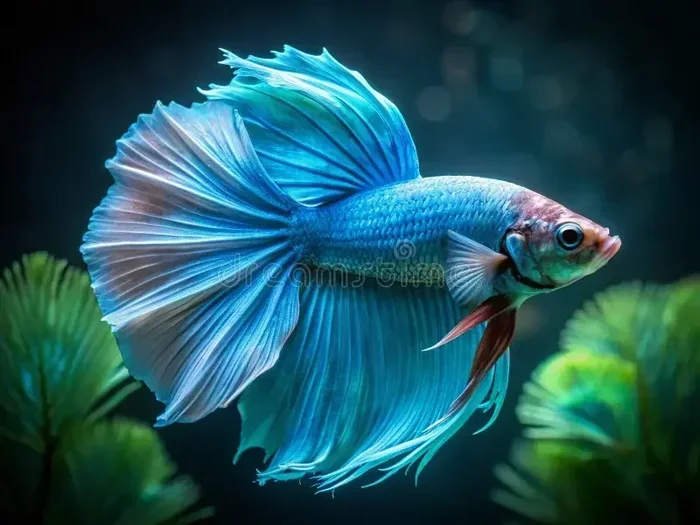
A low light bulb can be a great choice for your betta fish tank. Bettas naturally live in warm, shaded waters with gentle light. Using a low light aquarium setup helps reduce stress and keeps your fish healthy and happy.
Have you ever wondered whether a low light bulb is the right choice for your betta fish tank? Many new fish owners make the mistake of picking the brightest bulb they can find. They think more light means a happier fish. But that is not always true.
Betta fish come from slow-moving, shallow waters in Southeast Asia. These areas have canopy cover, fallen leaves, and filtered sunlight. In other words, bettas are used to dim, soft lighting. A low light aquarium setup actually feels more like home to them.
Using the right light intensity in your tank does more than just look nice. It affects your fish’s mood, appetite, sleep, and overall betta fish health. In this guide, we will cover everything you need to know about betta fish lighting. You will learn why low light works, what happens if the light is too bright, and how to set up the perfect environment for your finned friend.
Key Takeaways
- Bettas prefer dim lighting: Their natural habitat has filtered, soft light, so a low light bulb mimics their wild environment perfectly.
- Low light reduces stress: Bright bulbs can cause anxiety, hiding behavior, and even health problems in betta fish.
- Live plants thrive in low light too: Many aquarium plants do well with dim settings and help keep the water clean.
- LED lights are ideal: They produce low heat, use less energy, and offer adjustable brightness for your betta fish tank.
- Light cycle matters more than brightness: Keeping a consistent 8-10 hour light schedule is more important than the type of bulb you choose.
- Avoid direct sunlight: It causes algae blooms and temperature swings that harm your betta fish care routine.
📑 Table of Contents
Why Bettas Prefer Low Light
Understanding your betta fish’s natural habitat is the first step to setting up a proper tank. Bettas live in rice paddies, floodplains, and slow streams. These environments have dense vegetation that blocks much of the direct sun. The light that does reach the water is soft and diffused.
When you place a betta fish in a brightly lit tank, it can feel overwhelmed. Think about it this way. Imagine walking from a dark room into a room with blinding overhead lights. That is what a bright bulb feels like to your fish.
Betta Fish Behavior in Different Light Conditions
Your betta fish will tell you a lot about its comfort level based on how it behaves. In a low light aquarium, bettas tend to:
- Swim more freely and explore the tank
- Show off their colors more vibrantly
- Build bubble nests more often
- Eat with enthusiasm during feeding time
- Rest comfortably without hiding constantly
On the other hand, too much light exposure betta can trigger stress. You might notice your fish hiding under rocks or plants. Some bettas even stop eating when the light feels too harsh. If you see these signs, it is time to reconsider your aquarium brightness levels.
One important thing to remember is that light-sensitive fish like bettas need a day and night cycle. Even with a low light bulb, you should turn it off at night. This helps your fish rest properly and stay healthy.
Benefits of Using a Low Light Bulb
Switching to a low light bulb for your betta fish tank comes with several real advantages. Let us break them down so you can see exactly why this simple change matters.
1. Reduced Stress and Better Health
Stress is one of the biggest threats to betta fish health. When a fish feels safe, its immune system works properly. A dim light aquarium creates a calm atmosphere that helps your betta feel secure. Less stress means fewer illnesses and a longer, happier life for your fish.
2. Algae Control
Here is a bonus benefit that many fish owners love. Low light aquarium setups produce less algae. Bright bulbs feed algae growth, which can quickly take over your tank. With a low light bulb, you spend less time scrubbing glass and more time enjoying your fish.
3. Better Sleep for Your Betta
Just like humans, bettas need a proper dark period to rest well. A gentle LED light for betta that dims or turns off at night supports healthy sleep patterns. Poor sleep can make your fish lethargic and more prone to disease.
4. Natural Aesthetic
A softly lit tank looks beautiful and natural. The low light aquarium creates gentle shadows and highlights your betta’s flowing fins. Many aquarists prefer this look because it resembles the wild habitats where bettas come from.
What Happens If the Light Is Too Bright
Using a bulb that is too powerful for a betta fish tank can cause real problems. Let us look at what goes wrong when the light intensity is too high.
Common Problems Caused by Bright Lights
- Increased stress levels — Your betta may hide constantly or flare at its own reflection more often.
- Algae blooms — Bright light feeds algae fast. You will find green slime on glass, gravel, and plants.
- Temperature swings — Some bulbs generate heat that raises the water temperature too much.
- Disrupted sleep — Bettas need darkness to rest. A bright light left on at night messes up their internal clock.
- Loss of color — Stressed bettas often fade in color. A dim environment helps them stay vibrant.
If you are currently using a bright bulb, do not panic. You can simply switch to a low light bulb and monitor your fish for improvement. Most bettas adjust within a few days once the lighting is more comfortable.
Choosing the Right Low Light Bulb
Not all low light bulbs are created equal. Let us talk about what to look for when shopping for betta fish lighting.
LED Lights Are the Best Choice
Most experts agree that LED lights are the top pick for betta fish care. Here is why:
- Low heat output: LEDs do not warm the water like older bulb types. This keeps your betta fish temperature stable.
- Energy efficient: They use very little electricity, which saves you money over time.
- Adjustable brightness: Many LED lights for betta come with dimmer settings so you can control the light intensity.
- Long lifespan: A good LED bulb can last for years without needing a replacement.
- Color options: You can choose warm tones that look natural and feel comfortable for your fish.
Wattage and Brightness Guidelines
For a standard betta fish tank between 5 and 10 gallons, a low wattage bulb between 5 and 15 watts works well. You want enough light to see your fish clearly but not so much that the tank feels harsh. Think of it as a soft morning glow, not a spotlight.
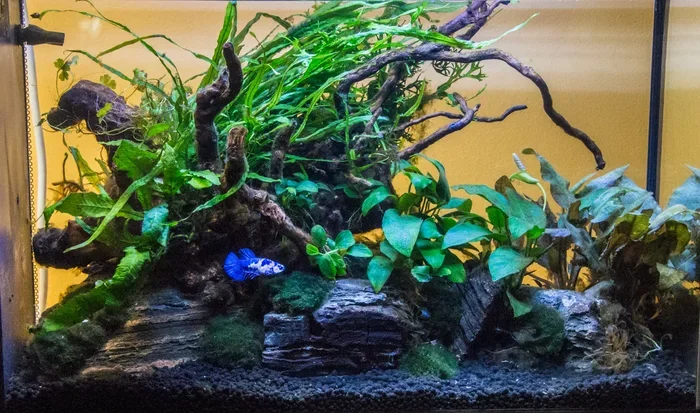
If your tank has live plants, look for low light aquarium plants that thrive in dim conditions. Plants like java fern, anubias, and java moss do well with gentle LED light for betta setups. They also help filter the water naturally, which benefits your fish.
Setting Up the Perfect Light Schedule
Choosing the right low light bulb is only half the equation. How you use the light matters just as much. A consistent light cycle for betta is essential for your fish’s well-being.
Recommended Light Schedule
Follow these simple steps to create the ideal day-night routine:
- Turn the light on in the morning and keep it on for 8 to 10 hours.
- Turn the light off in the evening to give your betta a natural dark period.
- Use a tank light timer if you tend to forget. This ensures consistency every single day.
- Avoid direct sunlight on the tank. It causes uneven heating and rapid algae growth.
Consistency is key. Bettas thrive on routine. When the light schedule stays the same, your fish feels safe and predictable. This reduces betta fish stress and encourages natural behaviors like building bubble nests and exploring the tank.
Some owners ask, “Can you leave a betta fish tank light on all the time?” The answer is no. Constant light disrupts sleep and encourages algae. Always give your betta a clear dark period every 24 hours.
Common Mistakes to Avoid
Even experienced fish keepers sometimes make lighting mistakes. Here are a few common ones you should watch out for.
Mistake 1: Using a Bulb Meant for Tropical Plants
High-intensity bulbs designed for planted tanks are overkill for a simple betta fish tank. They produce too much light intensity and can overheat the water. Stick with a low light bulb that is specifically suited for bettas.
Mistake 2: Placing the Tank Near a Window
Natural light feels nice, but direct sun through a window creates hot spots in the water. It also triggers massive algae growth. Keep your betta fish aquarium away from windows and rely on your low light bulb as the primary light source.
Mistake 3: Ignoring the Night Cycle
Some people leave a small night light on for their fish. This is unnecessary and can disrupt rest. Bettas need complete darkness at night. If you want to admire your tank after hours, use a dim room light in the hallway instead.
Mistake 4: Overlooking Water Temperature
Lighting and temperature go hand in hand. A bulb that produces too much heat can push the water past what is safe for bettas. If you are ever unsure about the right temperature, check guides on what is the best temperature for a betta fish tank to keep your fish in the comfort zone.
Expert Insights on Betta Fish Lighting
Many professional aquarists agree that less is more when it comes to lighting a betta tank. The goal is to replicate the gentle, filtered light of a betta’s natural home. A low light aquarium does exactly that.
Experts also point out that betta fish care goes beyond just the light. Water quality, temperature, and tank mates all play a role. If you are thinking about adding companions to your tank, check out our guide on what is a good tank mate for a betta fish to make informed choices.
Another helpful resource is understanding how plants interact with your lighting setup. Not all plants need bright light. In fact, many low-light plants pair beautifully with a dim light aquarium and help create a thriving ecosystem for your betta.
If you are curious about how light affects your betta’s daily routine, you might also enjoy reading about why your betta fish might be sleeping a lot, as lighting plays a bigger role in their rest patterns than many owners realize.
Conclusion
To answer the question directly: yes, a low light bulb is an excellent choice for your betta fish. It mimics their natural habitat, reduces stress, controls algae, and promotes healthy sleep. Combined with the right LED light for betta and a consistent schedule, your fish will thrive in a comfortable, beautiful environment.
Remember, betta fish lighting is not about making the tank look impressive. It is about creating a home where your fish feels safe and relaxed. Keep the light dim, the schedule consistent, and your betta fish tank will be a happy place for everyone.
Start with a simple low light bulb today and watch how your betta responds. You will likely see more vibrant colors, better appetite, and a more active, confident fish. That is the power of getting the light right.
Frequently Asked Questions
Can I use a regular household bulb for my betta fish tank?
It is not recommended. Regular household bulbs often produce too much heat and harsh light for a betta fish tank. A dedicated LED light for betta is a much safer and more effective choice. Look for bulbs labeled as low wattage and dimmable.
How many hours of light does a betta fish need each day?
Betta fish need about 8 to 10 hours of light per day. This mimics their natural environment where they experience gentle daylight followed by a dark night. Using a tank light timer makes it easy to keep this schedule consistent without thinking about it every day.
Will my betta fish be okay in a completely dark tank?
No, bettas need some light to maintain their health and natural rhythms. A low light aquarium is ideal because it provides enough visibility without overwhelming your fish. Complete darkness for extended periods can cause stress and disrupt their day-night cycle.
Can bright light kill a betta fish?
Bright light alone rarely kills a betta directly, but it can cause severe stress that weakens their immune system over time. A weakened betta becomes more vulnerable to diseases and infections. This is why keeping the light intensity low is such an important part of betta fish care.
Do betta fish like colored lights in their aquarium?
Most bettas do well with soft, warm-toned lights. Avoid flashing or rapidly changing colors, as these can startle your fish. A steady, dim LED light for betta with adjustable warmth creates a calm and natural feel that your betta will appreciate.
Can I keep live plants in a low light betta tank?
Absolutely. Many popular aquarium plants thrive in low light aquarium conditions. Java fern, anubias, java moss, and amazon sword plants all do well with gentle lighting. These plants also help absorb nitrates and produce oxygen, which benefits your betta fish health overall.