Is Top Fin a Good Tank for Betta Fish
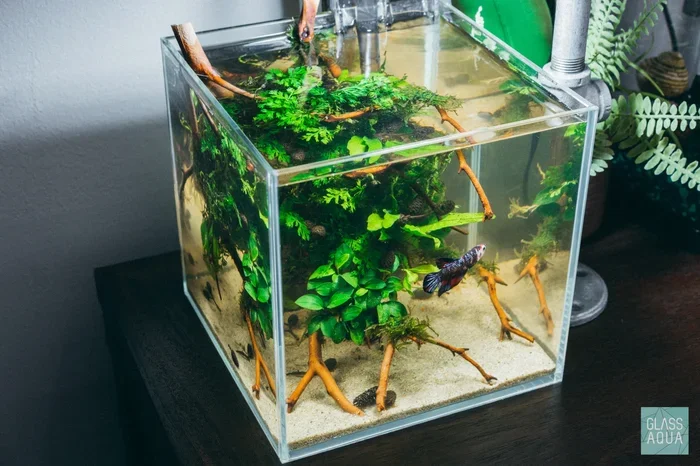
Top Fin tanks can work for betta fish, but they are not always the best choice. The brand offers several sizes, and smaller models may not give your betta enough room to thrive. You will need to check the filter strength, heater compatibility, and tank height before making a purchase. This guide breaks down everything you need to know about using a Top Fin tank for your betta.
So you are thinking about buying a Top Fin tank for your betta fish. Maybe you saw one at your local pet store, or maybe a friend recommended it. Either way, you want to know if it is a solid choice. The truth is, Top Fin makes several different aquariums, and not all of them are created equal when it comes to housing bettas.
A betta fish tank needs to meet specific requirements. Your fish needs enough space, gentle filtration, stable heat, and a safe lid. Some Top Fin models check all these boxes. Others fall short. In this article, we will walk you through everything you need to consider before picking a Top Fin tank for your betta.
By the end of this guide, you will know exactly which Top Fin tanks work, which ones to avoid, and how to set up a healthy betta fish habitat no matter which tank you choose. Let us dive in.
Key Takeaways
- Top Fin tanks come in many sizes: Some work well for bettas, while others are too small or have strong filters.
- A 5-gallon or larger tank is ideal: Bettas need space to swim and stay healthy, and a small cramped tank causes stress.
- Filter strength matters a lot: Top Fin filters can be too powerful for bettas, so you may need to baffle or replace them.
- Heating and lighting are essential: Not all Top Fin tanks include a heater, and bettas need warm, stable water temperatures.
- Setup and maintenance are straightforward: With the right adjustments, a Top Fin tank can become a great betta habitat.
- Consider alternatives if needed: Brands like Aqueon and Fluval offer tanks designed specifically for bettas with gentler filtration.
📑 Table of Contents
What Is a Top Fin Tank?
Top Fin is a brand owned by PetSmart. They make a wide range of aquarium kits, from small bowls to large setups. The kits usually come with a tank, a filter, a light, and sometimes a heater. Top Fin tanks are popular because they are affordable and easy to find. You can grab one at most PetSmart stores or online.
However, affordability does not always mean quality. Many aquarium tank brands cut corners to keep prices low. For betta fish, this can be a problem. Bettas are tropical fish that need specific water conditions. A tank that looks nice on the shelf might not give your fish what it needs to stay healthy.
Common Top Fin Tank Sizes
Top Fin sells tanks in several sizes. Here are the most common ones you will see:
- 1 gallon: Very small, often sold as desktop or starter tanks.
- 2.5 gallon: Slightly bigger but still quite small for most fish.
- 3 gallon: A step up, but still on the tight side for bettas.
- 5 gallon: The minimum recommended size for a single betta.
- 10 gallon and larger: Great for bettas and potential tank mates.
When it comes to bettas, bigger is always better. If you want to learn more about the right what is a good size tank for a betta fish, check out our detailed guide on tank sizing.
Is a Top Fin Tank Good for Betta Fish?
The short answer is: it depends on the model. A Top Fin 5 gallon or larger tank can work well for a betta. But smaller models, especially the 1 and 2.5 gallon versions, are not ideal. Here is why.
Bettas need room to swim. They are active fish, even though they move slowly. A tiny tank restricts their movement and causes stress. Stressed bettas get sick more often. They may also develop behavioral issues like fin nipping or lethargy.
Another concern with small Top Fin tanks is water quality. Small volumes of water change chemistry quickly. Ammonia spikes can happen fast, and these spikes can be deadly for your fish. A larger tank gives you more buffer and stability.
If you are set on a Top Fin tank, go for the 5 gallon size or bigger. This gives your betta enough space to explore and stay healthy. You can also find great information on what is the best tank size for a betta fish to help you decide.
Filtration: Does the Top Fin Filter Work for Bettas?
This is one of the biggest concerns with Top Fin tanks. The filters that come with these kits are often too strong for bettas. Betta fish are not powerful swimmers. A filter that creates a heavy current can tire your fish out and make it hard for them to eat or rest.
Here is what you should know about Top Fin filters:
- Flow rate is usually too high: Most Top Fin filters move more water than a betta can comfortably handle.
- Intake tubes can be dangerous: Bettas have long fins that can get sucked into the intake.
- Replacements are easy to find: You can swap the filter media or buy a gentler filter.
The good news is that you can fix this problem easily. You can baffle the filter outflow with a sponge or piece of filter floss. This slows the water flow down. Some betta owners replace the stock filter with an airline sponge filter, which provides gentle mechanical and biological filtration.
If you want to learn more about choosing the right filtration, our article on a good filter for betta fish covers the best options in detail.
How to Baffle a Top Fin Filter
Baffling means reducing the water flow from the filter. Here is a simple way to do it:
- Take a piece of filter floss or a clean sponge.
- Place it over the filter outflow nozzle.
- Secure it with a rubber band or suction cup.
- Check the flow. Your betta should be able to swim comfortably against it.
This simple trick makes a Top Fin tank much more betta-friendly. It takes about two minutes and costs almost nothing.
Heating and Temperature Control
Betta fish are tropical. They need warm water to stay healthy. The ideal temperature range is between 76 and 82 degrees Fahrenheit. Without a heater, room temperature water is almost always too cold for a betta.
Here is the thing about Top Fin tanks. Some kits include a small hang-on-back heater. Others do not include any heater at all. Even the ones that come with a heater may not be reliable or easy to adjust.
For this reason, many betta experts recommend buying a separate submersible aquarium heater. These are inexpensive and much more precise. You can set the temperature exactly where you need it and trust that it will hold steady.
Want to know more about the best temperature for your betta? Check out our guide on what is the best temperature for a betta fish tank.
Why Temperature Stability Matters
Bettas do not like sudden temperature changes. A drop of just a few degrees can stress your fish. Stress weakens the immune system. A weakened immune system leads to diseases like ich, fin rot, and fungal infections.
Here are some quick tips for keeping the temperature stable:
- Place the tank away from windows and drafty areas.
- Use a reliable heater with a thermostat.
- Check the temperature daily with an aquarium thermometer.
- Do not place the tank near air conditioning vents.
Setting Up Your Top Fin Tank for a Betta
If you have decided to use a Top Fin tank for your betta, proper setup is key. A rushed setup can lead to water quality problems and an unhappy fish. Take your time and follow these steps.
Step 1: Rinse and Prepare the Tank
Before you add anything, rinse the tank with clean water. Do not use soap or detergent. Soap residue is toxic to fish. Place the tank on a sturdy, level surface. A full water tank is heavy, so make sure your stand can handle the weight.
Step 2: Add Substrate
You can use gravel or sand as a substrate. Just make sure it is rinsed thoroughly before adding it to the tank. Aquarium gravel is easier to clean, while sand looks more natural and is gentler on betta fins.
Step 3: Install Equipment
Set up your filter, heater, and thermometer. Remember to baffle the filter if needed. Place the heater near the filter outflow so the warm water circulates evenly throughout the tank.
Step 4: Add Water and Treat It
Fill the tank with dechlorinated water. You can use a water conditioner to remove chlorine and chloramine from tap water. Let the tank run for at least 24 hours before adding your betta. This gives the filter time to start cycling and the temperature time to stabilize.
Need a full walkthrough? Our article on how to set up a fish tank for betta fish provides a detailed, step-by-step process.
Step 5: Add Decorations and Plants
Bettas love places to hide and explore. Add some live or silk plants, caves, and driftwood. Avoid sharp decorations that can tear their delicate fins. Live plants also help keep the water clean by absorbing nitrates.
Common Mistakes to Avoid with Top Fin Tanks
Even with the best intentions, betta owners make mistakes. Here are the most common ones when using a Top Fin tank:
- Using a tank that is too small: Anything under 5 gallons is risky for a betta’s long-term health.
- Skipping the heater: Room temperature water is not warm enough for bettas.
- Ignoring filter flow: A strong current exhausts your betta and makes it hard to eat.
- Overfeeding: Leftover food fouls the water quickly in small tanks.
- Not cycling the tank: Adding a betta to an uncycled tank exposes it to toxic ammonia.
Avoiding these mistakes will set you up for success. Your betta will live a longer, happier life in a well-maintained Top Fin aquarium.
When to Consider a Different Tank Brand
Top Fin tanks are not the only option. If you find that a Top Fin model does not meet your needs, there are plenty of alternatives. Brands like Aqueon, Fluval, and Marina make tanks that are better suited for bettas. Some come with built-in adjustable filters and heaters designed for small fish.
If you are curious about other options, our article on what is the best tank for betta fish reviews the top tanks available on the market right now.
Also, if you are thinking about adding tank mates, make sure you read our guide on what is a good tank mate for a betta fish. Bettas can be territorial, and choosing the right companions makes a big difference.
Final Thoughts
So, is Top Fin a good tank for betta fish? The answer is yes, but with some important caveats. You need to choose the right size, adjust the filter flow, add a reliable heater, and maintain good water quality. A Top Fin 5 gallon tank or larger can provide a comfortable home for your betta.
Remember, the tank is just the beginning. Regular water changes, proper feeding, and careful monitoring are what truly keep your betta healthy. Take the time to learn about betta fish care, and your fish will reward you with vibrant colors and lively behavior.
A happy betta is a healthy betta. And a healthy betta makes for a happy fish owner. Start with the right setup, stay consistent with maintenance, and enjoy the wonderful world of betta keeping.
Frequently Asked Questions
Can I keep a betta fish in a Top Fin 1 gallon tank?
Technically you can, but it is not recommended. A 1 gallon tank is too small for a betta to thrive. Water parameters fluctuate rapidly in such a small volume, which causes stress and health problems. If you must use a small tank, be prepared to do frequent water changes and monitor conditions closely.
Do Top Fin tanks come with a heater?
Some Top Fin kits include a small heater, but not all of them. The heaters included are often basic and may not be very accurate. For best results, buy a separate submersible heater designed for aquariums. This gives you more control over the temperature and keeps your betta comfortable.
Is the Top Fin filter too strong for bettas?
In most cases, yes. The filters that come with Top Fin tanks are designed for general aquarium use and often create too much flow for a betta. You can baffle the filter with a sponge or filter floss to reduce the current. Alternatively, you can replace it with a gentler sponge filter.
How often should I clean a Top Fin betta tank?
For a 5 gallon or larger tank, do a 25 percent water change every week. For smaller tanks, you may need to do changes more frequently. Always use a water conditioner when adding new water. Avoid cleaning everything at once, as this can remove beneficial bacteria that keep your tank cycled.
Can I use a Top Fin tank for a betta with tank mates?
Yes, but only if the tank is large enough. A 10 gallon or larger tank gives you more room for compatible tank mates. Make sure you research any potential companions carefully. Not all fish get along with bettas, and overcrowding causes aggression and poor water quality.
Are Top Fin tanks good for beginners?
Top Fin tanks are affordable and widely available, which makes them appealing for beginners. However, they often require modifications like filter baffling and separate heaters. If you are new to fish keeping, invest time in learning about betta fish care basics before setting up your tank. A little extra effort goes a long way.