Is a Longer Rod Better for Surf Fishing
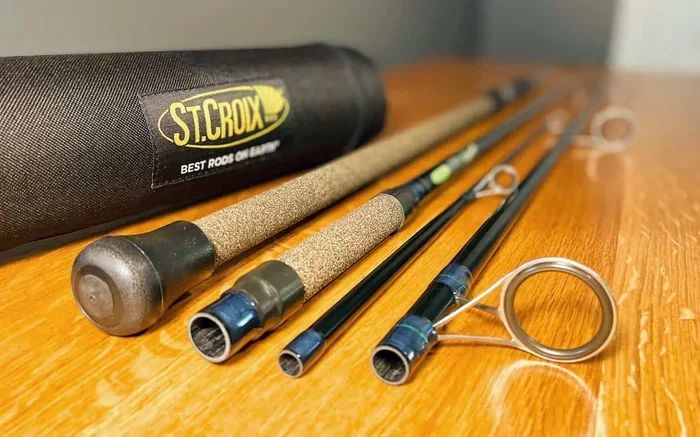
Many anglers wonder if a longer rod is better for surf fishing. The short answer is: it depends on your target species, casting distance needs, and local beach conditions. Longer rods cast farther and handle bigger fish, but shorter rods offer better control and portability. This guide covers everything you need to know about surf fishing rod length so you can make a confident choice.
Surf fishing is one of the most exciting ways to catch fish. Standing on the beach with the waves crashing behind you and a rod in your hands feels like freedom. But here is the question every angler faces: is a longer rod better for surf fishing?
The truth is not as simple as “longer is always better.” Rod length affects your casting distance, hook-setting power, and even how comfortable you feel on the sand. A rod that is too long can tire you out fast. A rod that is too short might not reach the fish you are chasing.
In this guide, we will break down everything you need to know about surf fishing rod length. We will look at the pros and cons of long and short rods, compare options, and give you practical tips. By the end, you will know exactly what rod length fits your style.
If you are also curious about whether a longer or shorter fishing rod works better in general, check out our detailed guide on is a longer or shorter fishing rod better. It covers the same core principles in a broader context.
Key Takeaways
- Longer rods cast farther: A 10-12 foot rod helps you reach deeper water beyond the breaking waves.
- Shorter rods offer more control: They are easier to handle and better for smaller species or tight spaces.
- Rod power and action matter too: Length is just one factor. You also need the right power rating and action for your target fish.
- Beach conditions affect your choice: Wind, wave size, and surf conditions all play a role in what rod length works best.
- There is no one-size-fits-all: The best surf fishing rod length matches your personal fishing style and local conditions.
- Budget matters: Longer rods can cost more, so set a realistic budget before shopping.
📑 Table of Contents
- Why Rod Length Matters for Surf Fishing
- Long Rods vs. Short Rods for Surf Fishing
- How to Choose the Right Rod Length for Surf Fishing
- Rod Power and Action: The Other Half of the Equation
- Best Surf Fishing Rod Lengths by Scenario
- Common Mistakes Surf Anglers Make with Rod Length
- Quick Tips for Surf Fishing Success
Why Rod Length Matters for Surf Fishing
Rod length is one of the most important specs to consider. It shapes how you cast, how you fight fish, and how you move along the beach. Understanding why it matters helps you make a smarter choice.
Casting Distance
The main reason many surf anglers choose longer rods is casting distance. A longer rod creates more leverage. This means your lure or bait flies farther through the air and lands in deeper water. In surf fishing, distance is everything. The fish you want are often hiding past the breakers where the waves crash.
A shorter rod, typically around 7 to 8 feet, will not throw your bait as far. For casual anglers fishing close to shore, this might be fine. But if you want to reach the deeper channels where big fish feed, you need every extra foot of length you can get.
Hook-Setting Power
Longer rods also give you more power when you set the hook. When a fish strikes, a longer blank flexes more and then snaps back with force. This helps you drive the hook deep into the fish’s mouth. For bigger species like striped bass or redfish, this extra power can make the difference between landing a fish and losing it.
However, more power is not always better. If you are targeting smaller species like pompano or whiting, a rod with too much power can make the fight less fun and even break light tackle.
Long Rods vs. Short Rods for Surf Fishing
Let us compare the two main categories. This will help you see the trade-offs clearly.
Long Rods (10-12 Feet)
Long rods are the go-to choice for serious surf anglers. Here is what they bring to the table:
- Greater casting distance: You can reach deeper water with ease.
- Better line control: The longer handle lets you manage your line more precisely.
- More hook-setting power: Great for fighting larger fish in strong current.
- Better angle over waves: The rod tip stays high, keeping your line above the surf.
The downside? Long rods are heavy and bulky. They can be hard to carry along the beach for hours. They also require more space to cast safely. If you are fishing in a crowded beach, a long rod can be a safety risk.
Short Rods (7-9 Feet)
Shorter rods are perfect for casual beach fishing or situations where space is limited. Here is what they offer:
- Lighter and more portable: Easy to walk along the sand with.
- Better accuracy: Shorter rods give you more control over where your bait lands.
- More comfortable for beginners: They feel less intimidating and are easier to handle.
- Better for smaller species: They work great for fish like whiting, bluefish, and small pompano.
The trade-off is distance. You simply cannot cast as far with a short rod. If the fish are holding 100 yards out, a short rod will leave you short-handed.
| Feature | Long Rod (10-12 ft) | Short Rod (7-9 ft) |
|---|---|---|
| Casting Distance | Farther | Shorter |
| Hook-Setting Power | Higher | Moderate |
| Portability | Heavier, bulkier | Light, easy to carry |
| Best For | Big fish, deep water | Small fish, tight spaces |
| Learning Curve | Steeper | Easier |
| Price Range | Higher | More affordable |
How to Choose the Right Rod Length for Surf Fishing
Choosing the right length comes down to a few key factors. Let us walk through them one by one.
Consider Your Target Species
What fish are you after? This should be your first question. If you are chasing big redfish or striped bass, go with a longer rod in the 10 to 12 foot range. These fish fight hard and hold in deep channels far from shore.
If you are targeting smaller species like pompano, croaker, or bluefish, a shorter rod around 8 to 9 feet works well. These fish are often closer to shore, and a shorter rod gives you the precision you need.
Also consider the fishing conditions. On calm days with small waves, a shorter rod can work just fine. On rough days with big surf, a longer rod helps you keep your line above the chaos.
Think About Your Fishing Style
Do you like to walk the beach and cover a lot of ground? Then a shorter, lighter rod is your friend. You do not want to carry a 12-foot rod for miles on the sand.
Do you like to stay in one spot and fish patiently? A longer rod makes sense. You can set up in one place and cast far without moving much.
Your style also affects how you feel during a long session. Comfort matters. If a rod feels awkward or too heavy, you will not enjoy fishing. Try holding different lengths at a local tackle shop before buying.
Check the Local Surf Conditions
Every beach is different. Some have steep drop-offs close to shore. Others have flat, shallow sandbars that extend far out. The local conditions should guide your choice.
On beaches with steep shorelines, you do not need as much length because the water is deep close to you. On flat, shallow beaches, a longer rod helps you reach the deeper water where fish hold.
Wind is another factor. Long rods catch more wind, which can throw off your cast. On windy days, a shorter rod gives you better control. For more on how weather affects fishing, read our article on is fishing better or worse after a storm to understand how conditions change your approach.
Rod Power and Action: The Other Half of the Equation
Length is not the only thing that matters. Rod power and action are equally important for surf fishing success.
Understanding Rod Power
Rod power refers to how much force it takes to bend the rod. It ranges from ultralight to extra heavy. For surf fishing, most anglers use medium to heavy power rods. These handle the weight of heavier lures and sinkers needed to hold your bait in the current.
A medium power rod is a great all-around choice. It is versatile enough for different species and forgiving enough for beginners. Heavy power rods are best for big fish and heavy tackle.
Understanding Rod Action
Rod action describes where the rod bends along its blank. Fast action rods bend near the tip. They are sensitive and great for detecting bites. Moderate action rods bend in the middle. They offer a balance of sensitivity and flexibility.
For surf fishing, a moderate to fast action works well. Fast action gives you better casting distance and hook-setting power. Moderate action provides a more forgiving fight, which is nice when you are learning.
How Length, Power, and Action Work Together
These three specs work as a team. A long rod with heavy power and fast action is a powerhouse. It casts far and handles big fish. But it can be exhausting for a long session.
A medium-length rod with moderate power and moderate action is a balanced setup. It works for many situations and many species. This is often the best starting point for new surf anglers.
If you want to explore more about how rod guides affect performance, check out our article on are more guides on a fishing rod better. More guides can improve line flow and casting distance.
Best Surf Fishing Rod Lengths by Scenario
Sometimes the best way to understand is to look at real-world scenarios. Here are common situations and the ideal rod length for each.
Scenario 1: Beach Fishing for Striped Bass
Striped bass are one of the most popular surf fishing targets. They hold in deep channels and can run strong. For striped bass, a 10 to 12 foot rod with medium-heavy power is ideal. This length gives you the distance and power to reach the zones where stripers feed.
Scenario 2: Pier or Jetty Fishing
Fishing from a pier or jetty is different from open beach fishing. You often have limited space and the water is deeper right below you. A shorter rod around 7 to 9 feet works best here. You do not need extra distance, and a shorter rod gives you better control in tight spaces.
If you are fishing from a pier, you might also want to consider whether a kayak setup could improve your experience. Our article on is a canoe or kayak better for fishing explores this topic in depth.
Scenario 3: Targeting Pompano and Whiting
Pompano and whiting are smaller fish that often stay closer to the shoreline. They do not fight as hard, so you do not need a heavy rod. An 8 to 9 foot rod with medium power and fast action is perfect. It gives you enough distance and sensitivity without being overkill.
Scenario 4: Fishing in Big Surf
When the waves are big and the surf is rough, conditions change quickly. A longer rod, around 10 to 12 feet, helps you keep your line above the turbulent water. The extra length also lets you cast beyond the breaking waves where the water calms down. For more on how surf conditions affect fishing success, see our piece on is high tide or low tide better for surf fishing.
Common Mistakes Surf Anglers Make with Rod Length
Even experienced anglers sometimes make mistakes when choosing rod length. Here are the most common ones to avoid.
Choosing Based on Price Alone
It is tempting to buy the cheapest rod you can find. But a cheap rod that is the wrong length will cost you more in lost fish and frustration. Always prioritize the right length for your situation over the lowest price tag.
Ignoring Local Conditions
Some anglers buy a rod based on what they saw other people using. But every beach is different. A rod that works great on one beach might fail on another. Always consider the local surf, wind, and target species before making a choice.
Going Too Long for Your Skill Level
A 12-foot rod is not always better. If you are a beginner, a 9-foot rod is a much smarter starting point. It is easier to handle, more forgiving, and still effective. You can always upgrade to a longer rod as your skills grow.
Overlooking Rod Material
Rod material affects how the rod feels and performs. Fiberglass rods are durable and flexible, making them great for beginners. Graphite rods are lighter and more sensitive but can be brittle. Composite rods blend the best of both. The material you choose can influence how the length feels in your hands.
Quick Tips for Surf Fishing Success
Here are some fast tips to improve your surf fishing experience regardless of the rod length you choose.
- Match your rod to the fish: Bigger fish need longer, heavier rods. Smaller fish do well with shorter, lighter setups.
- Watch the surf: Big waves call for longer rods. Calm surf allows for shorter, more manageable options.
- Bring a scale: Know how much your rod weighs before you buy. You will be carrying it for hours.
- Practice casting: The more you cast, the better you get. Practice with your chosen rod length before heading out to a real surf spot.
- Keep your gear simple: Start with one versatile rod and add specialized rods later as you learn what works for you.
- Check the tide: Tide changes affect where fish hold. Pair the right rod with the right tide for the best results.
Surf fishing is a rewarding and exciting hobby. The right rod length makes all the difference. Whether you choose a long rod for distance and power or a short rod for control and portability, the key is to match your gear to your goals.
There is no single “perfect” length. The best surf fishing rod is the one that fits your style, your target species, and the beach you fish. Take the time to understand your options, and you will enjoy every minute on the sand.
Remember, fishing is about more than just catching fish. It is about the experience. The sound of the waves, the feel of the rod, and the thrill of a bite make it all worth it. Choose a rod that enhances that experience, and you will look forward to every trip to the beach.
If you are still deciding between options, think about what kind of fish you want to catch and where you plan to fish. Those two factors will guide you to the right rod length more than any other consideration. Start simple, have fun, and let your skills grow over time.
Frequently Asked Questions
Is a longer surf fishing rod always better?
Not always. A longer rod casts farther and handles bigger fish, but it can be heavy and hard to control. The best length depends on your target species, beach conditions, and personal comfort. Choose the length that fits your situation, not the longest one available.
What is the best rod length for beginner surf anglers?
Most beginners do well with an 8 to 9 foot rod. This length is easy to handle, lightweight, and versatile enough for many species. It gives you enough distance to reach good fishing spots without being overwhelming. As you gain experience, you can explore longer or shorter options.
Can I use a short rod for surf fishing?
Yes, you can. Short rods work great for smaller species like whiting and pompano. They are also better for fishing in tight spaces like piers or jetties. The trade-off is shorter casting distance, but for many surf fishing situations, that is perfectly fine.
Does rod length affect how far I can cast?
Yes, rod length directly affects casting distance. Longer rods generate more leverage and throw your bait farther. If you need to reach deep water beyond the breakers, a longer rod is essential. For fishing closer to shore, a shorter rod works just as well.
Should I match my rod length to the tide?
It helps. During high tide, fish move closer to shore and you may not need a long rod. During low tide, fish hold farther out and a longer rod helps you reach them. Understanding tide patterns is a key part of choosing the right setup. For more details, check out our article on is high tide or low tide better for fishing.
What rod power is best for surf fishing?
Medium to heavy power is the most versatile choice for surf fishing. Medium power works well for a range of species and is forgiving for beginners. Heavy power is better if you are specifically targeting large, strong fish like striped bass or redfish in heavy surf.
=== CONCLUSION ===
So, is a longer rod better for surf fishing? The answer comes down to your needs. Longer rods give you distance and power. Shorter rods give you control and comfort. The best choice is the one that matches your fishing style, target species, and local beach conditions.
Take the time to understand the trade-offs. Try different lengths if you can. And most importantly, enjoy the process of finding the perfect setup. Surf fishing is a journey, and the right rod makes every trip more rewarding.
Now that you know more about surf fishing rod length, it is time to hit the beach. Grab your gear, pick the right rod, and make the most of your next fishing adventure. Tight lines and good waves to you!