Is a Male or Female Betta Fish Better

Choosing between a male or female betta fish depends on your tank setup and experience level. Male bettas have longer fins and brighter colors, while females are calmer and easier to keep in groups. This guide helps you pick the right betta fish gender for your home.
When you walk into a pet store and stare at the beautiful betta fish tanks, one question pops up fast. Should you pick a male or female betta fish? It is a choice that many new fish owners face, and it matters more than you might think.
The truth is, both genders have real perks. Male bettas flash stunning colors and long, dramatic fins that turn heads. Female bettas bring a calmer vibe and can sometimes share a tank with other fish. Your best pick depends on what you want from your aquarium experience.
In this guide, we break down everything you need to know. We compare looks, temperament, care needs, and tank compatibility. By the end, you will know exactly which betta fish gender fits your home.
Key Takeaways
- Males are more colorful: Male bettas display vibrant hues and long flowing fins that make them popular aquarium pets.
- Females are more peaceful: Female bettas tend to be less aggressive and can sometimes live together in a sorority tank.
- Tank setup matters: Your choice between male or female betta fish should match your tank size and existing fish.
- Breeding potential differs: Only female bettas can produce eggs, and males build bubble nests for reproduction.
- Personality varies: Each betta fish gender has unique behavior patterns that affect how you care for them.
- Lifespan is similar: Both male and female bettas live around 3 to 5 years with proper care.
- Compatibility is key: Understanding betta fish behavior helps you decide which gender fits your aquarium best.
📑 Table of Contents
Male vs Female Betta Fish: Appearance
One of the first things you notice when comparing a male or female betta fish is how they look. The differences are hard to miss once you know what to spot.
Color and Fins
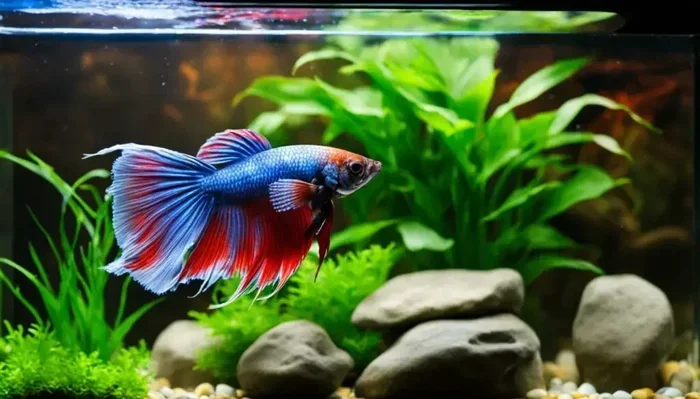
Male bettas are the showboats of the fish world. They come in bright reds, deep blues, electric greens, and even purple shades. Their fins stretch long and flow like silk as they swim. A male betta fish color pattern can really make a tank pop.
Female bettas still look pretty, but their colors tend to be softer. Their fins are shorter and more rounded. Many people say females look like slimmer versions of males. But do not let that fool you. Female bettas come in plenty of shades too.
Body Shape
A female betta has a rounder body, especially when she is full of eggs. You might see a small white spot on her belly called the ovipositor. This is her egg tube. Males have a more streamlined, slender body shape.
Here is a quick comparison:
- Male: Longer fins, brighter colors, slimmer body
- Female: Shorter fins, softer colors, rounder body
- Both: Come in many color varieties
Temperament and Behavior
Understanding betta fish behavior is super important when choosing between a male or female betta fish. Their personalities can shape your entire aquarium experience.
Male Betta Temperament
Male bettas are known for being territorial. They flare their gills and spread their fins to look bigger when they feel threatened. This is called flaring, and it is a natural behavior. Males will often fight other males, so you should never house two males together.
Some owners love this feisty personality. It makes each male betta feel like a little character in your living room. But that aggression means you need to be careful about tank mates.
Female Betta Temperament
Female bettas are generally more peaceful. They can sometimes live together in a group called a sorority. A group of four to six females can create a fascinating community tank. However, even females can show aggression now and then.
If you want a calmer tank setup, a female betta fish might be your better choice. They tend to get along with other fish more easily.
Bubble Nests and Breeding Behavior
Male bettas build bubble nests at the water surface. This is a sign of a healthy, happy male. They blow tiny bubbles that stick together into a nest. If you ever see this, it means your male betta feels safe and ready for breeding.
Female bettas do not build bubble nests. Instead, they produce eggs. If you are curious about betta fish breeding, you need both a male and a female. But breeding should only be attempted by experienced keepers.
Tank Setup and Compatibility
Your tank setup plays a huge role in deciding between a male or female betta fish. Each gender has different needs when it comes to living space and tank mates.
Male Betta Tank Requirements
A single male betta needs at least a 5-gallon tank. Bigger is always better. Males do well in tanks with plenty of plants and hiding spots. They like to claim a territory, and decorations give them places to set up their space.
When it comes to betta fish tank mates, males can be tricky. Most experts say a male betta should live alone. Some peaceful fish like snails or certain shrimp can work, but always watch for signs of stress.
Female Betta Tank Requirements
Female bettas also need at least a 5-gallon tank. But if you plan to keep a group of females, you should go bigger. A 20-gallon tank works well for a sorority of four to six females.
Females can share a tank with other peaceful fish more easily than males. Good options include small tetras, corydoras catfish, and kuhli loaches. Just make sure you have enough hiding places.
Can You House Them Together?
Many people ask, can you put a male and female betta fish together? The answer is complicated. A male and female can live together temporarily for breeding purposes. But long-term housing is risky. They may fight, and the stress can harm both fish.
If you want to explore this, read up on can you put a male betta fish with a female to understand the risks and setup needed. Always have a backup plan in case they need to be separated.
Care and Maintenance
Caring for a betta fish is not hard, but it does require consistency. Both males and females share similar care needs, with a few small differences.
Water Conditions
Keep the water temperature between 76 and 82 degrees Fahrenheit. Use a heater to maintain a steady temperature. Clean water is essential for both genders. Test the water weekly for ammonia, nitrite, and nitrate levels.
Regular water changes of 25 to 30 percent each week help keep your fish healthy. Use a gentle filter because strong currents stress bettas out. Both male and female bettas prefer calm water.
Feeding
Feed your betta high-quality pellets or flakes twice a day. Give them only what they can eat in two minutes. You can also offer frozen or live foods like bloodworms and brine shrimp as treats.
Overfeeding is a common mistake. It can lead to bloating and poor water quality. Both male and female bettas need a balanced diet to stay healthy and colorful.
Common Health Issues
Betta fish can face a few common health problems. Fin rot shows up as ragged or discolored fins. Ich appears as white spots on the body. Swim bladder disease causes difficulty swimming.
Males with long fins may be slightly more prone to fin rot because of their delicate fins. Keeping the water clean is the best way to prevent most health issues for any betta fish gender.
Lifespan and Long-Term Commitment
Both male and female bettas live about 3 to 5 years with proper care. Some lucky owners report their fish living even longer. The key factors are clean water, good food, and a stress-free environment.
When you choose a male or female betta fish, you are making a commitment. These are living creatures that depend on you for their well-being. Make sure you are ready for that responsibility before bringing one home.
If you want to learn more about how long bettas live and what affects their lifespan, check out resources on how to tell a female betta fish from a male to better understand their needs at every life stage.
Which One Is Right for You?
Now that you know the differences, let us help you decide. Think about what matters most to you as a fish keeper.
Choose a Male If:
- You want a stunning centerpiece fish with bright colors
- You enjoy watching bold, active behavior
- You have a single-species tank
- You do not plan to breed your fish
Choose a Female If:
- You want a calmer tank with potential for community living
- You are interested in keeping a group of bettas
- You have a larger tank with plenty of hiding spots
- You want to explore breeding in the future
Quick Tips for New Owners
- Watch the fish closely before buying. Look for bright colors and active movement.
- Never buy a male and female pair on impulse without planning their tank setup.
- Research betta fish compatibility before adding any tank mates.
- Start with a single fish if you are a beginner. You can always expand later.
The right choice comes down to your goals, your tank, and your experience level. Both male and female bettas make wonderful pets. You really cannot go wrong with either one as long as you provide good care.
Final Thoughts
So, is a male or female betta fish better? The honest answer is, it depends on you. Males bring beauty and bold personality to a solo tank. Females offer flexibility and the chance for community setups. Both genders deserve love, clean water, and proper food.
Take your time making the decision. Visit your local fish store and observe the fish. Notice which ones catch your eye. Trust your instincts. The right betta fish gender for you is the one that connects with you the most.
Whichever you choose, you are stepping into a rewarding hobby. Betta fish are intelligent, beautiful, and full of personality. Enjoy every moment with your new aquatic friend.
Frequently Asked Questions
Can a male and female betta fish live together permanently?
It is possible but risky. Males and females may fight even if they are breeding pairs. Most experts recommend keeping them separate unless you are experienced with breeding setups. Always have a divider or backup tank ready.
How can I tell if my betta fish is male or female?
Look at the fin length, body shape, and color intensity. Males have longer fins and brighter colors, while females have shorter fins and a rounder body. You can also check for the white ovipositor spot on females. For more details, read our guide on how to identify betta fish male or female.
Do female betta fish make eggs without a male?
Yes, female bettas can produce eggs without a male present. The eggs are not fertilized, so they will not hatch. This is a natural process and does not mean anything is wrong with your fish.
Which betta fish gender is more aggressive?
Male bettas are generally more aggressive than females. Males will flare and fight other males. Females can also show aggression but are usually calmer and can live in groups with proper tank setup.
Can female bettas live together in a group?
Yes, female bettas can form a sorority in a large enough tank. A group of four to six females works best in tanks of 20 gallons or more. Provide plenty of plants and hiding spots to reduce tension between them.
Do male or female bettas make better beginner pets?
Both can work for beginners, but a single male in a solo tank is often the easiest setup. Females require more space if kept in groups. Start with one fish, learn its behavior, and expand your knowledge from there.