
Can You Pet a Betta Fish Safely and What You Must Know
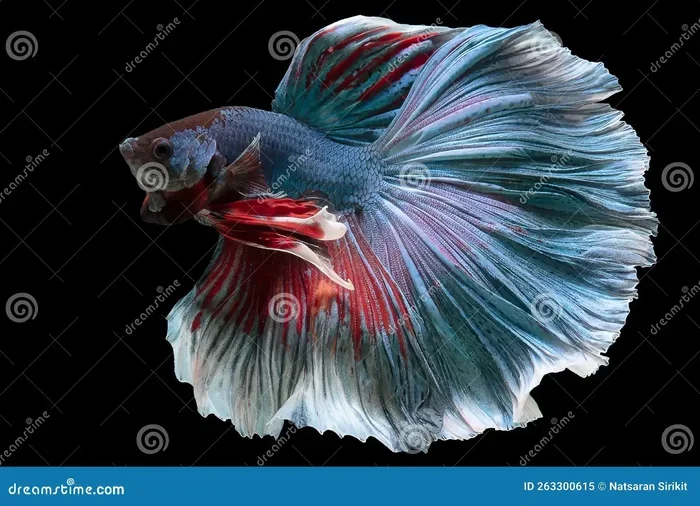
Can you pet a betta fish? The short answer is no, and you should avoid it. Their bodies are covered in a protective slime coat that touching removes, leaving them vulnerable to infection. Instead of physical contact, you can build a bond through training, feeding, and gentle observation.
Key Takeaways
- Touching is harmful: Human hands remove the betta’s protective slime coat, leading to stress and disease.
- Bettas recognize owners: They can learn to associate you with food and positive interactions without being touched.
- Clean hands are crucial: If you must reach into the tank, wash hands thoroughly to avoid introducing chemicals or bacteria.
- Alternative bonding works: Training tricks and hand-feeding builds trust safer than petting.
- Tank hygiene matters: Never use soap or chemicals when cleaning the tank, as residues harm fish.
- Water quality is key: Always treat tap water properly before adding it to your betta’s environment.
- Respect their space: Bettas thrive when left undisturbed in a clean, well-filtered habitat.
📑 Table of Contents
Can You Pet a Betta Fish Safely?
Many new betta owners ask can you pet a betta fish because they look so friendly and colorful. It is tempting to reach into the tank and stroke their beautiful fins. However, the safest answer is a firm no. Betta fish are delicate creatures with specific biological needs. Physical contact does more harm than good. Their bodies rely on a thin layer of mucus called a slime coat. This coat protects them from bacteria, parasites, and infections. When you touch a betta, you strip away this protective barrier. Even clean hands carry oils, lotions, and microscopic germs that can hurt the fish. Stress is another major issue. Bettas are easily frightened by sudden movements or foreign objects. Handling them causes panic, which weakens their immune system. Instead of petting, focus on creating a calm environment. Learn their behavior and build trust through consistent care. You will find that a happy betta shows affection in its own way. They may swim to the front of the tank when you approach. This recognition is a much healthier bond than physical touch.
Why Touching a Betta Fish Is Dangerous
Understanding the risks helps explain why can you pet a betta fish gets a negative answer. The slime coat is the first line of defense for any fish. It acts like a shield against harmful pathogens in the water. Removing it leaves the skin exposed and vulnerable. Even a gentle rub can cause micro-tears on their scales. These tiny injuries become entry points for disease. Fungal infections and bacterial issues often follow physical damage. Stress hormones spike when a betta is handled. High stress levels suppress their immune response. A stressed fish is more likely to get sick and lose its vibrant colors. Their fins may clamp down or tear from panic. Recovery takes time and often requires medication. Another hidden danger is temperature shock. Human hands are much warmer than aquarium water. Placing warm fingers into the tank creates a sudden heat change. Bettas are tropical fish that need stable temperatures. Rapid shifts can shock their system and cause long-term health problems. Always prioritize their comfort over the desire to touch. Watching them thrive is far more rewarding than a quick pet.
The Slime Coat Protection
The slime coat is a natural mucus layer that covers the entire body. It keeps the fish moist and protected in water. Think of it like human skin but much more sensitive. Any rough contact damages this layer instantly. Once damaged, the fish must expend energy to rebuild it. This energy drain takes away from growth and color development. Keeping their environment clean reduces the need for constant slime coat repair. Good water quality supports their natural defenses. Avoid anything that physically contacts their body. Even nets can be abrasive if used roughly. Soft, fine-mesh nets are safer when moving fish is absolutely necessary.
Stress and Immune System Impact
Stress affects fish just like it affects mammals. When a betta feels threatened, its body releases cortisol. High cortisol levels weaken the immune system over time. A weak immune system makes the fish prone to common aquarium diseases. Ich, fin rot, and velvet are more likely to take hold. Preventing stress is easier than treating illness. Keep the tank in a quiet area away from loud noises. Sudden vibrations from tapping the glass also cause panic. Speak softly near the tank and move slowly. Your betta will learn that your presence means safety, not danger. This calm association builds a stronger bond than any physical touch could.
Can You Put Your Hand Inside a Betta Fish Bowl?
People often wonder can you put your hand inside a betta fish bowl to interact with their pet. While you should not touch the fish, placing your hand in the water occasionally is acceptable if done correctly. The goal is to let the fish get used to your silhouette and movement. This process helps reduce fear over time. Start by resting your hand still on the glass or just above the water surface. Do not make sudden waves or splashes. Let the betta investigate on its own terms. Some curious bettas will swim right up to your fingers. This behavior shows they are comfortable, not that they want to be petted. Keep sessions short to avoid stressing the fish. Always wash your hands before reaching into any aquarium. Soap residues, lotions, and dirt can contaminate the water. Chemicals from everyday products are toxic to fish. Rinse thoroughly with plain water before any tank interaction. If you have a small bowl, be extra careful. Limited water volume means pollutants spread faster. A larger tank dilutes minor contaminants more effectively. For more details on safe hand interaction, you can read about can you put your hand inside a betta fish bowl to understand best practices.
How to Bond With Your Betta Without Touching
Building a relationship with your betta does not require physical contact. There are many safe ways to connect and enrich their life. Training is one of the most effective methods. Bettas are highly intelligent and can learn simple behaviors. You can teach them to swim through a hoop or follow your finger. Positive reinforcement with food works best. Offer a small treat when they perform the desired action. Over time, they will repeat the behavior to earn the reward. This mental stimulation keeps them active and happy. Another bonding technique is consistent feeding routines. Feed them at the same time each day. They will quickly associate your approach with mealtime. Many bettas will swim to the surface when they see you. This recognition is a clear sign of trust. You can also add safe decorations to their tank. Plants and hides give them places to explore and rest. A enriched environment encourages natural behaviors. Watching them explore is a joy in itself. For ideas on training, check out can you train a betta fish to do tricks for step-by-step guidance. Remember that patience is key. Every betta has a unique personality. Some are bold, while others are shy. Respect their individual pace and preferences.
Training and Trick Ideas
Training provides excellent mental exercise for bettas. Start with simple tasks like following a finger. Move your finger slowly along the glass and reward them when they track it. You can also teach them to jump for food in a controlled way. Use a feeding ring to guide their movements. Some owners successfully train their bettas to push a small ball. These activities break the monotony of staring at a tank. Mental enrichment leads to healthier, more active fish. Keep training sessions brief, around five minutes. End on a positive note with a treat. Never force a behavior that causes stress. If your betta seems uninterested, try again later. Consistency and gentle encouragement yield the best results.
Feeding Routines for Trust Building
Feeding time is the perfect opportunity to strengthen your bond. Use high-quality pellets or frozen treats like bloodworms. Drop the food gently near the surface. Watch your betta eat and observe their health. A good appetite indicates a happy fish. Vary their diet slightly to keep them interested. Do not overfeed, as excess food pollutes the water. Remove uneaten bits after a few minutes. Clean water supports overall well-being and makes your betta more active. A healthy fish is more likely to interact with you. Trust builds slowly through these daily positive experiences.
Water Quality and Tank Safety Basics
Proper water care is essential for any betta owner. Many beginners ask can you use tap water in a betta fish tank before setting up their aquarium. Tap water often contains chlorine and chloramines that are harmful to fish. These chemicals damage the gills and slime coat. Always use a water conditioner to neutralize toxins. Let the water reach room temperature before adding it to the tank. Sudden temperature changes cause shock. Filtration is another important factor. Some people wonder can you use a filter in a betta fish tank because bettas prefer calm water. Strong currents can exhaust them, but gentle filtration keeps water clean. Choose a low-flow filter or adjust the output to reduce flow. Clean water prevents disease and keeps your betta vibrant. Test the water regularly for ammonia, nitrites, and nitrates. These parameters tell you if the tank is balanced. Perform partial water changes weekly to maintain quality. Never use soap or harsh cleaners on tank equipment. Residues linger and poison the fish. Learn more about safe cleaning practices at can you use soap to clean a betta fish tank. A clean, stable environment is the best gift you can give your pet.
Signs of a Happy and Healthy Betta
Knowing what a thriving betta looks like helps you gauge their well-being. Healthy fish have bright, vivid colors. Their fins should be full and flowing, not clamped or frayed. Active swimming is a good sign. They will explore the tank and investigate their surroundings. A happy betta often flares its gills when seeing its reflection or owner. This behavior shows confidence and territorial pride. Appetite is another key indicator. They should eat eagerly during feeding time. Lethargy or hiding constantly may signal stress or illness. Watch for white spots, ragged fins, or unusual swimming patterns. Early detection makes treatment easier. Keep a journal of their behavior to spot changes quickly. Regular observation replaces the need for physical contact. You will learn their normal rhythms and notice when something is off. A content betta displays natural behaviors without fear. They may even beg for food when you approach the tank. This interaction is a safe and beautiful way to connect.
Common Mistakes New Owners Make
Many people make avoidable errors when caring for bettas. One common mistake is keeping them in tiny bowls. Small volumes of water become toxic quickly. Temperature also fluctuates too much in cramped spaces. Another error is overcleaning the tank with chemicals. Soap and disinfectants leave dangerous residues. Always rinse equipment with water only. Overfeeding is another frequent problem. Excess food decays and spikes ammonia levels. Feed only what they can eat in a few minutes. Skipping water conditioner is also risky. Tap water needs treatment before it is safe. Some owners handle their fish too often. Each touch strips the slime coat and causes stress. Let the fish set the pace for interaction. Ignoring filter flow can also cause issues. Strong currents tire out bettas quickly. Adjust equipment to match their needs. Finally, do not house male bettas together. They are highly territorial and will fight. Understanding these pitfalls helps you provide better care. Avoiding mistakes keeps your betta safe and healthy.
Quick Tips for Better Care
- Use a tank of at least five gallons for stability.
- Install a gentle filter to maintain clean water.
- Condition all new water before adding it to the tank.
- Feed small portions twice a day.
- Perform weekly partial water changes.
- Keep the tank away from direct sunlight and drafts.
- Never tap the glass or make sudden movements.
Expert Insights on Betta Interaction
Experienced aquarists agree that observation beats handling. Fish are not designed for physical affection like mammals. Their biology revolves around water and slime protection. The best interaction respects their natural instincts. Provide a rich environment and let them show their personality. Training and feeding create positive associations without risk. Patience and consistency build a lasting bond. Your betta will thrive when you focus on habitat quality and gentle engagement. This approach ensures a long, vibrant life for your pet.
Conclusion
So, can you pet a betta fish safely? The answer remains no, but that does not mean you cannot have a meaningful connection. Touching removes their protective slime coat and causes unnecessary stress. Instead, focus on building trust through training, feeding, and calm observation. A healthy tank with proper water quality and gentle filtration supports their well-being. Learn to read their behavior and respect their space. Your betta will reward you with vibrant colors and active personalities. By choosing safe interaction methods, you become a responsible and caring owner. Enjoy watching your betta flourish in a comfortable, clean home.
Frequently Asked Questions
Can you pet a betta fish with clean hands?
Even with clean hands, you should avoid touching a betta fish. Human skin oils and microscopic germs can still damage their slime coat. It is safer to observe and interact without physical contact.
Can you put your hand inside a betta fish bowl?
You can place your hand in the water briefly to let the fish get used to your presence. Keep your hand still and avoid splashing. Always wash your hands first to prevent contaminating the water.
Can you train a betta fish to do tricks?
Yes, bettas are intelligent and can learn simple tricks like following a finger or swimming through a hoop. Use food rewards and keep training sessions short. Positive reinforcement builds trust safely.
Can you use tap water in a betta fish tank?
Tap water can be used only after treating it with a water conditioner. Tap water contains chlorine and chloramines that harm fish gills and skin. Always neutralize these chemicals before adding water to the tank.
Can you use a filter with a betta fish?
Yes, a filter is important for maintaining clean water, but choose a low-flow model. Bettas prefer calm water and strong currents can exhaust them. Adjust the filter output to create gentle circulation.
Can you put other fish with a betta?
You can sometimes house peaceful, non-aggressive fish with a betta, but it depends on the individual fish. Male bettas are highly territorial and may attack tank mates. Always research compatibility and provide plenty of hiding spots.