How Much Water Do Betta Fish Need for Healthy Living

Betta fish need at least 5 gallons of clean, warm water to stay healthy and active. While they can survive in small bowls, cramped spaces cause stress, poor water quality, and shortened lifespans. Understanding how much water do betta fish need helps you create a safe, comfortable home. Proper tank size, gentle filtration, and regular maintenance work together to support their natural behavior. When you give them enough room to swim, your betta will show off vibrant colors and lively personality.
Key Takeaways
- Minimum tank size: A 5-gallon tank is the recommended starting point for a single betta fish.
- Water depth matters: Bettas prefer shallow to moderate depth, but surface area helps them breathe air easily.
- Filtration is essential: Gentle water flow keeps the environment clean without stressing your fish.
- Temperature stability: Warm water around 78-80°F supports metabolism and immune health.
- Regular water changes: Consistent partial changes remove toxins and maintain safe water chemistry.
- Decor and space: Smooth plants and open swimming areas reduce stress and encourage natural behavior.
- Long-term health: Giving your betta enough water leads to brighter colors, better appetite, and a longer life.
📑 Table of Contents
- Understanding How Much Water Do Betta Fish Need for a Thriving Home
- The Real Minimum: Why Betta Fish Water Requirements Start at 5 Gallons
- Tank Size Shape and Surface Area Matter Too
- Filtration Flow and Water Quality
- Temperature and Water Conditions
- Common Mistakes When Choosing Water Volume
- Practical Tips for Setting Up the Right Amount of Water
- Conclusion
Understanding How Much Water Do Betta Fish Need for a Thriving Home
Many new fish keepers wonder how much water do betta fish need before setting up their first tank. The short answer is simple. Your betta needs enough water to swim freely, stay clean, and breathe comfortably. Small bowls might look cute, but they create big problems. Limited water volume causes quick toxin buildup, unstable temperatures, and constant stress. A larger tank gives your fish room to explore and makes daily care much easier.
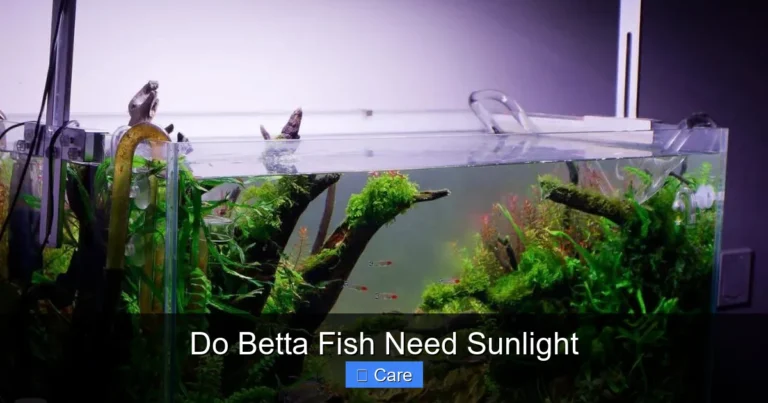
Bettas come from slow-moving streams and rice paddies in Southeast Asia. They are used to calm water with plenty of hiding spots. They also breathe air from the surface, so access to the top matters just as much as total volume. When you think about betta fish tank size, focus on balance. You want enough water to dilute waste, enough surface area for oxygen exchange, and enough space for decorations without crowding the swimmer.
The good news is that you do not need a giant aquarium to keep a happy betta. A modest, well-maintained setup works beautifully. The key is choosing a tank that fits your space, your budget, and your willingness to perform routine care. Once you understand the basics, you can create a clean, stable environment that supports long-term health.
The Real Minimum: Why Betta Fish Water Requirements Start at 5 Gallons
You will hear many opinions about the smallest acceptable tank. Some people say a gallon or two is enough. In reality, betta fish water requirements are better met with a 5-gallon tank or larger. Smaller volumes change temperature fast. They also collect ammonia and nitrites quickly, which harms your fish. A 5-gallon setup provides a much more stable environment and gives you a buffer against sudden shifts.
Why Small Bowls Cause Trouble
Tiny containers seem easy at first. They take up less room and cost less upfront. However, they demand frequent water changes and offer very little margin for error. Waste builds up quickly. Temperature swings happen often. Your betta may become lethargic, lose color, or stop eating. These signs often point to poor water stability rather than illness alone.
Benefits of a Larger Water Volume
More water means more stability. Think of it like a bigger buffer tank for your fish. The extra volume dilutes waste and slows down harmful chemical changes. It also gives your betta room to turn, stretch, and patrol its territory. Many keepers notice brighter colors and more confident movement once they upgrade to a proper tank. If you are wondering how much water do betta fish need for a healthy life, 5 gallons is a smart baseline.
Tank Size Shape and Surface Area Matter Too
Volume is important, but shape matters as well. A tall, narrow tank may hold the same number of gallons as a wide, shallow one, yet the experience for your fish will differ. Bettas need easy access to the surface because they breathe atmospheric air. A tank with a good surface area supports better gas exchange and makes it easier for your fish to gulp air when needed.
Depth Versus Width
Bettas do not need deep water. In fact, very deep tanks can make it harder for them to reach the surface comfortably. A moderate depth with a wider footprint usually works best. This layout offers more swimming space and better oxygen exchange. If you are choosing between two tanks with the same gallon count, pick the one with more surface area.
Room to Swim and Hide
Your betta will appreciate open areas and a few hiding spots. Smooth plants, gentle caves, and soft leaves create a secure environment. Too many decorations can reduce usable swimming space. Too few can leave your fish feeling exposed. Aim for a balanced layout that leaves clear pathways while offering shelter. This approach supports natural behavior and reduces stress.
Filtration Flow and Water Quality
Clean water is just as important as total volume. A good filter removes debris, supports beneficial bacteria, and helps keep the environment stable. Bettas prefer calm water, so strong currents can be tiring. Choose a gentle filter or adjust the flow to create a peaceful setting. If you are curious about betta fish and filtration, the goal is simple: clean water without harsh movement.
Choosing the Right Filter
Sponge filters and low-flow hang-on-back filters often work well for bettas. They provide steady filtration without creating a watery treadmill. You can also use a spray bar or baffle to soften the current. Watch your fish closely. If your betta struggles to swim against the flow or hides constantly, the current may be too strong.
Maintaining Safe Water Conditions
Filtration helps, but it does not replace water changes. Over time, nitrates build up even in a cycled tank. Partial water changes remove nitrates and refresh the environment. Many keepers perform weekly changes of about 25 to 50 percent, depending on tank size and bioload. Consistent care keeps the water clear and the chemistry balanced. If you want to learn more about routine care, you can read about whether betta fish have to have water changes.
Temperature and Water Conditions
Warm, stable water supports your betta’s metabolism and immune system. Most bettas thrive when the temperature stays between 78 and 80 degrees Fahrenheit. Cooler water can slow digestion and reduce activity. Sudden temperature drops can also weaken their defenses. A reliable heater and a good thermometer help you maintain steady conditions.
Heaters and Stable Warmth
Even if your room feels warm, the water can still drift too cool. Small tanks lose heat faster than larger ones. A properly sized heater keeps the temperature consistent day and night. Many beginners ask whether betta fish bowls need a heater, and the answer is usually yes if you want stable health. Consistent warmth helps your fish digest food, stay active, and resist illness.
Water Chemistry Basics
Bettas prefer neutral to slightly acidic water, but they adapt well to a range of conditions when changes are gradual. Test your water regularly for ammonia, nitrite, nitrate, and pH. Ammonia and nitrite should stay at zero in a cycled tank. Nitrate should remain low through partial changes. If you want to explore how acidity affects your fish, you can check out whether betta fish like acidic water.
Common Mistakes When Choosing Water Volume
New keepers often make the same few mistakes. The good news is that these problems are easy to avoid once you know what to watch for. Planning ahead saves time, money, and stress for both you and your fish.
Mistake 1: Picking a Tank Based Only on Price
Cheap, tiny setups can cost more in the long run. They often need more frequent water changes and can lead to health issues. A modest 5-gallon tank usually offers better value because it is easier to maintain and more forgiving of small errors.
Mistake 2: Overcrowding the Tank
Some people add snails, shrimp, or other fish right away. While some tank mates can work, adding too many occupants increases waste and competition for space. If you are thinking about community setups, it helps to research compatibility first. For example, you may want to read about whether betta fish kill guppies before introducing new fish.
Mistake 3: Ignoring Surface Access
A tight lid or a very still surface can limit air access. Bettas need to reach the top easily. Make sure your tank has a secure but practical cover, and avoid decorations that block the surface. Good airflow at the top supports healthy breathing.
Practical Tips for Setting Up the Right Amount of Water
Setting up a betta tank does not have to be complicated. A few simple steps can help you create a stable home with the right water volume and quality.
Start With a 5-Gallon Tank
For most beginners, a 5-gallon tank is the easiest reliable choice. It offers enough space for a single betta and is manageable for routine care. If you have room and want even more stability, a larger tank can be a great option. Many keepers find that a slightly bigger setup is actually easier to maintain because water parameters change more slowly. If you are wondering whether betta fish like a lot of space, the answer is yes, they generally do.
Cycle the Tank Before Adding Your Fish
A cycled tank has beneficial bacteria that process waste. This step is one of the most important parts of betta care. You can cycle with fish food or a small ammonia source while testing the water until ammonia and nitrite spike and then fall to zero. Once the cycle is complete, your tank is ready for a fish. This process reduces the risk of shock and supports long-term stability.
Use Gentle Decor and Safe Plants
Smooth decorations prevent torn fins. Live plants can help absorb nitrates and provide shelter. If you use artificial plants, choose soft materials with no sharp edges. Arrange the tank so your betta has clear swimming lanes and a few resting spots near the bottom or among leaves.
Keep Up With Simple Maintenance
A consistent routine keeps the water healthy. Test the water, check the temperature, and perform partial changes on a regular schedule. Vacuum the substrate lightly to remove waste. Rinse filter media in old tank water, not tap water, so you do not wash away beneficial bacteria. These small habits make a big difference over time.
Quick Tips for Healthy Water Volume
- Start with 5 gallons for a single betta and upgrade if you want more stability.
- Choose a wider tank over a tall, narrow one for better surface access.
- Use a gentle filter that keeps water clean without strong currents.
- Maintain warm, stable temperatures with a reliable heater and thermometer.
- Perform regular partial water changes to control nitrates and keep water fresh.
- Add smooth plants and simple decor to create shelter without crowding the swimming area.
Expert Insights on Betta Water Needs
Experienced keepers often say that stability matters more than perfection. A 5-gallon tank with steady temperature, gentle filtration, and regular care usually outperforms a larger tank that is neglected. The best setup is the one you can maintain consistently. Watch your fish for signs of comfort, such as relaxed fins, steady appetite, and frequent exploration. Those behaviors usually mean the environment is working well.
It also helps to think of the tank as a small ecosystem. Beneficial bacteria, plants, filtration, and your maintenance routine all work together. When these pieces fit, the water stays cleaner and your betta stays healthier. If you ever notice stress signs, start by checking temperature, water quality, and available swimming space before making dramatic changes.
Conclusion
When you ask how much water do betta fish need, the best answer is enough to keep the water stable, clean, and comfortable. A 5-gallon tank gives most bettas a strong start, while a wider shape and gentle filtration make the environment even better. Warm temperatures, regular water changes, and thoughtful decor complete the picture. With the right setup, your betta can enjoy a lively, colorful life in a safe home.
The most important thing is consistency. Choose a tank size you can maintain, keep the water warm and clean, and give your fish room to move. Small improvements in setup and care often lead to big changes in health and behavior. If you build a stable habitat from the beginning, you will spend less time troubleshooting and more time enjoying your betta.
Frequently Asked Questions
How much water does a betta fish need in a tank?
A single betta fish does best in at least 5 gallons of water. This amount provides better temperature stability, easier waste management, and more room to swim. Smaller containers can work for short periods, but they are harder to maintain safely.
Can a betta fish live in a bowl with a small amount of water?
A betta may survive in a small bowl, but it usually will not thrive there. Limited water volume leads to faster pollution and unstable temperatures. A larger tank with gentle filtration and regular water changes is a much healthier choice.
Does water depth matter for betta fish?
Yes, depth matters because bettas breathe air from the surface. A tank that is too deep can make it harder for them to reach the top comfortably. A moderate depth with good surface area is usually the best option.
Do betta fish need a filter if the tank has enough water?
Yes, filtration still matters even when the tank has enough water. A filter helps remove debris and supports beneficial bacteria that process waste. The best filter for a betta provides clean water without creating a strong current.
How often should I change the water in a betta tank?
Most keepers perform partial water changes once a week, though the exact schedule depends on tank size and bioload. Regular changes help keep nitrate levels low and maintain good water quality. Always use dechlorinated water that matches the tank temperature.
Is a bigger tank always better for betta fish?
A larger tank usually offers more stability and easier maintenance, but only if you can care for it properly. The best tank is one that fits your space, budget, and routine. A well-kept 5-gallon tank is often better than a larger tank that is neglected.