Is a Betta a Tetra Fish
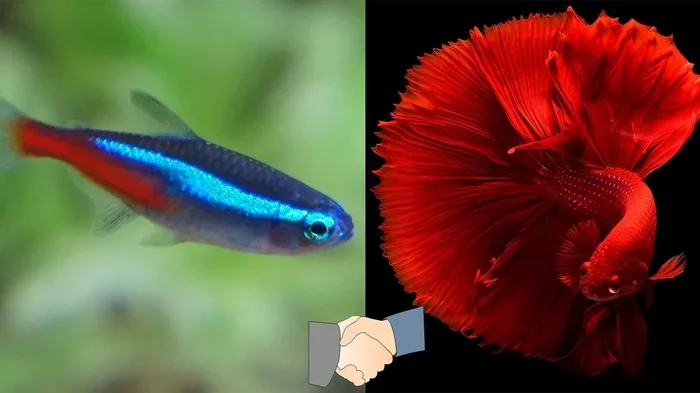
No, a betta is not a tetra fish. They are two completely different species with distinct traits, care needs, and temperaments. While both are popular freshwater aquarium fish, bettas belong to the gourami family, and tetras belong to the characin family. Understanding these differences helps you provide better care and choose the right tank mates.
Many new fish owners ask the same question: is a betta a tetra fish? The short answer is no. They look different, behave differently, and need different care setups. If you are thinking about adding fish to your aquarium, understanding these differences matters a lot.
Betta fish and tetra fish are both beloved in the aquarium world. But they could not be more different. One is known for its flowing fins and bold personality. The other is a peaceful schooling fish that thrives in groups. In this guide, we break down everything you need to know about each species and how they compare.
Key Takeaways
- Betta and tetra fish are not the same species — they come from different families and have unique characteristics.
- Bettas are labyrinth fish that breathe atmospheric air, while tetras rely solely on gills.
- Temperament differs greatly — bettas are often aggressive, while tetras are peaceful community fish.
- Care requirements vary in terms of water temperature, tank size, and diet.
- Keeping them together is risky and requires careful planning, if possible at all.
- Knowing the differences helps you create a healthier, happier aquarium for your fish.
📑 Table of Contents
What Is a Betta Fish?
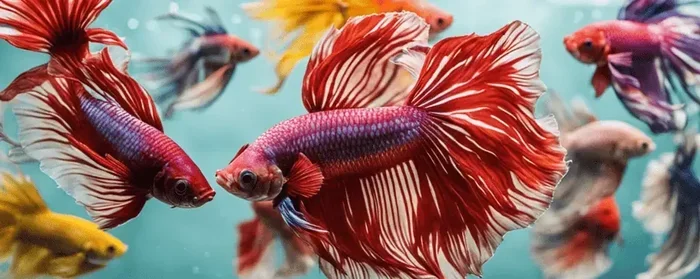
The betta fish, also called the Siamese fighting fish, is a tropical freshwater fish native to Southeast Asia. Bettas are famous for their long, colorful fins and aggressive temperament. They belong to the gourami family, and they have a special organ called a labyrinth that lets them breathe air from the surface.
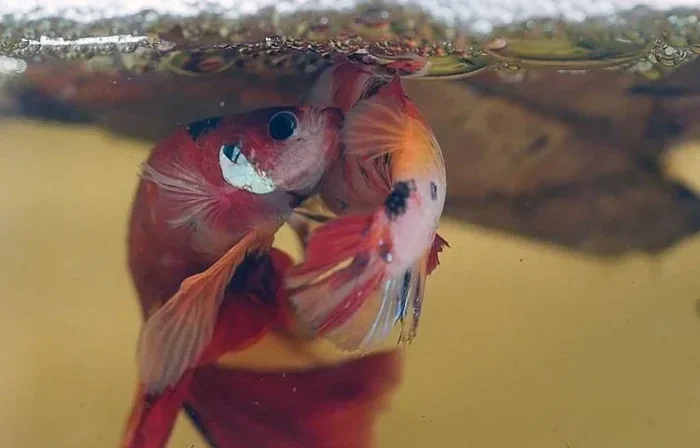
Male bettas, in particular, are known for their vivid colors and elaborate fins. They are often kept alone because they can be territorial. A male betta may flare its gills and attack other fish that look similar or invade its space.
Betta Fish Traits at a Glance
- Scientific family: Osphronemidae (gourami family)
- Origin: Thailand, Cambodia, Vietnam, and surrounding regions
- Temperament: Aggressive, especially males
- Tank size: Minimum 5 gallons
- Lifespan: 3 to 5 years on average
- Breathing: Can breathe atmospheric air thanks to the labyrinth organ
Bettas do well in warm water. The ideal betta fish tank temperature is between 76 and 82 degrees Fahrenheit. They also need a calm environment with gentle water flow. Strong filters or currents can stress them out.
If you want to learn more about betta lifespan, check out this detailed guide on how long a betta fish lives.
What Is a Tetra Fish?
Tetra fish are small, colorful freshwater fish that come from Africa and South America. They are part of the characin family and are some of the most popular community tank fish in the world. Unlike bettas, tetras are peaceful and do best when kept in groups.
There are many types of tetras. Neon tetras, cardinal tetras, and ember tetras are just a few popular examples. Most tetras grow to be only 1 to 2 inches long. They have sleek, streamlined bodies and vibrant colors that light up any aquarium.
Tetra Fish Traits at a Glance
- Scientific family: Characidae (characin family)
- Origin: Africa and South America
- Temperament: Peaceful, schooling fish
- Tank size: Minimum 10 gallons for a small group
- Lifespan: 3 to 5 years depending on the species
- Breathing: Relies entirely on gills
Tetras are social creatures. They feel safest in groups of six or more. Keeping a single tetra alone can cause stress and lead to health problems. Their peaceful nature makes them a great choice for community tanks.
Want to know more about keeping tetras with other species? Here is an article on what fish is compatible with a betta fish that can help you plan your tank.
Key Differences Between Betta and Tetra Fish
Now that you know what each fish looks like, let us compare them side by side. Understanding these differences is key to providing proper care.
Physical Appearance
Bettas have long, flowing fins and a rounded body. Their fins can trail behind them as they swim, giving them an elegant look. Tetras, on the other hand, have short fins and a torpedo-shaped body built for speed and agility.
Temperament
This is one of the biggest differences. Male bettas are known to be aggressive. They may chase or bite other fish. Tetras are calm and friendly. They get along well with most peaceful species in a community tank.
Swimming Behavior
Bettas tend to swim slowly and hover near the surface. They often rest on decorations or plants. Tetras are active swimmers that stay in the middle and lower parts of the tank. They love to school together and dart around in groups.
Breathing Mechanism
Bettas have a labyrinth organ that allows them to gulp air from the surface. Tetras do not have this organ. They depend entirely on oxygen dissolved in the water through their gills.
Can You Keep Betta and Tetra Fish Together?
This is a common question among aquarium hobbyists. The honest answer is: it depends. Mixing bettas and tetras can be risky, but it is not impossible if you plan carefully.
Male bettas are often too aggressive for tetras. The constant chasing can stress the tetras and even injure them. However, some aquarists have had success keeping a single female betta with a group of peaceful tetras.
If you want to try this setup, here are a few tips:
- Use a large tank. At least 20 gallons gives everyone enough space to spread out.
- Add plenty of plants and hiding spots. This helps reduce aggression and gives tetras a place to retreat.
- Choose peaceful tetra species. Ember tetras and neon tetras tend to be less triggering for bettas.
- Monitor behavior closely. If the betta chases constantly, separate the fish immediately.
Before adding any new fish, it helps to understand what makes a good tank mate. This guide on what is a good tank mate for a betta fish covers compatible species in detail.
Also, keep in mind that tetras need stable water conditions. A good filter and regular water changes are essential. Check out this article on is a betta a tropical fish to learn more about the warm water needs both species share.
How to Care for Betta Fish Properly
Bettas need specific care to stay healthy and happy. Here is what you need to know.
Tank Setup
A betta needs at least a 5-gallon tank. A larger tank is always better because it dilutes waste and keeps water stable. Add a gentle filter that does not create strong currents. Bettas are not strong swimmers, so a gentle flow is important.
Use a heater to keep the water between 76 and 82 degrees Fahrenheit. Bettas are tropical fish and cannot handle cold water. A thermometer helps you monitor the temperature accurately.
Diet
Bettas are carnivores. They need a protein-rich diet. High-quality betta pellets should be the staple food. You can also offer frozen or live foods like brine shrimp and bloodworms as treats.
Feed your betta small amounts twice a day. Overfeeding can lead to constipation and other health problems. Remove any uneaten food after a few minutes.
Common Mistakes to Avoid
- Keeping a betta in a tiny bowl. This stunts growth and shortens lifespan.
- Using a strong filter. It creates too much current and stresses the fish.
- Overcrowding the tank. Bettas need space and calm surroundings.
- Ignoring water temperature. Cold water weakens the immune system.
How to Care for Tetra Fish Properly
Tetras are easier to care for than many people think. They are hardy fish that adapt well to most freshwater setups.
Tank Setup
A 10-gallon tank works well for a small group of tetras. They prefer slightly acidic to neutral water with a pH between 6.0 and 7.0. A good filter and a heater are essential. Tetras also appreciate dim lighting and plenty of plants to mimic their natural habitat.
Diet
Tetras are omnivores. They eat both plant matter and small insects. Quality flake food or small pellets work great. You can supplement their diet with blanched vegetables, daphnia, and micro worms.
Feed them small amounts two to three times a day. Tetras are not greedy eaters, so remove any leftover food to keep the water clean.
Schooling Behavior
Tetras need to be in groups. A school of six or more helps them feel secure and brings out their natural colors. A lone tetra can become shy and stop eating. The schooling behavior is one of the most rewarding things about keeping tetras.
Final Thoughts on Is a Betta a Tetra Fish
So, is a betta a tetra fish? Absolutely not. They are two different species with different families, different behaviors, and different care needs. Bettas are solitary, colorful, and sometimes aggressive. Tetras are peaceful, social, and active swimmers.
Whether you choose a betta, a tetra, or both, understanding their needs is the key to a successful aquarium. Take time to research each species. Plan your tank setup carefully. And always prioritize the health and comfort of your fish.
If you are new to fish keeping, start small. A single betta in a 5-gallon tank or a group of tetras in a 10-gallon tank are both excellent beginner projects. As you gain experience, you can explore more complex setups and community tanks.
Remember, every fish is unique. Watch your fish closely, learn their behavior, and adjust their care as needed. A little effort goes a long way in keeping your aquatic pets happy and healthy.
Frequently Asked Questions
Can a betta fish live with a tetra fish?
It is possible but risky. Male bettas are often too aggressive for tetras. A female betta may do better in a community tank with peaceful tetras. Always monitor their behavior and be ready to separate them if needed.
What is the main difference between a betta and a tetra?
The biggest difference is temperament. Bettas are aggressive and territorial, while tetras are peaceful and social. They also belong to different fish families and have different body shapes and breathing systems.
Do betta fish and tetra fish need the same water temperature?
Yes, they both prefer warm water. Bettas do best between 76 and 82 degrees Fahrenheit. Most tetras also thrive in similar temperature ranges, which is one reason they can sometimes share a tank.
Are tetras easier to care for than bettas?
Generally, yes. Tetras are hardy and adaptable. Bettas need more specific care, especially regarding tank size, water flow, and diet. However, both species can thrive with proper attention.
Can you keep a school of tetras with a single betta?
Some aquarists do this successfully with a large tank and plenty of hiding spots. However, the betta may still chase or nip at the tetras. It is important to choose a peaceful tetra species and watch for signs of stress.
Why is my betta flaring at my tetra fish?
Betta flaring is a sign of aggression or territorial behavior. The betta may see the tetra’s colors or fins as a threat. If flaring happens often, it is best to separate the fish to prevent injury and stress.