How Do Betta Fish Survive

Betta fish survive through remarkable adaptations like the labyrinth organ and a hardy nature. In the wild, they endure shallow, warm waters and seasonal dry spells. At home, proper tank conditions, feeding, and care directly determine how long your betta thrives.
Few freshwater fish capture the imagination quite like the betta. Their flowing fins and bold colors make them stand out, but their real superpower is resilience. How do betta fish survive in environments that would challenge most other species? The answer lies in a mix of ancient evolutionary tricks and surprisingly simple care requirements.
Whether you are a new owner or a seasoned hobbyist, understanding the survival instincts of betta fish helps you create a home where they can truly thrive. This guide covers everything from their wild adaptations to the daily habits that keep your pet healthy and active. You will learn how long they can go without food, what happens when they leave the water, and the tank setup that mimics their natural world.
Key Takeaways
- Labyrinth Organ: Betta fish can breathe atmospheric air, which helps them survive in low-oxygen water and even short periods out of water.
- Wild Survival Skills: In their natural habitat, bettas endure monsoon floods and droughts by moving between puddles and rice paddies.
- Food Endurance: A healthy adult betta can survive without food for up to two weeks, but regular feeding keeps them strong and vibrant.
- Tank Conditions Matter: Clean water, stable temperature, and gentle filtration are non-negotiable for long-term survival.
- Common Threats: Poor water quality, stress, and untreated diseases are the biggest killers of pet bettas.
- Proactive Care: Regular water changes and a balanced diet prevent most survival-threatening problems.
📑 Table of Contents
The Survival Superpowers of Betta Fish
Betta fish belong to a group called anabantoids, which means they possess a special organ called the labyrinth. This structure lets them gulp air directly from the surface and extract oxygen, just like we do. In the wild, this adaptation allows bettas to live in shallow, stagnant ponds where other fish would suffocate. It is the single biggest reason how do betta fish survive in tough conditions.
Beyond the labyrinth, bettas have a compact, muscular body built for efficiency. Their fins may look delicate, but they are designed for short, explosive bursts of speed to catch prey or escape predators. Even their famous aggression plays a role in survival. Male bettas guard bubble nests fiercely, ensuring their eggs and fry have a chance to grow in crowded, competitive habitats.
Why the Labyrinth Organ Is a Game-Changer
The labyrinth organ works like a secondary lung. When water oxygen drops, the betta rises to the surface and takes a breath of air. This means they can tolerate water quality that would be deadly to many tropical fish. However, this does not mean you should let the tank get dirty. The labyrinth helps them cope, but clean water still reduces stress and prevents disease.
If you want to see this adaptation in action, watch your betta at the water surface. A healthy fish will take a quick sip and dart back down. If your betta is gasping constantly, that is a sign of poor water conditions, not a normal use of the labyrinth. Proper care includes checking the surface behavior daily.
How Betta Fish Survive in the Wild
In Southeast Asia, bettas live in a dramatic landscape of rice paddies, floodplains, and slow-moving streams. During the wet season, they spread out across wide, shallow areas. When the dry season hits, they get trapped in tiny puddles. To survive these cycles, bettas have developed a remarkable ability to endure extreme changes in water level and temperature.
Wild bettas also rely on their coloring for camouflage. The greens and browns help them blend into muddy water and dense vegetation. Pet store bettas often show bright blues and reds because of selective breeding, but those colors are not always helpful in the wild. In nature, a flashy fish is an easy target for predators.
The Role of Habitat and Territory
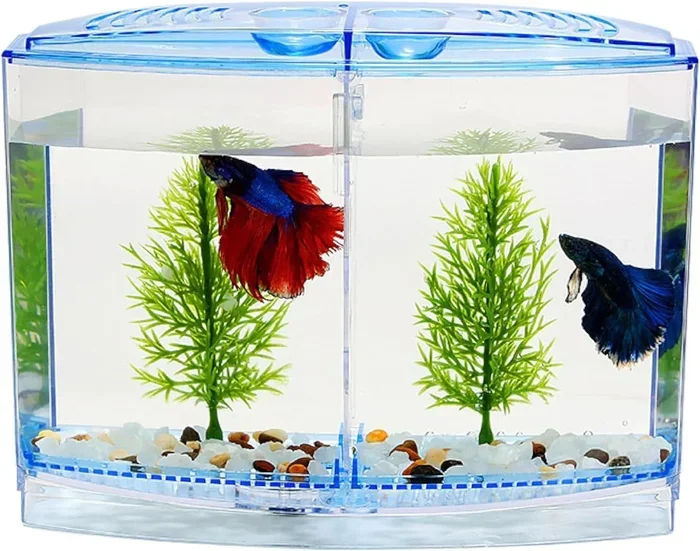
Betta fish are territorial by nature. A male will claim a small patch of water and defend it against rivals. This aggression helps him secure food and a safe spot for his nest. In captivity, this is why you should never house two male bettas together. Even a mirror can cause stress that drains their energy and shortens their life. Understanding their wild instincts helps you design a tank that respects their need for space.
Learn more about the full betta fish lifespan and how habitat plays a role in their longevity.
How Long Can Betta Fish Survive Without Food?
One of the most common questions is how long can a betta fish survive without food. The short answer is that a healthy adult betta can go up to 14 days without eating. This ability comes from their origins in environments where food is not always available. However, skipping meals for two weeks is not a recommended routine. It can weaken their immune system and lead to nutrient deficiencies.
In the wild, bettas eat small insects, larvae, and crustaceans. Their digestive system is built for frequent, small meals. A pet betta does best with two to three feedings a day of high-quality pellets or frozen food. If you are planning a vacation, an automatic feeder or a trusted neighbor can help you maintain a consistent schedule.
Signs of Overfeeding vs. Underfeeding
- Overfeeding: Bloating, cloudy water, and leftover food rotting at the bottom. This can lead to swim bladder disease and poor water quality.
- Underfeeding: A thin, curved body, low energy, and faded colors. A hungry betta may also become more aggressive or lethargic.
For more details on feeding frequency, check out how often you need to feed a betta fish to keep them in peak condition.
How Long Can Betta Fish Survive Out of Water?
Because of their labyrinth organ, betta fish can survive outside of water for short periods. In humid conditions, they can move across wet land to reach a new puddle. This is called “walking” and it is a real survival strategy. However, they cannot stay out of water indefinitely. How long a betta fish can survive out of water depends on humidity, temperature, and the individual fish’s health.
As a general rule, a betta should never be left out of water for more than a few minutes. Their slime coat, which protects against infection, dries out quickly in open air. Once the coat is damaged, the fish becomes vulnerable to bacteria and fungus. Always handle your betta with a soft net and keep your hands wet if you must touch them.
What Happens If a Betta Gets Too Dry?
When a betta loses too much moisture, its gills and labyrinth stop functioning properly. The fish will become weak, curl its fins, and eventually die if not returned to water quickly. This is why keeping the tank humidity stable and avoiding sudden temperature drops is so important. A tight-fitting lid with small gaps for air exchange helps maintain the right environment.
Regular maintenance also plays a big role here. How to do a water change for a betta fish properly prevents the buildup of toxins that stress the fish and make them more sensitive to air exposure.
Building a Tank That Boosts Survival
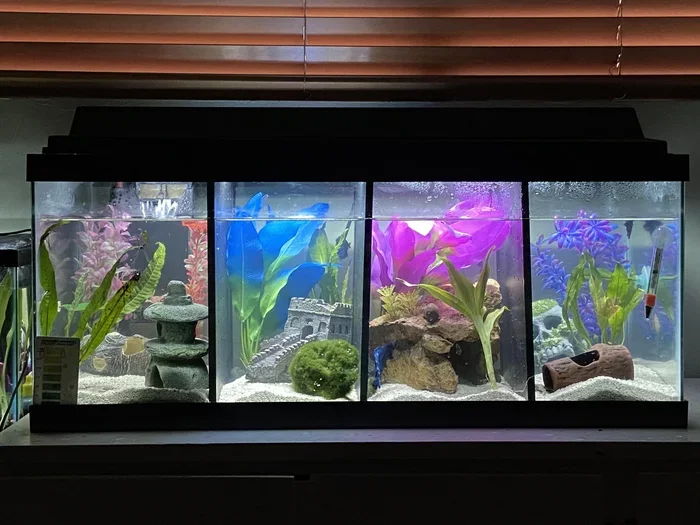
A well-designed tank is the foundation of betta survival. While bettas are hardy, they still rely on you to provide a stable, clean home. The goal is to mimic the slow, warm, and slightly acidic waters of their native habitat. You do not need a huge aquarium, but you do need the right equipment.
A tank of at least 5 gallons is the minimum recommended size. Smaller bowls and vases limit movement and make it harder to maintain stable water parameters. A gentle filter keeps the water moving without creating strong currents that tire the betta out. A heater set to 78-80°F (25-27°C) maintains the tropical warmth they need to stay active and digest food properly.
Water Quality and the Nitrogen Cycle
Understanding the nitrogen cycle is one of the most important steps for any betta owner. Fish waste produces ammonia, which is toxic even in small amounts. Beneficial bacteria convert ammonia to nitrite and then to nitrate. Regular water changes remove nitrate before it builds up to harmful levels. A tank that has not been cycled properly can cause immediate stress and long-term health problems.
Keep these water parameters in mind:
- Temperature: 78-80°F (25-27°C)
- pH: 6.5-7.5, ideally slightly acidic
- Ammonia and Nitrite: 0 ppm
- Nitrate: Below 20 ppm
For a step-by-step guide on maintaining these levels, read how to do a water change for a betta fish and make it part of your weekly routine.
Common Threats to Betta Fish Survival
Even with the best care, bettas can face health challenges. The most common threats are poor water quality, stress, and disease. Spotting the early signs of trouble gives you the best chance to save your fish. Prevention is always easier than cure.
Stress and Its Hidden Dangers
Stress weakens a betta’s immune system, making them susceptible to infections. Common stress triggers include bright lights, loud noises, aggressive tank mates, and cramped spaces. A betta that hides constantly or flares at every shadow is telling you it feels unsafe. Providing plants, caves, and gentle lighting creates a calm environment where your fish can relax and thrive.
Fin rot and ich are two diseases that often strike stressed bettas. Fin rot causes the edges of the fins to look ragged and white. Ich appears as tiny white spots like grains of salt. Both can be treated with medication, but keeping the water clean and stable is the best defense. If you notice any symptoms, act quickly and treat your betta early.
When to Seek Help
Sometimes a betta shows signs that something is seriously wrong. If your fish stops eating, stays at the bottom, or breathes rapidly at the surface, do not wait. These are signs that how do betta fish survive in your care depends on immediate action. Quarantine a sick fish, test the water parameters, and adjust the treatment as needed. A quick response can mean the difference between a full recovery and a tragic loss.
Conclusion
The story of how betta fish survive is a tale of adaptation, resilience, and the bond between fish and keeper. From their labyrinth organ to their ability to endure lean times, bettas have evolved to handle tough conditions. But in a home aquarium, their survival is in your hands. By providing clean water, a proper diet, and a stress-free environment, you give your betta the best chance to live a long, healthy life.
Remember that every small action counts. A steady feeding schedule, regular water changes, and a watchful eye for early warning signs keep your fish thriving. Understanding how do betta fish survive helps you become a more confident and compassionate owner. Apply what you have learned here, and your betta will reward you with vibrant colors, playful behavior, and years of companionship.
Frequently Asked Questions
Can a betta fish survive in a bowl without a filter?
Yes, bettas can survive in a bowl, but it is much harder to keep the water clean without a filter. A filter helps remove waste and keeps the nitrogen cycle stable. If you use a bowl, you will need to perform water changes more frequently, at least twice a week, to prevent harmful ammonia buildup.
How long can a betta fish survive without food?
A healthy adult betta can survive without food for up to 14 days, but this should only happen occasionally. Skipping meals for too long can weaken the immune system and lead to nutrient deficiencies. For regular care, feed your betta two to three small meals a day to keep them strong and active.
Do betta fish survive better alone or with other fish?
Betta fish generally survive best alone. They are territorial and can become aggressive toward other fish, especially those with similar bright colors or long fins. Keeping a betta solo in a well-planted 5-gallon tank reduces stress and helps them live a longer, healthier life.
How do betta fish survive out of water?
Betta fish have a labyrinth organ that lets them breathe air from the surface. In humid conditions, they can short out of water to move between puddles. However, they cannot stay out for long because their protective slime coat dries out quickly. Always keep your betta in water and handle them gently if you must move them.
What is the most important thing for betta fish survival?
The single most important factor is clean, stable water. Regular water changes, a gentle filter, and a heater to maintain tropical temperatures prevent most common health problems. Pair that with a balanced diet and a calm environment, and your betta has the best chance of thriving.
Can a betta fish survive a complete tank crash?
A complete tank crash, where ammonia and nitrite spike, is life-threatening. A betta may survive if you act quickly with large water changes and a water conditioner that removes toxins. Prevention is key because a sudden crash can cause irreversible damage to the gills and labyrinth organ. Monitor your water parameters regularly to catch problems early.