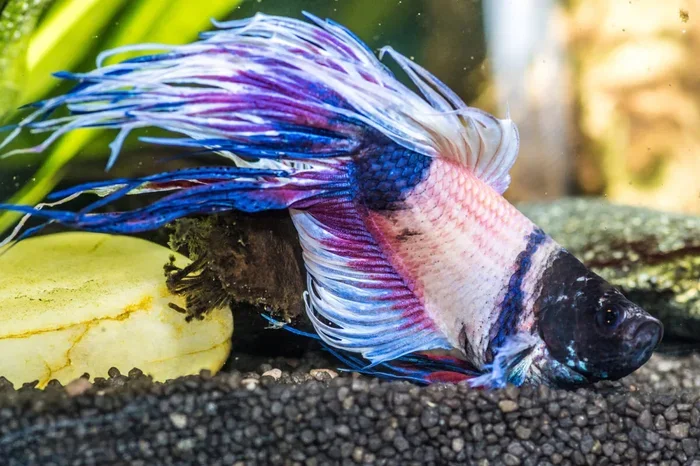
Is a Betta Fish a Anabantoid
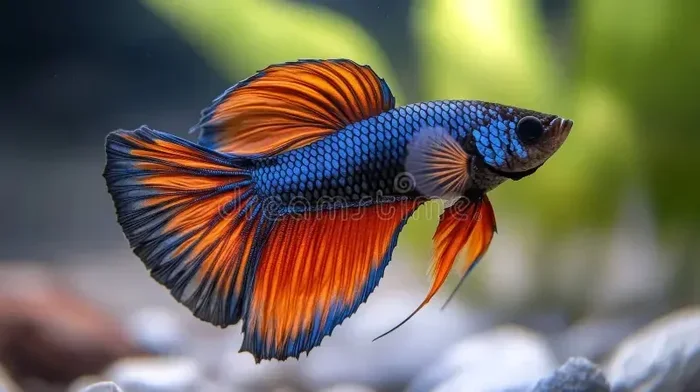
Yes, a betta fish is an anabantoid. This means bettas belong to a special group of fish that can breathe air using a unique organ called the labyrinth organ. Understanding this helps you provide better betta fish care and a healthier tank environment.
If you have ever kept a betta fish, you might have wondered about its origins. One question fish owners ask often is: is a betta fish an anabantoid? The short answer is yes. But what does that actually mean for you and your fish? Let us dive into this fascinating topic and break it down in simple terms.
A betta fish is more than just a colorful pet you see in a small cup at the pet store. It belongs to a special group of fish known as the anabantoid family. This group has some pretty amazing traits that set it apart from other freshwater fish. Knowing this helps you understand why your betta behaves the way it does and how to keep it happy.
Whether you are a new fish owner or someone who has kept betta fish for years, this guide will help you understand the science behind your pet. We will cover what anabantoids are, how the labyrinth organ works, and what this means for daily betta care. Let us get started.
Key Takeaways
- Betta fish are anabantoids: They belong to the Anabantiformes order, which includes other popular freshwater fish.
- The labyrinth organ is key: This special breathing structure allows bettas to survive in low-oxygen water.
- Tank setup matters: Knowing your betta is an anabantoid helps you choose the right water temperature and tank size.
- Betta fish are tropical: They thrive in warm water and need stable conditions to stay healthy.
- Tank mates are important: Understanding anabantoid behavior helps you pick compatible companions for your betta.
- Natural habitat shapes care: Wild bettas live in shallow, warm waters in Southeast Asia, which informs how we keep them in captivity.
📑 Table of Contents
What Is an Anabantoid Fish?
Anabantoids are a group of fish that have a special ability. They can breathe air. This is different from most fish, which rely only on their gills to get oxygen from water. The anabantoid group is also called labyrinth fish. This name comes from their unique breathing organ.
The order Anabantiformes includes several families of fish. The betta fish, or Betta splendens, is one of the most popular members. Other anabantoids include gouramis and climbing perch. These fish share common traits that make them stand out in the aquarium world.
Key Traits of Anabantoid Fish
- Air-breathing ability: They can gulp air from the surface and use it to breathe.
- Labyrinth organ: A special structure that processes oxygen from the air.
- Tropical origin: Most anabantoids come from warm waters in Asia and Africa.
- Compact size: Many anabantoids, including bettas, are small enough for home aquariums.
- Interesting behavior: Some species build bubble nests, which is a famous betta trait.
So when someone asks, is a betta fish an anabantoid, the answer is a clear yes. Your betta shares this special group with other popular aquarium fish. This is important because it shapes how you care for your pet.
The Labyrinth Organ Explained
The labyrinth organ is the star of the show. This is what makes anabantoid fish so unique. It is a folded, plate-like structure located near the gills. When a betta gulps air from the surface, the oxygen passes through these folds and enters the bloodstream.
Think of it like a tiny lung. The labyrinth organ works like a sponge that soaks up oxygen from the air. This gives bettas a big advantage in the wild. They can survive in shallow, stagnant pools where other fish would struggle.
How the Labyrinth Organ Works
- The betta swims to the surface and takes a gulp of air.
- The air enters the mouth and passes over the labyrinth organ.
- Oxygen from the air is absorbed into the blood vessels in the organ.
- Carbon dioxide is released back into the water through the gills.
This process happens every few minutes. You might notice your betta rising to the surface frequently. This is normal behavior for an anabantoid fish. If your betta is gasping at the surface too often, it could be a sign of poor water quality or low oxygen levels.
Why This Matters for Betta Care
Because bettas can breathe air, many people think they do not need a filter or a heater. This is a common mistake. While they can survive in low-oxygen water, they still need clean, warm water to thrive. A good filter keeps the water free from harmful toxins. A heater maintains the right water temperature for your betta.
Betta Fish as Tropical Anabantoids
Betta fish are native to Southeast Asia. They live in warm, shallow waters like rice paddies, canals, and slow-moving streams. This is why they are classified as tropical fish. The warm climate of their natural habitat plays a big role in their health and well-being.
Understanding where bettas come from helps you recreate a similar environment in your home tank. Wild bettas live in water that is typically between 75 and 82 degrees Fahrenheit. They prefer slow-moving or still water with plenty of plants and hiding spots.
Betta Natural Habitat and Anabantoid Traits
In the wild, bettas often live in water that has low oxygen levels. This is where their anabantoid nature really shines. The labyrinth organ allows them to survive in conditions that would be deadly for other fish. This is one reason why bettas can live in small containers, but it does not mean they should.
To learn more about where bettas come from, check out this guide on betta fish natural habitat. It will help you understand the environment your pet is adapted to.
Water Conditions for Anabantoid Fish
- Temperature: Keep water between 76 and 82 degrees Fahrenheit.
- pH level: Aim for a pH between 6.5 and 7.5.
- Water hardness: Soft to moderately hard water is best.
- Filtration: Use a gentle filter to avoid strong currents.
- Heater: A reliable heater keeps the temperature stable.
These conditions mimic the warm, calm waters of the betta’s natural home. When you maintain stable water parameters, your betta will be healthier and more active.
Why the Anabantoid Classification Matters
Knowing that a betta is an anabantoid is not just trivia. It has real practical value for fish owners. This classification affects how you set up your tank, what you feed your fish, and how you choose tank mates.
Tank Setup for Anabantoid Fish
Because anabantoids breathe air, they do not need extremely high oxygen levels in the water. However, they still need a well-maintained tank. A 5-gallon tank is the minimum recommended size for a single betta. Larger tanks provide more stable water conditions and room to swim.
If you are wondering about tank sizes, this article on best tank size for a betta fish has detailed recommendations. A proper tank setup reduces stress and helps your betta live a longer, healthier life.
Feeding Anabantoid Fish
Betta fish are carnivores by nature. They eat insects, larvae, and small crustaceans in the wild. In captivity, they do well on a diet of high-quality pellets, frozen bloodworms, and brine shrimp. Because anabantoids have a simple digestive system, overfeeding is a common problem. Feed small amounts once or twice a day.
Choosing Tank Mates
Not all fish get along with bettas. Because bettas are anabantoids with a territorial nature, they need careful tank mate selection. Some fish species are compatible, while others can cause stress or conflict. If you are thinking about adding companions, this guide on good tank mates for betta fish can help you make the right choice.
Common Misconceptions About Betta Fish
There are many myths about betta fish. Let us clear up some of the most common ones. These misconceptions often come from a lack of understanding about anabantoid fish.
Myth 1: Bettas Can Live in Tiny Bowls
Yes, bettas can breathe air, which gives them an advantage. But a tiny bowl does not provide enough space or stable water conditions. A small container leads to rapid changes in temperature and toxin levels. Your betta deserves a proper tank with room to explore.
Myth 2: Bettas Do Not Need a Heater
Because bettas are tropical fish, they need warm water year-round. Room temperature water is often too cool. A heater keeps the water at a consistent temperature that supports healthy bodily functions. Without a heater, your betta may become sluggish or prone to illness.
Myth 3: Bettas Are Low-Maintenance Fish
Betta fish are hardy, but they still need regular care. You need to test water parameters, perform partial water changes, and feed a proper diet. The anabantoid nature of bettas does not make them indestructible. They thrive when you give them the right environment.
How to Tell if Your Betta Is Healthy
A healthy betta fish is a happy betta. Because you now understand that your pet is an anabantoid, you can watch for signs that reflect its unique biology. Here are some things to look for.
- Bright, vibrant colors: A healthy betta displays rich, vivid colors.
- Active swimming: Your betta should move around the tank with ease.
- Regular surface visits: It is normal for bettas to come up for air every few minutes.
- Good appetite: A healthy betta will eat eagerly.
- Intact fins: Fins should be smooth and free from tearing or discoloration.
- Bubble nest building: Male bettas often build bubble nests, which is a sign of a content fish.
If you notice any of these warning signs, take action quickly. Check the water parameters, adjust the temperature, and look for signs of disease. Early intervention can make a big difference in your betta’s health.
Final Thoughts
So, is a betta fish an anabantoid? Absolutely. Your betta belongs to a remarkable group of fish that can breathe air thanks to the labyrinth organ. This trait shapes everything from their natural habitat to their daily care needs. When you understand your betta’s biology, you can provide a better home for it.
Keep the water warm, clean, and well-maintained. Feed a proper diet. Choose compatible tank mates. And enjoy watching your anabantoid fish thrive. With the right care, your betta can live for several years and bring you joy every day. Remember, a well-informed owner is the best owner.
Frequently Asked Questions
What is an anabantoid fish?
An anabantoid fish is a type of freshwater fish that has a labyrinth organ, which allows it to breathe air from the surface. This group includes bettas, gouramis, and climbing perch. The labyrinth organ gives them an advantage in low-oxygen water environments.
Can betta fish survive without a filter?
While bettas can breathe air, they still need a filter to keep the water clean. A filter removes harmful toxins like ammonia and nitrite. Without a filter, water quality drops quickly, which can make your betta sick. A gentle sponge filter works well for betta tanks.
Why does my betta fish keep coming to the surface?
Betta fish come to the surface to gulp air because they have a labyrinth organ. This is normal behavior for an anabantoid fish. However, if your betta is gasping frequently or seems distressed, it could mean the water has low oxygen or poor quality. Check your water parameters and adjust as needed.
Are betta fish tropical fish?
Yes, betta fish are tropical fish that originate from the warm waters of Southeast Asia. They need a consistent water temperature between 76 and 82 degrees Fahrenheit. A heater is essential to maintain stable conditions in your aquarium.
What is the labyrinth organ in betta fish?
The labyrinth organ is a special structure near the gills that allows bettas to absorb oxygen from the air. It works like a tiny lung. This organ is what makes anabantoid fish unique and helps them survive in shallow, low-oxygen waters in the wild.
How long do betta fish live?
With proper care, betta fish can live between 3 and 5 years. Some well-cared-for bettas have even been known to live longer. Providing a clean tank, proper diet, and stable water conditions helps your betta reach its full lifespan.