How to Treat Septicemia in Betta Fish
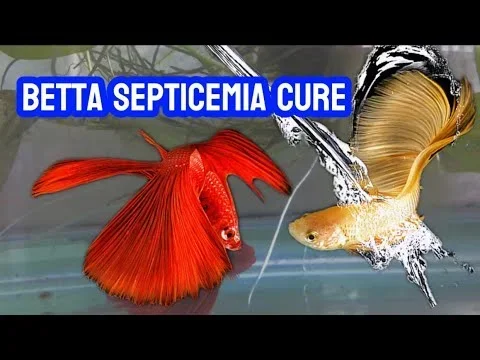
Septicemia is a serious bacterial bloodstream infection that can quickly become deadly for betta fish if left untreated. This guide covers the top symptoms, root causes, and proven treatment methods to help you save your fish. You will learn how to spot early warning signs, set up a hospital tank, and use the right medications effectively. Quick action and proper care make all the difference in a full recovery.
Key Takeaways
- Septicemia is a bacterial infection in the bloodstream that requires immediate treatment to prevent organ failure and death.
- Common causes include poor water quality, injuries, and secondary infections from other diseases like fin rot or ich.
- Early symptoms include red streaks on the body, lethargy, and loss of appetite — catching them fast improves survival rates.
- Treatment involves a hospital tank, antibiotics, and water parameter adjustments to create a healing environment.
- Prevention through regular tank maintenance and stress reduction is the best long-term strategy for keeping bettas healthy.
- Consult an aquatic veterinarian if symptoms worsen despite home treatment.
📑 Table of Contents
What Is Septicemia in Betta Fish?
Septicemia is a dangerous bacterial infection that enters your betta’s bloodstream. Once bacteria spread through the blood, they can damage vital organs. This condition progresses fast and can turn fatal within days. Understanding what septicemia is helps you act before it is too late.
Many fish keepers confuse septicemia with other common betta diseases. The red streaks that appear on the body are a telltale sign. These streaks happen because bacteria inflame and damage blood vessels under the skin. Without treatment, the infection can shut down organs completely.
Septicemia in betta fish often starts as a secondary problem. This means another illness or injury opens the door for bacteria. For example, fin rot or a physical wound can let harmful bacteria into the bloodstream. That is why addressing the root cause matters just as much as treating the infection itself.
How Does Septicemia Differ from Other Betta Fish Infections?
Unlike surface-level infections, septicemia attacks the inside of your fish. Bacteria travel through the blood to reach the liver, kidneys, and heart. This makes it far more dangerous than a simple fin tear or skin irritation. Many fish owners do not realize the severity until symptoms become advanced.
Other infections like fin rot or ick affect specific areas. Septicemia, on the other hand, affects the entire body. This systemic nature is what makes it so urgent to treat.
Common Causes of Septicemia in Betta Fish
Several factors can trigger septicemia in betta fish. Most of these causes are preventable with proper care. Let us look at the biggest culprits.
Poor Water Quality
Dirty water is the number one enemy of betta fish. High levels of ammonia and nitrite weaken the immune system. When the immune system is weak, bacteria that are normally harmless can turn deadly. This is why nitrate poisoning and septicemia often go hand in hand.
Regular water changes keep toxins at bay. A well-maintained tank gives your betta a strong defense against infection. Test your water parameters at least once a week to stay ahead of problems.
Injuries and Physical Trauma
Betta fish can get hurt in several ways. Sharp decorations, aggressive tank mates, or rough handling during netting can cause wounds. These open wounds become entry points for bacteria. Once inside, the bacteria can multiply and spread through the bloodstream.
Even a small scrape can lead to a serious infection. Always check your tank for sharp edges. Choose smooth decorations and avoid keeping your betta with aggressive species.
Secondary Infections from Other Diseases
Many betta fish develop septicemia as a complication of another illness. Diseases like dropsy, bloat, and fin rot weaken the body over time. This gives bacteria an opportunity to invade the bloodstream. If your betta has an ongoing infection, watch closely for signs of septicemia.
Dropsy and bloat are common precursors. These conditions stress the body and make it vulnerable. Treating the primary disease early reduces the risk of septicemia developing.
Stress and Weakened Immunity
Stressed fish get sick more easily. Poor living conditions, sudden temperature changes, and overcrowding all contribute to stress. A stressed betta cannot fight off infections effectively. This is why stress management plays a big role in disease prevention.
Keep your betta in a calm, stable environment. Avoid loud noises, sudden lighting changes, and frequent disturbances. A happy fish has a much stronger immune system.
Signs and Symptoms of Septicemia in Betta Fish
Catching septicemia early is the key to saving your betta. The sooner you spot the signs, the better the chances of recovery. Here are the most common symptoms to watch for.
Red Streaks on the Body and Fins
This is the most recognizable sign of septicemia. Thin red or pink lines appear along the body and fins. These streaks are caused by inflamed blood vessels leaking under the skin. If you notice this, act immediately.
Lethargy and Loss of Energy
A healthy betta is an active betta. If your fish stays at the bottom of the tank and refuses to move, something is wrong. Lethargy is a common symptom of many betta diseases, but combined with red streaks, it strongly points to septicemia.
Loss of Appetite
Betta fish are naturally hungry eaters. If your fish stops eating or shows no interest in food, this is a red flag. A prolonged loss of appetite weakens the fish further and speeds up the infection.
Swollen Abdomen and Bloating
Septicemia can cause fluid buildup in the belly area. This swelling is different from regular bloat. The belly feels firm and the scales may stick out. This symptom often appears in advanced stages of the infection.
Rapid Breathing and Gasping
Infected fish often breathe rapidly at the water surface. This happens because the infection affects the gills and oxygen absorption. Labored breathing is a serious sign that the infection is progressing.
Fins Clamped Close to the Body
When a betta clamps its fins tightly against its body, it signals discomfort or pain. This behavior is common in many fish diseases. But when paired with other septicemia symptoms, it confirms the infection.
How to Treat Septicemia in Betta Fish
Treating septicemia requires a multi-step approach. You need to address the infection, support the fish’s recovery, and fix the underlying cause. Here is a detailed step-by-step guide.
Step 1: Set Up a Hospital Tank
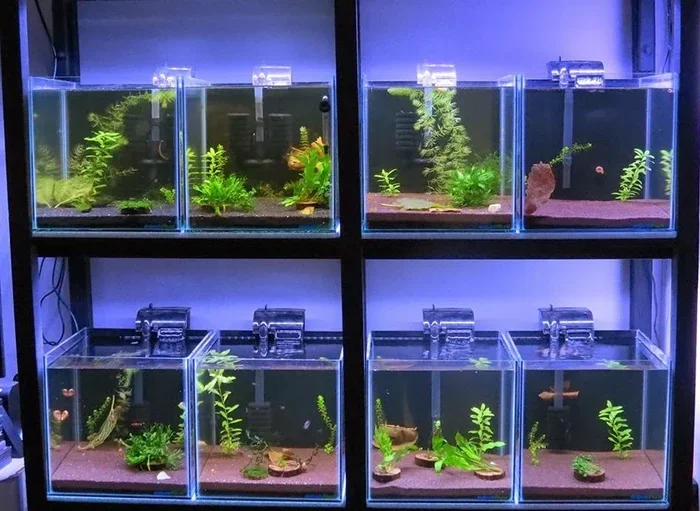
Move your infected betta to a separate hospital tank right away. This prevents the spread of bacteria to other fish. A hospital tank also makes it easier to monitor and medicate your betta. Keep the tank clean and at a stable temperature around 78 to 80 degrees Fahrenheit.
Use a sponge filter to maintain water flow without strong suction. Add a few drops of Indian almond leaves or tannins to support healing. Keep the tank dimly lit to reduce stress on your sick fish.
Step 2: Test and Adjust Water Parameters
Before starting any medication, test the water. Ammonia and nitrite levels should be at zero. Nitrate should stay below 20 ppm. Poor water quality will undermine any treatment you try. Fix the water first, then begin medication.
Perform a 25 to 30 percent water change before transferring the fish. Use dechlorinated water at the same temperature as the hospital tank. Clean water gives the medication a better chance to work.
Step 3: Use Antibiotics Targeted at Bacterial Infections
Septicemia is a bacterial infection, so antibiotics are the primary treatment. Kanamycin and tetracycline are commonly used for gram-negative bacteria. Maracyn Two and API Fin & Body Cure are popular choices among fish keepers.
Follow the dosage instructions on the medication label carefully. Overdosing can harm your betta, and underdosing will not kill the bacteria. Treat the full course of medication even if symptoms improve early.
Important: Remove carbon from your filter during medication. Carbon absorbs the medication and reduces its effectiveness. You can add it back after the treatment is complete.
Step 4: Support Recovery with Proper Nutrition
Sick fish need extra nutrition to fight off infection. Offer high-quality betta pellets and frozen or live foods. Brine shrimp and bloodworms are excellent choices. Soak dry food before feeding to make it easier to digest.
If your betta refuses to eat, try offering a small piece of garlic-soaked food. Garlic is a natural appetite stimulant. Feed small amounts twice a day rather than one large meal.
Step 5: Monitor Progress Daily
Watch your betta closely every day. Look for improvements in color, appetite, and activity level. If symptoms do not improve within 3 to 5 days, consider adjusting the medication or consulting a vet. Keep a log of water parameters and behavior changes.
Step 6: Gradually Return to the Main Tank
Once your betta shows clear signs of recovery, you can return it to the main tank. Acclimate the fish slowly by floating the bag in the tank for 15 to 20 minutes. Match the temperature and water parameters carefully. A smooth transition reduces the risk of relapse.
Prevention Tips for Keeping Your Betta Healthy
Preventing septicemia is much easier than treating it. A few simple habits can keep your betta safe and healthy for years.
Maintain Clean Water Regularly
Perform partial water changes every week. This removes harmful toxins and keeps the environment healthy. Use a gravel vacuum to clean debris from the substrate. Clean water is the foundation of good betta fish care.
Cycle Your Tank Properly
A fully cycled tank processes waste effectively. New tanks need to complete the nitrogen cycle before adding fish. This process builds beneficial bacteria that break down ammonia and nitrite. If you are unsure how to cycle a tank, learn more about cycling a tank with betta fish before introducing your pet.
Avoid Overcrowding
Betta fish need space to thrive. A tank of at least 5 gallons is recommended. Overcrowding increases stress and waste buildup. Keep only peaceful tank mates if you choose to add other fish.
Quarantine New Fish and Plants
Always quarantine new additions for at least two weeks. This prevents the introduction of diseases and parasites. A separate quarantine tank lets you observe new fish for any signs of illness before they join the main tank.
Reduce Stress in the Environment
Create a calm and stable habitat for your betta. Avoid sudden changes in lighting, temperature, or water flow. Provide hiding spots with soft plants and smooth decorations. A stress-free environment keeps the immune system strong.
When to See a Veterinarian
Home treatment works well in many cases of septicemia. However, some situations require professional help. If your betta stops eating completely for more than two days, seek expert advice. Rapidly worsening symptoms or a fish that becomes unresponsive also signal a need for veterinary care.
An aquatic veterinarian can prescribe stronger medications and run diagnostic tests. They can identify the specific bacteria causing the infection. This targeted approach often leads to faster and more effective treatment.
Do not wait too long before seeking help. Septicemia progresses quickly, and every hour counts. Early professional intervention can make the difference between life and death.
Conclusion
Septicemia in betta fish is a serious but treatable condition when caught early. By understanding the causes, recognizing the symptoms, and following the right treatment steps, you can give your betta the best chance of recovery. A hospital tank, proper antibiotics, clean water, and good nutrition form the foundation of effective treatment.
Prevention remains the most powerful tool in your arsenal. Regular water changes, proper tank cycling, and stress reduction keep your betta healthy and resilient. Stay vigilant, act quickly, and your betta fish can enjoy a long and happy life.
Frequently Asked Questions
Can septicemia in betta fish be cured at home?
Yes, mild to moderate cases of septicemia can often be treated at home with antibiotics and a hospital tank. Early detection is critical. If you catch the red streaks and lethargy in the first few days, home treatment has a good success rate. Always follow the full course of medication for the best results.
How long does it take for a betta fish to recover from septicemia?
Recovery time varies depending on the severity of the infection. Mild cases may show improvement within 3 to 5 days of treatment. More advanced cases can take 2 to 4 weeks for a full recovery. Consistent water quality and proper nutrition speed up the healing process significantly.
Is septicemia in betta fish contagious to other fish?
Septicemia itself is not directly contagious between fish. However, the bacteria that cause it can spread through contaminated water. This is why quarantining an infected betta in a hospital tank is so important. Other fish in the same tank may already be exposed if water quality is poor.
What is the best antibiotic for treating septicemia in betta fish?
Kanamycin and tetracycline are widely recommended for gram-negative bacterial infections like septicemia. Maracyn Two and API Fin & Body Cure are popular over-the-counter options. Always choose an antibiotic that targets the specific type of bacteria causing the infection for the best results.
Can poor water quality alone cause septicemia in betta fish?
Poor water quality weakens the immune system and creates the perfect conditions for bacteria to thrive. While bad water alone may not directly cause septicemia, it significantly increases the risk. High ammonia and nitrite levels damage the gills and internal organs, making it easy for bacteria to enter the bloodstream.
How can I tell the difference between septicemia and dropsy in my betta fish?
Septicemia is characterized by red streaks on the body and fins, while dropsy causes extreme swelling and pinecone-like scales. Septicemia affects the bloodstream, whereas dropsy is related to kidney failure and fluid retention. Both conditions require immediate treatment, but the symptoms and treatment approaches differ. If you are unsure, consult the guide on how to treat dropsy for a more detailed comparison.
=== CONCLUSION ===
Treating septicemia in betta fish demands quick action and consistent care. The combination of a hospital tank, targeted antibiotics, clean water, and proper nutrition gives your betta the best fighting chance. Prevention through regular maintenance and stress-free living is always better than treatment after the fact. Stay proactive, watch for early warning signs, and your betta will thrive for years to come.