How to Treat Bloat in Betta Fish
Bloat in betta fish is a serious, often life-threatening symptom, not a disease itself. It signals a severe internal issue, most commonly constipation from overfeeding or poor diet, but also potentially bacterial infection, parasites, or internal organ failure. Immediate action is critical: isolate the fish, fast for 24-48 hours, and perform pristine water changes. Treatment depends on the suspected cause, ranging from simple dietary correction to antibiotics like Metronidazole. Prevention through proper feeding, high water quality, and quarantine is the most effective long-term strategy.
You lean in to admire your betta’s flowing fins, and your heart sinks. That sleek, streamlined body looks… wrong. There’s a distinct, unnatural roundness to his belly. He’s listless, maybe floating oddly. This is bloat. The term alone is alarming, and it should be. In the world of betta fish, bloat is one of the most common and deadly conditions you can encounter. But here’s the most important thing to understand right now: bloat is not a disease. It is a devastating symptom. It’s your betta’s body screaming that something is very, very wrong on the inside. Your job, as his dedicated caretaker, is to become a detective and a first responder. This comprehensive guide will walk you through exactly how to treat bloat in betta fish, from the crucial first minutes to long-term prevention. We’ll break down the causes, the immediate actions, the specific treatments, and how to give your aquatic friend the best possible chance at recovery.
Key Takeaways
- Bloat is a Symptom, Not a Disease: It indicates a severe internal problem like constipation, infection, or organ dysfunction. Identifying the root cause is essential for effective treatment.
- Fasting is the First and Most Crucial Step: Immediately stop feeding for 24-48 hours to clear the digestive tract. This is safe for adult bettas and often resolves simple constipation.
- Water Quality is Non-Negotiable: Poor water quality is a primary stressor and cause. Perform daily 50% water changes with dechlorinated, temperature-matched water during treatment.
- Treatment is Cause-Specific: For suspected constipation, use daphnia or cooked peas. For suspected internal infection (bacterial/parasitic), use antibiotics like Metronidazole or antiparasitics like Levamisole, often via medicated food or bath.
- Prevention is the Best Medicine: Feed high-quality, varied foods sparingly (2-3 pellets 2-3x/week), maintain impeccable water conditions, and quarantine all new livestock to prevent bloat long-term.
- Early Detection Saves Lives: Regularly observe your betta for a slightly rounded, swollen abdomen, lethargy, and loss of appetite. Catching bloat in its very early stages dramatically increases survival chances.
- Euthanasia May Be the Kindest Option: If the fish is suffering immensely, is floating inverted, and shows no improvement after 3-5 days of proper care, humane euthanasia is a compassionate final step.
📑 Table of Contents
- Understanding the Enemy: What Exactly Is “Bloat”?
- Immediate Action Protocol: The First 24 Hours
- Diagnosing the Cause: Constipation vs. Infection
- Medication: Targeted Treatment for Internal Ailments
- Supportive Care & Epsom Salt Baths
- Prevention: The Only Guaranteed Cure
- Special Considerations: When Bloat Is a Different Beast
- Conclusion: A Caretaker’s Commitment
Understanding the Enemy: What Exactly Is “Bloat”?
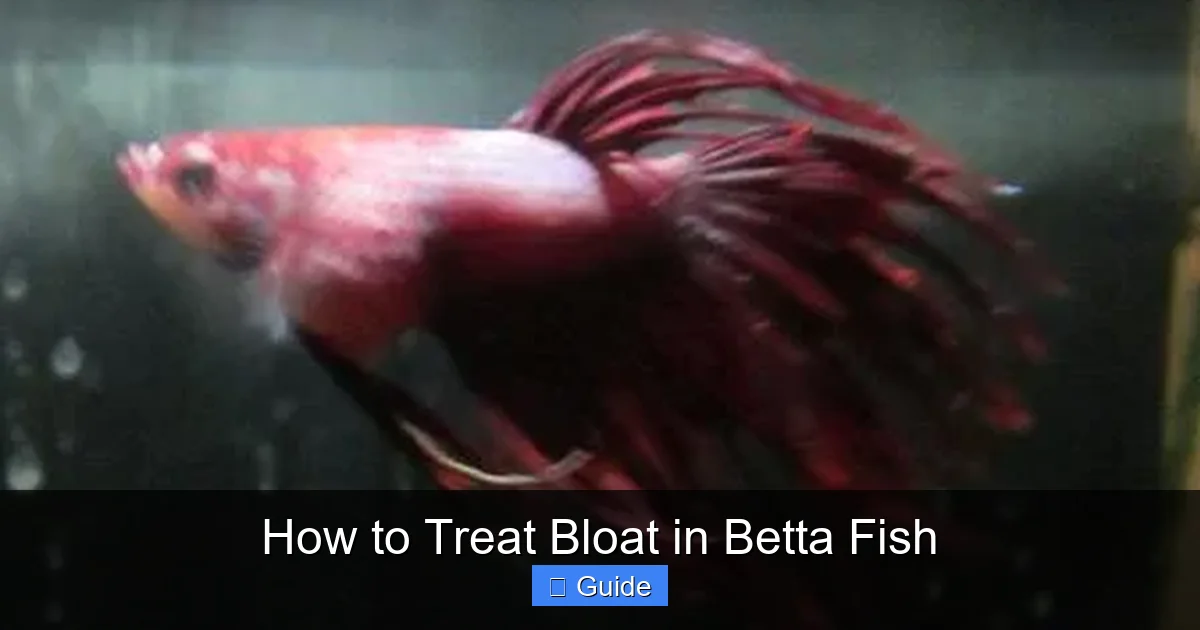
Before we can treat bloat effectively, we must understand what we’re looking at. Bloat, clinically referred to as ascites or dropsy in its most extreme form, is the abnormal accumulation of fluid or gas within the body cavity. It manifests as a visibly swollen, often distended abdomen. The scales may begin to lift away from the body (a condition called “pineconing”), which is a hallmark of advanced, usually fatal dropsy. However, bloat can appear in stages. Early-stage bloat might just be a slightly rounded belly, with the fish otherwise acting normal. This is your golden window for intervention.
The Most Common Culprit: Constipation
By a significant margin, the number one cause of bloat in captive bettas is simple, painful constipation. Betta fish are carnivores with short digestive tracts. In the wild, they eat small insects and larvae. In our tanks, we often make two critical errors: overfeeding and feeding the wrong foods. Low-quality pellets with high grain or plant content, excessive treats, or even just one too many feedings can cause a logjam in their system. The undigested food ferments, produces gas, and causes painful swelling. The fish becomes constipated, stops eating, and becomes lethargic. This is often the starting point for a cascade of other problems.
When It’s More Than a Full Belly: Internal Infections & Parasites
If fasting doesn’t resolve the bloat, we must look deeper. A swollen abdomen can be caused by internal bacterial infections (like Aeromonas or Pseudomonas) or parasites (such as Hexamita or tapeworms). These invaders wreak havoc on the internal organs—the liver, kidneys, and intestines—causing inflammation, fluid buildup, and organ failure. This is a much more serious scenario. The bloat may be accompanied by a stringy, white, or clear feces (a sign of internal parasites) or a complete lack of feces (a sign of severe constipation or organ shutdown). The fish may also develop clamped fins, color loss, and extreme lethargy.
The “Dropsy” Misconception
Many bettakeepers use “dropsy” and “bloat” interchangeably. Technically, dropsy refers specifically to the symptom of fluid accumulation *within the body tissues*, which causes the iconic pineconing scale effect. Dropsy is almost always the end-stage symptom of a severe underlying issue, usually a systemic bacterial infection that has overwhelmed the fish’s immune system and kidney function. By the time scales pinecone, the prognosis is extremely poor. However, bloat can exist without pineconing, especially in the early, treatable stages of constipation or a developing infection. Our goal is to treat the bloat before it ever gets to the pineconing stage.
Immediate Action Protocol: The First 24 Hours
Time is of the essence. The moment you notice abnormal swelling, you must spring into action. What you do in the first 24 hours will set the stage for recovery or decline. Do not panic, but do not delay.
Visual guide about How to Treat Bloat in Betta Fish
Image source: ricknovy.com
Step 1: Isolation is Mandatory
Gently net your betta and move him to a separate, bare hospital tank. This should be at least 1 gallon (3.8 L) in size, but bigger is better. The hospital tank needs nothing in it but clean, dechlorinated water at the correct temperature (78-80°F or 25.5-26.5°C). No substrate, no decorations, no hiding spots—just water. Why? This eliminates any chance of the fish injuring itself on decor while weak. It also allows you to medicate the water directly without harming other tank inhabitants. Most importantly, it confines any potential contagious pathogen (like a parasite) and allows for 100% focused water quality management on a single, small volume of water.
Step 2: The Critical Fast
Do not feed your betta. I repeat: do not feed him. For the next 24-48 hours, his tank will be food-free. This is the single most important step for treating constipation-related bloat. A betta’s digestive system is short. Giving it more food to digest when it’s already clogged is like pouring gasoline on a fire. The fast gives the intestines a complete rest, allowing any impaction to break down and pass naturally. For an adult betta, a 48-hour fast is perfectly safe and highly therapeutic. You must resist the urge to feed because you think he looks hungry—he likely does, but food will make it worse.
Step 3: Aggressive Water Changes
In your hospital tank, perform a 100% water change immediately after placing the fish in it. Use a reliable water conditioner to remove chlorine and chloramines. Then, plan for another 100% water change 12 hours later. The goal here is twofold: to remove any ammonia or nitrite spikes (a stressed, constipated fish produces more waste) and to ensure the water parameters are absolutely pristine. Any amount of poor water quality will suppress the immune system and hinder recovery. Use a separate, clean container to acclimate your betta to the new water during these changes to avoid temperature shock.
Diagnosing the Cause: Constipation vs. Infection
After the initial 24-48 hour fast, you need to assess. Has the bloat reduced? Is the fish more active? The answer will point you in the right direction.
Visual guide about How to Treat Bloat in Betta Fish
Image source: bettacarefishguide.com
The “Pea Test” for Constipation
If the bloat has noticeably decreased and your betta is showing more interest in his surroundings, it was likely constipation. The next step is to offer a remedy. The classic, most effective remedy is a cooked, skinned green pea. Yes, a pea. It’s high in fiber and acts as a gentle laxative. Here’s how to do it: boil a frozen or fresh pea until soft, remove the skin (it should slip off easily), and mash a tiny, pea-sized portion. Offer this single piece with tweezers. If he eats it, great. If not, try again in a few hours. You can also use daphnia (live or frozen), which is a natural laxative for fish. After this single high-fiber meal, return to a strict fast for another 24 hours. The bloat should continue to subside. Once normal, resume feeding with a *tiny* amount of high-quality, protein-based food (like frozen brine shrimp or a premium betta pellet) for a few days before returning to a normal schedule.
Recognizing Signs of Internal Infection
If, after 48 hours of strict fasting, the bloat is unchanged or has worsened, or if the fish’s condition has deteriorated (more lethargic, clamped fins, stringy feces), you are likely dealing with an internal bacterial or parasitic infection. At this stage, the fish’s immune system is compromised, and the infection is taking hold. The bloating is from fluid and inflammation, not just gas. You will need to escalate to medication. Do not attempt to treat a suspected infection with home remedies like Epsom salt baths for more than a day. While Epsom salt (magnesium sulfate) can help reduce swelling by drawing out fluid, it does not cure the underlying infection. It is a supportive measure, not a cure.
Medication: Targeted Treatment for Internal Ailments
When you suspect infection, targeted medication is necessary. The two main categories are antibiotics for bacteria and antiparasitics for parasites. Often, a broad-spectrum antibiotic is used first because mixed infections are common.
Visual guide about How to Treat Bloat in Betta Fish
Image source: img.thepets.net
Antibiotics: Metronidazole is the Gold Standard
For suspected internal bacterial infections and certain parasites (like Hexamita), Metronidazole (also sold as Flagyl) is the first-line treatment. It is highly effective against anaerobic bacteria and protozoan parasites. You have two primary methods of administration:
- Medicated Food: This is the most effective and least stressful method. Purchase a commercial medicated betta food (like Hikari Betta Bio-Gold with Metronidazole) or soak your regular high-quality pellets in a Metronidazole slurry (crush a 250mg tablet, mix with a little water to make a paste, coat pellets, let dry). Feed this medicated food for 5-7 days, even if the fish refuses at first. You can try hand-feeding or target feeding with a syringe (no needle).
- Medicated Bath: If the fish will not eat, you must use a bath. Dissolve the appropriate dose of Metronidazole (research carefully—dosage for fish is different than for humans) in the hospital tank water. This is less effective than food-based treatment but can help. A 5-day bath treatment is standard. You must perform 100% water changes and re-dose with each change.
Important: Always complete the full course of antibiotics (5-7 days minimum), even if the fish appears better after 2 days. Stopping early allows resilient bacteria to survive and create a worse infection.
Antiparasitics: When Worms Are the Problem
If you see stringy, white feces (not to be confused with normal clear/white urates) or suspect tapeworms, an antiparasitic is needed. Praziquantel is excellent for flukes and tapeworms. Levamisole is effective for nematodes (roundworms). These are also best administered via medicated food. For severe cases, a combination of Metronidazole (for any secondary bacterial infection) and an antiparasitic may be used, but consult a vet or experienced resource for safe combinations. Copper-based medications (like Cupramine) can treat some external parasites but are toxic to invertebrates and can stress fish if overdosed; they are not typically first-line for internal bloat.
Supportive Care & Epsom Salt Baths
While medication tackles the root cause, supportive care helps your betta’s body cope and recover. This is where Epsom salt (magnesium sulfate) comes in. It is not a medication, but it is a powerful supportive tool.
- How it Works: Epsom salt helps draw excess fluid out of the fish’s body tissues through osmosis, reducing swelling and pressure on internal organs. It can also help relieve constipation by drawing fluid into the digestive tract.
- How to Use: In your hospital tank, add 1 teaspoon of Epsom salt per 5 gallons (19 L) of water. Dissolve it in a cup of tank water first. For a 1-gallon hospital tank, that’s about 1/4 teaspoon. Do not use table salt or aquarium salt—only pure Epsom salt. Perform 100% water changes daily, re-dosing the Epsom salt each time. Continue this for 3-5 days, or until the bloat significantly subsides.
- Important Caution: Do not use Epsom salt long-term (more than 5-7 days) as it can disrupt the fish’s electrolyte balance. It is a short-term therapeutic agent, not a permanent tank additive.
Maintain impeccable water quality throughout. Use a heater to keep temperature stable. Consider adding a small, bare sponge filter for gentle biological filtration and water movement, but ensure the current is minimal so your weak betta doesn’t struggle.
Prevention: The Only Guaranteed Cure
We treat bloat to save a fish, but we prevent bloat to save ourselves the heartache. An ounce of prevention is worth a pound of cure, and this is never truer than with betta fish.
Master the Art of Feeding
This is your #1 prevention tool. Betta stomachs are roughly the size of their eye. A proper meal is 2-3 high-quality pellets, fed only 2-3 times per week. Yes, you read that right. Bettas in the wild eat sporadically. They do not need daily feeding. Overfeeding is the fastest path to constipation and bloat. Choose pellets with a primary ingredient of fish or shrimp meal, not wheat or soy. Supplement with occasional high-protein treats: frozen or live daphnia, brine shrimp, or bloodworms. Always fast your betta one day a week to give his digestive system a rest. This simple habit prevents 80% of bloat cases.
Water Quality is Paramount
Constantly cycling a small, unfiltered betta tank with weekly water changes is a myth that kills fish. Ammonia and nitrite are toxic and cause immense stress, suppressing the immune system and making fish susceptible to all diseases, including those that cause bloat. If your tank is under 5 gallons, you must perform 50% water changes 2-3 times per week, using a gravel vacuum to remove solid waste. Test water parameters regularly with a liquid test kit (API Master Test Kit is the standard). Ammonia and nitrite should always read 0 ppm. Nitrates should be under 20 ppm. A filtered, planted tank (even with a single betta leaf or marimo moss ball) is ideal but requires maintenance. Clean water is a non-negotiable foundation for health.
Quarantine Every New Addition
Never, ever add a new fish, invertebrate, or plant directly to your display tank. Always set up a separate quarantine tank (a 5-10 gallon setup is perfect) and hold all new arrivals there for a minimum of 4-6 weeks. This allows you to observe for signs of disease—including bloat—and treat them in isolation before they can infect your established, and often more valuable, betta. Parasites and infections are often introduced this way. Quarantine is the single most important biosecurity measure an aquarist can take.
Special Considerations: When Bloat Is a Different Beast
Sometimes, bloat has a cause beyond our control. Being aware of these helps in making difficult decisions.
Swim Bladder Disorder (SBD)
Swim bladder disorder can cause a betta to float upside down, sink, or swim erratically. It can sometimes be accompanied by abdominal swelling. SBD can be caused by overfeeding (constipation pressing on the bladder), bacterial infection affecting the bladder, or physical injury. Treatment often overlaps with bloat treatment: fasting, Epsom salt baths, and antibiotics if infection is suspected. However, SBD from chronic constipation or a birth defect may be permanent. Supportive care is key, but the prognosis for full recovery is lower than for simple constipation.
Internal Tumors or Organ Failure
In older bettas, bloat can be the sign of a non-infectious, degenerative condition like a tumor (e.g., liver or kidney) or advanced organ failure. The swelling is due to the physical mass or the organ’s inability to process fluids. Unfortunately, there is no treatment for this. The bloat will progressively worsen, and the fish will decline. At this point, the humane choice is often euthanasia to prevent prolonged suffering. This is a heartbreaking reality, but it’s important to recognize when the battle is no longer winnable.
When to Humanely Euthanize
Watching a betta suffer is the hardest part of fishkeeping. Euthanasia is a compassionate, responsible act when recovery is impossible. Consider it if:
- The bloat is severe (grossly distended, pineconing scales).
- The fish is inverted, cannot swim, and is constantly sinking or banging into objects.
- There is zero response to treatment after 3-5 days (no eating, no movement, no reduction in swelling).
- The fish is clearly in pain, gasping for air at the surface, or has lost all color and vitality.
The most humane method is the clove oil overdose. It is peaceful and effective. Research the proper method thoroughly before considering this final step.
Conclusion: A Caretaker’s Commitment
Treating bloat in betta fish is a process that demands observation, swift action, and sometimes, tough medication choices. It starts with understanding that bloat is a cry for help from deep within your fish. Your immediate response—isolation, fasting, and pristine water—can reverse the simplest cases of constipation. If that fails, you must become a diagnostician, using the clues of progression and feces to decide between a fiber remedy and antibiotic treatment. Supporting the fish with Epsom salt baths while the medication works is crucial. But the story doesn’t end with recovery. It ends with you, changing your habits. You commit to feeding less, not more. You commit to testing your water and performing regular changes. You commit to quarantining every single new thing that enters your fish room. This shift from reactive treatment to proactive prevention is the true mark of a responsible betta keeper. Your betta’s stunning, healthy body—sleek and torpedo-shaped—is the reward. It’s a testament to your dedication and the foundation of a long, beautiful life together. Now, go check on your fish. You’ve got this.
Frequently Asked Questions
Is bloat in betta fish contagious to other fish?
It depends on the cause. Bloat from simple constipation is not contagious. However, if the bloat is caused by an internal bacterial infection or parasites, it can be spread to other fish through the water or contaminated equipment. This is why immediate isolation of the affected betta is a critical first step.
How long should I fast my betta with bloat?
For an adult betta with suspected constipation, fast for 24-48 hours. Do not extend the fast beyond 72 hours without consulting a vet, as prolonged starvation can harm the fish. After the fast, offer a single high-fiber remedy like a cooked pea or daphnia, then fast again for another 24 hours before resuming normal, minimal feeding.
Can I use Epsom salt alone to cure bloat?
No. Epsom salt (magnesium sulfate) is a supportive treatment that helps reduce swelling by drawing out fluid. It does not cure the underlying cause—be it constipation, bacteria, or parasites. It should be used in conjunction with fasting (for constipation) or appropriate medication (for infections) for 3-5 days.
When should I consider euthanizing my bloated betta?
Euthanasia is a compassionate choice if the fish is clearly suffering with no hope of recovery. Signs include: severe, pineconing bloat; inability to swim normally (floating inverted, constant sinking); no response to 3-5 days of proper treatment (fasting, water changes, medication); and extreme lethargy, gasping, or loss of color. Prolonging suffering is not kindness.
My betta recovered from bloat. How do I prevent it from happening again?
Focus on three pillars: 1) Feed properly: High-quality pellets 2-3 times a week, only 2-3 pellets per feeding. Include weekly fasting and occasional daphnia. 2) Maintain water quality: Test regularly, perform frequent water changes (50% 2-3x/week for small unfiltered tanks), and never overstock. 3) Quarantine all new arrivals for 4-6 weeks before adding them to your display tank.
Are there any safe home remedies for betta bloat?
The only safe and effective home remedy for the most common cause (constipation) is a cooked, skinned green pea or a few pieces of daphnia, offered after an initial 24-48 hour fast. For suspected infections, there are no effective home remedies. Using unproven herbal treatments or incorrect dosages of medications can delay proper care and worsen the condition. When in doubt, seek advice from a vet or experienced aquarium community.