How to Treat Ick Betta Fish
Learning how to treat ick betta fish is essential for every betta owner. Ick, also known as white spot disease, is one of the most common freshwater fish diseases. This guide covers proven treatments, prevention tips, and real-world solutions that actually work. You will learn how to spot early signs, apply the right remedies, and keep your betta healthy and happy.
Watching your betta fish develop tiny white spots can be scary. Those spots are likely ick, also called white spot disease. It is caused by a tiny parasite called Ichthyophthirius multifiliis. This parasite attaches to your fish’s skin, fins, and gills. It feeds on your betta’s nutrients and causes serious discomfort. The good news? How to treat ick betta fish is something you can absolutely learn and do at home.
Many betta owners panic when they see white spots. But ick is treatable, especially when you act fast. In this guide, we walk you through every step. You will learn what causes ick, how to identify it, the best treatment methods, and how to prevent it from coming back. Whether you are a beginner or a seasoned fish keeper, this article gives you everything you need to know.
Key Takeaways
- Early detection is critical: Catching ick in the first 24 to 48 hours makes treatment much easier and more effective.
- Aquarium salt is a go-to remedy: It helps remove parasites from your betta’s gills and body without harsh chemicals.
- Raising the water temperature speeds up the ick life cycle: This makes medications and natural treatments work faster.
- Quarantine new fish before adding them to your tank: This is the single best way to prevent ick from ever entering your setup.
- Stress reduction plays a huge role in recovery: A calm, clean environment helps your betta fight off infection naturally.
- Multiple treatment options exist: From salt baths to commercial medications, you can choose what works best for your situation.
📑 Table of Contents
What Is Ick on Betta Fish?
Ick is a parasitic disease that affects freshwater fish, including bettas. The parasite lives in most aquarium environments but only causes problems when your fish is stressed or immunocompromised. When conditions are right, the parasite multiplies rapidly and spreads across your betta’s body.
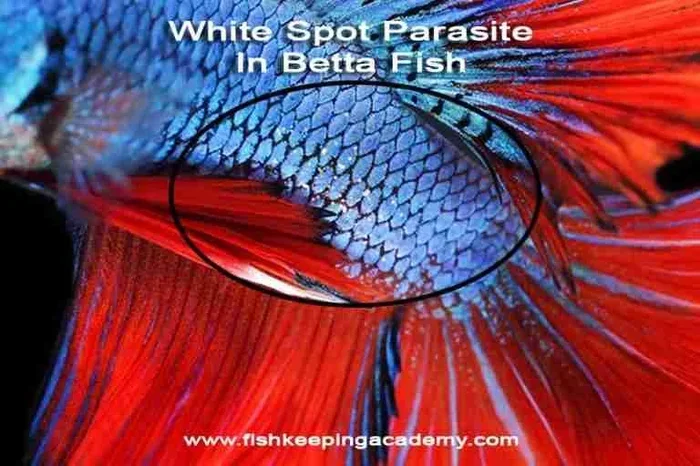
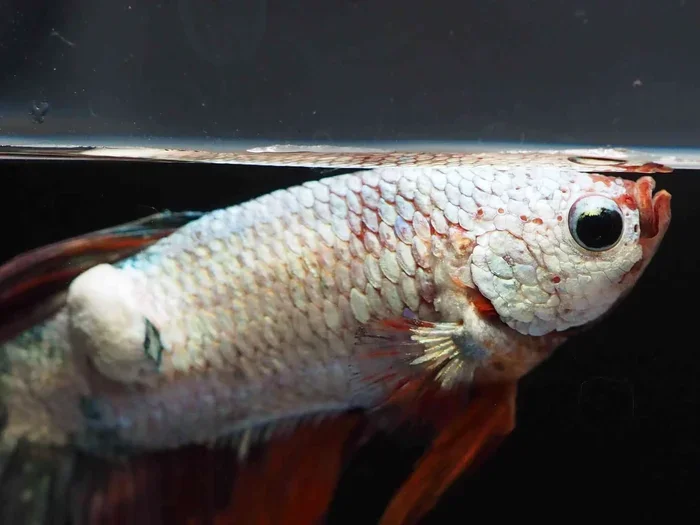
You will notice small white dots that look like grains of salt. These spots are actually cysts where the parasite burrows under the skin. As the cysts mature, they fall off and release hundreds of new parasites into the water. This is why ick can spread so fast if left untreated.
Common Causes of Ick in Betta Fish
Understanding what triggers ick helps you prevent it. Here are the most common causes:
- Poor water quality: Dirty water weakens your betta’s immune system and makes it vulnerable to parasites.
- Sudden temperature drops: Cold water stress is a major trigger for ick outbreaks in bettas.
- Introducing new fish: New tank mates can carry ick parasites without showing any symptoms themselves.
- Overcrowded tanks: Too many fish in a small space increases stress and disease transmission.
- Improper feeding: A poor diet leaves your betta weak and less able to fight off infections.
- Transport stress: Moving your betta from one tank to another can lower its natural defenses.
How to Spot Ick on Your Betta Fish
Early detection makes all the difference. The sooner you catch ick in betta fish, the easier it is to treat. Here are the symptoms to watch for closely.
Visible White Spots
The most obvious sign is the presence of white spots on the body, fins, and gills. These spots are usually tiny at first, about the size of a grain of salt. Over time, they multiply and can cover large areas of your betta’s body. If you see just one or two spots, do not wait. Start treatment immediately.
Behavioral Changes
Your betta will act differently when it has ick. Look for these warning signs:
- Flashing: Your betta rubs its body against rocks, gravel, or decorations. This is an attempt to scrape off the parasites.
- Rapid breathing: Infected fish breathe faster because the parasites irritate the gills.
- Loss of appetite: A betta with ick often refuses to eat or eats much less than usual.
- Lethargy: Your normally active betta becomes sluggish and hides more than normal.
- Clamped fins: Fins held close to the body signal discomfort and stress.
When to Start Treatment
Do not wait for all symptoms to appear. As soon as you notice white spots on betta, begin your treatment plan. The ick life cycle accelerates in warmer water, meaning the disease spreads faster. Acting within the first 24 hours gives your betta the best chance of a full recovery.
How to Treat Ick on Betta Fish
Now let us get into the core of this guide. How to treat ick betta fish effectively depends on the severity of the infection and your personal preferences. Below are the most proven treatment methods used by experienced betta keepers around the world.
Method 1: Aquarium Salt Treatment
Using aquarium salt is one of the most popular and gentle ways to treat ick. Salt helps draw out the parasites from your betta’s body through osmosis. It also supports the fish’s natural slime coat, which acts as a protective barrier.
Here is how to do it step by step:
- Get pure aquarium salt. Do not use table salt or iodized salt. These contain additives that can harm your fish. Look for brands like API Aquarium Salt or similar products.
- Turn off any carbon filters. Carbon will absorb the salt and reduce its effectiveness.
- Add salt gradually. Start with one tablespoon per five gallons of water. Dissolve it in a cup of tank water first, then pour it in slowly.
- Monitor your betta closely. Watch for any signs of stress or discomfort during the first 24 hours.
- Continue treatment for 7 to 10 days. This covers the full ick life cycle and ensures all parasites are eliminated.
- Perform a water change after treatment. Replace about 50 percent of the water to remove excess salt. You can gradually reduce salt levels over several days.
Many experienced keepers also recommend salt bathing your betta fish as a more intensive option. A salt bath involves temporarily placing your betta in a separate container with saltier water for 10 to 30 minutes. This direct approach can kill parasites faster but requires careful monitoring.
Method 2: Raise the Water Temperature
Increasing the water temperature is a simple but powerful tool. The ick parasite has a life cycle that depends on temperature. Warmer water speeds up this cycle, which means the parasites become vulnerable to treatment faster.
For bettas, slowly raise the temperature to about 80 to 82 degrees Fahrenheit. Do not increase it more than two degrees per day. A sudden temperature spike can shock your fish and make things worse. If you need help keeping your tank warm, check out this guide on how to warm up your betta fish tank for practical tips.
Raising the temperature works best when combined with another treatment method like aquarium salt or medication. Used alone, it can speed up the ick life cycle but may not fully eliminate the parasite.
Method 3: Commercial Ick Medications
If aquarium salt and temperature changes are not enough, commercial medications offer a strong next step. These products are specifically formulated to target the ich parasite. Popular options include:
- Seachem ParaGuard: A gentle but effective formula that works well for sensitive fish like bettas.
- API Super Ick Cure: A widely used medication that targets the parasite at all life stages.
- Kordon Ich Attack: Another reliable option that is safe for most freshwater fish.
Always follow the dosage instructions on the label. Overdosing can harm your betta, especially in smaller tanks. Remove carbon from your filter before adding any medication, as carbon will neutralize the treatment. Many keepers also look into treating ich on a betta fish using a combination of medication and environmental adjustments for the best results.
Method 4: Natural and Home Remedies
Some betta owners prefer natural approaches. Here are a few home remedies that have shown positive results:
- Garlic extract: Adding a small amount of garlic extract to food can boost your betta’s appetite and immune response.
- Indian almond leaves: These release natural compounds that support healing and reduce stress in bettas.
- Fasting: Skipping one or two feedings can help reduce waste in the tank and give your betta’s digestive system a break during treatment.
While these methods can support recovery, they work best as supplements to a primary treatment, not replacements for it.
Preventing Ick in Your Betta Fish Tank
Prevention is always better than cure. Once you have treated ick, you do not want to deal with it again. Here are the best practices to keep your betta healthy and ick-free.
Maintain Clean Water
Regular water changes are the foundation of good betta care. Change 20 to 30 percent of the water every week. Use a gravel vacuum to remove debris from the substrate. Test your water parameters frequently. Ammonia and nitrite should always read zero, and nitrates should stay below 20 ppm.
Quarantine New Fish
One of the biggest mistakes new fish keepers make is adding new fish directly to the main tank. Always quarantine new arrivals for at least two weeks. This gives you time to observe them for any signs of disease, including white spot disease. Many experienced keepers keep a separate quarantine tank ready at all times.
Reduce Stress Factors
Stress is the number one trigger for ick outbreaks. Keep your betta’s environment calm and stable. Avoid sudden changes in lighting, noise, or tank layout. Do not house aggressive tank mates with your betta. If you need to treat a stressed betta fish, focus on creating a peaceful, clean, and warm environment first.
Feed a Balanced Diet
A healthy betta is a strong betta. Feed high-quality betta pellets or flakes as the staple diet. Supplement with frozen or live foods like brine shrimp and bloodworms a few times a week. A varied diet supports a robust immune system that can fight off parasites more effectively.
Common Mistakes When Treating Ick
Even well-meaning fish keepers can make mistakes during treatment. Here are the most common errors to avoid:
- Treating too late: Waiting until spots cover the entire body makes treatment much harder and recovery slower.
- Using the wrong type of salt: Table salt, sea salt, and Epsom salt are not the same as aquarium salt. Only use pure aquarium salt formulated for fish tanks.
- Raising temperature too fast: A sudden temperature increase shocks your betta and can worsen the infection.
- Skipping water changes during treatment: Waste buildup in the tank weakens your betta and can interfere with medication effectiveness.
- Overmedicating: More is not always better. Follow dosage instructions carefully and never double up on treatments without research.
- Ignoring the root cause: Treating symptoms without addressing the underlying stress or water quality issue often leads to recurring outbreaks.
Avoiding these mistakes will save you time, money, and most importantly, your betta’s health. If you ever feel unsure, consult a veterinarian who specializes in fish health or reach out to experienced betta communities online.
When to Seek Professional Help
Most cases of ick respond well to home treatment. However, there are situations where professional help becomes necessary. Contact a fish veterinarian or experienced aquarist if:
- Your betta stops eating completely for more than three days.
- The white spots spread rapidly despite treatment.
- Your betta shows signs of secondary infections like red streaks or open sores.
- The gills appear damaged or discolored.
- Your betta is gasping at the surface and not improving after several days of treatment.
In severe cases, ick can lead to more serious conditions. Learning about related issues like how to treat dropsy in betta fish can help you understand what complications to watch for if the infection progresses.
Final Thoughts on Treating Ick in Betta Fish
How to treat ick betta fish does not have to be overwhelming. With the right knowledge and quick action, you can successfully eliminate ick and restore your betta’s health. Start with aquarium salt and a gradual temperature increase. Add medication if the infection is severe. Always focus on prevention through clean water, low stress, and proper nutrition.
Remember, your betta depends on you for its well-being. Every water change, every careful observation, and every treatment decision matters. Stay patient, stay consistent, and your betta will thank you with vibrant colors and active behavior. You have the tools and knowledge now. Go give your betta the healthy life it deserves.
Frequently Asked Questions
What is the fastest way to get rid of ick on a betta fish?
The fastest approach is to combine aquarium salt with a gradual temperature increase to 82 degrees Fahrenheit. Raise the temperature slowly over several days, add aquarium salt at the recommended dose, and perform regular water changes. This combination targets the parasite at every stage of its life cycle and usually shows improvement within 3 to 5 days.
Can ick kill a betta fish?
Yes, if left untreated, ick can be fatal. The parasites damage the gills and skin, making it difficult for your betta to breathe and absorb nutrients. Severe infections lead to organ failure and death. However, with prompt treatment, most bettas recover fully within one to two weeks.
Is ick contagious to other fish in the tank?
Absolutely. Ick is highly contagious and spreads rapidly through shared water. If you have other fish in the same tank, treat the entire tank, not just the infected fish. Quarantining sick fish as soon as you notice symptoms helps protect the rest of your tank.
Can I use table salt instead of aquarium salt?
No. Table salt contains iodine and anti-caking agents that are harmful to fish. Always use pure aquarium salt specifically formulated for freshwater aquariums. It is inexpensive and widely available at pet stores and online.
How long does it take for ick to go away after treatment starts?
Visible white spots usually disappear within 5 to 7 days of consistent treatment. However, you should continue treatment for a full 10 days to ensure all parasites and cysts are eliminated. Stopping early is one of the most common reasons ick returns.
What should I do if my betta still has white spots after two weeks of treatment?
If spots persist after two weeks, reassess your approach. Check your water parameters, ensure you are using the correct salt dosage, and verify the temperature is stable. Consider switching to a commercial medication like Seachem ParaGuard or consulting a fish health professional for a more targeted treatment plan.