How to Treat Injured Eye Betta Fish
An injured eye in a betta fish needs quick action and gentle care. Whether your betta has a cloudy eye, swelling, or an actual wound, this guide walks you through every step of treatment. You will learn the common causes, effective home remedies, and when to call a vet to save your fish’s eyesight.
Watching your betta fish struggle with an eye injury is heartbreaking. You want to help, but you might not know where to start. A betta fish eye injury can happen for many reasons, and catching it early makes all the difference.
This guide covers everything you need to know about treating an injured eye betta fish. From spotting the first signs to choosing the right treatment, you will have a clear plan by the end. Let us dive in and help your fish heal.
Key Takeaways
- Know the cause: Eye injuries in bettas come from tank hazards, infections, or physical fights.
- Act fast: Early treatment greatly improves the chances of full eye recovery.
- Quarantine matters: Isolating your injured betta prevents stress and stops spread of disease.
- Water quality is key: Clean, warm water with proper parameters speeds up healing.
- Salt baths help: Aquarium salt is a simple and effective first-line treatment for mild eye issues.
- Watch for warning signs: Cloudiness, bulging, or redness means you need to treat the problem immediately.
📑 Table of Contents
Understanding Betta Fish Eye Injuries
Before you treat the problem, you need to understand what caused it. Betta fish eyes are delicate and can get hurt easily. The more you know about the types of injuries, the better you can respond.
Common Types of Eye Injuries in Bettas
Not all eye problems look the same. Here are the most common issues betta owners see:
- Cloudy eye: The eye looks milky or hazy. This often signals a bacterial infection or poor water quality.
- Eye swelling: One or both eyes puff up. This can come from an injury or an eye infection.
- Eye discoloration: The eye changes color, turning white, red, or even black. This usually points to a deeper problem.
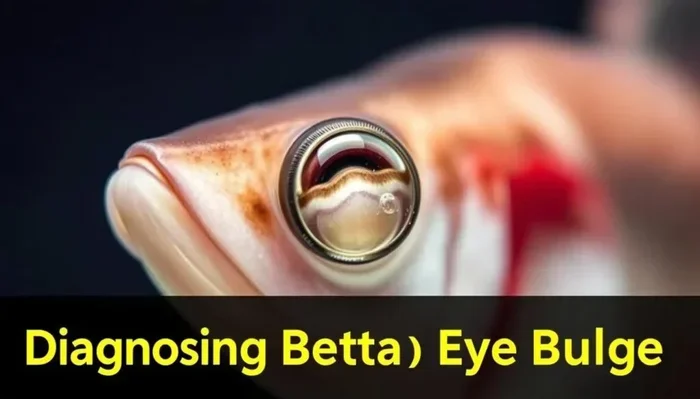
- Protruding eye (pop eye): The eye pushes outward from the socket. This is a serious condition that needs fast action.
- Physical wounds: Cuts or scratches around the eye area. These often come from sharp decorations or tank mates.
Why Eye Injuries Happen
Several things can lead to an injured eye betta fish. Understanding the cause helps you treat it and prevent it from happening again.
Poor water quality is the number one culprit. Dirty water builds up ammonia and nitrites that burn your fish’s eyes. Even small spikes in betta fish water parameters can cause long-term damage.
Sharp decorations inside the tank are another big risk. Plastic plants with rough edges, exposed filter intakes, or sharp rocks can scratch or puncture a delicate eye. Bettas are curious fish and they swim close to everything.
Fights with other fish can also cause eye damage. Even though bettas are often kept alone, mixing them with the wrong tank mates sometimes leads to nipping and poking around the eye area.
Bacterial or fungal infections can target the eye secondarily. When a betta is stressed or has a weakened immune system, pathogens move in fast. The betta fish healing process slows down when the fish is already fighting another illness.
Quick Tip: Always test your tank water at the first sign of an eye problem. A simple water test kit can tell you if ammonia, nitrite, or nitrate levels are out of range. Clean water is the foundation of healing.
How to Spot an Eye Injury Early
Catching an eye injury early gives your betta the best chance of recovery. You do not need to be a vet. Just watch for these fish eye injury symptoms every day during feeding and tank checks.
Signs to Watch For
- Cloudiness: One or both eyes look foggy or white. This is often the earliest sign.
- Squinting or rubbing: Your betta rubs its eye against the tank wall or decorations. This means it feels irritation or pain.
- Bulging eye: The eye looks like it is pushing outward. This is a condition called “pop eye” and it needs quick treatment.
- Redness or inflammation: The skin around the eye turns pink or red. This shows the area is infected or swollen.
- Reduced appetite: A betta with an eye injury often stops eating or eats much less.
- Lethargy: Your fish stays in one spot and barely moves. This is a sign of pain or stress.
- Clamped fins: Fins held close to the body signal that your betta does not feel well.
If you notice any of these signs, start treatment right away. Delaying care can lead to permanent damage or even loss of the eye.
Step-by-Step Treatment for Injured Betta Eyes
Now that you know what to look for, let us talk about treatment. The approach depends on how bad the injury is. Most mild cases can be treated at home with simple steps.
Step 1: Quarantine Your Betta
The first thing you should do is move your injured betta to a quarantine tank. This protects your fish in several ways.
- It reduces stress from tank mates or territorial fish.
- It makes it easier to monitor eating and behavior.
- It prevents the spread of any infection to other fish in the main tank.
- It lets you control water conditions precisely for healing.
Use a small tank with a gentle sponge filter. Keep the water temperature around 78-80°F. You can also use a small heater designed for betta bowls to keep the water stable.
Step 2: Improve Water Quality
Water quality is the single most important factor in healing. Dirty water slows the betta fish healing process and can make infections worse.
Here is what to do:
- Test the water for ammonia, nitrite, and nitrate levels.
- Change 25-50% of the water daily with dechlorinated water.
- Use a tap water conditioner to remove chlorine and chloramine.
- Keep the pH between 6.5 and 7.5.
- Vacuum the substrate to remove waste buildup.
Clean water gives your betta’s immune system the support it needs to fight infection and repair damaged tissue.
Step 3: Salt Bath Treatment
A salt bath is one of the simplest and most effective treatments for mild eye injuries. Aquarium salt helps draw out fluid from swollen tissue and creates a hostile environment for bacteria.
Here is how to do it:
- Use pure aquarium salt, not table salt or sea salt.
- Mix 1 teaspoon of salt per gallon of tank water.
- Dissolve the salt in a small cup of tank water first.
- Add the solution to the quarantine tank gradually over a few hours.
- Continue the salt treatment for 5-7 days, then do a 50% water change to remove excess salt.
You can also try a separate salt dip for 5-10 minutes if the eye swelling is severe. Just place your betta in a small container with salted water and watch closely.
Step 4: Medication When Needed
For more serious injuries, salt baths alone may not be enough. You might need to use medication. Here are some common options:
- Antibacterial drops: Products like Melafix or Pimafix target bacterial infections around the eye.
- Fungal treatments: If the injury looks fuzzy or white, a fungal infection might be involved.
- Broad-spectrum fish antibiotics: These work when the infection is severe and spreading.
- Tetracycline-based treatments: You can use tetracycline for betta fish to treat a range of bacterial eye problems effectively.
Always follow the dosage instructions on the medication label. Overdosing can harm your betta more than the injury itself.
Step 5: Support Recovery with Proper Care
Treatment is only half the battle. You also need to support your betta’s recovery with the right environment and nutrition.
- Feed high-quality food like frozen bloodworms or brine shrimp. Good nutrition fuels the betta fish healing process.
- Keep the tank dimly lit. Bright light can irritate an injured eye.
- Avoid sharp decorations or rough surfaces in the quarantine tank.
- Keep the water temperature stable and warm.
- Do not add new fish to the tank while your betta is recovering.
Preventing Future Eye Injuries
The best treatment is prevention. Once your betta’s eye heals, take steps to make sure it never happens again.
Tank Setup Safety
Set up your tank with your betta’s safety in mind. Follow these guidelines:
- Avoid sharp or rough decorations. Use silk plants instead of plastic ones.
- Cover filter intakes with sponge pre-filters to prevent accidental contact.
- Keep the substrate smooth and free of sharp edges.
- Make sure all tank equipment is securely mounted and does not have exposed edges.
If you are setting up a new tank, consider the layout carefully. A well-designed tank removes most of the risks that lead to eye injuries in betta fish.
Water Maintenance
Good water quality prevents infections that can lead to eye problems. Build these habits into your routine:
- Test water parameters weekly.
- Perform 25-30% water changes every week.
- Use a gravel vacuum during water changes to remove waste.
- Never overfeed your betta. Excess food fouls the water quickly.
- Add beneficial bacteria supplements to keep the nitrogen cycle stable.
You can also learn more about how to take care of betta fish water to keep your tank in top condition year-round.
Reduce Stress
A stressed betta is more vulnerable to infections and injuries. Stress weakens the immune system and slows down healing. Keep your betta calm with these tips:
- Keep the tank in a quiet area away from loud noises and heavy foot traffic.
- Avoid sudden changes in light or temperature.
- Do not tap on the tank glass.
- If you keep other fish, make sure they are peaceful and non-threatening.
- Watch for betta fish stress signs like rapid breathing, hiding, or loss of color.
A calm, stable environment is the foundation of a healthy betta. When your fish feels safe, it can focus its energy on staying healthy and healing any injuries quickly.
When to See a Vet
Most mild eye injuries heal well with home treatment. But some situations need professional help. Do not wait too long if you see any of these signs:
- The eye injury does not improve after 5-7 days of treatment.
- The eye is completely clouded or the fish seems to be losing vision.
- The eye is visibly damaged or hanging loose.
- Your betta stops eating entirely for more than two days.
- You notice signs of a systemic infection like body clamped tight, rapid gilling, or pale color.
A qualified aquatic vet can prescribe stronger medications or perform procedures that are not possible at home. Early veterinary care can save your betta’s eye and life.
Expert Insight: Many fish diseases share similar symptoms. A cloudy eye could be caused by poor water quality, bacteria, or even a physical injury. If you are unsure, always start by improving water quality and then add treatment gradually. This approach is safe and effective for most cases.
Comparing Home Remedies vs. Medication
Deciding between home remedies and store-bought medication can be tricky. Here is a quick comparison to help you choose the right approach.
| Treatment Method | Best For | Effectiveness | Cost |
|---|---|---|---|
| Salt bath | Mild swelling, early infection | Good for mild cases | Low |
| Water quality improvement | All eye injuries | Essential for all cases | Low |
| Antibacterial drops | Moderate bacterial infection | Very effective | Medium |
| Broad-spectrum antibiotics | Severe or spreading infection | Highly effective | Medium |
| Veterinary care | Advanced or unclear cases | Best for serious cases | Higher |
Start with the simplest methods first. Salt baths and water changes cost almost nothing and work for many mild cases. Move to medication only if the injury does not improve within a few days.
Remember that treating an injured eye betta fish requires patience. Healing takes time. Your betta might not look better for several days, and that is completely normal. Stay consistent with treatment and water changes, and give your fish the best chance to recover.
Final Thoughts
An injured eye betta fish can recover fully if you act quickly and follow the right steps. Start by quarantining your fish and improving water quality. Use salt baths for mild cases and medication for more serious infections. Keep the tank clean, warm, and stress-free throughout the healing process.
Prevention is always easier than treatment. Set up a safe tank with smooth decorations, maintain clean water, and watch your betta closely every day. These simple habits go a long way in keeping your betta healthy and happy.
Your betta depends on you for its well-being. With the knowledge you have gained from this guide, you are ready to handle any eye injury that comes your way. Stay observant, stay consistent, and your betta will thank you with vibrant colors and lively behavior for years to come.
Frequently Asked Questions
Can a betta fish eye injury heal on its own?
Mild eye injuries like slight cloudiness can sometimes heal on their own if you improve water quality immediately. However, most eye injuries benefit from active treatment like salt baths or medication. Without treatment, even minor injuries can worsen and lead to permanent damage or vision loss.
How long does it take for a betta fish eye injury to heal?
Healing time depends on the severity of the injury. Mild cases often improve within 5 to 7 days with proper treatment. More serious injuries like pop eye or deep wounds can take 2 to 4 weeks. Keep up with treatment until the eye looks completely normal again.
Is aquarium salt safe for betta fish?
Yes, aquarium salt is safe for betta fish when used correctly. Use pure aquarium salt, not table salt or sea salt. Follow the recommended dosage of 1 teaspoon per gallon. Always dissolve the salt before adding it to the tank and avoid sudden concentration changes.
What causes cloudy eye in betta fish?
Cloudy eye in bettas is most often caused by poor water quality, bacterial infections, or physical injury. High levels of ammonia or nitrite in the water can burn the eye tissue. Stress from bullying or fights can also weaken the immune system and lead to eye problems.
Should I remove a betta fish with a severely damaged eye from the main tank?
Yes, you should move a betta with a severe eye injury to a quarantine tank. The quarantine tank reduces stress, makes treatment easier, and prevents other fish from bullying the injured betta. It also stops any potential infection from spreading to tank mates.
Can eye injuries in betta fish be fatal?
Most eye injuries are not fatal if treated quickly. However, untreated infections can spread and cause serious health problems. In rare cases, a severe eye injury combined with a systemic infection can become life-threatening. Prompt treatment greatly reduces any risk to your betta’s life.
If you need more help caring for your betta, check out these related guides:
- How to Treat Ich on a Betta Fish – Ich can weaken your betta and make it vulnerable to secondary eye infections.
- How to Take Care of Betta Fish Water – Maintaining clean water is the foundation of preventing and treating eye injuries.
- How to Treat a Stressed Betta Fish – Stress slows healing and makes your betta more prone to infections.
- How to Set Up a Fish Tank for Betta Fish – A properly set up tank prevents many injuries including eye problems.
=== FAQS ===
Can a betta fish eye injury heal on its own?
Mild eye injuries like slight cloudiness can sometimes heal on their own if you improve water quality immediately. However, most eye injuries benefit from active treatment like salt baths or medication. Without treatment, even minor injuries can worsen and lead to permanent damage or vision loss.
How long does it take for a betta fish eye injury to heal?
Healing time depends on the severity of the injury. Mild cases often improve within 5 to 7 days with proper treatment. More serious injuries like pop eye or deep wounds can take 2 to 4 weeks. Keep up with treatment until the eye looks completely normal again.
Is aquarium salt safe for betta fish?
Yes, aquarium salt is safe for betta fish when used correctly. Use pure aquarium salt, not table salt or sea salt. Follow the recommended dosage of 1 teaspoon per gallon. Always dissolve the salt before adding it to the tank and avoid sudden concentration changes.
What causes cloudy eye in betta fish?
Cloudy eye in bettas is most often caused by poor water quality, bacterial infections, or physical injury. High levels of ammonia or nitrite in the water can burn the eye tissue. Stress from bullying or fights can also weaken the immune system and lead to eye problems.
Should I remove a betta fish with a severely damaged eye from the main tank?
Yes, you should move a betta with a severe eye injury to a quarantine tank. The quarantine tank reduces stress, makes treatment easier, and prevents other fish from bullying the injured betta. It also stops any potential infection from spreading to tank mates.
Can eye injuries in betta fish be fatal?
Most eye injuries are not fatal if treated quickly. However, untreated infections can spread and cause serious health problems. In rare cases, a severe eye injury combined with a systemic infection can become life-threatening. Prompt treatment greatly reduces any risk to your betta’s life.