Can Betta Fish Live with Spider Plants
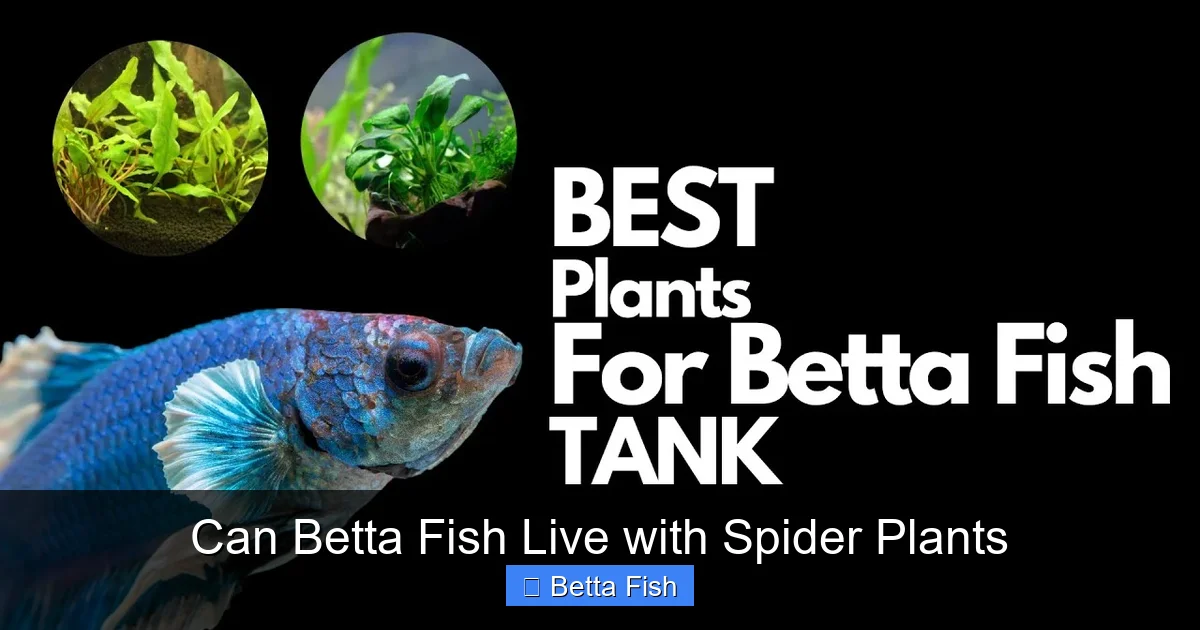
Yes, betta fish can absolutely live with spider plants, and it is one of the best plant choices for their tank. Spider plants offer natural hiding spots, help improve water quality, and create a beautiful aquascape. When set up correctly, this combination benefits both the plant and your betta fish.
[FEATURED IMAGE_PLACEHOLDER]
Key Takeaways
- Spider plants are safe for betta fish and are non-toxic, making them an excellent addition to any betta aquarium setup.
- Proper setup is essential because spider plants are semi-aquatic and their leaves must remain above the waterline to survive long-term.
- Water quality improves naturally as spider plants absorb nitrates and other harmful compounds from the water column.
- Bettas enjoy the enrichment that spider plants provide, including resting spots near the surface and shaded areas to explore.
- Lighting and maintenance matter since spider plants need moderate light and regular pruning to thrive in an aquarium environment.
- Root placement is critical because fully submerging the root ball can cause rot, so only the roots and base should be underwater.
- Spider plants complement other tank mates and work well in community setups alongside compatible species.
📑 Table of Contents
- Can Betta Fish Live with Spider Plants
- Why Spider Plants Are Great for Betta Fish Tanks
- How to Set Up a Spider Plant in Your Betta Tank
- Benefits of Spider Plants for Betta Fish Health
- Common Mistakes When Keeping Spider Plants with Betta Fish
- Maintaining Spider Plants in a Betta Aquarium
- Combining Spider Plants with Other Tank Additions
- Tips for Long-Term Success
- Conclusion
Can Betta Fish Live with Spider Plants
If you have ever wondered whether your beautiful betta fish can share its home with a spider plant, you are not alone. This is one of the most common questions among betta owners who want to add some greenery to their aquarium. The short answer is yes. Betta fish and spider plants can live together in perfect harmony. In fact, this combination is one of the most popular choices for hobbyists who want a natural, low-maintenance planted betta tank.
Spider plants are hardy, adaptable, and incredibly easy to grow. They are not true aquatic plants, but they do wonderfully well in aquariums when set up properly. Your betta will love swimming around the roots, resting on the broad leaves near the surface, and exploring the dense foliage. Plus, spider plants help keep the water cleaner by absorbing excess nitrates. It is a win-win situation for both you and your fish.
In this guide, we will cover everything you need to know about keeping spider plants with betta fish. We will talk about the benefits, how to set them up correctly, common mistakes to avoid, and tips for long-term success. By the end, you will feel confident adding a spider plant to your betta aquarium.
Why Spider Plants Are Great for Betta Fish Tanks
Natural Hiding Spots and Resting Areas
Bettas are territorial fish that love having places to hide and rest. In the wild, they live in shallow, heavily vegetated waters like rice paddies and slow-moving streams. Spider plants mimic this natural environment perfectly. The long, arching leaves provide shaded areas where your betta can retreat when it feels stressed or simply wants some privacy.
Many betta owners notice that their fish like to rest near the surface of the water. Spider plant leaves that extend just above the waterline create perfect resting spots. Some bettas will even lean against the leaves while they sleep. This surface resting behavior is completely normal for bettas, and having a plant nearby makes them feel secure.
Water Quality Benefits
One of the biggest advantages of adding a spider plant to your betta tank is the improvement in water quality. Spider plants are known for their ability to absorb nitrates from the water. Nitrates are a byproduct of the nitrogen cycle and can build up over time if you do not perform regular water changes. High nitrate levels can stress your betta and lead to health problems.
By absorbing these compounds, spider plants act as a natural filter. They help keep the water cleaner between water changes. This does not mean you can skip water changes entirely. You still need to perform regular maintenance. However, the plant provides an extra layer of biological filtration that benefits your betta fish significantly.
Aesthetic Appeal
Let us be honest. A betta fish swimming around a lush green plant looks absolutely stunning. Spider plants add a vibrant, natural look to any aquarium. Their bright green leaves contrast beautifully with the colorful fins of a betta. Whether you have a red, blue, purple, or multicolored betta, a spider plant makes the tank look like a professional aquascape.
Spider plants also produce small offshoots called plantlets or babies. These baby plants dangle from the mother plant and add even more visual interest to your tank. Over time, you will have a lush, jungle-like environment that your betta will love exploring.
How to Set Up a Spider Plant in Your Betta Tank
Choosing the Right Spider Plant
Not all spider plants are created equal when it comes to aquarium use. You want to select a healthy plant with strong roots and vibrant green leaves. Avoid any plants that show signs of disease, yellowing, or pest damage. A healthy spider plant will adapt much better to the aquarium environment.
You can purchase spider plants from most garden centers, nurseries, or online retailers. They are very affordable and widely available. Some hobbyists even propagate their own from existing houseplants. If you already have a spider plant at home, you can snip off a small offshoot and use it in your betta tank.
Preparing the Plant for the Aquarium
Before placing the spider plant in your betta aquarium, you need to prepare it properly. First, remove the plant from its pot and gently wash away all the soil from the roots. Soil in an aquarium will cloud the water and can introduce harmful bacteria. Rinse the roots thoroughly under lukewarm running water until they are completely clean.
Next, trim any dead or damaged roots. You want to leave only the healthy, white roots intact. You can also trim any yellow or brown leaves from the plant. This helps the plant focus its energy on adapting to the new environment rather than trying to sustain damaged foliage.
Positioning the Plant Correctly
This is the most important step. Spider plants are not fully aquatic. They are semi-aquatic, which means their roots and base can be underwater, but their leaves must remain above the waterline. If you submerge the entire plant, the leaves will rot and eventually kill the plant.
The best way to position a spider plant in a betta tank is to let the roots dangle into the water while the leaves stay above the surface. You can achieve this by placing the plant in a hanging planter attached to the side of the tank, using a betta plant hanger, or positioning it in a filter compartment where the roots reach the water. Some owners simply wedge the plant into a corner of the tank with the crown just above the waterline.
If you have a tank with a lid or cover, you can place the spider plant near the opening so the leaves grow upward and out of the tank. This setup works especially well because the roots will grow down into the water, creating a beautiful root system that your betta can swim through.
Benefits of Spider Plants for Betta Fish Health
Stress Reduction
Betta fish are sensitive creatures. They can become stressed by changes in their environment, aggressive tank mates, or a bare tank with no decorations. Spider plants help reduce stress by providing a natural, enriched environment. The plant gives your betta places to explore, hide, and rest. A less stressed betta is a healthier betta with a stronger immune system.
Studies have shown that fish kept in enriched environments with live plants display fewer signs of stress and aggression. They also tend to have better coloration and more active behavior. Adding a spider plant to your betta tank is one of the simplest ways to improve your fish quality of life.
Improved Oxygen Levels
Like all plants, spider photosynthesize. During this process, they absorb carbon dioxide and release oxygen. While the amount of oxygen produced by a single spider plant is not enormous, it does contribute to the overall oxygen levels in your betta aquarium. This is especially beneficial in smaller tanks where oxygen exchange at the water surface may be limited.
Bettas have a special organ called a labyrinth organ that allows them to breathe air from the surface. However, they still benefit from well-oxygenated water. A spider plant helps maintain a healthy balance of dissolved oxygen in the tank.
Algae Control
Algae growth is a common problem in betta tanks. Excess nutrients in the water, combined with light, can lead to unsightly algae blooms. Spider plants compete with algae for these nutrients. By absorbing nitrates and other compounds from the water, spider plants essentially starve the algae, reducing its growth.
This does not mean your tank will be completely algae-free. But you will likely notice less algae buildup on the glass, decorations, and substrate when you have a spider plant in the system. Less algae means a cleaner tank and less maintenance for you.
Common Mistakes When Keeping Spider Plants with Betta Fish
Submerging the Entire Plant
The number one mistake people make is putting the whole spider plant underwater. As we mentioned earlier, spider plants are not aquatic plants. Their leaves will rot if they are fully submerged. Always keep the foliage above the waterline and only place the roots and base in the water.
Using Soil in the Aquarium
Another common error is leaving soil on the roots or planting the spider plant directly into aquarium substrate. Soil will break down in the water, creating a mess and potentially introducing harmful substances. Always wash the roots completely clean before placing the plant in your betta tank.
Ignoring Lighting Requirements
Spider plants need moderate to bright light to thrive. If your betta tank has very dim lighting, the spider plant may struggle and eventually die. Make sure your tank light provides enough intensity for the plant. Most standard aquarium lights are sufficient, but you may need to adjust the placement of the plant so it receives adequate light above the waterline.
Not Monitoring Water Parameters
While spider plants are hardy, they can be affected by extreme water conditions. Very high or very low pH levels, excessive hardness, or contaminated water can damage the plant. Keep your water parameters within a healthy range for both your betta and the plant. A pH between 6.5 and 7.5 works well for both.
Maintaining Spider Plants in a Betta Aquarium
Pruning and Trimming
Spider plants grow quickly under the right conditions. You will need to prune them regularly to keep them from taking over your tank. Remove any yellow, brown, or damaged leaves as soon as you notice them. Trim back excessively long leaves if they start to crowd the tank or block too much light.
When the plant produces baby offshoots, you can either leave them to grow or remove them to propagate in a separate container. If you leave them, they will eventually form a dense cluster of foliage that provides even more cover for your betta.
Root Maintenance
Over time, the roots of your spider plant will grow long and may become tangled. This is completely normal and actually beneficial for your betta, as the root mass provides additional hiding spots. However, if the roots become too dense, they can trap debris and waste. Trim the roots occasionally to keep them manageable and prevent decay.
Fertilization
Spider plants in aquariums generally do not need much additional fertilization because they absorb nutrients from the fish waste in the water. However, if you notice the plant leaves turning pale or yellow, it may need a small amount of liquid fertilizer. Use a fertilizer that is safe for aquariums and does not contain copper, which can be harmful to fish and invertebrates.
A little goes a long way. Start with a very small dose and observe how the plant responds. You can always add more if needed, but over-fertilizing can cause algae problems and harm your betta.
Combining Spider Plants with Other Tank Additions
Compatible Tank Mates
If you are planning a community tank, spider plants work well alongside many of the species that can live with betta fish. The plant provides cover and territory markers that help reduce aggression between tank mates. Species like snails and shrimp do particularly well in planted betta tanks with spider plants.
When choosing tank mates for your betta, always research compatibility carefully. Not all fish get along with bettas. You can learn more about what other fish can live with betta fish in our detailed guides. The presence of a spider plant can make a community tank more successful by breaking sight lines and providing escape routes for shy or bullied fish.
Other Live Plants to Pair with Spider Plants
Spider plants look even better when combined with other live plants in the tank. You can pair them with true aquatic plants like Java fern, Anubias, or Amazon swords. These plants stay fully underwater and fill in the lower areas of the tank, while the spider plant provides above-water foliage. This layered approach creates a stunning natural aquascape.
If you want to learn more about how to clean a betta fish tank with live plants, we have a comprehensive guide that covers all the basics. Keeping live plants does require a bit more attention, but the results are well worth the effort.
Tips for Long-Term Success
Start with a Healthy Plant
Always begin with a strong, healthy spider plant. A plant that is already struggling will have a hard time adapting to the aquarium environment. Look for plants with firm leaves, white roots, and no signs of pests or disease. Starting with a healthy specimen gives you the best chance of long-term success.
Be Patient During the Adjustment Period
When you first add a spider plant to your betta tank, it may take a few weeks for the plant to adjust. During this time, some leaves may yellow or wilt. This is normal. The plant is adapting to the new conditions and redirecting its energy to root growth. Do not panic and remove the plant. Give it time to settle in.
Monitor Your Betta Behavior
Most bettas will immediately enjoy having a spider plant in their tank. However, watch for any signs of stress or unusual behavior. If your betta is constantly nipping at the plant or seems agitated, it may need more time to adjust. In rare cases, a betta may be overly aggressive toward the plant. If this happens, you can try repositioning the plant or providing additional hiding spots elsewhere in the tank.
Keep Up with Regular Maintenance
A planted betta tank requires consistent care. Perform regular water changes, typically 25 to 30 percent every week or two. Check the plant roots for signs of rot or decay. Prune as needed and remove any dead plant matter from the tank promptly. Consistent maintenance keeps both your spider plant and your betta fish healthy and thriving.
Conclusion
So, can betta fish live with spider plants? Absolutely. This is one of the easiest and most rewarding plant options for any betta aquarium. Spider plants provide natural beauty, improve water quality, reduce stress for your betta, and help control algae. With the right setup and a little maintenance, your spider plant and betta fish will thrive together for a long time.
Remember to keep the leaves above the waterline, wash the roots clean before planting, and provide adequate light. If you follow these simple guidelines, you will have a gorgeous planted betta tank that both you and your fish will love. Whether you are a beginner or an experienced aquarist, adding a spider plant to your betta setup is a decision you will not regret.
Start your planted betta tank journey today. Your betta deserves a beautiful, natural home, and a spider plant is the perfect way to give it one.
Frequently Asked Questions
Are spider plants toxic to betta fish?
No, spider plants are completely non-toxic to betta fish. They are safe to keep in aquariums and will not harm your betta in any way. Many hobbyists use spider plants in their betta tanks without any issues.
Do spider plants need soil in a betta tank?
No, you should never use soil in a betta aquarium. Always wash all soil from the roots before placing the plant in the tank. Soil will cloud the water and can introduce harmful bacteria or parasites into the aquarium environment.
How long do spider plants last in an aquarium?
With proper care, a spider plant can last for many months or even years in a betta tank. The key is keeping the leaves above the waterline and providing adequate light. Regular pruning and root maintenance will also help extend the plant lifespan.
Can spider plants fully grow underwater?
No, spider plants cannot grow fully submerged. They are semi-aquatic plants that need their leaves above the waterline to survive. Only the roots and base of the plant should be in the water. Submerging the leaves will cause them to rot.
Will my betta fish eat the spider plant roots?
Most betta fish will not eat spider plant roots. They may occasionally nibble on them out of curiosity, but this is usually harmless. The roots are tough and not a typical food source for bettas. Your plant should be perfectly safe.
How much light does a spider plant need in a betta tank?
Spider plants need moderate to bright light to thrive. Most standard aquarium lights provide enough intensity. Position the plant where it can receive good light above the waterline. If the leaves start turning pale or yellow, the plant may need more light.