How to Temperature Alcumate a Betts Fish
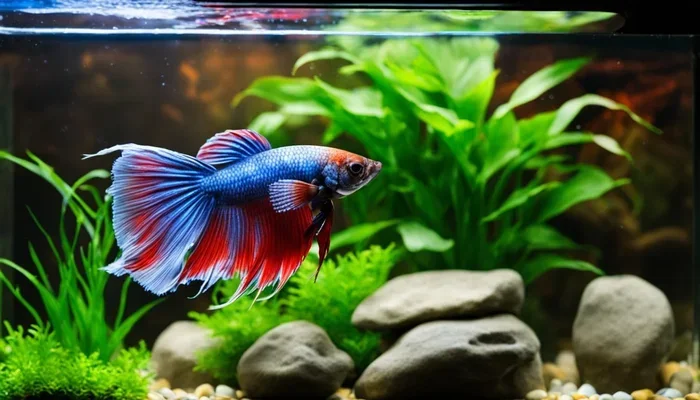
Temperature acclimating a betta fish is one of the most important steps you can take to protect your fish’s health. Whether you are bringing home a new betta or moving your existing fish to a different tank, slowly adjusting the water temperature prevents shock and reduces stress. This guide walks you through every step of the temperature acclimation process so your betta stays happy and healthy.
Bringing home a new betta fish is exciting. You have picked out the perfect colors, chosen a beautiful tank, and set everything up just right. But here is something many new fish owners overlook: the moment you pour your betta into a new tank, the water temperature might be completely different from what they are used to. That sudden shift can cause temperature shock, which is one of the leading causes of illness and death in betta fish.
Learning how to temperature acclimate a betta fish properly is not just a nice-to-have skill. It is essential. Whether you are transferring your fish from a pet store cup, moving them from a bowl to a larger tank, or introducing them to a betta fish tank you have carefully cycled, the acclimation process protects their health and helps them adjust smoothly. In this guide, we will walk you through every single step so you can feel confident and keep your betta safe.
The good news is that acclimate betta fish to new temperatures is not complicated. You do not need expensive equipment or advanced experience. All you need is patience, a few simple tools, and a basic understanding of how betta fish temperature needs work. By the end of this article, you will know exactly what to do every single time.
Key Takeaways
- Slow and steady wins the race: Gradual temperature changes prevent shock and keep your betta comfortable.
- The drip method works best: Floating and drip acclimation are the two most reliable techniques for adjusting water temperature.
- Watch for warning signs: Clamped fins, rapid breathing, and hiding behavior signal that your betta is struggling with temperature shifts.
- Use a thermometer at every step: Accurate temperature readings are essential for safe acclimation.
- Patience matters more than speed: Rushing the process can lead to serious health problems or even death.
- Match tank conditions first: Before adding your betta, make sure the new environment has stable water parameters and the right temperature range.
📑 Table of Contents
- What Does It Mean to Temperature Acclimate a Betta Fish?
- Why Temperature Acclimation Matters for Your Betta
- Step-by-Step: How to Temperature Acclimate a Betta Fish
- Common Mistakes to Avoid During Acclimation
- Signs Your Betta Is Struggling After Temperature Changes
- Tips for Keeping Your Betta Comfortable Long-Term
- Conclusion
What Does It Mean to Temperature Acclimate a Betta Fish?
Temperature acclimation is the process of slowly adjusting your betta fish to a new water temperature over time. Think of it like stepping into a warm bath after being outside in the cold. If you jump in too fast, it feels uncomfortable and shocking. But if you ease in gradually, your body adjusts without any stress at all.
The same principle applies to your betta fish environment. Betta fish are tropical creatures that thrive in warm, stable water. Their natural betta fish habitat includes the warm, slow-moving waters of Southeast Asia. When you change their water temperature too quickly, their body cannot adjust fast enough. This is called temperature shock, and it can weaken their immune system, make them prone to disease, and in severe cases, be fatal.
Proper betta fish acclimation involves matching the temperature of the water your fish currently lives in with the temperature of the water in their new home. You do this slowly, usually over a period of 15 to 30 minutes or even longer, depending on the temperature difference. The goal is to make the transition so gradual that your betta barely notices the change.
Why Is Temperature So Important for Bettas?
Betta fish temperature range matters because these fish are cold-blooded. Their body temperature matches the temperature of the water around them. If the water is too cold, their metabolism slows down, they become lethargic, and they can develop serious health issues. If the water is too hot, they become stressed, their oxygen levels drop, and their lifespan shortens.
The ideal aquarium temperature for a betta fish is between 76 and 82 degrees Fahrenheit (24 to 28 degrees Celsius). Staying within this tropical fish temperature range keeps your betta active, colorful, and healthy. When you are introducing a betta to a new tank, you need to make sure the water is already at the right temperature before the fish ever enters the water.
Why Temperature Acclimation Matters for Your Betta
Skipping the acclimation step might seem harmless, especially if the temperature difference looks small. But even a one- or two-degree change can bother sensitive bettas. Here is why taking the time to temperature acclimate a betta fish properly makes all the difference.
First, it prevents temperature shock. Temperature shock happens when a fish is exposed to a sudden change in water temperature. Symptoms include clamped fins, rapid gill movement, loss of color, and erratic swimming. In serious cases, the fish may collapse or die within hours. By acclimating slowly, you give your betta’s body time to adjust at a safe pace.
Second, it reduces stress. Stress is a silent killer in the fish world. A stressed betta is more vulnerable to common diseases like ich and fin rot. When you acclimate betta fish properly, you minimize the stress of transportation and new surroundings, giving your fish a stronger foundation for good health.
Third, it helps with water parameters. Temperature affects how dissolved gases behave in water. A sudden temperature change can alter the pH and oxygen levels in the water, which adds another layer of stress beyond just the temperature itself. Gradual acclimation gives your betta time to adjust to all of these shifts together.
The Science Behind Temperature Acclimation
Fish have specialized cells called thermoreceptors that detect changes in water temperature. When the temperature shifts rapidly, these receptors send distress signals throughout the fish’s body. The fish’s immune system responds by diverting energy away from fighting infections and toward survival mode. Over time, repeated temperature shocks can lead to chronic health problems.
By contrast, slow acclimation allows the fish’s body to gradually recalibrate. The thermoreceptors adjust, the immune system stays strong, and the fish settles into its new betta fish environment without unnecessary stress. This is why every experienced fish keeper will tell you that patience during acclimation is never wasted time.
Step-by-Step: How to Temperature Acclimate a Betta Fish
Now that you understand why acclimation matters, let us walk through the actual process. There are two main methods: the floating method and the drip method. Both work well, but the drip method gives you more control and is generally the preferred approach for temperature acclimation.
Method 1: The Floating Method
The floating method is the simplest way to acclimate betta fish to a new temperature. Here is how it works:
- Turn off the lights in your aquarium. Dim lighting helps reduce stress while you work.
- Float the sealed bag or container holding your betta on the surface of the tank water. Make sure the bag stays closed and does not tip over.
- Wait 15 minutes. This allows the temperature inside the bag to slowly match the temperature of the tank water.
- Check the temperature with a thermometer. Compare the water inside the bag to the water in the tank. They should be close, ideally within one or two degrees.
- Add a small cup of tank water to the bag. Wait another 10 minutes.
- Repeat the water addition two or three more times, waiting 10 minutes between each addition.
- Gently net your betta out of the bag and release them into the tank. Do not pour the bag water into your tank, as it may contain contaminants.
The floating method works well for small temperature differences. If the temperature gap is more than five degrees, you may want to use the drip method instead, which gives you finer control over the adjustment speed.
Method 2: The Drip Method
The drip method is the gold standard for temperature acclimate a betta fish safely. It gives you precise control over both temperature and water chemistry changes. Here is how to do it:
- Prepare a clean bucket or container. Place your betta and their original water into the bucket.
- Set up a siphon or airline tubing. Create a slight drip from your tank water into the bucket. You can use a simple air line with a knot to control the flow rate. Aim for about two to four drips per second.
- Let the drip run for 20 to 30 minutes. As the tank water mixes with the water in the bucket, both the temperature and the water chemistry gradually adjust.
- Monitor the temperature throughout the process with a reliable thermometer. The water in the bucket should slowly rise or fall to match the tank temperature.
- Once the temperatures match and the water volumes have roughly doubled, use a net to transfer your betta into the new tank.
- Discard the original water from the bucket. Do not add it to your tank.
The drip method takes a little more setup time, but it is especially valuable when you are dealing with significant temperature differences or when you want to protect your betta fish health during a new tank syndrome transition. If you are setting up a new tank, you might also want to check out how to set up a fish tank for betta fish to make sure everything is ready before your fish arrives.
Using a Thermometer During Acclimation
A good thermometer is one of the most underrated tools in fish keeping. You should be checking the temperature at every stage of the acclimation process. Digital thermometers are fast and accurate, but even an inexpensive glass thermometer works well. The key is to never guess the temperature. Always measure and compare.
When you are temperature acclimate a betta fish, you want the temperature change to be no more than one to two degrees Fahrenheit per five minutes. This slow pace gives your betta’s body enough time to adjust without triggering a stress response.
Common Mistakes to Avoid During Acclimation
Even experienced fish keepers sometimes make mistakes during the acclimation process. Here are the most common errors and how to avoid them.
Skipping Acclimation Entirely
The biggest mistake is simply pouring your betta directly into the new tank without any acclimation at all. This is especially common with fish bought online, where the fish arrives in a bag with water that may be a completely different temperature from your aquarium. Never skip this step, no matter how eager you are to see your fish in their new home.
Rushing the Process
Some fish owners try to speed things along by adding large amounts of tank water all at once. This defeats the purpose of gradual acclimation. If the temperature difference is large, you may be tempted to hurry, but remember that slow and steady is the whole point. Take your time and let the process work.
Forgetting About Other Water Parameters
Temperature is not the only factor that changes during acclimation. The pH, hardness, and chemical composition of the water also shift. While this article focuses on betta fish temperature, keep in mind that the drip method helps with all of these parameters at once. For more on maintaining proper water conditions, see how to take care of a betta fish water.
Using Water That Is Too Warm or Too Cold
Some owners try to speed up acclimation by adding very warm or very cold water to the bag or bucket. This is dangerous. You should never create a larger temperature swing than what you are trying to fix. Always use water that is already at the target tank temperature.
Not Quarantine New Fish First
After acclimation, consider keeping your new betta in a separate quarantine tank for a week or two. This lets you observe their health without risking the other fish in your main tank. It also gives them time to fully adjust to the new betta fish tank environment without the added stress of tank mates.
Signs Your Betta Is Struggling After Temperature Changes
Even with careful acclimation, some bettas may show signs of discomfort after a temperature change. Knowing what to look for helps you catch problems early and respond quickly.
Clamped fins are one of the most common signs of temperature stress. If your betta holds their fins close to their body instead of spreading them out, they may be feeling the effects of a temperature shift. Rapid breathing or heavy gill movement is another red flag. Healthy bettas breathe steadily and calmly.
Other warning signs include loss of color, where the vibrant hues of your betta fade or look dull. Lethargy is also common, especially if the water is too cold. A stressed betta may hide behind decorations or refuse to eat. If you notice any of these symptoms, check the water temperature first and make sure it is within the ideal range of 76 to 82 degrees Fahrenheit.
If your betta shows persistent signs of distress after acclimation, consider whether the temperature is truly stable. Fluctuations are just as harmful as sudden changes. Using a fish tank heater with a built-in thermostat can help maintain a consistent temperature in your aquarium.
How to Help a Stressed Betta Recover
If your betta seems stressed after a temperature change, there are a few things you can do. First, check the temperature and make sure it is stable. Second, lower the lighting to reduce additional stimulation. Third, consider adding aquarium salt to help your betta recover from stress. For a detailed guide on this, check out how to give a betta fish a salt bath. Keep the water clean and avoid handling your fish unnecessarily while they recover.
Tips for Keeping Your Betta Comfortable Long-Term
Acclimation is just the beginning. Once your betta has settled into their new tank, maintaining stable betta fish temperature becomes your ongoing responsibility. Here are some practical tips to keep your fish comfortable year-round.
- Use a reliable heater. A submersible aquarium heater with a thermostat is the best way to maintain a consistent temperature. Set it to stay between 76 and 82 degrees Fahrenheit.
- Monitor the temperature daily. A quick check with your thermometer every morning takes only a few seconds but can prevent problems before they start.
- Place the tank away from drafts. Windows, doors, and air vents can cause temperature fluctuations that stress your betta. Choose a stable location for your aquarium.
- Do frequent water changes. Fresh water can be a different temperature than the tank water. Always match the temperature of new water to the tank before adding it. For tips on this, see how to warm a betta fish bowl.
- Use a lid or hood. This helps regulate the temperature and prevents heat loss from evaporation, especially in smaller tanks and bowls.
- Avoid sudden room temperature changes. If you turn on the air conditioning or open a window in winter, your tank temperature can shift quickly. Be mindful of the room temperature around your aquarium.
Consistency is the key to a healthy, happy betta. When you maintain stable water temperature and follow proper acclimation procedures every time you introduce your fish to a new environment, you are setting the foundation for a long and vibrant life for your pet.
When to Seek Help
If your betta shows signs of severe temperature shock such as lying on the bottom of the tank, refusing to move, or displaying white spots (which could indicate ich), it is time to take action. Slowly adjust the temperature to the ideal range and consider treating ich if needed. For stress-related symptoms, treating a stressed betta fish early can make a big difference in recovery.
Conclusion
Temperature acclimating a betta fish is a simple but vital part of responsible fish keeping. By taking the time to slowly adjust your betta to new water temperatures, you protect them from shock, reduce stress, and give them the best possible start in their new home. Whether you use the floating method or the drip method, the most important thing is to be patient and never rush the process.
Remember to always use a thermometer, watch for signs of stress, and maintain stable water parameters in your aquarium. Your betta fish will reward you with vibrant colors, active swimming, and a long, healthy life. With the knowledge you have gained from this guide, you are now fully equipped to handle any temperature acclimation situation with confidence. Your betta is lucky to have such a caring owner.
Frequently Asked Questions
How long does it take to temperature acclimate a betta fish?
The process typically takes between 15 and 30 minutes using the floating method, and 20 to 45 minutes using the drip method. The exact time depends on the temperature difference between the current water and the tank water. Always prioritize slow and gradual changes over speed.
Can I acclimate my betta fish without a thermometer?
It is strongly recommended to use a thermometer. Guessing the temperature can lead to mistakes that stress or harm your fish. A basic aquarium thermometer is inexpensive and gives you the accuracy you need for safe acclimation.
What is the ideal temperature for a betta fish tank?
The ideal betta fish temperature range is between 76 and 82 degrees Fahrenheit (24 to 28 degrees Celsius). Keeping the temperature stable within this range promotes good health, strong immunity, and vibrant coloration.
Can temperature shock kill a betta fish?
Yes, severe temperature shock can be fatal. Sudden changes in water temperature can overwhelm a betta’s immune system and lead to organ failure. This is why gradual acclimation is so important every single time you introduce your fish to new water.
Should I acclimate my betta fish if the temperature looks the same?
Yes, always acclimate even if the temperatures appear to match. There can be subtle differences that are not visible, and the acclimation process also helps your betta adjust to new water chemistry and parameters. It is a simple safety step that takes very little time.
What should I do if my betta shows signs of temperature shock after acclimation?
First, check the water temperature and make sure it is stable and within the ideal range. Lower the lighting and reduce noise around the tank. You can also add aquarium salt to help your betta recover. If symptoms persist, consider consulting a fish health resource or veterinarian for further guidance.