Is It Ok to Put Betta Fish in Tap Water
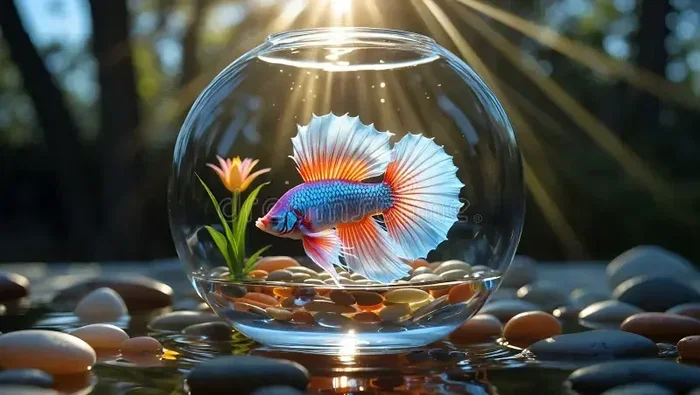
Yes, you can put betta fish in tap water, but only after treating it properly. Tap water contains chlorine and other chemicals that can harm your betta. Using a water conditioner removes these dangers and keeps your fish healthy and happy.
So, you just brought home a beautiful betta fish. You set up the tank, you picked out the perfect decorations, and now you need to fill it with water. But wait. Can you just turn on the faucet and call it done? The short answer is no. But the full answer is a lot more interesting. Let us talk about is it ok to put betta fish in tap water and what you need to know to keep your fish safe and thriving.
Many new fish owners make the mistake of filling their tank directly with tap water. It seems easy. It seems harmless. But tap water contains chemicals added by municipal water treatment plants. These chemicals are designed to make water safe for humans, not for fish. Even small amounts can cause serious problems for your betta. Understanding this is the first step toward being a great fish owner.
If you have ever searched “can you put your betta fish in tap water,” you are not alone. This is one of the most common questions among new betta keepers. The good news is that with the right steps, tap water can be made safe. This guide will walk you through everything you need to know. From the dangers of untreated water to the best ways to treat it, you will find all the answers here.
Key Takeaways
- Tap water is not safe for betta fish straight from the faucet. It contains chlorine, chloramine, and heavy metals that can damage your fish.
- A good water conditioner makes tap water safe by neutralizing harmful chemicals within minutes.
- Letting tap water sit overnight is not enough to remove all dangerous substances like chloramine.
- Watch for signs of distress such as clamped fins, gasping, or loss of color after water changes.
- Alternatives like filtered water and spring water can work well if treated properly.
- Regular water changes are essential for maintaining a healthy betta fish tank.
📑 Table of Contents
- What Happens When You Put Betta Fish in Tap Water
- Why Tap Water Can Be Harmful to Betta Fish
- How to Make Tap Water Safe for Betta Fish
- Signs Your Betta Fish Is Struggling With Tap Water
- Better Water Alternatives for Betta Fish
- Common Mistakes to Avoid When Using Tap Water
- Final Thoughts on Betta Fish and Tap Water
What Happens When You Put Betta Fish in Tap Water
Tap water goes through a treatment process before it reaches your home. Water treatment facilities add chlorine and chloramine to kill bacteria and other pathogens. This is great for human health. But for betta fish, it is a different story. These chemicals damage the delicate gill tissue and skin of your fish. Over time, exposure can be fatal.
The Role of Chlorine and Chloramine
Chlorine is a gas that dissolves quickly into water. It evaporates over time, which is why some people think letting water sit overnight works. Chloramine, on the other hand, is a combination of chlorine and ammonia. It does not evaporate easily. It stays in the water for days. This means that simply letting tap water sit will not remove chloramine. For betta fish care, this is a critical distinction to understand.
Heavy Metals and Other Contaminants
Beyond chlorine and chloramine, tap water can contain heavy metals like copper, lead, and zinc. These metals come from old pipes and plumbing systems. Even in trace amounts, they can be toxic to betta fish. Heavy metals affect the nervous system and organs. They can cause long-term health problems that are hard to detect at first.
Additionally, tap water pH levels can vary widely depending on your location. Some areas have very acidic water. Others have alkaline water. Betta fish thrive in stable water parameters. Sudden changes in pH can shock your fish and lead to stress or death. This is why water parameters matter so much in any betta fish tank setup.
Why Tap Water Can Be Harmful to Betta Fish
Now that you know what is in tap water, let us look at how it affects your betta. Understanding the harm helps you appreciate why proper water treatment is so important.
Gill Damage and Respiratory Problems
Betta fish breathe through their gills. Gills are extremely sensitive to chemicals. Chlorine and chloramine burn the gill tissue. This makes it harder for your fish to absorb oxygen. You may notice your betta gasping at the surface or breathing rapidly. These are clear signs that the water is harming your fish. If the exposure continues, the gills can suffer permanent damage.
Stress and Weakened Immune System
Even low levels of chemicals in tap water can stress your betta. Stressed fish are more likely to get sick. They become vulnerable to diseases like fin rot, ich, and fungal infections. A weakened immune system means your betta cannot fight off illness as easily. Keeping the water clean and chemical-free is the best way to support your fish’s health.
Long-Term Health Effects
Some owners think a little bit of tap water is fine. But small, repeated exposures add up over time. Chronic exposure to low levels of chlorine or heavy metals can shorten your betta’s lifespan. A healthy betta can live five to seven years with proper care. Poor water quality can cut that life short significantly. This is why many experienced owners ask “can a betta fish survive in tap water” and then take steps to treat it properly.
It is also worth noting that tap water safety depends on where you live. Urban areas with modern water treatment may have lower levels of certain chemicals. Rural areas with well water may have different contaminants altogether. Testing your tap water is always a good idea before adding it to your tank.
How to Make Tap Water Safe for Betta Fish
The good news is that making tap water safe is simple and affordable. You do not need expensive equipment. You just need the right products and a little patience.
Using a Water Conditioner
A water conditioner is the most important product for any fish owner. It neutralizes chlorine, chloramine, and heavy metals instantly. You add a few drops or a capful to your tap water before pouring it into the tank. The conditioner works within seconds to make the water safe. Popular brands like Seachem Prime and API Tap Water Conditioner are widely available and very effective.
When choosing a conditioner, look for one that removes ammonia as well. Some conditioners only handle chlorine. A full-spectrum conditioner gives you the best protection. Always follow the dosing instructions on the label. Using too little may not fully treat the water. Using too much is generally safe but a waste of product.
The Water Cycling Process
Before adding treated tap water to your tank, make sure your aquarium filter is running. The filter helps establish beneficial bacteria that process waste. This process is called cycling. A fully cycled tank can handle the ammonia that comes from fish waste and uneaten food.
Here is a simple step-by-step process for adding tap water safely:
- Fill a bucket with tap water.
- Add the recommended dose of water conditioner.
- Let the water sit for 15 to 20 minutes to ensure full treatment.
- Check the water temperature. It should match your tank temperature within one or two degrees.
- Gently pour the water into the tank.
This process takes just a few extra minutes. But it makes a huge difference for your betta’s health and longevity.
Letting Tap Water Sit: Does It Work?
You have probably heard the advice to let tap water sit for 24 hours before adding it to a tank. This works for chlorine because it evaporates as a gas. But it does not work for chloramine. Chloramine is designed to stay dissolved in water. So letting water sit alone is not a reliable method. Always use a water conditioner to be safe.
If you are curious about short-term exposure, some owners wonder “can betta fish live in tap water for one day.” The answer is that a brief exposure to untreated tap water may not kill a healthy betta immediately. But it can still cause stress and gill irritation. It is never worth the risk. Always treat your water first.
Signs Your Betta Fish Is Struggling With Tap Water
Even with the best intentions, things can go wrong. Sometimes tap water gets added to the tank untreated. Knowing the signs of distress helps you act fast and save your fish.
Common Warning Signs
- Gasping at the surface: Your betta is struggling to breathe. This often points to chlorine or chloramine exposure.
- Clamped fins: Fins held close to the body signal stress and discomfort.
- Loss of color: A healthy betta is vibrant. Fading color is a red flag.
- White spots or patches: These can indicate ich or other stress-related illnesses.
- Lethargy: Your fish is less active than usual and stays near the bottom of the tank.
- Rapid gill movement: Fast breathing suggests irritation or oxygen deprivation.
What to Do If You Suspect Water Problems
If you notice any of these signs, do a partial water change immediately. Use properly treated water at the right temperature. Remove about 25 to 30 percent of the tank water and replace it with conditioned water. Monitor your betta closely over the next 24 hours. Most fish recover quickly once the harmful water is removed. If symptoms persist, consider testing your water for ammonia and nitrite levels. These tests are inexpensive and give you valuable information about your tank’s health.
Some owners also ask “can you put betta fish in filtered water” as an alternative to treated tap water. The answer is yes. Filtered water that has been treated with a conditioner is a great option. It removes many contaminants before you even add the conditioner. This gives you an extra layer of protection for your fish.
Better Water Alternatives for Betta Fish
Tap water is not your only option. There are several alternatives that work well for betta fish. Each has its own pros and cons. Let us look at the most popular choices.
Filtered Water
Filtered water goes through a purification process that removes chlorine, chloramine, and many heavy metals. You can use a home water filter pitcher or an under-sink filter system. Filtered water is often more consistent in quality than straight tap water. However, you should still add a small dose of water conditioner as a precaution. This ensures any remaining trace chemicals are neutralized.
Spring Water
Spring water is naturally filtered through rock and soil. It contains beneficial minerals that can support betta health. However, not all spring water is the same. Some brands add minerals or adjust pH during processing. Always check the label. You want spring water with no added chemicals. You may also need to test the pH and adjust it to match your tank conditions.
Distilled Water and RO Water
Distilled water and reverse osmosis (RO) water are very pure. They contain no chemicals or minerals. The downside is that they are too pure for betta fish on their own. You need to remineralize distilled or RO water before adding it to your tank. Special remineralization products are available at most pet stores. These add back the essential minerals your betta needs to thrive.
Bottled Water
Some owners wonder “can you put bottled water in a betta fish tank.” The answer depends on the type of bottled water. Spring water and mineral water can work if they have no added sodium or chlorine. Distilled bottled water needs remineralization. Avoid distilled water with no minerals, as it can leach essential salts from your fish’s body. Always test bottled water before using it in your tank.
| Water Type | Needs Treatment? | Cost | Best For |
|---|---|---|---|
| Tap Water | Yes, water conditioner required | Low | Most common and affordable option |
| Filtered Water | Yes, conditioner recommended | Medium | Owners who want extra safety |
| Spring Water | Sometimes, check label | Medium to High | Natural mineral content |
| Distilled Water | Yes, remineralization required | Medium | Owners who want full control |
| Bottled Water | Varies by brand | High | Emergency use or small tanks |
Common Mistakes to Avoid When Using Tap Water
Even experienced fish keepers sometimes make mistakes with tap water. Here are the most common errors and how to avoid them.
- Skipping the water conditioner: This is the number one mistake. Never add untreated tap water directly to your tank.
- Using too much conditioner: More is not always better. Follow the dosing instructions carefully.
- Not matching water temperature: Cold water can shock your betta. Always check the temperature before adding it.
- Doing too large of a water change: Changing more than 50 percent of the water at once can destabilize your tank. Stick to 25 to 30 percent changes.
- Ignoring water testing: Test your water regularly for ammonia, nitrite, and nitrate. These invisible chemicals can build up and harm your fish.
- Using water from a hot water tap: Hot water can contain more dissolved metals from pipes. Always use cold water and let it warm to room temperature.
Another mistake is assuming that tap water chemicals are the same everywhere. Water quality varies by city and region. If you are unsure about your local water, contact your municipal water provider. They can give you a water quality report. This report lists the chemicals and their levels. You can use this information to adjust your water treatment routine.
Final Thoughts on Betta Fish and Tap Water
So, is it ok to put betta fish in tap water? The answer is yes, with one important condition. You must treat the water first. A simple water conditioner removes the harmful chemicals that make tap water dangerous for betta fish. This small step protects your fish and gives them the best chance at a long, healthy life.
Remember that betta fish care goes beyond just water treatment. Regular water changes, proper filtration, and stable water parameters all play a role. Your betta fish tank should feel like a safe and comfortable home. When you take the time to treat your tap water properly, you are showing your fish that you care.
If you are ever unsure about your water quality, test it. If you are ever unsure about your fish’s health, observe closely. Betta fish are resilient creatures, but they depend on you to provide a safe environment. Treat your tap water, keep your tank clean, and your betta will reward you with vibrant colors and lively behavior for years to come.
Take the extra few minutes to condition your water every time you do a water change. Your betta fish will thank you for it. After all, clean and safe water is the foundation of everything else in betta fish care. Start with the water, and everything else falls into place.
Frequently Asked Questions
Can betta fish live in tap water with a filter?
Yes, but only if the tap water is treated with a water conditioner first. A filter helps maintain water quality, but it does not remove chlorine or chloramine on its own. Always condition your tap water before adding it to a filtered tank.
How long should you let tap water sit before adding betta fish?
If you are using a water conditioner, you only need to let the water sit for 15 to 20 minutes after adding the conditioner. If you are not using a conditioner, letting water sit for 24 hours may remove chlorine but will not remove chloramine or heavy metals. Always use a conditioner for the safest approach.
What is the best water for betta fish?
The best water is treated tap water that has been conditioned with a quality water conditioner. Filtered water and spring water are also good options if tested and treated properly. Avoid distilled water without remineralization and never use untreated tap water directly.
Can you use warm tap water for betta fish?
Yes, warm tap water can be used if it is treated with a water conditioner. However, make sure the temperature matches your tank water. Sudden temperature changes can stress your betta. Use a thermometer to check before adding any new water to the tank.
Do betta fish need special water?
Betta fish do not need special water, but they do need safe water. Tap water works great once it is treated with a conditioner. The key is to remove chlorine, chloramine, and heavy metals. Stable pH and temperature are also important for your betta’s health.
Can you put betta fish in tap water right away?
No, you should never put betta fish directly into untreated tap water. The chemicals in tap water can damage gills, stress your fish, and even cause death. Always treat tap water with a conditioner and let it reach the right temperature before adding your betta to the tank.