How to Test My Betta Fish Tank Water
Testing your betta fish tank water is one of the most important things you can do for your fish. This guide shows you exactly how to test water quality, what numbers to look for, and how to fix common problems. You will learn about test kits, safe parameters, and simple steps to keep your betta thriving in clean water.
Keeping your betta fish healthy starts with something simple but essential: testing the water. Many fish owners skip this step and wonder why their betta gets sick or acts tired. How to test my betta fish tank water is a question every betta owner should know the answer to. When you test your water regularly, you catch problems early and keep your fish safe. This guide walks you through everything you need to know in plain, easy steps.
You do not need to be a scientist to test your betta tank. The process is straightforward, and the tools are affordable. Whether you use test strips or a liquid test kit, the goal is the same. You want to make sure the water in your tank stays clean and safe. Testing betta fish tank water takes just a few minutes each week, and it can add years to your fish life.
Key Takeaways
- Regular water testing prevents illness: Testing your betta tank water weekly catches problems before your fish gets sick.
- A liquid test kit is the most accurate option: It gives precise readings for ammonia, nitrite, nitrate, and pH levels.
- Safe water parameters are simple to remember: Ammonia and nitrite should be zero, nitrates below 20 ppm, and pH between 6.5 and 7.5.
- Tap water needs treatment before adding it: Always use a water conditioner to remove harmful chlorine and chloramine.
- Quick test strips work in a pinch: They are fast and easy but less accurate than liquid kits for detailed monitoring.
- Consistency matters more than perfection: Keeping stable water conditions is more important than chasing perfect numbers every day.
📑 Table of Contents
- Why Testing Your Betta Fish Tank Water Matters
- What to Test For: Key Water Parameters
- Types of Water Test Kits for Betta Tanks
- How to Test Your Betta Tank Water Step by Step
- Understanding Your Test Results
- Common Mistakes to Avoid When Testing Water
- Quick Tips for Better Water Testing
- How Water Testing Connects to Overall Betta Care
- Final Thoughts
Why Testing Your Betta Fish Tank Water Matters
Fish live in water, and the quality of that water directly affects their health. Unlike humans, fish cannot move to cleaner water when things go wrong. They depend on you to keep their environment safe. Testing my betta fish tank water helps you spot invisible dangers before they become serious problems.
The Hidden Dangers in Untested Water
Fish waste, uneaten food, and decaying plants all release ammonia into the water. Ammonia is invisible and odorless, but it is deadly to betta fish even in small amounts. Betta water parameters can shift quickly, especially in smaller tanks. Without regular testing, you might not notice ammonia building up until your fish shows signs of stress.
Nitrite is another harmful chemical that builds up during the early stages of tank cycling. It damages your fish gills and makes breathing difficult. Nitrate is less toxic but still dangerous at high levels. Water quality for betta fish depends on keeping all three of these chemicals in check. A simple aquarium water test kit gives you the numbers you need to stay ahead of these dangers.
What to Test For: Key Water Parameters
When you test my betta fish tank water, there are four main parameters to check. Each one plays a role in keeping your fish healthy. Let us break them down one by one.
Ammonia
Ammonia should always read zero in a fully cycled tank. Even 0.25 ppm can stress your betta. If you see any ammonia, you need to act fast. How to test my betta fish tank water for ammonia is easy with any standard test kit. Simply fill the test tube, add the drops, and compare the color to the chart.
Nitrite
Nitrite should also be zero. This chemical is a byproduct of ammonia breakdown, and it is just as harmful. During the tank cycling process, nitrite levels often spike. If you are adding new fish or setting up a new tank, check nitrite levels closely. Testing betta fish tank water for nitrite helps you know when the tank is fully cycled and safe.
Nitrate
Nitrate is the least toxic of the three, but it still needs monitoring. Aim to keep nitrate below 20 ppm. Regular water changes are the best way to reduce nitrate. If your nitrate is high, it is a sign that you may need to clean the tank or change your water more often. How to change water in betta fish tank is a great follow-up step if you find high nitrate levels.
pH Level
pH measures how acidic or basic the water is. Betta fish do best in a pH range of 6.5 to 7.5. Sudden pH swings are more dangerous than a slightly off number. Try to keep pH stable above all else. Betta fish tank maintenance includes checking pH weekly so you can catch any drift early.
Types of Water Test Kits for Betta Tanks
Not all test kits are the same. There are two main types you can use to test my betta fish tank water. Each has its pros and cons, and choosing the right one depends on your budget and goals.
Liquid Test Kits
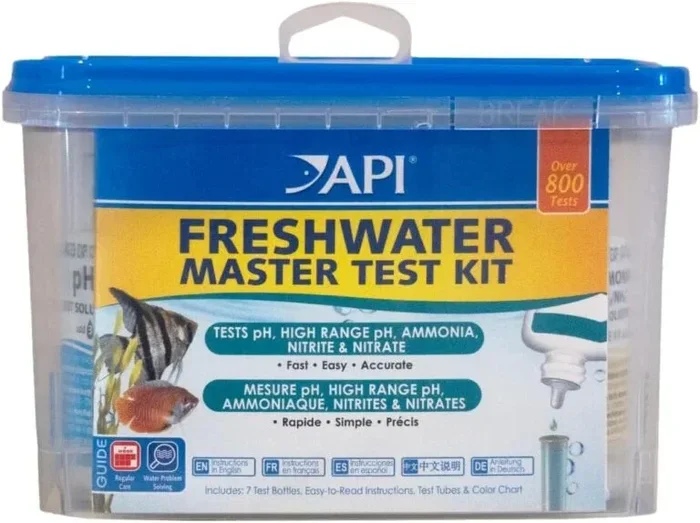
Liquid test kits are the gold standard for accuracy. Brands like the API Freshwater Master Test Kit are popular among betta owners. You fill a small test tube with tank water, add drops of reagent, and wait for the color to change. Then you compare the color to the included chart. Liquid water test kit results are far more reliable than strips, especially for ammonia and nitrite.
Liquid kits cost a bit more upfront, but one bottle can last for months or even years. They give you precise numbers and are well worth the investment. For anyone serious about betta fish care tips, a liquid test kit is a must-have tool.
Test Strips
Test strips are the quick and easy option. You dip a strip into the tank water, wait a few seconds, and compare the color to the chart on the bottle. They are affordable and convenient. Test strips for aquarium water work well for a basic check of pH, nitrite, nitrate, and hardness.
However, test strips are less precise than liquid kits. The colors can be hard to read, and the reagents on the strips can dry out over time. They are great for a fast check, but they should not replace a liquid kit entirely. Think of strips as a quick snapshot and liquid kits as the full picture.
| Feature | Liquid Test Kit | Test Strips |
|---|---|---|
| Accuracy | High | Moderate |
| Cost | Higher upfront | Lower upfront |
| Ease of Use | Moderate | Very Easy |
| Longevity | Months to years | Shorter shelf life |
| Best For | Regular monitoring | Quick spot checks |
How to Test Your Betta Tank Water Step by Step
Now that you know what to test for and which kit to use, let us walk through the actual process. Testing my betta fish tank water is simple once you get the hang of it. Follow these steps for accurate results every time.
- Wash your hands. Before you touch any tank water, rinse your hands with clean water. Soap residue can harm your fish, so skip the soap and just use plain water.
- Collect a water sample. Use a clean cup or syringe to scoop water from your tank. Try to get water from the middle of the tank, not from the surface or the very bottom.
- Follow the kit instructions. If you are using a liquid kit, fill the test tube to the marked line. Add the drops one at a time, counting carefully. Cap the tube and shake gently.
- Wait for the color change. Most tests need you to wait 60 seconds or more. Set a timer so you do not guess the time.
- Compare the color. Hold the test tube next to the color chart in a well-lit area. Match the closest color and read the number.
- Record your results. Write down the numbers in a notebook or on your phone. Over time, you will see patterns and catch problems faster.
For the best tank water parameters, test your water at the same time each week. This creates consistency and makes your readings easier to compare. Many betta owners find that Sunday mornings work well as a weekly testing routine.
Understanding Your Test Results
Getting the numbers is only half the battle. You need to know what those numbers mean for your fish. How to test my betta fish tank water is useless if you do not understand the results.
What Safe Numbers Look Like
- Ammonia: 0 ppm (zero)
- Nitrite: 0 ppm (zero)
- Nitrate: Below 20 ppm
- pH: Between 6.5 and 7.5
- GH (General Hardness): 3 to 4 dGH
- KH (Carbonate Hardness): 3 to 5 dKH
If all your numbers fall within these ranges, your tank water is in good shape. If one or more numbers are off, do not panic. Small adjustments can bring things back to normal.
When to Take Action
If ammonia or nitrite shows up above zero, you need to do a water change right away. A 25 to 50 percent water change can quickly dilute harmful chemicals. After the change, retest the water to make sure the numbers have dropped. How to clean betta fish tank water through regular water changes is your first line of defense against toxic buildup.
If your pH is off, check your tap water first. Can I add tap water to my betta fish tank? Yes, but you must treat it properly. Use a tap water conditioner for betta fish to remove chlorine and chloramine before adding it to the tank. This protects both your water quality and your fish health.
Common Mistakes to Avoid When Testing Water
Even experienced fish owners make mistakes when testing water. Here are some common errors to watch out for.
- Testing too soon after a water change. Fresh water can throw off your readings. Wait at least 24 hours after a water change before testing.
- Using expired test reagents. Old drops give inaccurate results. Check the expiration date on your test kit and replace it when needed.
- Shaking the test tube too hard. Vigorous shaking can create bubbles that affect the color reading. Shake gently and steadily.
- Comparing colors in dim light. Always check your test tube in bright, natural light for the most accurate match.
- Testing only when something looks wrong. By the time you see symptoms in your fish, the water may already be dangerous. Test regularly, even when everything looks fine.
Quick Tips for Better Water Testing
- Keep a dedicated notebook or spreadsheet for your water test results. Over time, you will build a valuable record of your tank health.
- Test water from different spots in the tank if you have a larger aquarium. Conditions can vary from one end to the other.
- Always prepare water for betta fish before adding it to the tank. Let tap water sit for 24 hours or use a conditioner to neutralize harmful chemicals.
- Match your water temperature to the tank temperature before adding new water. Sudden temperature changes stress your betta.
- If you are unsure about your results, test again with a fresh sample. Sometimes a second test confirms what the first one showed.
How to test my betta fish tank water becomes second nature after a few weeks. The routine is simple, and the peace of mind it gives you is well worth the effort. Consistent testing is one of the best betta fish tank maintenance habits you can build.
How Water Testing Connects to Overall Betta Care
Testing your water does not happen in isolation. It connects to everything else you do for your betta. Clean water supports a strong immune system, healthy colors, and active behavior. When your water parameters are stable, your betta fish thrives.
How to save dying betta fish after water change often comes down to water quality. Many fish health problems start with poor water conditions. By staying on top of your testing, you prevent most of these issues before they begin. Betta fish health depends heavily on the environment you create.
Regular testing also helps you plan your water changes better. If you notice nitrate creeping up mid-week, you can do a small water change earlier than scheduled. This proactive approach keeps your tank in the sweet spot all the time.
Final Thoughts
Testing your betta fish tank water is one of the simplest and most powerful things you can do as a fish owner. It takes just a few minutes each week, and the benefits are enormous. You protect your fish from invisible dangers, you catch problems early, and you create a stable home where your betta can truly thrive.
Start with a good liquid test kit. Learn the safe numbers for ammonia, nitrite, nitrate, and pH. Make testing part of your weekly routine. Over time, you will feel confident and in control of your tank environment. How to test my betta fish tank water is a skill that pays off every single day. Your betta fish will thank you with vibrant colors, active swimming, and a long, healthy life.
Remember, clean water is the foundation of everything else in betta care. Feed well, test often, and enjoy the process of watching your fish flourish in a safe and healthy home.
Frequently Asked Questions
How often should I test my betta fish tank water?
You should test your betta tank water at least once a week. If you notice any changes in your fish behavior or water clarity, test immediately. Regular weekly testing helps you catch problems early and keep your tank stable.
Can I use test strips instead of a liquid test kit?
Yes, test strips are a quick and affordable option. However, they are less accurate than liquid kits, especially for ammonia and nitrite. Use strips for fast checks, but invest in a liquid kit for reliable, detailed readings.
What is the best pH level for a betta fish tank?
Betta fish do best in a pH range of 6.5 to 7.5. The key is stability, not perfection. A pH that stays steady within this range is much better than one that fluctuates daily.
Do I need to test my water if I use a filter?
Yes, absolutely. A filter helps remove debris and supports beneficial bacteria, but it does not eliminate all harmful chemicals. Testing your water is still essential even with a filter running in the tank.
What should I do if my ammonia test shows a positive result?
If ammonia shows up above zero, do a 25 to 50 percent water change right away. Retest after the change and continue monitoring daily until the ammonia reads zero. Check that your tank is fully cycled and not overfed.
Is bottled water safe for my betta fish tank?
Some bottled water can work, but you need to check the mineral content first. Can I use bottled water for my betta fish tank? It depends on the type of bottled water. Distilled or purified water may lack essential minerals, so always research the specific product before using it in your tank.