How to Temperature Acclimate a Betta Fish
Temperature acclimation is one of the most important steps in betta fish care. Gradually adjusting your betta to new water temperatures prevents stress, shock, and illness. This guide walks you through every method, tip, and common mistake to ensure a smooth transition for your betta fish.
Key Takeaways
- Slow and steady wins the race: Gradual temperature changes prevent shock and keep your betta healthy.
- Drip acclimation is the gold standard: This method gives you the most control over temperature and water parameters.
- Watch for warning signs: Clamped fins, lethargy, and rapid breathing can signal temperature stress.
- Never dump your betta directly into new water: This is the fastest way to cause harm.
- Use a thermometer at every step: Accurate temperature readings are essential for successful acclimation.
- Patience matters: Rushing the process is the #1 mistake new betta owners make.
📑 Table of Contents
- How to Temperature Acclimate a Betta Fish
- Why Temperature Acclimation Matters for Betta Fish
- Methods for Temperature Acclimating a Betta Fish
- Tools You Will Need for Temperature Acclimation
- Common Mistakes to Avoid During Acclimation
- How to Tell If Your Betta Is Stressed After Acclimation
- Expert Tips for Successful Temperature Acclimation
- The Role of Water Temperature in Long-Term Betta Care
- Quick Tips Summary
- Conclusion
How to Temperature Acclimate a Betta Fish
Bringing home a new betta fish is exciting. But did you know that the way you introduce your betta to its new environment can make or break its health? Temperature acclimation is the process of gradually adjusting your betta to the water temperature in its new home.
Betta fish are tropical creatures. They thrive in warm, stable water. When the temperature changes too quickly, it causes temperature shock. This can lead to serious health problems or even death. That is why acclimate betta fish properly every single time. Whether you are setting up a new tank setup or transferring your betta to a different container, the process matters.
In this guide, we will walk you through the entire betta fish acclimation process. You will learn proven methods, common mistakes to avoid, and expert tips that make the whole thing easier. Let us dive right in.
Why Temperature Acclimation Matters for Betta Fish
Betta fish are sensitive creatures. Their bodies react strongly to changes in their environment. Water temperature is one of the biggest factors that affects how your betta feels and functions.
In the wild, bettas live in warm, slow-moving waters in Southeast Asia. The temperature stays relatively stable throughout the day. When you suddenly change that temperature, your betta does not have time to adjust. This is what causes temperature shock.
The Science Behind Temperature Shock
When water temperature drops or rises too fast, your betta’s body goes into survival mode. Its immune system weakens. Its organs struggle to keep up. Common symptoms of temperature shock include:
- Clamped fins held close to the body
- Lethargy and lack of movement
- Rapid breathing or gasping at the surface
- Loss of color or fading scales
- Refusing to eat
These signs can appear within minutes. That is why proper temperature adjustment is so critical. A little patience goes a very long way.
How Temperature Affects Betta Fish Health
Betta fish care starts with understanding their needs. The ideal tank temperature for a betta is between 76°F and 82°F (24°C to 28°C). When the water is too cold, your betta becomes sluggish. When it is too hot, the oxygen levels drop, which causes stress.
Stable temperatures also support your betta’s immune system. A healthy immune system fights off diseases like ich and fungal infections. So keeping the temperature steady is not just about comfort. It is about survival.
Methods for Temperature Acclimating a Betta Fish
There are several ways to acclimate betta fish to a new temperature. Each method has its benefits. Let us look at the most effective ones.
Method 1: The Floating Bag Method
This is the most common method. It works well for new tank setup situations. Here is how to do it:
- Place the sealed bag containing your betta into the tank.
- Let it float for 15 to 20 minutes. This allows the water temperature in the bag to slowly match the tank.
- After 15 minutes, open the bag and add a small cup of tank water into the bag.
- Wait another 10 minutes.
- Repeat the process two to three more times.
- Finally, gently scoop your betta out of the bag using a net and release it into the tank.
Never pour the bag water into your tank. The bag water may contain bacteria or contaminants from the store. A net transfer is always the safest approach.
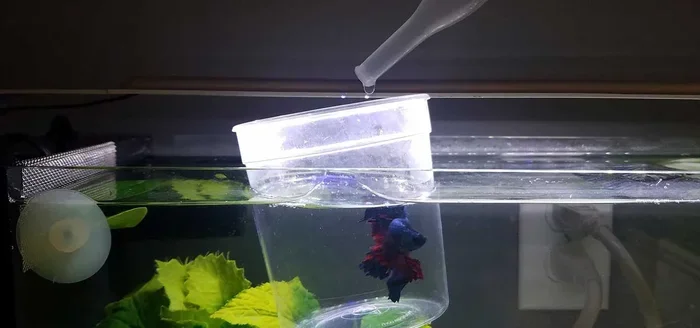
Method 2: The Drip Acclimation Method
The drip method gives you the most control. Many experienced fish keepers consider it the best way to acclimate betta fish. Here is how it works:
- Place your betta and its bag water in a clean container.
- Use an airline tube or a drip setup to slowly siphon tank water into the container.
- Aim for a drip rate of about 2 to 4 drops per second.
- Continue dripping until the container has doubled in volume.
- Remove half of the water from the container.
- Continue dripping until the volume doubles again.
- Use a net to transfer your betta to the tank.
This method typically takes 45 to 60 minutes. It is slower, but it gives your betta the gentlest possible temperature adjustment. It also helps equalize water parameters like pH and hardness.
Method 3: The Cup Transfer Method
This method works well for small containers and bowls. It is simple and effective:
- Float the bag in the bowl or tank for 15 minutes.
- Use a clean cup to scoop some of the tank water into the bag.
- Wait 10 minutes.
- Repeat once or twice.
- Use a cup to gently transfer your betta into the new container.
This method is faster than the drip method. It works best when you are confident the tank temperature is already close to the bag water temperature.
Tools You Will Need for Temperature Acclimation
Having the right tools makes the process much smoother. Here is a quick list of what you should have ready:
- Thermometer: An aquarium thermometer is essential. You need to know the exact temperature of both the bag water and the tank water.
- Clean container: A plastic cup or small bucket works well for holding your betta during the process.
- Airline tubing: Needed for the drip acclimation method.
- Net: A soft-mesh net helps you transfer your betta without harming its delicate fins.
- Timer: Your phone clock works fine. Keeping track of time ensures you do not rush the process.
If you are worried about maintaining warmth during the process, check out our guide on how to keep my betta fish warm without a heater for helpful tips.
Common Mistakes to Avoid During Acclimation
Even experienced fish keepers make mistakes. Here are the most common ones and how to avoid them.
Mistake 1: Skipping the Acclimation Process Entirely
Some people just dump their betta straight into the new tank. This is the worst thing you can do. The sudden change in water temperature and parameters can cause immediate stress. Always take the time to acclimate your fish properly.
Mistake 2: Rushing the Process
Patience is key. If you finish the process in five minutes, you are going too fast. Your betta needs time to adjust. A rushed acclimation can lead to betta fish stress and a weakened immune system.
Mistake 3: Ignoring Temperature Differences
Do not assume the bag water and tank water are the same temperature. Always check with a thermometer. Even a few degrees difference can be significant for a tropical fish like a betta.
Mistake 4: Using Hot or Cold Water to Speed Things Up
Never add hot or cold water to the bag to speed up the process. This creates an uneven temperature that can harm your betta. Stick to the natural floating or dripping methods.
How to Tell If Your Betta Is Stressed After Acclimation
After you complete the acclimation process, keep a close eye on your betta for the next 24 to 48 hours. Watch for signs of betta fish stress or discomfort.
If you notice any of these symptoms, test the water temperature first. A temperature change is often the culprit. You can also check our guide on how to treat a stressed betta fish for step-by-step advice on helping your fish recover.
Sometimes the issue is not temperature at all. It could be related to water parameters like ammonia or nitrite levels. Doing a partial water change and testing the water can help rule out other causes.
Expert Tips for Successful Temperature Acclimation
Here are some pro tips that make the process easier and safer for your betta:
- Turn off the tank lights during acclimation. Bright lights can stress your betta even more during an already sensitive time.
- Keep the room temperature stable. A drafty room can cause fluctuations in the water temperature while you acclimate.
- Acclimate during the evening. This gives your betta time to adjust overnight without the added stress of tank activity.
- Do not feed your betta for 24 hours after acclimation. A stressed digestive system can cause water quality issues.
- Always use a thermometer. Guessing the temperature is never a good idea. A simple stick-on thermometer costs just a few dollars.
If you are setting up a new tank and want to make sure everything is right from the start, our article on how to set up a fish tank for betta fish covers the full setup process in detail.
The Role of Water Temperature in Long-Term Betta Care
Temperature acclimation is just the beginning. Maintaining a stable tank temperature is an ongoing part of betta fish care. Here is what you need to know for the long haul.
Most aquarists use a fish tank heater to keep the water warm. A good heater maintains a steady temperature without much effort. Set it to around 78°F (25.5°C) for optimal betta health.
If you do not have a heater, you will need to monitor the room temperature closely. Cold rooms are dangerous for bettas. During winter, consider moving the tank away from windows and exterior walls. For more information on keeping your betta warm without a heater, visit our guide on keeping my betta fish warm without a heater.
Regular water changes also play a role. Fresh tap water can be a different temperature than your tank water. Always let new water sit and reach room temperature before adding it to the tank. You can learn more about this in our article on how to prepare water for a betta fish.
Quick Tips Summary
- Always acclimate your betta before adding it to a new environment.
- Use the drip method for the best results.
- Check temperatures with a thermometer at every step.
- Go slow. The whole process should take at least 30 to 60 minutes.
- Watch your betta closely for 24 to 48 hours after acclimation.
- Keep the water stable with a heater and regular maintenance.
Conclusion
Temperature acclimation is a simple but essential part of betta fish care. By taking the time to gradually adjust your betta to its new environment, you protect its health and set it up for a long, happy life. The key is patience. Go slow, use a thermometer, and never skip the process.
Remember, your betta depends on you for its well-being. A few extra minutes of care during acclimation can prevent days of worry and potential vet visits. Whether you are using the floating bag method, the drip method, or the cup transfer method, the goal is the same: a smooth, stress-free transition for your beloved fish.
Take what you have learned here and put it into practice. Your betta will thank you with vibrant colors, active behavior, and a long, healthy life.
Frequently Asked Questions
How long should I acclimate my betta fish to a new temperature?
The acclimation process should take at least 30 to 60 minutes. The drip method is slower but provides the best results. Always go slow and never rush the process, as sudden temperature changes can cause serious stress to your betta fish.
Can temperature shock kill a betta fish?
Yes, severe temperature shock can be fatal. When water temperature changes too quickly, it shocks your betta’s system and weakens its immune system. In extreme cases, this leads to organ failure and death. This is why proper temperature acclimation is so important.
What is the ideal temperature for a betta fish tank?
The ideal tank temperature for a betta fish is between 76°F and 82°F (24°C to 28°C). Keeping the temperature stable within this range supports your betta’s immune system, digestion, and overall health. Use a reliable aquarium thermometer to monitor the temperature daily.
Do I need to acclimate my betta if I am just doing a water change?
Yes, you should always be mindful of temperature differences. Fresh water from the tap may be a different temperature than your tank water. Let the new water sit and reach room temperature before adding it. For more details, check our guide on how to change betta fish water.
Can I use a heater to speed up the acclimation process?
No, you should not try to heat the bag water to match the tank. This creates an uneven and potentially dangerous temperature gradient. Let the temperature equalize naturally through the floating or drip methods. Patience is the safest approach for your betta’s health.
What should I do if my betta shows signs of stress after acclimation?
First, test the water temperature and make sure it is within the ideal range. Check for other issues like ammonia spikes or poor water quality. Dim the lights and give your betta time to settle. If symptoms persist, consult our guide on how to treat a stressed betta fish for helpful recovery steps.