How to Tell When Your Betta Fish Is Happy
Knowing how to tell when your betta fish is happy helps you provide a better life for your pet. Happy betta fish show bright colors, active swimming, and a healthy appetite. This guide covers the top signs, common mistakes, and simple tips to keep your betta thriving.
Have you ever wondered if your betta fish is truly happy? It is not always easy to tell. Unlike a dog or a cat, a betta fish cannot bark or purr to show how it feels. But betta fish have their own ways of communicating. How to tell when your betta fish is happy comes down to watching a few key behaviors and physical signs.
Many new fish owners miss the subtle clues their betta gives every day. A happy betta fish shows bright colors, swims with energy, and eats eagerly. On the other hand, an unhappy betta may hide, lose color, or stop eating. The good news is that once you learn the signs, you can act fast. This guide walks you through everything you need to know about betta fish happiness and how to keep your finned friend thriving.
Whether you have had your betta for weeks or years, understanding betta fish behavior is the first step toward better care. Let us dive into the signs that show your betta is living its best life.
Key Takeaways
- Vibrant colors and flowing fins are the first signs your betta fish is happy and healthy.
- Active swimming and curiosity show your betta feels safe and engaged in its environment.
- A good appetite and regular eating habits are strong indicators of betta fish happiness.
- Bubble nests and playful behavior mean your betta is comfortable and content in its tank.
- A proper tank setup with clean water, warmth, and hiding spots is essential for betta fish care.
- Watch for signs of stress like faded colors, lethargy, or clamped fins to catch problems early.
- Small changes in routine can make a big difference in your betta fish well-being.
📑 Table of Contents
What Does a Happy Betta Fish Look Like?
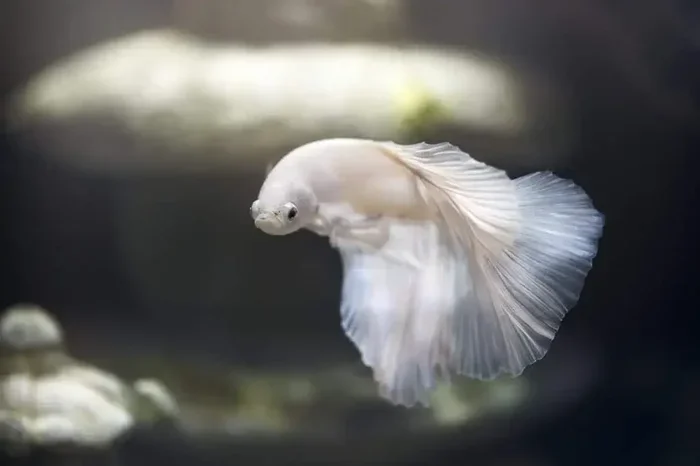
The easiest way to answer how to tell when your betta fish is happy is by looking at its appearance. A healthy, happy betta has vivid colors and smooth, flowing fins. When a betta feels safe, its colors become more intense and rich. You may notice deeper reds, blues, greens, or even purple hues that seem to glow in the light.
Happy betta fish also hold their fins open and relaxed. If your betta keeps its fins tightly closed against its body, that is a warning sign. Clamped fins often mean stress or illness. A happy betta spreads its fins wide and moves them gracefully as it swims.
Color Changes as a Happiness Indicator
Betta fish are known for their stunning colors. But did you know that color brightness directly links to mood? When a betta is stressed or sick, its colors fade. A happy betta fish looks vibrant and alive. Think of it like a mood ring for your pet.
Here are some color-related signs to watch for:
- Bright, bold colors mean your betta feels secure.
- Faded or dull coloring can signal stress or sickness.
- Vertical stripes on the body sometimes appear during stress.
- Even color distribution shows good health and comfort.
Quick Tips
Check your betta’s colors during feeding time. This is when they are most alert and their true colors show best. If you notice fading, consider testing your water quality right away.
Top Signs Your Betta Fish Is Happy
Now that you know what to look for in appearance, let us explore the behavioral signs. How to tell when your betta fish is happy comes down to a mix of physical and behavioral clues. Here are the top signs every betta owner should recognize.
1. Active and Curious Swimming
A happy betta fish moves around its tank with purpose. It explores every corner, checks out new decorations, and swims up to the surface to greet you. Active swimming shows that your betta feels safe and interested in its world.
Happy bettas often do “figure eights” or glide around the tank gracefully. They are curious creatures. If your betta investigates new objects or follows your finger along the glass, that is a great sign.
2. Healthy Appetite and Eating Habits
One of the clearest betta fish happiness signs is a strong appetite. A happy betta gets excited at mealtime. It swims to the top quickly and eats eagerly. Most bettas do well with two small feedings per day.
If your betta suddenly stops eating, that is a red flag. It could mean something is wrong with the water, temperature, or the fish’s health. For more on this, check out our guide on what to do when your betta fish won’t eat.
3. Building Bubble Nests
Male bettas build bubble nests as a sign of comfort and readiness. Even if you do not plan to breed your fish, a bubble nest is a wonderful indicator that your betta feels safe. These tiny bubbles clump together at the water’s surface and show your betta is in a good mood.
Not all bettas build bubble nests, and that is okay too. Some fish are just less inclined to nest. But if you see one, consider it a compliment to your tank setup.
4. Flaring and Displaying
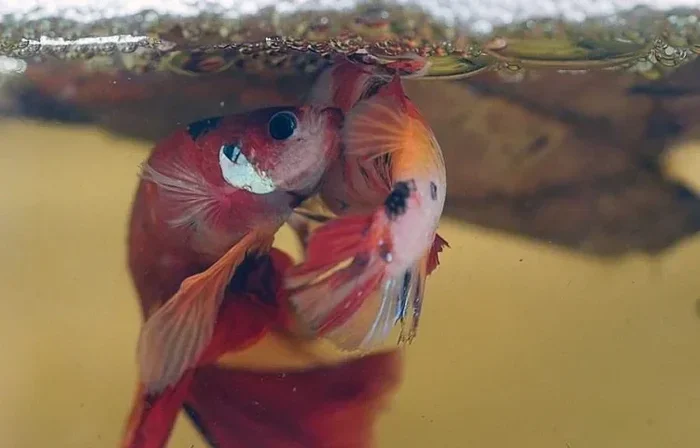
Betta fish flare their gills and fins to show confidence. A happy betta may flare at its own reflection or when it sees movement outside the tank. This is natural behavior. It means your fish feels strong and secure enough to show off.
However, constant flaring at a reflection can cause stress. If your betta flares nonstop, consider reducing the reflection by adjusting the tank lighting or adding plants to break up the view.
5. Relaxed Body Position
A content betta fish rests with its body horizontal and its fins spread open. It may hover in one spot or rest on a leaf. This relaxed posture shows your betta trusts its environment. Stressed bettas often huddle in corners or tilt to one side.
Understanding Betta Fish Behavior and Body Language
Learning betta fish body language takes a little time, but it is very rewarding. Fish communicate through movement, color, and posture. Once you understand these signals, you will know exactly how your betta feels.
Reading Your Betta’s Fin Position
Fin position tells you a lot about your betta’s mood:
- Fins spread wide = happy, confident, and comfortable.
- Fins held close to the body = stressed, scared, or sick.
- Fins drooping = possible illness or old age.
- Fins twitching = irritation, often from poor water quality.
The Role of Tank Environment
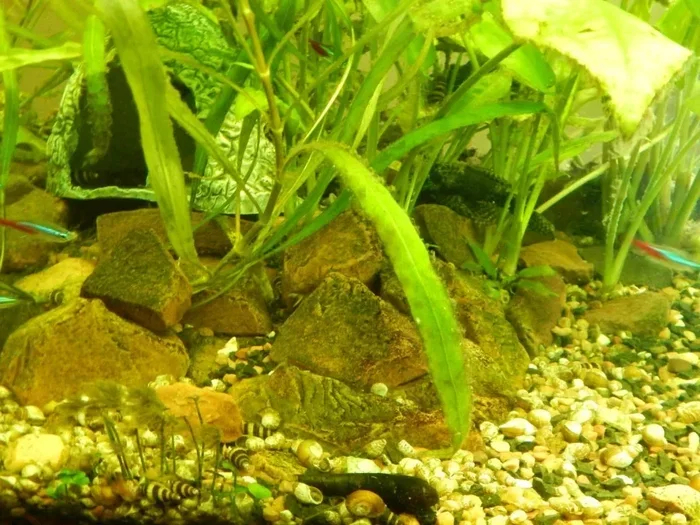
Your betta’s tank setup plays a huge role in its emotional state. A cramped or dirty tank causes stress. A well-planned tank with room to swim and places to explore makes a betta feel at home. Want tips on setting up the perfect space? Read our article on how to decorate your betta fish tank.
Key elements of a happy betta environment include:
- At least 5 gallons of water for comfortable swimming.
- A heater to maintain 76-82°F water temperature.
- Live or silk plants for hiding and exploring.
- Clean water changed regularly to prevent toxins.
- Gentle filtration that does not create strong currents.
How Tank Setup Affects Your Betta’s Happiness
How to tell when your betta fish is happy also depends heavily on the environment you provide. A well-designed tank does more than look nice. It directly impacts your betta’s mood, health, and lifespan.
Betta fish come from the warm, slow-moving waters of Southeast Asia. Replicating these conditions in your home tank helps your fish feel like it is in its natural habitat. When a betta feels at home, it shows all the classic signs of happiness we discussed above.
Water Quality Matters
Clean water is the foundation of betta fish care. Ammonia and nitrite levels should always be at zero. Nitrate should stay below 20 ppm. Test your water weekly and change 25-30% of the water every one to two weeks.
For step-by-step guidance, visit our article on how to change your betta fish water. Keeping water clean prevents illness and keeps your betta’s colors bright.
Temperature and Heating
Betta fish are tropical creatures. They need warm, stable water temperatures to thrive. Cold water slows down their metabolism and makes them sluggish. A good aquarium heater set between 76 and 82 degrees Fahrenheit keeps your betta comfortable and active.
If you are unsure about heating options, check out how to keep your betta fish warm for expert advice and product recommendations.
Space to Explore
A small bowl might seem cute, but bettas need room to swim. A tank of at least 5 gallons gives your betta space to explore and exercise. Add some gentle plants, a few hiding spots, and open swimming areas. This balance keeps your betta both stimulated and secure.
Common Signs Your Betta Fish Is Unhappy or Sick
Just as important as knowing the happy signs is recognizing when something is wrong. How to tell when your betta fish is happy works hand in hand with knowing the warning signs of an unhappy or sick fish.
Signs of Stress or Illness
Watch for these red flags in your betta’s behavior:
- Loss of color or pale, washed-out appearance.
- Clamped fins held tightly against the body.
- Refusing food or showing no interest in meals.
- Hiding constantly and avoiding open areas of the tank.
- Rapid breathing or gasping at the water surface.
- White spots or unusual growths on the body or fins.
- Lethargy and lack of movement for extended periods.
If you notice any of these signs, act quickly. Check your water parameters first, then consider whether your betta might be sick. For help identifying illness, read how to tell if my betta fish is sick. Early detection makes treatment much easier.
Common Mistakes That Make Betta Fish Unhappy
Many well-meaning owners accidentally cause stress. Here are the most common mistakes:
- Keeping the betta in a tank smaller than 5 gallons. Small bowls limit movement and waste builds up fast.
- Skipping water changes. Dirty water causes ammonia buildup and makes fish sick.
- Placing the tank in direct sunlight. This causes temperature swings and algae overgrowth.
- Using harsh decorations with sharp edges. These can tear delicate betta fins.
- Overfeeding your betta. Excess food pollutes the water and causes bloating.
- Keeping the tank near loud electronics. Vibrations and noise stress out sensitive fish.
Expert Insight
Many experienced aquarists say that the single biggest factor in betta fish happiness is consistent water quality. A clean, warm, stable environment does more for your fish’s mood than any decoration or toy ever could. Focus on the basics first, and the happy signs will follow.
How to Keep Your Betta Fish Happy Long-Term
Now that you know the signs of a happy betta, let us talk about how to maintain that happiness over time. Consistent care is the secret to a long, healthy life for your fish.
Stick to a Routine
Betta fish thrive on routine. Feed them at the same times each day. Perform water changes on a regular schedule. Keep the tank lights on a consistent cycle. Predictability helps your betta feel safe and secure.
Provide Mental Stimulation
Just like any pet, bettas need mental engagement. You can play games with your betta fish using a small mirror or a laser pointer. You can also teach your betta to follow your finger or swim through hoops. These activities keep your fish sharp and curious.
For more fun ideas, check out how to teach your betta fish to do tricks. Training strengthens the bond between you and your fish while keeping it mentally active.
Monitor Health Regularly
Make it a habit to observe your betta every day. Look for changes in color, activity level, and eating habits. The earlier you catch a problem, the easier it is to fix. If your betta ever shows signs of decline, our guide on how to make your betta fish healthy again can help you get back on track.
Build a Bond With Your Fish
One of the most rewarding parts of betta ownership is building a connection. Betta fish recognize their owners over time. They may swim to the front of the tank when you approach or watch you as you move around the room. Spending time near the tank and talking softly to your fish helps build trust.
For deeper insights into this relationship, read our article on how to grow a bond with your betta fish. A strong bond makes both you and your fish happier.
Remember, how to tell when your betta fish is happy comes down to paying attention. Your betta tells you how it feels every single day through its behavior, colors, and appetite. Learn to read those signals, and you will become a confident, caring fish owner.
A happy betta fish lives longer, looks more beautiful, and brings more joy to your home. The effort you put into understanding your fish pays off in a big way. Keep the water clean, the temperature warm, and the tank enriching. Your betta will reward you with vibrant colors, energetic swimming, and years of companionship.
Start today by spending a few minutes just watching your betta. Notice how it moves, how it eats, and how it interacts with its surroundings. You will be amazed at how much you can learn. And every new thing you discover brings you closer to giving your betta the best life possible.
Frequently Asked Questions
How can I tell if my betta fish is happy at night?
Betta fish often rest at night and may appear still or hover near the bottom. A happy betta will still have relaxed fins and a natural body position even while sleeping. If your betta rests calmly and becomes active again at feeding time, that is a healthy sign.
What is the fastest way to make a betta fish happy?
The fastest way is to ensure clean water and proper temperature. Perform a small water change and check that your heater is working. A clean, warm environment immediately reduces stress and helps your betta feel more comfortable and active.
Do betta fish get lonely in their tank?
Betta fish are solitary by nature and do not need tank mates to be happy. In fact, other fish can sometimes cause stress. A well-set-up tank with plants and hiding spots gives your betta plenty of stimulation on its own.
How often should I check my betta fish for signs of happiness?
You should observe your betta daily during feeding time. This is when they are most alert and display their true behavior. Weekly deeper observations of water quality and tank conditions also help ensure long-term happiness.
Can a betta fish become happy again after being stressed?
Yes, most bettas recover quickly once their environment improves. Clean the water, stabilize the temperature, and give your fish some quiet time. Within a few days, you should see the happy signs return, including bright colors and active swimming.
What should I do if my betta fish stops showing happy behaviors?
First, test your water parameters for ammonia, nitrite, and nitrate. Then check the temperature and look for physical signs of illness like clamped fins or spots. If problems persist, our guide on how to help a betta fish that is sick can walk you through the next steps.
=== CONCLUSION ===
How to tell when your betta fish is happy is a skill every betta owner should develop. From vibrant colors and active swimming to a healthy appetite and bubble nests, your betta gives you clear signals every day. Pay attention to these signs, provide a clean and warm tank, and offer mental stimulation through play and exploration.
Avoid common mistakes like overfeeding, skipping water changes, and keeping the tank too small. With consistent care and a little observation, you will create a thriving environment where your betta truly flourishes. Your happy betta fish will reward you with beauty, personality, and companionship for years to come.