Are Betta Fish Required to Have a Light On
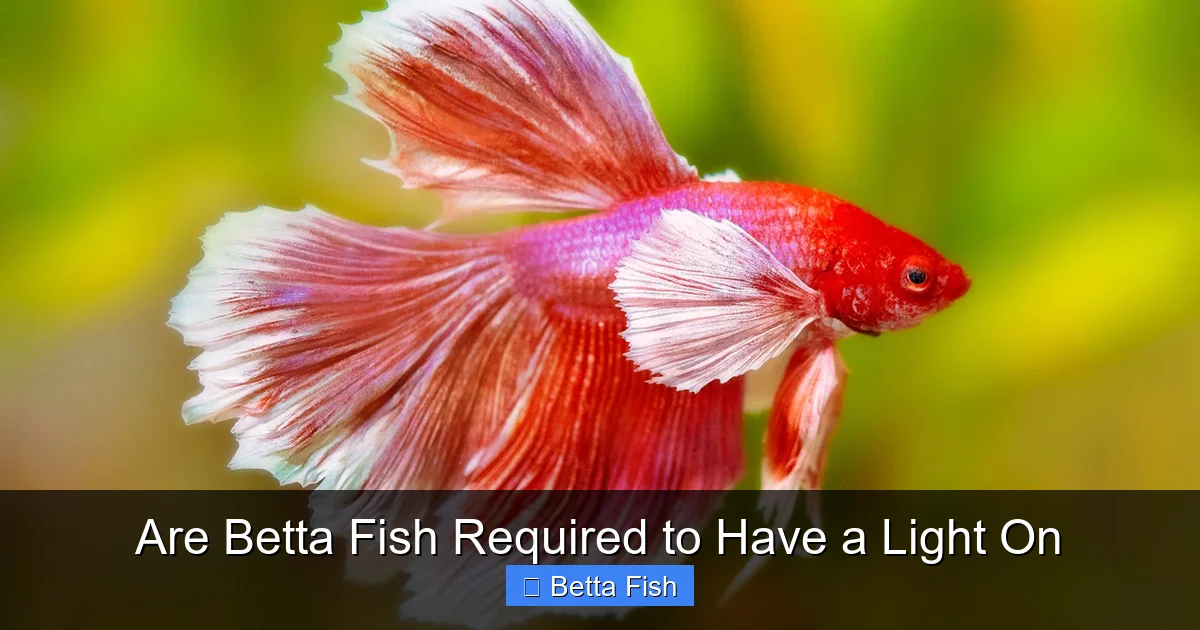
Betta fish don’t strictly need a constant light, but they thrive with a regular day‑night cycle that mimics their natural habitat. Providing proper lighting helps their colors shine, supports their immune system, and keeps their behavior normal.
Key Takeaways
- Day‑night cycle matters: A 10‑12 hour light period is ideal for most bettas.
- Intensity over duration: Low to moderate light is enough; avoid harsh, direct sunlight.
- Natural vs. artificial: Both work, but LED or fluorescent tanks give consistent results.
- Health benefits: Proper lighting boosts color vibrancy, reduces stress, and supports the immune system.
- Night darkness is crucial: Betta fish need uninterrupted darkness to rest and recover.
- Backup plans: Timers and dimmers make lighting hassle‑free.
- Link to basics: Learn how to set up a tank and basic care to complement lighting choices.
📑 Table of Contents
- Introduction: Why Light is a Hot Topic for Betta Keepers
- 1. The Natural Habitat of Betta Fish
- 2. Do Betta Fish Need Light at All?
- 3. Choosing the Right Light Source
- 4. Setting Up a Healthy Day‑Night Cycle
- 5. Common Lighting Mistakes (And How to Avoid Them)
- 6. Integrating Light with Overall Betta Care
- Conclusion: Balancing Light and Darkness for a Happy Betta
Introduction: Why Light is a Hot Topic for Betta Keepers
When you first bring a betta home, the sparkling colors and flowing fins steal the show. It’s natural to wonder whether that glow needs a spotlight. The short answer is “yes and no.” Betta fish don’t require a light to survive, but they do need a predictable light cycle to stay healthy and show off their best colors.
In this guide we’ll break down the science behind lighting, look at the pros and cons of different light sources, and give you practical steps to set up a perfect day‑night rhythm. By the end, you’ll know exactly are betta fish required to have a light on and how to make the right choice for your little aquatic buddy.
1. The Natural Habitat of Betta Fish
Where bettas come from
Betta splendens are native to the shallow, slow‑moving waters of Thailand, Cambodia, and Vietnam. Their home waters are dappled with sunlight that filters through dense vegetation, creating a gentle, filtered glow.
What the wild light cycle looks like
In the wild, bettas experience roughly 12 hours of light and 12 hours of darkness, with occasional cloud cover that softens the intensity. This natural rhythm signals feeding times, breeding behavior, and rest periods.
2. Do Betta Fish Need Light at All?
Understanding the phrase “required to have a light on”
The word “required” can be misleading. Betta fish can survive in a dimly lit or even unlit tank for short periods, but long‑term health suffers without a regular light schedule.
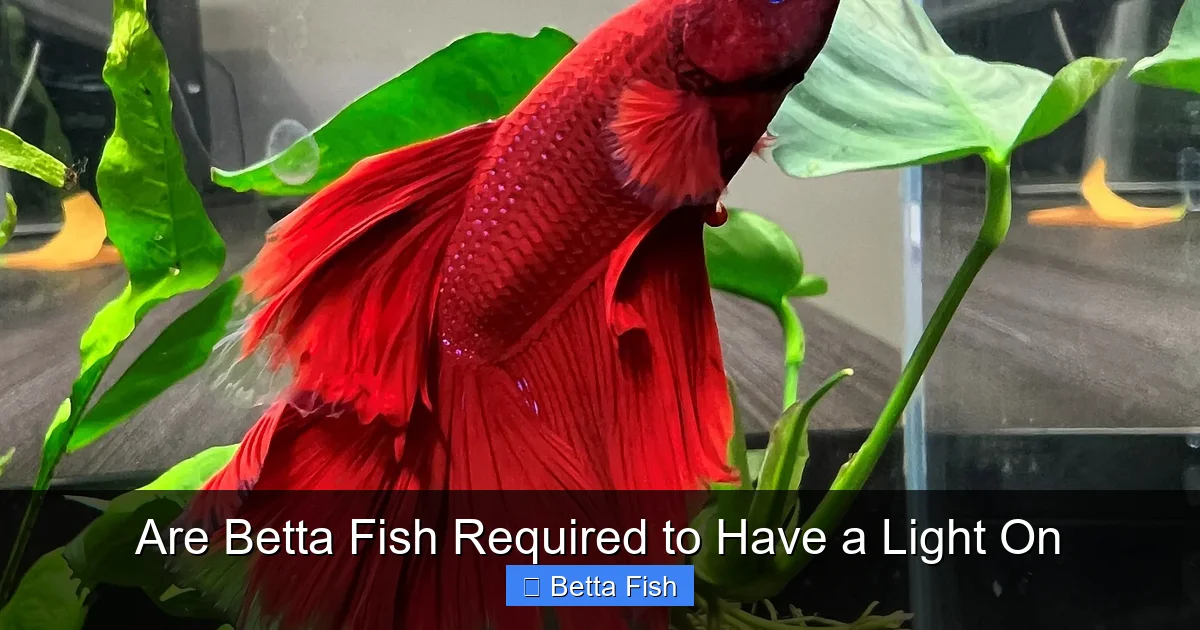
Visual guide about Are Betta Fish Required to Have a Light On
Image source: ntlabs.co.uk
Key physiological reasons for light
- Color development: Light stimulates pigment cells, making those brilliant reds, blues, and greens pop.
- Immune function: Proper lighting supports the production of hormones that help fight disease.
- Behavioral cues: Light tells bettas when it’s time to eat, explore, or hide.
3. Choosing the Right Light Source
LED vs. fluorescent vs. natural
LED lights are the most popular choice because they’re energy‑efficient, produce little heat, and can be set to specific color spectrums. Fluorescent tubes work well too, especially for larger setups, but they can be bulkier.
Natural sunlight is beautiful but unpredictable. Direct sun can cause temperature spikes and algae blooms, so it’s best to use filtered, indirect light if you rely on windows.
How bright should the light be?
Betta fish thrive under low to moderate intensity—about 0.5 to 1.0 watts per gallon. A simple rule: the light should be bright enough to read the tank’s label, but not so harsh that the fish squints.
4. Setting Up a Healthy Day‑Night Cycle
Timing is everything
Aim for 10‑12 hours of light followed by 12‑14 hours of darkness. Consistency is key; irregular schedules can stress the fish and lead to health issues like fin rot.
Using timers and dimmers
Automated plug‑in timers are inexpensive and remove the guesswork. Pair them with a dimmer to gradually fade the light at “sunset,” mimicking a natural environment.
Practical example
Suppose you keep a 5‑gallon tank. Install a 5‑watt LED strip with a 12‑hour timer set from 8 am to 8 pm. Add a dimmer that lowers intensity by 30% during the last hour. This creates a gentle transition that bettas love.
5. Common Lighting Mistakes (And How to Avoid Them)
Leaving the light on 24/7
Continuous light disrupts the circadian rhythm, leading to lethargy, loss of color, and increased susceptibility to disease.
Too much heat
Some bulbs emit heat that can raise water temperature beyond the ideal 76‑82°F range. Choose cool‑light LEDs to keep temperature stable.
Ignoring algae growth
Excess light fuels algae. Keep the photoperiod short and consider a small algae‑eating snail (Can You Have A Snail With A Betta Fish) if algae becomes a problem.
6. Integrating Light with Overall Betta Care
Water parameters and lighting
Good water quality works hand‑in‑hand with proper lighting. Regular water changes (about 25% weekly) keep ammonia low, which in turn reduces stress that can be amplified by bad lighting.
Feeding and lighting
Feed your betta during the light period. This aligns with their natural foraging instinct and helps prevent over‑eating at night.
Linking to broader care topics
For a full picture of betta husbandry, check out How To Set Up A Tank For A Betta Fish and Are Betta Fish Easy To Care For. These guides cover filtration, substrate, and plant choices that complement your lighting plan.
Conclusion: Balancing Light and Darkness for a Happy Betta
So, are betta fish required to have a light on? Not in the sense of a constant glow, but they absolutely need a regular, moderate light cycle to thrive. By mimicking their natural environment with a 10‑12 hour light period, using low‑intensity LED or fluorescent lighting, and ensuring a dark, uninterrupted night, you set the stage for vibrant colors, robust health, and lively behavior.
Remember, the goal isn’t to impress visitors with a dazzling aquarium show; it’s to give your betta the conditions it evolved to love. With a timer, a modest LED, and a little attention to water quality, you’ll have a thriving, colorful betta that thanks you with every graceful fin flutter.
Frequently Asked Questions
Do betta fish need a light 24 hours a day?
No. Betta fish need a regular day‑night cycle. Continuous light can cause stress, faded colors, and health problems.
What type of light is best for a betta tank?
Low‑intensity LED lights are ideal because they run cool, use little electricity, and can be set to a natural spectrum.
Can I use natural sunlight for my betta?
Indirect sunlight can work, but it’s hard to control intensity and heat. If you use a window, make sure the tank is shaded and the temperature stays stable.
How long should the light be on each day?
Aim for 10‑12 hours of light followed by 12‑14 hours of darkness. Consistency is more important than exact timing.
Will a betta get sick without a light?
Prolonged darkness can weaken the immune system and dull colors, making the fish more prone to diseases like fin rot.
Do I need a timer for my betta’s light?
Using a timer is the easiest way to keep a consistent schedule and avoid accidental over‑lighting.