How to Tell the Age of My Betta Fish
Telling the age of your betta fish is easier than you think. By watching their color, fin length, body shape, and activity level, you can estimate their age pretty accurately. This guide walks you through every sign and clue so you can understand your betta better.
Have you ever looked at your betta fish and wondered how old it really is? Maybe you brought it home from a pet store with no information, or perhaps you found it at a fair and have no idea where to start. Learning how to tell the age of my betta fish is a skill every betta owner should have.
It turns out, your fish gives you plenty of clues. From the brightness of its colors to the way it swims, every detail matters. You do not need any fancy equipment or a biology degree. Just a pair of eyes and a little patience.
This guide breaks down every sign you need to look for. By the end, you will feel confident estimating your betta’s age. Let us dive in and explore the fascinating world of betta fish aging together.
Key Takeaways
- Color changes are the clearest age indicator: Young bettas are vibrant, while older fish may show fading or dullness.
- Fin length and condition reveal a lot: Longer, flowing fins usually mean a mature fish, while short fins suggest a juvenile.
- Body size and shape shift with age: A betta grows steadily in its first year, then slows down significantly.
- Behavioral changes help too: Activity level, appetite, and swimming patterns change as your betta gets older.
- Knowing the age helps with care: Adjusting diet, tank conditions, and feeding frequency based on age improves your betta’s quality of life.
- Combining multiple signs gives the best estimate: No single clue is perfect, but together they paint a clear picture.
- Tank environment affects aging: Proper water quality and temperature can help your betta live a longer, healthier life.
📑 Table of Contents
- Why Knowing Your Betta’s Age Matters
- Color Changes: The Most Reliable Age Indicator
- Body Size and Shape Clues
- Fin Length and Condition as Age Markers
- Behavioral Changes That Signal Age
- Tank Environment and How It Affects Aging
- Comparing Age Signs: A Quick Reference
- Common Mistakes People Make When Estimating Betta Age
- How to Support Healthy Aging for Your Betta
- Final Thoughts on Telling Your Betta’s Age
Why Knowing Your Betta’s Age Matters
Understanding your betta’s age is more than just trivia. It directly affects how you care for your fish. Young bettas need different food portions than older ones. Their tank requirements change too. Age-aware care keeps your fish healthy and happy for years.
For example, baby bettas need smaller, more frequent meals. An older betta might need a softer diet and calmer water conditions. When you know the age, you can tailor the care perfectly. This is why determining betta fish age is so important for responsible ownership.
Age and Lifespan Expectations
Betta fish typically live between two and five years in a well-maintained tank. Some lucky owners push that to six or even seven years. Knowing where your fish falls on that timeline helps you set realistic expectations. It also helps you plan for the future.
A very young betta might have several years ahead of it. An older betta needs extra attention and comfort. Either way, understanding the age gives you a roadmap for the journey ahead.
Color Changes: The Most Reliable Age Indicator
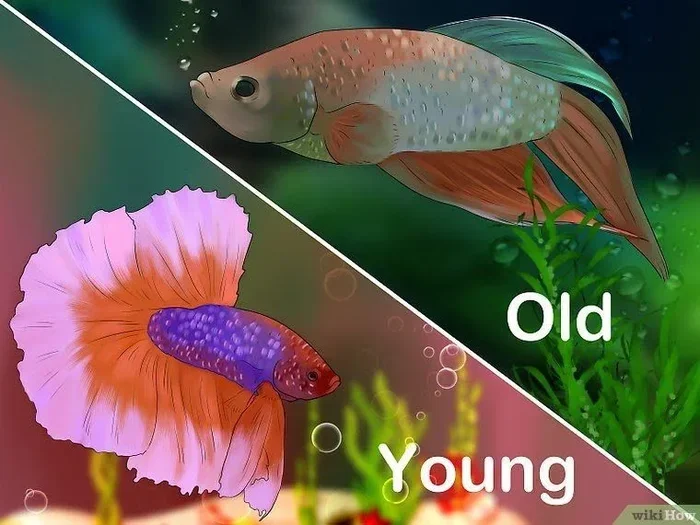
Color is hands-down the best way to estimate your betta’s age. Young bettas are absolutely stunning. Their colors pop with intensity. Think bright blues, deep reds, vivid greens, and rich purples. The scales shimmer and glow like tiny jewels.
As bettas grow older, their colors often change. Some fish become duller. Others develop a faded, washed-out look. The vibrant hues might soften into pastel shades. This is a completely natural part of aging.
Young Bettas (Under 6 Months)
Juvenile bettas are usually the most colorful fish you will ever see. Their scales are tight, bright, and full of life. If your betta looks like it is glowing from the inside out, it is probably young. This is one of the strongest betta fish age indicators you can watch for.
Adult Bettas (6 Months to 2 Years)
Adult bettas maintain good color but might not be as intense as juveniles. The colors settle into a stable pattern. You might notice some slight dulling around the edges of the fins. This is normal and not a cause for concern.
Senior Bettas (2 Years and Older)
Older bettas often show noticeable fading. The colors become muted and pale. Some fish develop a slightly transparent quality in their scales. If you notice this, your betta is likely in its senior years. You can also check how to enhance color of betta fish to support vibrancy in aging fish.
Body Size and Shape Clues
Size tells you a lot about your betta’s age, especially during the first year. Baby bettas start incredibly tiny. They are barely bigger than a grain of rice when they first hatch. Within a few weeks, they grow to about half an inch.
By the time a betta reaches six months, it is usually around two inches long. Full adult size typically hits around four to five inches. If your fish is still growing quickly, it is likely under a year old.
Measuring Your Betta’s Length
Use a small ruler or compare your betta to objects in the tank. A fully grown betta should measure about four to five inches from nose to tail. Anything smaller suggests a younger fish. Keep in mind that body shape also changes with age.
Body Shape Changes Over Time
Young bettas tend to have sleek, streamlined bodies. Older bettas might develop a slightly rounder or bulkier shape. Some senior fish carry a little extra weight around the midsection. This is similar to how many animals change shape as they age.
Also, pay attention to how your betta holds its body. A healthy young betta swims with confidence and energy. An older betta might swim more slowly or rest more often. These subtle shifts in betta fish body condition help you estimate age.
Fin Length and Condition as Age Markers
Fin length is another excellent clue. Young bettas have shorter, more compact fins. As they mature, the fins grow longer and more dramatic. Male bettas especially develop long, flowing fins that trail behind them as they swim.
If your betta has short, stubby fins, it is probably still young. Long, elegant fins usually mean the fish has reached adulthood. This is especially true for males, since females tend to have shorter fins at any age.
Fin Wear and Tear
Older bettas might show signs of fin wear. Small tears or ragged edges can appear over time. This does not always mean your fish is sick. It can simply be a sign of aging. However, you should still monitor for any sudden changes. Check out this guide on how to tell if my betta fish is sick if you notice unusual symptoms alongside fin damage.
Fin Color and Veining
Young bettas often have crisp, well-defined fin colors. The veining in the fins is sharp and clear. Older fish might show slightly blurred edges or less vibrant fin coloring. These details are subtle but helpful when estimating age.
Behavioral Changes That Signal Age
How your betta acts says a lot about its age. Young bettas are energetic and curious. They explore every corner of the tank. They flare at their own reflection and chase food eagerly. This high energy level is a hallmark of youth.
As bettas age, they naturally slow down. Older fish prefer to rest more. They might spend longer periods near plants or decorations. Their appetite might decrease slightly too. These behavioral shifts are completely normal and expected.
Activity Level by Age
Here is a simple breakdown of how activity changes with age:
- Juvenile (under 6 months): Very active, constantly exploring, eager to eat
- Young Adult (6 months to 2 years): Active but with more relaxed periods
- Adult (2 to 4 years): Moderate activity, prefers resting spots
- Senior (4 years and older): Low energy, spends most time resting near the bottom or plants
Feeding Habits and Age
Young bettas eat with enthusiasm. They swarm toward food the moment it hits the water. Older bettas might take their time. Some senior fish show less interest in food altogether. Adjusting feeding routines based on age is essential. You can find detailed guidance on how to feed my betta fish for every life stage.
Tank Environment and How It Affects Aging
The environment your betta lives in plays a big role in how it ages. A clean, well-maintained tank can help your fish live longer and stay healthier. Poor water conditions can accelerate aging and lead to health problems.
Water temperature is especially important. Bettas are tropical fish and need warm water to thrive. The ideal range is between 76 and 82 degrees Fahrenheit. Cold water slows their metabolism and can shorten their lifespan significantly.
Water Quality Matters
Clean water reduces stress and supports healthy aging. Ammonia and nitrite levels should always be zero. Nitrate should stay below 20 parts per million. Regular water changes and proper filtration make a huge difference.
If you want to learn more about maintaining excellent water conditions, read how to take care of a betta fish water for detailed tips.
Tank Size and Setup
A larger tank provides more stable conditions. Bettas in tanks of five gallons or more tend to live longer and show fewer signs of stress. The tank should have gentle filtration, a heater, and plenty of hiding spots. Plants and decorations give your betta a sense of security, which supports healthy aging.
Comparing Age Signs: A Quick Reference
Sometimes it helps to see all the clues side by side. Here is a quick comparison of the main age indicators.
Color: Bright and vivid in youth, fading with age. Body size: Grows quickly in the first year, then stabilizes. Fin length: Short in juveniles, long and flowing in adults. Activity level: High in young fish, lower in seniors. Appetite: Strong in youth, may decrease in older fish. Fin condition: Crisp and clean when young,可能出现 wear over time.
No single sign tells the whole story. But when you combine all of them, you get a much clearer picture. Think of it like solving a puzzle. Each piece adds to the overall image.
You might also want to understand how gender plays a role in aging. Males and females show different patterns as they grow older. If you are curious about this, check out how to tell the gender of betta fish for more context on how gender affects appearance and behavior over time.
Common Mistakes People Make When Estimating Betta Age
It is easy to make mistakes when guessing a betta’s age. One common error is relying on a single sign. Color alone does not tell the full story. A stressed fish might look dull even if it is young. Always look at multiple indicators together.
Another mistake is comparing your betta to others. Every fish is unique. Some bettas are naturally more vibrant than others. Some grow faster or slower than average. Focus on your fish’s individual patterns rather than comparing it to fish you have seen online or at stores.
People also forget that genetics play a role. Some bettas are simply predisposed to live longer or show certain color patterns. This is not something you can control. But understanding it helps you set realistic expectations for your fish’s lifespan and appearance.
How to Support Healthy Aging for Your Betta
Once you know your betta’s approximate age, you can adjust its care accordingly. Older fish benefit from slightly warmer water temperatures. They do better with softer, easier-to-digest foods. Reducing stress in the tank is also critical for senior bettas.
Keep the tank environment stable. Avoid sudden changes in lighting, temperature, or decoration layout. Bettas are creatures of habit and thrive on consistency. A calm, predictable environment supports healthy aging at every stage of life.
Regular check-ups matter too. Watch for any signs of illness or unusual behavior. Catching problems early gives your betta the best chance of staying comfortable. If you ever notice something worrying, do not hesitate to seek advice from a knowledgeable source or a veterinarian who specializes in fish care.
Final Thoughts on Telling Your Betta’s Age
Figuring out how to tell the age of my betta fish does not have to be complicated. You have color clues, body size indicators, fin length markers, behavioral patterns, and environmental factors working together to give you a solid estimate. The key is to look at all the signs as a whole.
Your betta gives you signals every single day. You just need to know what to look for. With the tips in this guide, you are now equipped to read those signals with confidence. Enjoy watching your betta grow, change, and thrive at every stage of its life. The bond you build with your fish only gets stronger when you understand its needs.
Remember that every betta is unique. Age is just one piece of the puzzle. Combined with proper care, good nutrition, and a clean tank, your betta can enjoy a long and happy life by your side.
Frequently Asked Questions
Can you tell the exact age of a betta fish?
No, you cannot determine the exact age of a betta fish. You can only estimate based on clues like color, fin length, body size, and behavior. These indicators give you a reasonable range, but not a precise number.
What age is a betta fish when you buy it from a store?
Most bettas sold in pet stores are between three and six months old. By this age, they have developed their full colors and fin length. Some stores sell younger fish, but they are less common in regular retail settings.
Do betta fish change color as they age?
Yes, betta fish often change color as they age. Young bettas display vibrant, intense colors. As they get older, those colors may fade or become duller. This is a natural aging process and not usually a sign of illness.
How big is a one-year-old betta fish?
A one-year-old betta fish is typically around two to three inches long. They reach their full adult size of four to five inches by about one year of age, though some continue growing slowly for a few more months.
Do male and female bettas age differently?
Yes, male and female bettas show some differences in aging. Males tend to develop longer fins and more vivid colors, while females stay smaller with shorter fins. Both sexes experience color fading and reduced activity as they age.
What is the oldest a betta fish can live?
The oldest recorded betta fish lived around six to seven years in captivity. This is rare and usually requires excellent care, stable water conditions, and a healthy diet. Most bettas live between two and five years.