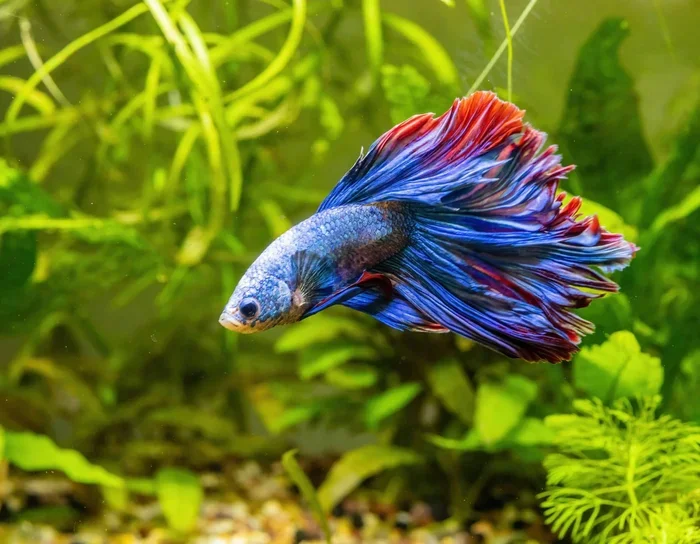
How to Treat a Gill Tumor in Betta Fish
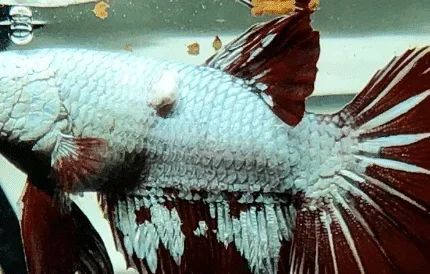
A gill tumor in betta fish is a serious but manageable condition that affects your fish’s breathing and overall health. Early detection and proper treatment can significantly improve your betta’s quality of life. This guide covers symptoms, causes, treatment options, and prevention steps you can take right now.
Discovering a lump or swelling on your betta fish’s gill area can be alarming. A gill tumor in betta fish is not something you want to ignore. These growths can affect your fish’s ability to breathe, eat, and live comfortably. But here is the good news. With the right approach, you can identify the problem early and take effective steps to treat it.
This guide walks you through everything you need to know. From understanding what causes gill tumors to exploring treatment options and prevention strategies, you will find practical advice you can use today. Whether your betta is showing early signs or you are trying to prevent problems before they start, this article covers it all.
Let us dive in and help your betta fish get the care it deserves.
Key Takeaways
- Gill tumors in betta fish can be caused by poor water quality, bacterial infections, and chronic stress.
- Early symptoms include labored breathing, swollen gills, and loss of appetite.
- Treatment options range from water changes and salt baths to veterinary care and medication.
- Preventing gill tumors starts with maintaining clean water and a low-stress environment.
- Regular monitoring and quick action give your betta the best chance of recovery.
- Some gill tumors may require professional veterinary diagnosis and intervention.
- A balanced diet and proper tank setup support your betta’s immune system.
📑 Table of Contents
What Is a Gill Tumor in Betta Fish?
A gill tumor is an abnormal growth that forms on or near the gill tissue of your betta fish. The gills are delicate organs responsible for oxygen exchange. When a tumor develops in this area, it can interfere with your fish’s ability to breathe properly. Gill tumors can appear as lumps, swelling, or discolored tissue on one or both sides of the gill plate.
Not all growths on a betta fish are tumors. Some may be cysts, abscesses, or fluid buildup caused by infection. This is why proper identification matters. A gill tumor in betta fish can be benign or malignant. Benign growths grow slowly and may not spread. Malignant tumors can invade surrounding tissue and worsen over time.
Common Causes of Gill Tumors
Several factors can contribute to the development of gill tumors in betta fish. Understanding these causes helps you address the root problem and prevent future occurrences.
- Poor water quality: Ammonia and nitrite buildup in the tank damages gill tissue over time. This chronic irritation can lead to abnormal cell growth.
- Bacterial infections: Certain bacteria attack gill tissue directly, causing inflammation and tumor-like growths.
- Chronic stress: A stressed betta fish has a weakened immune system. This makes it more vulnerable to infections and abnormal tissue growth.
- Genetic predisposition: Some betta fish may be genetically prone to developing tumors regardless of their environment.
- Aging: Older betta fish are more likely to develop growths as their cells regenerate less efficiently.
Stress plays a huge role in fish health. If your betta is showing signs of stress, addressing that first can make a big difference. You can learn more about calming a stressed betta in our guide on how to treat a stressed betta fish. Keeping your fish relaxed supports its immune system and overall well-being.
Recognizing the Symptoms of a Gill Tumor
Spotting a gill tumor early gives your betta the best chance of recovery. Watch for these key signs on a daily basis. The sooner you notice something wrong, the faster you can act.
Physical Signs to Watch For
- Swelling or lumps near the gill plates on one or both sides
- Redness or discoloration of the gill tissue
- Labored breathing or rapid gill movement
- Clamped fins held close to the body
- Loss of appetite or refusal to eat
- Lethargy and reduced activity levels
- Visible masses or raised tissue on the gill area
Behavioral Changes That Signal Trouble
Your betta fish will tell you something is wrong through its behavior. A healthy betta is active, curious, and eager to eat. If you notice any of these changes, investigate further.
- Gasping at the water surface: This is a clear sign your fish is struggling to get enough oxygen.
- Hiding more than usual: Bettas that feel unwell often retreat to corners or behind decorations.
- Flashing or rubbing: Your fish may rub against objects to relieve irritation near the gills.
- Reduced swimming: A noticeable decrease in movement and exploration is a red flag.
Some of these symptoms overlap with other conditions like bloat in betta fish or fin loss. If you are unsure about what you are seeing, compare the symptoms carefully. Checking your water parameters is always a smart first step. Poor water conditions can mimic tumor symptoms and cause similar distress in your fish.
Treatment Options for Gill Tumors in Betta Fish
Once you confirm or suspect a gill tumor, it is time to explore treatment options. The right approach depends on the severity of the growth and the underlying cause. Here is a breakdown of what you can do.
Step 1: Improve Water Quality Immediately
The single most important thing you can do is clean the water. Dirty water stresses your betta and slows healing. Start with a 25 to 50 percent water change. Use dechlorinated water at the same temperature as the tank. Check ammonia, nitrite, and nitrate levels. These should read zero, zero, and under 20 ppm respectively.
Maintaining proper betta fish water care goes a long way in supporting recovery. Learn how to keep the water clean and safe in our article on how to take care of betta fish water. Consistent water maintenance creates a healing environment for your fish.
Step 2: Add Aquarium Salt
A salt bath can help reduce swelling and fight mild bacterial infections. Use aquarium salt, not table salt. Add one teaspoon per gallon of water. Leave the salt in the tank for 10 to 14 days, then perform a water change to remove it. Salt supports the betta’s natural slime coat and helps gill tissue heal.
Salt baths are gentle and effective. They work well as a first-line treatment before moving to stronger medications. However, some betta fish are sensitive to salt. Watch your fish closely after adding it and adjust if needed.
Step 3: Consider Medication
If the tumor appears infected or is growing rapidly, medication may be necessary. Broad-spectrum antibacterial treatments can address bacterial causes of gill growths. Look for medications containing kanamycin or nitrofurazone. Always follow dosage instructions carefully. Overmedicating can harm your betta more than help it.
For severe or persistent tumors, a visit to a fish veterinarian is the best option. A professional can biopsy the growth and determine whether it is malignant. They can also prescribe targeted treatments that are safer and more effective than over-the-counter options.
Step 4: Support Your Betta’s Immune System
A strong immune system helps your betta fight off abnormal cell growth. You can support it through proper nutrition and a low-stress environment. Feed high-quality betta pellets or frozen bloodworms. Offer variety but avoid overfeeding. A well-fed betta heals faster and stays healthier.
You can also explore natural remedies. Some fish keepers use betta fish salt baths as a complementary treatment. Others focus on tank setup improvements to reduce stress. Every small improvement in your betta’s environment contributes to its recovery.
Preventing Gill Tumors in Your Betta Fish
Prevention is always better than cure. Taking proactive steps reduces the risk of gill tumors and keeps your betta thriving for years. Here is how to build a healthy environment that discourages tumor growth.
Maintain Consistent Water Quality
Clean water is your betta’s first line of defense. Test your water parameters weekly. Perform partial water changes every one to two weeks. Use a gentle filter that does not create strong currents. Bettas prefer slow-moving water, and a filter with a sponge prefilter works well.
Keep the tank temperature between 78 and 80 degrees Fahrenheit. Stable temperatures reduce stress and support immune function. Avoid sudden changes in water conditions, as these shocks can weaken your fish over time.
Reduce Stress in the Tank
A stress-free environment is a healthy environment. Here are simple ways to keep your betta calm and comfortable.
- Provide hiding spots with plants and decorations
- Avoid aggressive tank mates
- Keep the lighting moderate and consistent
- Place the tank in a quiet area of your home
- Feed your betta on a regular schedule
- Avoid tapping on the glass or making sudden noises
Chronic stress weakens the immune system and opens the door to disease. If your betta is already stressed, take steps to calm it down before focusing on other treatments. A relaxed betta is a resilient betta.
Feed a Balanced Diet
Nutrition plays a direct role in your betta’s health. High-quality pellets should form the staple of its diet. Supplement with frozen or live foods like brine shrimp and bloodworms two to three times per week. Avoid overfeeding, which can lead to bloating and poor water quality.
A well-nourished betta has the resources it needs to maintain healthy tissue and fight off infections. Think of food as medicine for your fish. Feed it right, and your betta will be better equipped to stay healthy.
When to Seek Veterinary Care
Not all gill tumors can be treated at home. Some require professional intervention. You should consult a fish veterinarian if you notice any of the following:
- The tumor grows rapidly despite treatment
- Your betta stops eating entirely for more than two days
- Breathing becomes severely labored or gasping
- The gill area develops open sores or bleeding
- Other fish in a shared tank show similar symptoms
A veterinarian can perform diagnostic tests to determine the nature of the growth. They may recommend surgery, prescription medications, or palliative care depending on the diagnosis. While veterinary care for fish can be costly, it offers the best chance for a positive outcome in serious cases.
It is also worth noting that some growths near the gill area may be related to other conditions like dropsy in betta fish or internal infections. A proper diagnosis ensures you are treating the right problem and not wasting time on ineffective remedies.
Living with a Betta Fish That Has a Gill Tumor
If the tumor is benign and your betta is stable, you can provide a good quality of life with proper care. Focus on keeping the water pristine, the diet nutritious, and the environment calm. Monitor your fish daily for any changes in behavior or appearance.
Some betta fish live for months or even years with a small, slow-growing gill tumor. The key is maintaining comfort and watching for any signs of decline. If your betta’s quality of life deteriorates, have an honest conversation with yourself about what is best for your fish. Sometimes the kindest choice is the hardest one.
Remember that every betta fish is unique. What works for one fish may not work for another. Trust your instincts as a fish keeper. You know your betta better than anyone. Combine that knowledge with the care tips in this guide, and you will give your fish the best possible chance.
Final Thoughts
Treating a gill tumor in betta fish requires patience, observation, and consistent care. Start with water quality improvements and salt baths. Move to medication if needed. Do not hesitate to seek professional help for serious cases. Prevention through clean water, low stress, and good nutrition is your strongest long-term strategy.
Your betta fish depends on you for its health and happiness. By staying informed and taking quick action, you are already doing a great job as a fish keeper. Apply what you have learned here, and you will be well equipped to handle gill tumors and any other challenges that come your way. Your betta will thank you with vibrant colors and lively behavior for years to come.
Frequently Asked Questions
Can a gill tumor in betta fish be cured?
It depends on the type and severity of the tumor. Benign growths caught early can often be managed with water care and medication. Malignant tumors are harder to treat and may require veterinary intervention. Early detection gives your betta the best chance of recovery or comfortable management.
How can I tell the difference between a gill tumor and a gill infection?
A gill infection usually causes redness, swelling, and rapid breathing but no visible lump. A tumor often appears as a distinct mass or raised tissue on the gill. If you are unsure, a fish veterinarian can examine the tissue and provide a definitive diagnosis.
Is a gill tumor in betta fish contagious to other fish?
Most gill tumors are not contagious. However, if the underlying cause is a bacterial infection, other fish in the tank could be at risk. Quarantining a sick betta and improving water quality protects your other fish from potential infection.
What is the best water temperature for a betta fish recovering from a gill tumor?
Keep the water between 78 and 80 degrees Fahrenheit. Stable temperatures support healing and reduce stress. Avoid sudden temperature fluctuations, as these can weaken your betta’s immune system during recovery.
Can poor water quality alone cause a gill tumor?
Poor water quality is one of the leading contributors to gill tumors in betta fish. Ammonia and nitrite exposure damages gill tissue over time, which can trigger abnormal cell growth. Maintaining clean water is the single most effective prevention strategy.
Should I remove a gill tumor from my betta fish at home?
No. Attempting to remove a tumor at home can cause severe injury and infection. Always let a qualified fish veterinarian handle any surgical or invasive procedures. Your role is to provide supportive care and a clean environment while your fish heals.