How to Tell the Age of Your Betta Fish
Figuring out how to tell the age of your betta fish is simpler than you think. You can spot key signs like color fading, fin condition, and activity levels that reveal your fish’s age. With the right tips, you will know if your betta is a young juvenile or a mature adult in no time.
Have you ever looked at your betta fish and wondered how old it actually is? Learning how to tell the age of your betta fish is a skill every fish owner should have. It helps you provide better care and understand what your fish needs at each stage of life. Whether you bought your betta from a pet store or adopted it from a friend, figuring out its age can feel like a mystery.
The good news is that betta fish leave behind several visible clues. Their colors, fins, body shape, and behavior all change over time. By paying attention to these signs, you can get a pretty good idea of your betta’s age. Let us walk through everything you need to know, step by step.
Key Takeaways
- Color changes are a clear indicator: Young bettas have vivid colors that fade as they age, helping you estimate their age range.
- Fin condition matters a lot: Older bettas often show torn, shorter, or less flowing fins compared to younger fish.
- Activity levels shift with age: Younger fish are more energetic and curious, while older bettas tend to be calmer and sleep more.
- Body shape and size give clues: Bettas grow steadily in their first year, so size can help you narrow down their age.
- Behavior changes signal maturity: Older bettas may show less interest in bubble nests and flaring, which is completely normal.
- Proper care adjusts by age: Feeding and tank maintenance should change as your betta grows older to keep them healthy.
📑 Table of Contents
- Why Knowing Your Betta Fish Age Matters
- Visual Clues to Determine Betta Fish Age
- Behavioral Signs That Reveal Betta Fish Age
- How to Tell the Gender to Help Estimate Age
- Common Mistakes People Make When Estimating Betta Fish Age
- How to Adjust Care Based on Betta Fish Age
- Final Thoughts on Determining Betta Fish Age
Why Knowing Your Betta Fish Age Matters
Understanding betta fish age is not just about curiosity. It directly affects how you care for your fish. Young bettas need different food portions, more protein-rich diets, and warmer water than older fish. On the other hand, senior bettas may need softer foods and calmer tank environments.
When you know your betta’s approximate age, you can also watch for age-related health issues. Older fish are more prone to fin rot and sluggish behavior. Younger fish tend to be more resilient but need careful monitoring during growth stages. Determining betta fish age early helps you catch problems before they become serious.
How to tell the age of your betta fish also helps you plan breeding. Female bettas reach breeding age around four to twelve months. Males start showing nesting behavior around the same time. If you are planning to breed your fish, knowing their age is essential for success.
Visual Clues to Determine Betta Fish Age
Color Changes Over Time
One of the most reliable ways to estimate betta fish age is by looking at their colors. Young bettas, especially those under six months, display incredibly vibrant and intense colors. Their scales seem to glow, and patterns are sharp and well-defined. This is because young fish are at their peak color intensity.
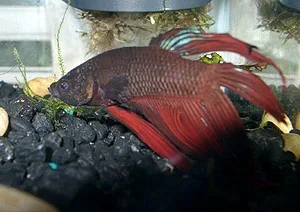
As bettas age, their colors naturally start to fade. You might notice a dullness in the reds, blues, or greens. Some older bettas develop a marble pattern where their colors seem to shift and blend. This is a completely natural part of aging and does not mean your fish is sick.
If you want to keep your betta’s colors vivid, check out how to enhance the color of betta fish with proper diet and tank conditions. However, some color fading is simply a sign of a maturing fish.
Fin Condition and Size
Betta fish fins tell a story about age too. Young bettas have smooth, flowing fins that look almost translucent. The fins are long and elegant, especially in males. As your betta grows older, you might notice the fins becoming shorter or slightly ragged.
Here are some fin-related age clues to watch for:
- Smooth, long fins: Usually indicates a young fish under one year old.
- Slightly shorter fins with minor nipping: Suggests a fish between one and three years old.
- Torn, faded, or thin fins: Often seen in bettas over three years of age.
- Fin regrowth after damage: Younger fish heal and regrow fins faster than older ones.
Keep in mind that fin condition can also be affected by tank mates and water quality. But when combined with other signs, fin appearance gives you a solid clue about how to tell the age of your betta fish.
Body Shape and Size Progression
Betta fish go through noticeable growth in their first year. A newborn betta is tiny, about the size of a grain of rice. By one month, they grow to around one inch. At three months, most bettas reach two to two and a half inches. By six months, they are typically three inches long.
After the first year, growth slows down significantly. A fully grown betta usually measures between three and four inches. If your fish is still growing rapidly, it is likely under one year old. If it has stopped growing and looks slightly rounder, it is probably a mature adult.
Body shape also changes with age. Younger bettas look sleek and streamlined. Older bettas sometimes develop a slightly bulkier body, especially around the belly area. This is normal and just part of the aging process.
Behavioral Signs That Reveal Betta Fish Age
Activity Level and Energy
One of the easiest behavioral clues is how active your betta is. Young betta fish are curious and energetic. They explore every corner of the tank, chase food eagerly, and flare at their own reflection. If your fish does all of this, chances are it is still in its younger years.
As bettas age, they naturally become calmer. An older betta might spend more time resting near plants or decorations. It may not react as strongly to food or movement outside the tank. This decreased activity is not a problem as long as your fish is still eating and swimming occasionally.
If your betta suddenly becomes very lethargic, that could signal illness rather than aging. Use the how to tell if my betta fish is sick guide to rule out health issues before assuming it is just old age.
Bubble Nesting and Flaring Habits
Male bettas build bubble nests as part of their natural behavior, and this habit changes with age. Young, healthy males build frequent and large bubble nests. It is a sign of peak reproductive energy. As they get older, bubble nest building becomes less frequent and sometimes less organized.
Flaring behavior also shifts. Young males flare often, sometimes at nothing at all. Older bettas tend to flare less. They have “seen it all” and are less interested in showing off. If your betta has stopped flaring completely, it might simply be a mature fish that is calm and content.
Feeding Habits and Appetite
Young bettas eat with enthusiasm. They will swarm to the surface the moment food hits the water. Older bettas may take longer to respond to feeding time. Some senior fish prefer food that sinks rather than floats, simply because they move less aggressively.
Adjusting feeding portions by age is important. Younger fish need two to three small feedings a day with high-protein foods like brine shrimp and bloodworms. Older fish do well with one to two feedings a day and can eat pellets as their main diet. Betta fish feeding by age plays a big role in their overall health and longevity.
How to Tell the Gender to Help Estimate Age
Gender and age are closely connected when it comes to betta fish. Males and females develop at different rates, and their physical differences become more obvious as they mature. If you know the gender, you can narrow down the age range more accurately.
For example, male bettas develop long, flowing fins and vibrant colors earlier than females. A male betta under three months will already show impressive fin length. Females tend to have shorter fins and a white egg spot on their underside, which becomes visible around four to six months of age.
Learning how to tell the gender of betta fish is a helpful first step. Once you know whether you have a male or female, you can use gender-specific aging signs to get a better estimate.
| Trait | Young Betta (Under 6 Months) | Adult Betta (6 Months to 2 Years) | Senior Betta (Over 2 Years) |
|---|---|---|---|
| Color Intensity | Very vivid and bright | Slightly faded but still colorful | Noticeably dull or muted |
| Fin Length | Long and flowing | Moderate length, slight wear | Shorter, thinner, or torn |
| Activity Level | High energy and curious | Moderate, regular exploration | Low energy, more resting |
| Body Size | Growing rapidly | Full size reached | Stable, slightly rounder |
| Bubble Nesting | Frequent and large nests | Occasional nesting | Rare or no nesting |
| Appetite | Strong and eager | Steady, consistent eater | Slower to eat, smaller portions |
This table gives you a quick reference guide. No single sign is 100% accurate on its own. But when you combine several clues together, you get a much clearer picture of your betta’s true age.
Common Mistakes People Make When Estimating Betta Fish Age
Relying on Only One Sign
The biggest mistake fish owners make is looking at just one clue. For example, faded color does not always mean old age. Poor water quality, stress, and illness can also cause colors to dull. Always look at the full picture: color, fins, behavior, body shape, and appetite together.
Confusing Illness with Aging
Many age-related changes look similar to symptoms of disease. A betta that stops eating could be old, or it could be sick. A betta with clamped fins might be stressed, not aging. Before you assume your fish is getting older, rule out health problems first. Visit the how to take care of a betta fish guide for tips on maintaining optimal tank conditions.
Ignoring Genetics and Breed
Different betta breeds age differently. Veiltail bettas might show color fading earlier than crowntail varieties. Some breeds naturally have shorter fins, which can be confused with age-related fin shortening. Understanding your betta’s specific breed helps you make more accurate age estimates.
How to Adjust Care Based on Betta Fish Age
Caring for Young Bettas
Young bettas need warm, clean water between 78 and 80 degrees Fahrenheit. Feed them small amounts three times a day with a mix of pellets and live or frozen foods. Keep the tank at least 5 gallons and decorated with soft plants to prevent fin damage during their energetic swimming phase.
Caring for Adult Bettas
Adult bettas do well on a consistent feeding schedule of once or twice a day. Water temperature can be slightly lower, around 76 to 78 degrees. Regular tank maintenance and weekly water changes become even more important to prevent common age-related issues.
Caring for Senior Bettas
Older bettas need a calm environment with gentle water flow. Offer easy-to-eat foods and watch for signs of swim bladder issues. Keep the tank clean and minimize sudden changes. If you notice your betta slowing down, that is perfectly normal. Just make sure they are still comfortable and well-fed.
How to tell the age of your betta fish is really about paying close attention to the small details. Colors fade, fins change, and behavior shifts over time. But with these clues, you can confidently estimate where your betta is in its life journey.
Final Thoughts on Determining Betta Fish Age
Figuring out your betta fish age does not require any special tools or expensive tests. You just need to observe your fish regularly and compare what you see with the signs we have covered. Start with color and fin condition, then look at behavior and body shape. Combine all the clues, and you will have a solid estimate.
Remember that every betta is unique. Some fish age faster, some slower. Genetics, diet, and tank conditions all play a role in how quickly a betta matures. The most important thing is that you are paying attention and providing the best care possible at every stage.
Now that you know how to estimate your betta’s age, you can adjust its care routine accordingly. Your fish will thank you with vibrant colors, healthy fins, and a happy, long life by your side.
Frequently Asked Questions
Can you tell the exact age of a betta fish?
No, you cannot determine the exact age of a betta fish without records from the breeder or pet store. However, you can estimate the age range by observing color intensity, fin condition, body size, and behavior. Using multiple clues together gives you the most accurate estimate possible.
At what age do betta fish start losing their color?
Most bettas begin showing subtle color fading around two to three years of age. Some fish lose vibrancy earlier depending on genetics and tank conditions. Providing a balanced diet and clean water can help slow down color changes as your fish ages.
Do male and female bettas age differently?
Yes, males and females show different aging patterns. Males tend to develop more dramatic fin growth and color earlier, while females show age through body shape changes and egg spot development. Both genders slow down in activity as they reach senior years.
Is my betta fish old if it sleeps a lot?
Not necessarily. Increased sleeping can be a sign of aging, but it can also indicate illness or poor water conditions. Check your water parameters first and look for other age-related signs before concluding that your betta is simply old.
How long do betta fish typically live?
Betta fish typically live between three and five years with proper care. Some well-cared-for bettas have been known to live up to seven years. Nutrition, water quality, and tank environment all play a big role in determining your betta’s lifespan.
Should I change my betta’s diet as it gets older?
Yes, adjusting the diet by age is a smart move. Younger bettas need more protein-rich foods like live brine shrimp and bloodworms. Older bettas do better with high-quality pellets and softer foods. Always feed appropriate portions to avoid overfeeding, which can lead to health problems at any age.