Is Poly Filter Good for Betta Fish Tank
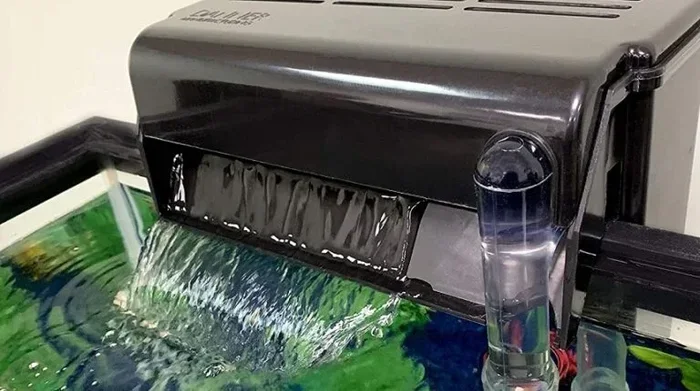
A poly filter can be a helpful addition to a betta fish tank when used correctly. It provides gentle mechanical and chemical filtration that supports clean water without creating strong currents. Many betta owners use poly filter pads to remove debris, excess medications, and impurities from the water.
Keeping a betta fish tank clean and healthy is one of the most important parts of fish ownership. Water quality directly affects your betta’s mood, color, appetite, and lifespan. Many hobbyists wonder whether a poly filter is a good choice for their setup. The short answer is yes, but with some important caveats.
A poly filter is a simple foam pad that attaches to the outlet of your aquarium filter. It traps debris, absorbs chemicals, and helps maintain clear water. But not all filtration is created equal. Bettas are tropical fish that thrive in calm, warm water. Strong currents can stress them out and make them miserable. That is why understanding how a poly filter works matters so much.
In this guide, we will cover everything you need to know about using a poly filter for betta fish tank setups. You will learn how they work, what the benefits are, and when they might not be the best choice. Let us dive in.
Key Takeaways
- Gentle Filtration: Poly filters offer a soft water flow that suits betta fish perfectly.
- Affordability: Poly filter pads are inexpensive and widely available.
- Chemical Support: They can remove medications, tannins, and impurities after treatment.
- Easy Setup: Installing a poly filter is simple and requires no special tools.
- Not a Standalone Solution: Poly filters work best alongside other filtration methods.
- Regular Replacement: Pads need frequent changing to remain effective.
📑 Table of Contents
What Is a Poly Filter?
A poly filter is a rectangular foam pad that slides into the output stream of your aquarium filter. The foam is dense yet flexible. Water passes through it, and the pad catches particles, absorbs dissolved chemicals, and provides a surface for beneficial bacteria to grow.
These filters are often sold as replacement pads or refill cartridges. They come in different densities and sizes. You can cut them to fit almost any filter output. This makes them incredibly versatile for different tank sizes and filter types.
How Does a Poly Filter Work?
A poly filter pad works through three main mechanisms:
- Mechanical Filtration: The foam physically traps debris, uneaten food, and tiny particles as water passes through.
- Chemical Filtration: Poly pads absorb dissolved organic compounds, medications, and impurities from the water.
- Biological Filtration: The porous surface of the foam hosts beneficial bacteria that help break down toxic ammonia and nitrites.
Because it combines all three types of filtration, a poly filter is a versatile tool. However, each type of filtration has its limits. A poly filter alone cannot handle the biological load of a larger tank. It works best as a supplementary filter, not a primary one.
Benefits of Using a Poly Filter for Betta Fish
There are several reasons why betta keepers choose to add a poly filter to their setup. Here are the main advantages:
1. Gentle Water Flow
Bettas are not strong swimmers. They prefer calm water with minimal current. A poly filter pad does not create additional flow on its own. It simply slows down and cleans the water that is already moving through your filter output. This makes it an ideal choice for betta fish care.
If you already have a filter that is a bit too strong, adding a poly pad can help soften the current. It acts like a baffle, reducing the force of the water without blocking it entirely.
2. Affordable and Easy to Find
Poly filter pads are very cheap. You can buy them for just a few dollars at most pet stores or online. They are also available in bulk, which makes them budget-friendly for regular maintenance.
Unlike some specialized filter media, poly pads are easy to find. You do not need to order rare or expensive products. This accessibility makes them a popular choice for both beginners and experienced hobbyists.
3. Medication Removal After Treatment
If you ever need to treat your betta for illness, you will likely use medications in the tank. After the treatment is complete, residual chemicals can remain in the water. A poly filter absorbs these leftover medications effectively.
This is one of the most practical uses of a poly pad. It helps you return the tank to safe water conditions quickly after a treatment cycle. Just remember to replace the pad once it has absorbed the medication, so it does not leach chemicals back into the water later.
4. Improved Water Clarity
Poly filters are excellent at removing fine particles that make water look cloudy or hazy. They catch debris that your main filter might miss. This keeps the tank looking clean and makes it easier to spot any issues with your betta’s health.
Clear water also reduces stress for your fish. Bettas feel more comfortable in environments where they can see clearly and where the water looks natural.
5. Supports Beneficial Bacteria
The porous surface of a poly filter pad provides a home for beneficial bacteria. These microorganisms are essential for the nitrogen cycle. They convert harmful ammonia into less toxic nitrites, and then into relatively safe nitrates.
More surface area for bacteria means a healthier biological filter. This is especially useful in smaller tanks where the biological load can build up quickly.
When a Poly Filter Might Not Be Enough
While a poly filter has many benefits, it is not a complete filtration solution on its own. Here are some situations where you might need additional filtration:
Larger Tanks
If your tank is larger than 10 gallons, a poly filter alone will not provide sufficient filtration. The biological load increases with tank size, and a small foam pad cannot process enough water to keep it safe. In these cases, you should pair the poly pad with a proper hang-on-back filter or sponge filter.
For tanks under 5 gallons, a poly filter might be more feasible as a secondary method. But even then, a reliable primary filter is recommended. You can learn more about what is the best tank size for a betta fish to make sure your setup is appropriate.
Heavy Waste Production
If you have a heavily planted tank or keep other creatures with your betta, waste production increases. A poly filter cannot handle high levels of debris or ammonia spikes on its own. You need a filter with adequate flow and media capacity for these situations.
Tanks Without a Primary Filter
Some betta owners wonder if they can skip a real filter entirely and just use a poly pad. The answer is no. A poly filter is not designed to replace a proper aquarium filter. It works best as an add-on to an existing filtration system. Without a primary filter, your water quality will suffer over time.
If you are unsure about filter options, check out our guide on a good filter for betta fish to find the right setup for your aquarium.
How to Set Up a Poly Filter for Your Betta Tank
Setting up a poly filter is straightforward. Here is a step-by-step guide to get it right:
- Choose the Right Size Pad: Measure the width of your filter output. Cut the poly pad to match or slightly overlap the outlet.
- Rinse the Pad: Before placing it in the filter, rinse the pad in dechlorinated water. This removes any dust or debris from manufacturing.
- Insert the Pad: Slide the cut poly pad into the filter basket or attach it to the filter output using the included clip.
- Turn On the Filter: Power on your filter and check that water flows through the poly pad evenly. Adjust the pad position if needed.
- Monitor the Flow: Watch your betta’s behavior. If it seems stressed by the current, add more poly padding or adjust the filter output direction.
It is that simple. Within minutes, your poly filter will be active and working to improve your water quality.
How Often Should You Replace the Pad?
A poly filter pad should be replaced every two to four weeks. Over time, the pad becomes saturated with trapped debris and absorbed chemicals. When this happens, it stops working effectively and can even release trapped pollutants back into the water.
Do not wash and reuse a poly pad indefinitely. While you can rinse it gently between replacements, the material degrades over time. Fresh pads ensure optimal filtration performance.
Poly Filter vs. Sponge Filter for Bettas
Many betta owners compare poly filters with sponge filters. Both have their place in a betta fish tank. Here is a quick comparison:
| Feature | Poly Filter | Sponge Filter |
|---|---|---|
| Filtration Type | Mechanical, Chemical, Biological | Mechanical, Biological |
| Water Flow | Gentle, depends on main filter | Gentle, air-driven |
| Cost | Very low | Low to moderate |
| Setup Complexity | Very simple | Simple |
| Best For | Supplementing existing filters | Primary filtration in small tanks |
| Maintenance | Replace pad every 2-4 weeks | Squeeze and rinse monthly |
Both options provide gentle flow that suits bettas well. A sponge filter can serve as your primary filter, while a poly filter works best as a supplement. Many experienced hobbyists use both together for maximum water quality.
Common Mistakes to Avoid
Even though a poly filter is simple to use, there are some common mistakes that betta keepers make:
- Using a dirty pad: A clogged or saturated poly pad can release trapped toxins back into the water. Always replace pads on schedule.
- Relying on poly alone: A poly filter is not a complete filtration system. It needs a working primary filter to circulate and process water effectively.
- Using tap water to rinse: Chlorine in tap water kills beneficial bacteria on the pad. Always use dechlorinated or tank water when rinsing.
- Blocking flow entirely: Do not pack the poly pad too tightly. It needs water to flow through it. Blocking the filter output completely can cause overheating and pump damage.
- Ignoring water changes: A poly filter helps maintain water quality, but it does not replace regular water changes. Weekly partial water changes are essential for any betta tank.
Expert Tips for Maximizing Your Poly Filter
Here are some pro tips to get the most out of your poly filter:
- Keep spare pads on hand. Having extra pads ready means you never have to go without filtration during a replacement.
- Use poly pads after medication. Always swap in a fresh poly pad after treating your tank with fish medications. This removes residual chemicals effectively.
- Pair with good substrate maintenance. Vacuum the gravel regularly to reduce the debris your poly filter needs to handle.
- Monitor your water parameters. Even with a poly filter, test your water weekly for ammonia, nitrite, and nitrate levels.
- Consider your water source. If you use tap water, a poly pad can help remove chlorine and chloramine after water conditioning. For more information on water quality, read about what kind of water is best for betta fish.
The key is to think of a poly filter as a helpful helper, not a primary solution. When used correctly alongside proper filtration and regular maintenance, it can make a real difference in your tank’s water quality.
Final Thoughts
A poly filter is a simple, affordable, and effective tool for any betta fish tank. It provides gentle mechanical and chemical filtration that supports clean, clear water without creating stressful currents. For bettas, this makes it an excellent supplementary option.
However, a poly filter works best when paired with a proper primary filter. It is not designed to replace a full filtration system. Think of it as an enhancement that boosts your existing setup and helps you maintain the best possible water quality for your betta.
Whether you are a beginner or a seasoned hobbyist, adding a poly filter pad to your routine is a small change that can yield big results. Your betta will thank you with vibrant colors, a healthy appetite, and active, happy behavior.
Keep your tank clean, your water parameters stable, and your filtration running smoothly. Your betta fish will thrive in a well-maintained environment, and that is what every fish owner wants.
Frequently Asked Questions
Can a poly filter replace a regular aquarium filter for bettas?
No, a poly filter cannot replace a regular aquarium filter. It is designed to work as a supplement to your existing filtration system. A primary filter is still needed to circulate and process the water in your tank effectively.
How often should I change my poly filter pad?
Replace your poly filter pad every two to four weeks. The pad accumulates debris and absorbed chemicals over time, and replacing it regularly ensures your water stays clean and safe for your betta.
Is a poly filter safe for betta fry?
Yes, a poly filter is safe for betta fry. The gentle flow it provides is ideal for small and delicate fry. Just make sure the pad is not so dense that it creates any suction that could harm tiny fish.
Can I reuse a poly filter pad after rinsing it?
You can rinse a poly pad between replacements, but do not reuse it indefinitely. The material breaks down over time and loses its filtering ability. Always have fresh pads ready for regular swaps.
Will a poly filter remove ammonia from my betta tank?
A poly filter pad supports the growth of beneficial bacteria that process ammonia, but it does not directly remove ammonia on its own. Regular water changes and proper cycling remain essential for controlling ammonia levels.
Can a poly filter be too strong for a betta fish?
A poly filter pad itself does not create strong flow. However, if your main filter is too powerful, the poly pad can help soften the current. If you are concerned about flow strength, learn more about can a filter be too strong for a betta fish to find the right balance for your setup.