Can Betta Fish and Little Shrimp Live Together
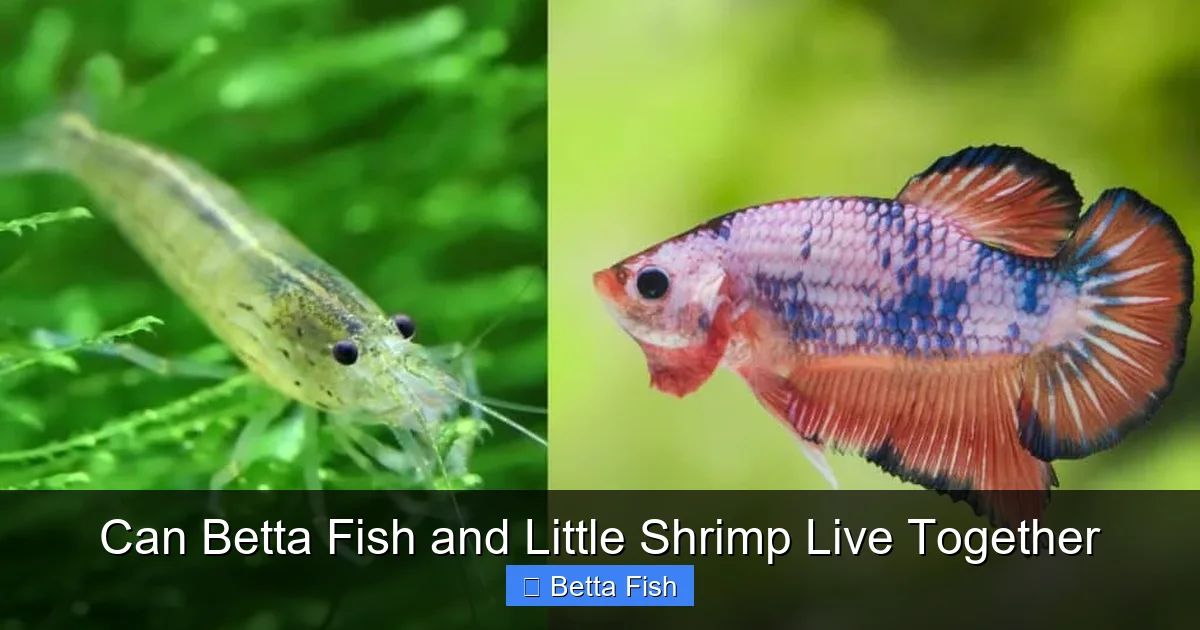
Betta fish can sometimes coexist with small shrimp, but success depends on the betta’s temperament, shrimp size, and tank conditions. Providing plenty of hiding places, a well‑planted environment, and choosing peaceful shrimp species greatly improve the odds of a harmonious community.
Key Takeaways
- Temperament matters: Not all bettas are aggressive; observe your fish before adding shrimp.
- Size and species: Larger, faster‑growing shrimp (e.g., Amano, Ghost) are less likely to be eaten.
- Tank setup is crucial: Dense plants, caves, and driftwood give shrimp safe refuge.
- Water parameters: Keep temperature, pH, and hardness within ranges comfortable for both betta and shrimp.
- Feeding strategy: Separate feeding times reduce competition and keep shrimp well‑fed.
- Monitoring: Watch daily for signs of stress; be ready to separate if aggression occurs.
- Alternative companions: If shrimp aren’t a fit, consider snails or peaceful bottom‑dwelling fish.
📑 Table of Contents
- Introduction: A Betta’s World Meets Tiny Shrimp
- 1. Understanding Betta Behavior
- 2. Choosing the Right Shrimp Species
- 3. Setting Up a Shrimp‑Friendly Betta Tank
- 4. Introducing Shrimp to a Betta Tank
- 5. Common Challenges and How to Solve Them
- 6. Alternatives: When Shrimp Aren’t the Best Fit
- Conclusion: Making an Informed Decision
Introduction: A Betta’s World Meets Tiny Shrimp
Betta fish, often called Siamese fighting fish, are famous for their bright colors and dramatic fins. Many hobbyists wonder if these charismatic swimmers can share a home with the delicate, speck‑like shrimp that scuttle across the substrate. The answer isn’t a simple “yes” or “no.” It depends on the betta’s personality, the shrimp species, and how you design the aquarium.
In this guide we’ll walk through everything you need to know to give both betta and shrimp the best chance at a peaceful coexistence. From choosing the right shrimp, setting up a shrimp‑friendly tank, to daily care tips, you’ll finish reading with a clear plan for a thriving mixed community.
1. Understanding Betta Behavior
1.1 Natural instincts
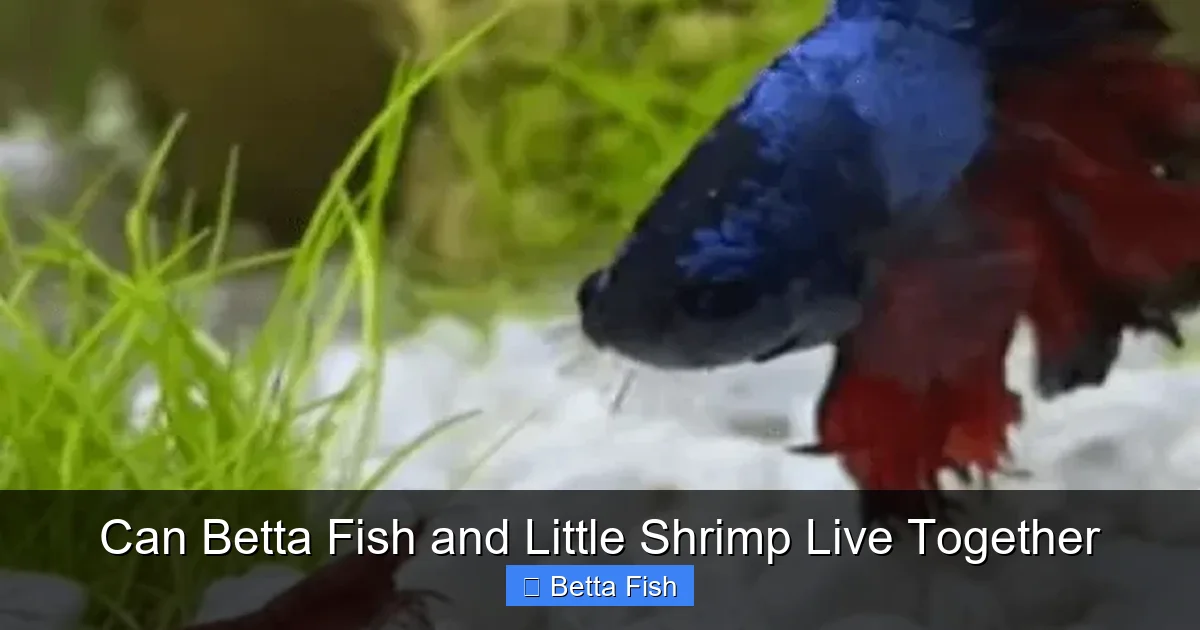
Betta fish are native to shallow, warm waters of Thailand, Malaysia, and Cambodia. In the wild they defend small territories and are opportunistic predators, feeding on insects and tiny crustaceans. This predatory instinct can translate into a tendency to chase or even eat small invertebrates in a home aquarium.
Visual guide about Can Betta Fish and Little Shrimp Live Together
Image source: japanesefightingfish.org
1.2 Individual temperament
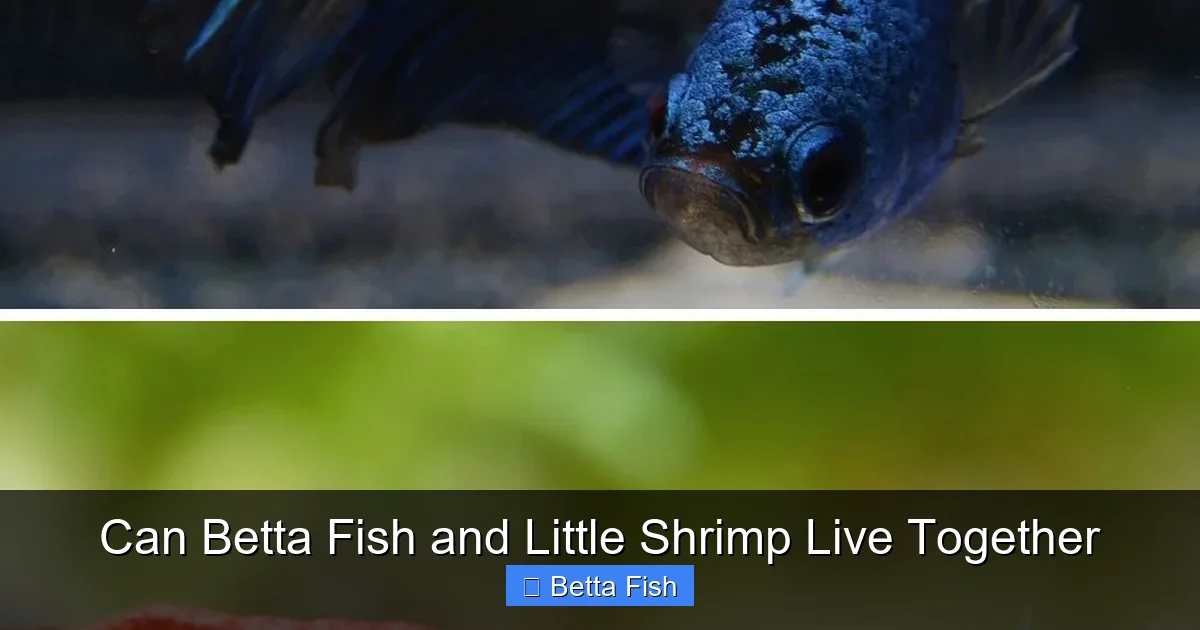
Not every betta behaves the same way. Some are laid‑back and will ignore a slow‑moving shrimp, while others are ultra‑aggressive and will nip at any movement. The best way to gauge temperament is to observe your fish for a week before introducing new tank mates. Look for signs such as flaring fins, rapid darting, or constant hovering near the surface.
1.3 Gender differences
Male bettas are generally more territorial than females, especially when it comes to space and decor. However, a calm male can still coexist with shrimp if the environment is right. For more on betta gender dynamics, see our article on Can A Male And Female Betta Fish Live Together.
2. Choosing the Right Shrimp Species
2.1 Size matters
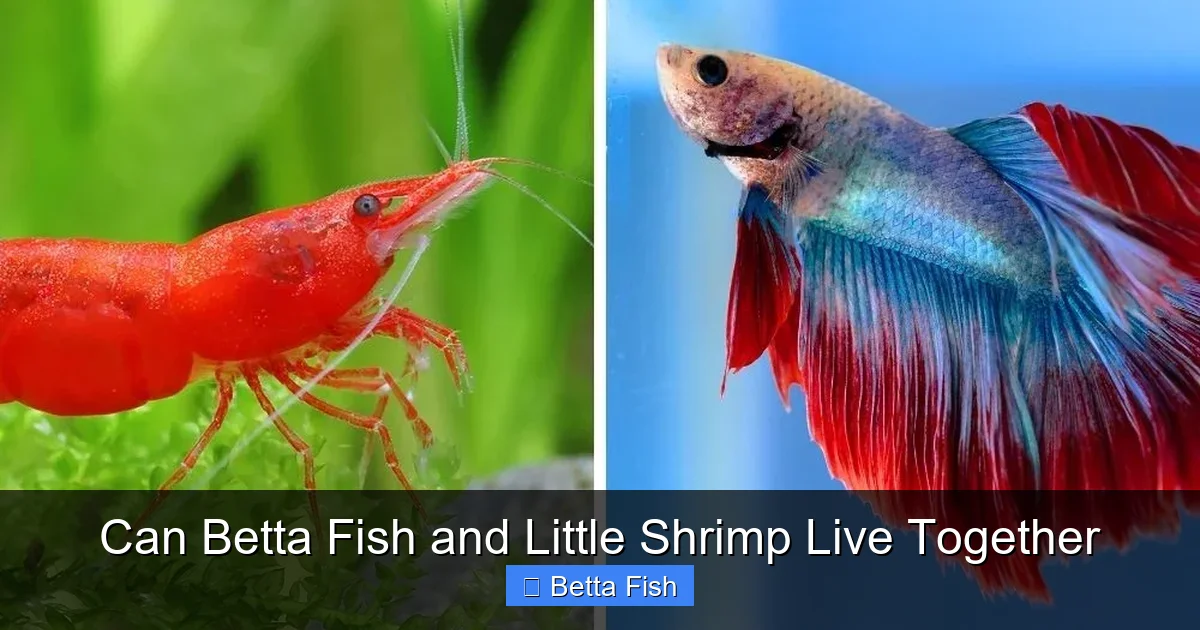
Betta mouths can easily swallow shrimp that are smaller than the fish’s head. Aim for shrimp that grow to at least 1.5–2 cm (about 0.6–0.8 in). Larger shrimp are quicker to hide and harder for the betta to swallow.
Visual guide about Can Betta Fish and Little Shrimp Live Together
Image source: theshrimpfarm.com
2.2 Popular beginner‑friendly shrimp
- Cherry shrimp (Neocaridina davidi): Small, colorful, and hardy. They reproduce quickly, providing a constant supply of “new” shrimp that are less likely to be targeted.
- Ghost shrimp (Palaemonetes sp.): Transparent bodies make them harder for a betta to spot, and they grow to about 2 cm.
- Amano shrimp (Caridina multidentata): Larger (up to 3 cm) and excellent algae eaters. Their size and active swimming make them less appealing as prey.
2.3 Species to avoid
Very tiny shrimp such as “Crystal Red” or “Bamboo” varieties are often too small and will be seen as easy food. Likewise, aggressive or highly active shrimp may stress the betta.
3. Setting Up a Shrimp‑Friendly Betta Tank
3.1 Tank size and shape
A minimum of 10 gallons (38 L) is recommended. Larger volumes dilute aggression and give shrimp more places to hide. A long, horizontal tank works better than a tall one because it provides more floor space for plants and décor.
Visual guide about Can Betta Fish and Little Shrimp Live Together
Image source: theshrimpfarm.com
3.2 Hiding places and décor
Dense planting is the single most important factor. Live plants such as Java moss, Anubias, and floating duckweed create a “shrubbery” where shrimp can graze and hide. Add ceramic caves, driftwood tunnels, and small PVC pipes for extra refuge.
3.3 Substrate choices
Fine‑grained sand or a dark, nutrient‑rich substrate encourages bio‑film growth, which shrimp love to graze. Avoid sharp gravel that could injure delicate shrimp antennae.
3.4 Water parameters
- Temperature: 76–80 °F (24–27 °C) – comfortable for most bettas and many shrimp species.
- pH: 6.5–7.5 – slightly acidic to neutral works well.
- Hardness: 4–12 dGH – shrimp need some calcium for their exoskeletons.
Regular water changes (20–30 % weekly) keep nitrate levels low, which benefits both betta and shrimp.
4. Introducing Shrimp to a Betta Tank
4.1 Acclimation process
Use the drip‑acclimation method to slowly equalize temperature and water chemistry. This reduces stress for both the shrimp and the betta.
4.2 First 24‑hour observation
Keep a close eye on the betta’s reaction. If the fish flares or chases the shrimp, be ready to move the shrimp to a separate breeding box or a temporary “safety tank.”
4.3 Feeding together
Feed sinking shrimp pellets or blanched vegetables (zucchini, spinach) that sink to the bottom, ensuring shrimp can eat without competing with the betta’s surface feeders. Feed the betta its regular protein‑rich diet at a different time.
5. Common Challenges and How to Solve Them
5.1 Betta aggression spikes
If the betta suddenly becomes territorial (often after a molt or during breeding displays), provide extra hiding spots and consider a temporary divider.
5.2 Shrimp molting vulnerability
During molting, shrimp are soft and easy prey. Increase cover and reduce water flow for a few hours after a molting event.
5.3 Water quality issues
Both betta and shrimp are sensitive to ammonia spikes. Use a reliable test kit and keep the filter clean. If you notice shrimp turning white or dying, test for nitrite and ammonia immediately.
5.4 Overpopulation of shrimp
Cherry shrimp reproduce quickly. Overcrowding can lead to poor water quality and increased stress for the betta. Perform regular population control by removing excess juveniles or setting up a separate breeding tank.
6. Alternatives: When Shrimp Aren’t the Best Fit
If you’ve tried the steps above and still see constant aggression, consider other peaceful tank mates that are less likely to be seen as food.
- Snails: Nerite or ramshorn snails are great algae eaters and have hard shells that bettas can’t swallow. Read more in our guide Can Snails And Betta Fish Live Together.
- Bottom‑dwelling fish: Small, armored species like the Corydoras catfish can coexist, though they need more space.
- Plants only: A beautifully planted “betta‑only” tank can still be a thriving ecosystem without additional animal companions.
Conclusion: Making an Informed Decision
Betta fish and little shrimp can share a tank, but success is not guaranteed. The key factors are a calm betta, a shrimp species large enough to avoid being swallowed, and a densely planted aquarium that offers plenty of refuge. By following the setup tips, monitoring behavior, and being ready to adjust if aggression appears, you create a vibrant, low‑maintenance community that showcases the best of both worlds.
Remember, every aquarium is a unique micro‑ecosystem. Take the time to observe, experiment, and enjoy the process. Whether you end up with a peaceful betta‑shrimp duo or decide to pair your betta with snails instead, the knowledge you gain will make you a better fish keeper.
Frequently Asked Questions
Can betta fish eat shrimp?
Yes, especially if the shrimp are small. Larger shrimp or fast‑moving species are less likely to be targeted, but a particularly aggressive betta may still try to nip at them.
What shrimp species are safest with bettas?
Amano shrimp, Ghost shrimp, and larger Cherry shrimp are the most reliable choices because of their size and quick swimming ability.
Do I need a larger tank for betta and shrimp together?
A minimum of 10 gallons is recommended. Bigger tanks dilute aggression and give shrimp more hiding places.
How can I tell if my betta is being aggressive toward shrimp?
Watch for flaring fins, rapid darting toward the shrimp, or the betta repeatedly following the shrimp around the tank.
Can I keep multiple shrimp in the same tank as one betta?
Yes, a small colony (5–10 shrimp) works well if the tank is well‑planted and the betta shows a calm demeanor.
What should I do if my betta attacks the shrimp?
Provide extra cover, consider a tank divider, or move the shrimp to a separate breeding box until the betta’s aggression subsides.