How Can You Tell If Betta Fish Wants to Mate
Figuring out if your betta fish wants to mate is easier than most people think. You can spot clear signs like bubble nests, flaring, and chasing behavior that show your betta is ready to breed. This guide walks you through every mating signal so you can tell if your betta fish is in breeding mode.
Watching your betta fish can be fascinating, especially when they start showing signs of mating behavior. If you have ever wondered how can you tell if betta fish wants to mate, you are not alone. Many betta owners miss the subtle clues that their fish are ready to breed. Understanding these signs helps you create the right conditions and even prepare for spawning.
Betta fish, also known as Siamese fighting fish, have a unique courtship process. Unlike many other fish, male bettas build bubble nests, flare their fins, and actively pursue females. Females, on the other hand, show their readiness through physical changes and specific behaviors. Learning to read these signals takes a little patience, but it is very rewarding.
This guide breaks down every sign of mating behavior in betta fish. You will learn what to look for in both males and females, how to set up the right environment, and what to do when mating actually happens. Whether you are a beginner or a seasoned fish keeper, this article has practical advice you can use right away.
Key Takeaways
- Bubble nests are the #1 sign: Males build bubble nests when they are ready to mate and feel safe in their environment.
- Flaring and chasing behavior: Male bettas flare their fins and chase females during courtship, which is a strong mating signal.
- Physical changes matter: Both male and female bettas show visible changes like white egg spots and a thicker body when ready to breed.
- Knowing the gender helps: Being able to tell a female betta fish from a male is essential for successful mating observations.
- Water temperature plays a role: Warmer water often triggers mating behavior in betta fish.
- Happiness leads to breeding: A happy, well-cared-for betta is far more likely to show mating behaviors than a stressed fish.
📑 Table of Contents
Understanding Betta Fish Mating Behavior
Betta fish have a fascinating mating process that starts with courtship. Before any actual mating happens, the male and female go through several stages of interaction. Each stage gives you clear clues about their readiness.
The entire process usually begins when the water temperature rises slightly. Warmer water mimics the rainy season in their natural habitat, which signals to bettas that it is time to breed. This is one of the reasons how can you tell if betta fish wants to mate is so closely tied to environmental factors.
The Role of the Male Betta in Courtship
The male betta takes the lead in the mating process. He builds a bubble nest at the surface of the water, which is one of the most obvious signs that he is ready to mate. This nest is made of tiny bubbles coated with saliva, and it serves as a safe place for eggs once they are released.
When a male is ready to mate, he becomes more colorful and active. He will flare his gills and fins to impress the female. Some males even build multiple bubble nests before choosing the best one. This behavior shows that the male betta is in prime breeding condition.
The Role of the Female Betta in Courtship
Females also play an important role in the mating process. A female who is ready to mate will develop white spots on her body, often called egg spots. These spots are a clear physical sign that her body is preparing to release eggs.
Females may also show vertical stripes on their bodies, which is a signal called “breeding bars.” These bars are darker lines that run along the sides of the fish. When you see these bars along with a fuller, rounder body shape, the female is likely ready to mate.
If you are unsure about the gender of your fish, learning how to tell a female betta fish from a male is a great first step. Knowing the differences helps you identify whether your fish is showing mating behavior or just regular activity.
Top Signs Your Betta Fish Wants to Mate
Now that you understand the basics, let us look at the most common signs that your betta fish is ready to mate. These signals are easy to spot once you know what to watch for.
1. Bubble Nest Building
The bubble nest is the single most reliable sign that a male betta wants to mate. Male bettas build these nests at the surface of the water using tiny bubbles stuck together with saliva. A healthy bubble nest can be several inches wide and looks like a cluster of foam.
Not all bubble nests mean your fish wants to mate right now. Sometimes, males build them just because they feel safe and comfortable. However, if you notice a male building a bubble nest while a female is present, that is a very strong mating signal.
2. Flaring and Fin Display
Flaring is when a betta spreads its fins wide to look bigger and more impressive. Males flare at females during courtship as a way to show off their colors and strength. If your male betta is flaring at a female fish frequently, he is likely trying to impress her for mating.
You might also notice the male flaring at his own reflection. This can be confusing because it looks like mating behavior, but it is really just territorial. The key difference is context. If a female is in the same tank or nearby, flaring is a courtship behavior.
3. Chasing and Nipping Behavior
Male bettas chase female bettas during the mating process. This might look aggressive, but it is actually a normal part of courtship. The male chases the female to encourage her to release eggs.
Some gentle nipping at the female’s fins is also normal during this stage. However, you should watch closely. If the male becomes too aggressive and starts hurting the female, you need to separate them. A how can you tell if betta fish is sick article can also help you distinguish between normal mating behavior and signs of stress or illness.
4. Physical Changes in Females
Female bettas show several physical changes when they are ready to mate. The most notable is the appearance of white egg spots on the underside of their body. These small white dots indicate that the female’s ovaries are active and ready to release eggs.
The female’s body will also become thicker and more rounded. You might notice her coloring becomes slightly duller. Some females develop horizontal stripes known as breeding bars. All of these changes are clear indicators that she is ready to participate in the mating process.
5. Increased Appetite and Activity
Both male and female bettas often eat more and become more active when they are in breeding condition. This increase in energy is part of their natural preparation for mating. If your betta suddenly seems more lively and hungry, mating behavior could be the reason.
Feeding high-quality food during this time can help support the breeding process. Many breeders recommend offering live or frozen foods like brine shrimp and bloodworms to condition the fish for mating.
How to Set Up the Right Environment for Mating
If you want to encourage your betta fish to mate, the tank environment matters a lot. Creating the right conditions can make the difference between a fish that is ready to breed and one that is not.
Water Temperature and Conditions
Betta fish are tropical fish that need warm water to thrive. For breeding, the water temperature should be between 78 and 82 degrees Fahrenheit. This warmth simulates the conditions that trigger mating behavior in their natural habitat.
Make sure the water is clean and free from chlorine. Use a gentle filter or sponge filter to keep the water moving without creating too much current. Betta fish prefer calm water, especially during the mating process.
Tank Setup for Breeding
A separate breeding tank works best for mating bettas. Use a tank that is at least 10 gallons with a lid to keep humidity high. The male builds his bubble nest near the surface, so a low water level of about 5 to 6 inches is ideal.
Add some floating plants or a piece of styrofoam for the male to attach his bubble nest to. Keep the tank dimly lit, as bright lights can stress the fish and interfere with courtship. A calm, comfortable environment encourages natural mating behavior.
Introducing the Male and Female
Never put a male and female together in the same tank permanently. Only introduce them for short courtship periods. Place them in separate containers within the same tank or use a breeding tank with a divider first.
Watch their interactions closely. If the male flairs at the female and she shows breeding bars, you can remove the divider. If either fish shows signs of extreme stress, separate them immediately. The goal is to create a safe space where mating can happen naturally.
What Happens During Betta Fish Mating
Once both the male and female are ready, the actual mating process begins. Understanding what happens during spawning helps you know what to expect and how to support your fish.
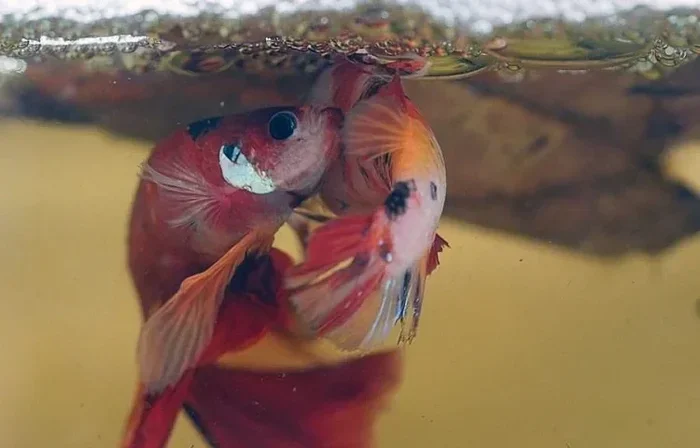
The male wraps his body around the female in a behavior called the “spawning embrace.” During this embrace, the female releases eggs and the male fertilizes them externally. The male then collects the eggs and places them in the bubble nest.
This process can happen several times over a few hours. The female may release anywhere from 100 to 500 eggs during a single mating session. After spawning is complete, it is important to remove the female from the tank, as the male may become aggressive toward her.
The male will take care of the eggs and fry on his own. He will keep the bubble nest intact and retrieve any eggs that fall. This is a remarkable display of parental care in the fish world.
Common Mistakes to Avoid When Breeding Bettas
Breeding betta fish can be exciting, but there are some common mistakes that many beginners make. Avoiding these errors will help you have a better experience and keep your fish safe.
- Skipping the conditioning phase: Both male and female bettas need to be well-fed and healthy before mating. Poorly conditioned fish may not breed successfully.
- Using too small a tank: A cramped breeding tank causes stress and can prevent mating. Always use at least a 10-gallon tank for breeding purposes.
- Leaving the female in too long: After spawning, the female should be removed promptly. The male can become territorial and may harm her.
- Ignoring water quality: Dirty water with high ammonia or nitrite levels will suppress mating behavior. Regular water changes are essential during the breeding process.
- Not watching for aggression: Some males are too aggressive even during courtship. If you notice fin tearing or injuries, separate the fish immediately.
When Should You Not Try to Breed Your Betta Fish?
Breeding betta fish is not always the right choice. There are times when it is better to avoid attempting to mate your fish altogether.
If your betta fish is sick or showing signs of illness, do not try to breed it. A fish that is fighting disease needs rest and proper treatment, not the stress of mating. If you are unsure about your fish’s health, check out a guide on how can you tell if your betta fish is sick to assess its condition first.
Young bettas under 4 to 6 months of age should not be bred. They are still growing and their bodies are not fully developed. Breeding too early can cause health problems for both the male and female.
Also, avoid breeding if you do not have a plan for the fry. Baby bettas need special care, and finding good homes for them can be challenging. Responsible breeding means being prepared for all the outcomes.
Key Takeaways
- Bubble nest building is the clearest sign: A male building a bubble nest means he is ready to mate and feels safe in his environment.
- Flaring, chasing, and fin displays show courtship: These behaviors indicate that the male is trying to impress a female for breeding.
- Physical changes in females are key indicators: Egg spots, breeding bars, and a rounder body mean the female is ready to mate.
- Setting up the right environment matters: Warm water, a calm tank, and proper conditions encourage natural mating behavior.
- Knowing gender helps you read the signs: Being able to tell a female betta fish from a male makes it much easier to spot mating behavior.
- Remove the female after spawning: The male may become aggressive, so always separate them once eggs are released.
Conclusion
Understanding how can you tell if betta fish wants to mate is a rewarding skill for any betta fish owner. From bubble nests and flaring to physical changes in females, the signs are clear once you know what to look for. By paying attention to your fish’s behavior and environment, you can support them through the natural breeding process.
Remember that every betta fish is different. Some may show strong mating behaviors, while others may take more time. Patience and proper care go a long way. Keep the water clean, the temperature warm, and the tank stress-free, and your bettas will be more likely to show their natural breeding instincts.
Whether you are breeding bettas as a hobby or simply want to understand your fish better, recognizing mating behavior is an important part of fish keeping. Start with these tips, observe your fish closely, and enjoy the fascinating world of betta courtship.
Frequently Asked Questions
How long does the betta fish mating process take?
The entire mating process from courtship to spawning usually takes a few hours to a couple of days. The male builds a bubble nest first, then courts the female. Once the female is ready, the actual spawning embrace can happen several times over a few hours. After spawning, the male takes care of the eggs in the bubble nest.
Can you breed betta fish in a community tank?
It is not recommended to breed bettas in a community tank. Other fish may harass the female or eat the eggs and fry. A separate breeding tank gives the male and female the privacy and safety they need to mate successfully. Always use a dedicated breeding setup for the best results.
How do you know if a betta fish is too old to mate?
Betta fish are typically ready to breed between 4 and 12 months of age. Fish older than 2 years may have reduced fertility. If your betta shows no interest in mating behavior despite proper conditions, age could be a factor. You can also check how to tell the age of a betta fish to get a better idea of their breeding window.
What should I feed betta fish during the breeding period?
Feed high-quality foods like live brine shrimp, bloodworms, and daphnia during the breeding period. These foods provide the protein and nutrients needed for healthy egg production and strong mating behavior. Feed small amounts 2 to 3 times a day to keep the fish in top condition without overfeeding.
Why is my male betta building a bubble nest but there is no female?
Male bettas sometimes build bubble nests even without a female present. This usually means the male feels safe and comfortable in his environment. It can also be triggered by warm water and good water conditions. While it is a sign of a happy, healthy male, it does not always mean he is actively ready to mate.
Is it normal for the female betta to look dull after mating?
Yes, it is normal for a female to appear slightly duller after mating. The stress of spawning and the release of eggs can temporarily affect her coloring. As long as she eats normally and shows no signs of illness, her color should return within a few days. If she appears lethargic or stops eating, check for signs of sickness using a guide on how can you tell if your betta fish is dying.