How to Tell If Your Female Betta Fish Is Happy

Knowing how to tell if your female betta fish is happy helps you keep her healthy and thriving. Happy bettas show bright colors, active swimming, and a good appetite. You will learn the top signs, common mistakes, and simple tips to boost her mood every day.
Have you ever wondered if your female betta fish is truly happy? It is not always easy to tell. Fish cannot smile or wag their tails like a dog. But they do show clear signs of joy and comfort. When you know what to look for, you can tell a lot about how your betta feels inside her tank.
How to tell if your female betta fish is happy comes down to watching her behavior, colors, eating habits, and overall energy. A happy betta fish is a healthy betta fish. She will be bright, active, and curious about her world. In this guide, we will walk you through every sign you need to watch for.
Whether you just got your first female betta or you have had her for years, this article will help you understand her better. We will cover the top happiness signs, what makes bettas unhappy, and simple steps you can take today. Let us dive right in and make sure your fish is living her best life.
Key Takeaways
- Bright, vibrant colors: A happy female betta displays rich, vivid hues as a sign of wellness.
- Active swimming patterns: She explores the tank and moves with energy and curiosity.
- Healthy appetite: A happy betta eats eagerly and finishes her food on time.
- Fin position matters: Relaxed, open fins show comfort, while clamped fins signal stress.
- Bubble nests and flaring: These natural behaviors indicate a content and confident fish.
- Tank environment is key: Proper heating, cleaning, and decoration directly impact happiness.
- Regular observation: Watching your betta daily helps you catch problems early.
📑 Table of Contents
- Why Knowing If Your Female Betta Is Happy Matters
- Top Signs Your Female Betta Fish Is Happy
- What Makes a Female Betta Fish Unhappy
- How to Keep Your Female Betta Happy Every Day
- Quick Comparison: Happy vs. Unhappy Betta Fish
- Common Mistakes Betta Owners Make
- Expert Insight: The Bond Between You and Your Betta
- Final Thoughts on Female Betta Happiness
Why Knowing If Your Female Betta Is Happy Matters
A happy betta fish lives longer and stays healthier. When a betta feels stressed or sad, her immune system weakens. This makes her more likely to get sick. On the other hand, a content and joyful betta will thrive in her tank. She will show off her beautiful colors and playful personality.
Understanding your betta fish behavior is the first step toward better care. Many owners do not realize that small changes in their tank can affect how their fish feels. Things like water temperature, tank size, and even the food you serve all play a big role. When you pay attention, you will start to notice patterns in how your betta acts each day.
Learning to read your fish is like building a friendship. The more you observe her, the better you will understand her needs. This guide will give you the tools to do exactly that. You will feel more confident as a betta owner, and your fish will reward you with vibrant health and energy.
Top Signs Your Female Betta Fish Is Happy
1. Vibrant, Bright Colors
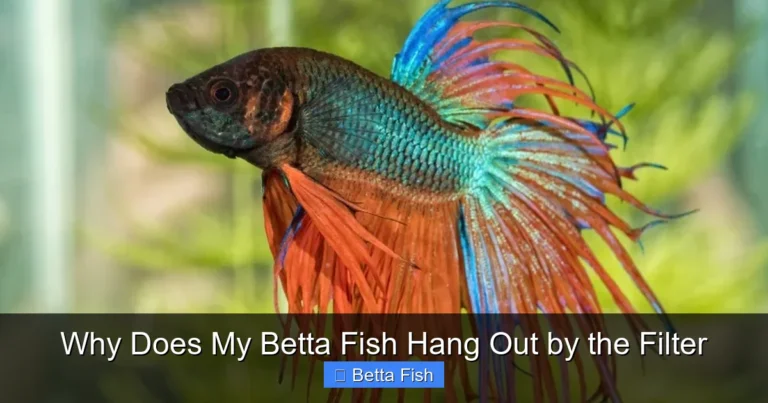
One of the easiest ways to know your female betta fish is happy is by her colors. A healthy, joyful betta will have rich, deep hues. Her reds will be bold, her blues will be bright, and her fins will look almost translucent. When a betta is stressed, her colors fade. They look dull, pale, or washed out.
Think of it like this. When you feel good, your skin glows. When you are tired or sick, it looks tired too. Bettas work the same way. Their body color is a direct reflection of how they feel inside. If your betta is showing off her true colors, that is a great sign.
2. Active and Curious Swimming
A happy female betta loves to explore. She will swim around the whole tank, check out her decorations, and investigate new things. You might see her darting back and forth or gently floating near the surface. This kind of movement shows she feels safe and curious about her environment.
On the flip side, a betta that hides all the time or sits at the bottom of the tank may not be feeling well. Some resting is normal. Bettas do sleep. But if she is barely moving for long periods, it is worth paying closer attention. Watch for a healthy balance of rest and activity throughout the day.
3. Healthy Appetite and Eating Enthusiasm
Food is a big deal for bettas. A happy betta fish will get excited at mealtime. She will swim up to the surface quickly and eat with energy. A good appetite is one of the strongest signs of overall wellness. If your betta finishes her food right away and looks eager for more, that is a wonderful thing.
However, if she refuses food or only picks at it, something may be wrong. Loss of appetite can signal stress, illness, or poor water conditions. Try not to panic right away. Look at the bigger picture. Check her other behaviors too. A single missed meal is not always a concern, but repeated refusal is worth investigating.
4. Relaxed Fin Position
Pay close attention to your betta’s fins. When a female betta fish is happy and comfortable, her fins will be open and flowing. They will spread out gracefully as she swims. This shows she feels relaxed and secure in her space.
But when a betta is stressed or sick, her fins will clamp close to her body. This is called “fin clamping.” It is one of the most common signs of discomfort. If you notice your betta keeping her fins tight and folded, check the water quality and temperature. She may need a water change or a adjustment to her tank setup.
5. Bubble Nest Building
Here is a fun one. Female bettas sometimes build bubble nests. These are little clusters of bubbles on the surface of the water. While male bettas are more famous for this behavior, females can do it too. A bubble nest shows that your betta feels safe and content in her environment.
Not all female bettas build bubble nests, and that is okay too. Some are more laid-back by nature. But if you do spot one, it is a sign that she is feeling good. It means the water conditions are right and she is comfortable enough to build something in her home.
6. Flaring With Confidence
You might see your betta flare her fins now and then. This is when she spreads her gills and fins wide, often in response to her own reflection or a nearby object. A confident flare shows that your betta fish feels strong and alert. It is a natural behavior that signals she is in tune with her surroundings.
Occasional flaring is normal. But if your betta flares constantly, it could mean she is stressed. Too much flaring can wear her out. Make sure she does not see her reflection for long periods. A mirror test should only be done briefly and not too often.
What Makes a Female Betta Fish Unhappy
Now that you know the signs of a happy betta, let us talk about what goes wrong. Understanding the causes of unhappiness helps you prevent problems before they start. A stressed betta will show different behaviors than a content one.
Common causes of betta stress include poor water quality, wrong tank temperature, too small of a tank, and lack of enrichment. Bettas need clean, warm water between 76 and 82 degrees Fahrenheit. They also need space to swim and explore. A tiny bowl with no decorations can make any fish feel trapped and anxious.
Another big factor is loneliness. Bettas are not social fish, but they do need mental stimulation. A boring tank with nothing to do can lead to sadness and lethargy. Adding plants, caves, and gentle decorations gives your betta things to investigate and hide in. This makes a huge difference in her mood and overall health.
Poor Water Conditions
Dirty water is the number one enemy of a happy betta. Ammonia and nitrite levels can build up fast in small tanks. These chemicals burn your betta’s gills and skin. She will feel uncomfortable, stressed, and may even get sick. Regular water changes and proper filtration keep the water safe and fresh.
A good rule of thumb is to change 25 to 30 percent of the water every week. Use a water conditioner to remove chlorine and heavy metals. Test the water regularly with a simple kit from your local pet store. Clean water equals a happy, healthy betta.
Wrong Tank Setup
Many people keep bettas in tanks that are too small. A female betta fish needs at least 5 gallons of space. Anything smaller will limit her movement and make her feel cramped. A larger tank also makes it easier to keep the water stable and clean.
Decorations matter too. Add silk plants, smooth rocks, and hiding spots. Avoid anything sharp or rough that could tear her fins. A well-decorated tank gives your betta a sense of security. She will have places to explore, rest, and feel safe. If you want ideas for setting up a beautiful and comfortable home, check out our guide on how to decorate your betta fish tank for expert tips.
How to Keep Your Female Betta Happy Every Day
Keeping a happy betta fish is not hard. It comes down to consistent care and a little attention each day. Here are the best ways to make sure your female betta stays joyful and healthy over the long term.
Feed the Right Food in the Right Amounts
Bettas are carnivores. They need protein-rich food to stay strong. High-quality betta pellets should be the base of her diet. You can also offer frozen or live foods like brine shrimp and bloodworms as treats. Feed her two small meals a day, about 2 to 3 pellets each time. Do not overfeed. Extra food sinks to the bottom and fouls the water fast.
Keep the Water Warm and Stable
Betta fish are tropical. They need warm water to feel their best. Use a reliable heater to keep the temperature steady between 76 and 82 degrees. Sudden temperature drops can shock your fish and make her very sick. A thermometer placed inside the tank helps you monitor the conditions easily.
If you are unsure about your heater setup, our article on how to keep your betta fish warm covers everything you need to know in simple steps.
Give Her Mental Stimulation
Bettas are smarter than people think. They can recognize their owners and learn simple tricks. You can keep her mind active by adding variety to her environment. Rearrange the decorations occasionally (gently). Float a leaf on the surface. Even talking to her in a calm voice can help her feel connected to you.
Some owners like to teach their bettas to follow their finger or swim through hoops. This kind of betta fish enrichment strengthens the bond between you and your fish. It also keeps her curious and engaged. A stimulated betta is a happy betta.
Monitor Her Health Regularly
Make it a habit to watch your betta every day. Look at her colors, her fins, and how she moves. Catching problems early makes a big difference. If you notice any changes, check the water parameters first. Then look for other signs of illness like clamped fins, loss of color, or hiding behavior.
If you suspect your betta might be unwell, you can learn more about identifying sickness early in our guide on how to tell if my betta fish is sick. Early detection leads to faster recovery and a happier fish.
Quick Comparison: Happy vs. Unhappy Betta Fish
| Sign | Happy Betta | Unhappy Betta |
|---|---|---|
| Colors | Bright, vivid, rich | Dull, pale, faded |
| Swimming | Active, curious, exploring | Lethargic, hiding, staying still |
| Appetite | Eager, eats quickly | Refuses food or picks at it |
| Fin Position | Open, flowing, relaxed | Clamped close to body |
| Bubble Nest | May build one | No nest, possible stress sign |
| Flaring | Occasional, confident | Constant or never |
Use this table as a quick daily reference. If your betta shows mostly happy signs, you are doing a great job. If you see several unhappy signs, it is time to check her tank and make adjustments. Small changes can lead to big improvements in your betta’s mood and health.
Common Mistakes Betta Owners Make
Even the best owners can make mistakes. Here are a few common ones that affect betta happiness:
- Keeping the tank too small. A bowl is not enough. Your betta needs at least 5 gallons to thrive.
- Skipping water changes. Dirty water builds up toxins fast. Stick to a weekly schedule.
- Overfeeding. Too much food pollutes the water and causes health problems.
- Ignoring the heater. Cold water stresses bettas and weakens their immune system.
- Not providing enrichment. A bare tank with nothing to do leads to boredom and sadness.
- Placing the tank in a noisy spot. Loud vibrations and constant movement can stress your fish out.
Avoiding these mistakes will set your female betta up for a long, happy life. Most of these fixes are simple and affordable. You do not need expensive equipment. Just a little consistency and care go a long way.
Expert Insight: The Bond Between You and Your Betta
Many people do not realize that bettas can recognize their owners over time. When you spend time near the tank, your betta will start to associate you with food and safety. She may swim to the front of the glass when you approach. Some bettas even follow their owner’s finger around the tank.
Building this bond takes patience and gentle interaction. Do not tap on the glass or chase your fish around. These actions cause stress and break trust. Instead, sit near the tank calmly. Talk softly. Let your betta come to you on her own terms. Over time, you will notice she becomes more relaxed and responsive in your presence.
If you want to strengthen this connection even more, consider learning how to grow a bond with your betta fish. The relationship you build with your fish is one of the most rewarding parts of keeping bettas. A bonded betta is a happy betta.
Final Thoughts on Female Betta Happiness
Now you know exactly how to tell if your female betta fish is happy. You have learned to read her colors, watch her swimming, and notice her eating habits. You understand what causes stress and how to prevent it. You also know the simple daily steps that keep your betta joyful and healthy.
A happy betta is a reflection of good care. When you pay attention to her needs, she will reward you with vibrant colors, playful energy, and a beautiful presence in your home. Keep observing, keep learning, and keep enjoying the journey of being a betta fish owner.
Remember, every betta has her own personality. Some are bold and flashy. Others are calm and quiet. Both are perfectly normal. The key is to know what is right for your individual fish and to provide the best environment you can. Your efforts will pay off every time you see your betta swimming happily through her tank.
Frequently Asked Questions
How can I tell if my female betta fish is happy?
Look for bright colors, active swimming, a healthy appetite, and relaxed fins. A happy female betta fish explores her tank and eats eagerly. These are the clearest signs of contentment and good health.
What are the signs of a stressed betta fish?
Stressed bettas show dull colors, clamped fins, hiding behavior, and loss of appetite. They may also breathe rapidly or stay at the bottom of the tank. Check your water quality and temperature if you notice these signs.
Can a female betta fish be lonely?
Bettas are solitary fish, so they do not need tank mates. However, a boring environment can make them feel unstimulated. Adding plants, decorations, and enrichment activities helps keep a female betta mentally happy and engaged.
How often should I check my betta fish for signs of happiness?
You should observe your betta daily. A quick check each morning and evening helps you spot changes early. The more consistently you watch, the better you will understand her normal behavior and mood patterns.
What tank size is best for a happy female betta?
A tank of at least 5 gallons is recommended for a female betta fish. Larger tanks provide more swimming space and better water stability. A well-sized tank with proper heating and filtration is the foundation of betta happiness.
Does water temperature affect betta fish happiness?
Yes, water temperature plays a big role in how your betta feels. Bettas need warm water between 76 and 82 degrees Fahrenheit. Cold or fluctuating temperatures can cause stress, illness, and a noticeable drop in happiness and activity levels.
=== CONCLUSION ===
How to tell if your female betta fish is happy comes down to paying attention to the small details. Watch her colors, her swimming, her appetite, and her fin position every day. These simple observations tell you a lot about how she is feeling inside her tank. A happy betta is bright, active, and eager to explore her world.
By giving her clean water, the right temperature, good food, and a stimulating environment, you set the stage for a joyful and long life. Your care makes a real difference. Keep learning, keep observing, and enjoy every moment with your beautiful female betta fish.
If you found this guide helpful, share it with other betta owners. The more people who understand how to keep their bettas happy, the more fish will thrive in loving homes. Your betta deserves the best, and now you have the knowledge to give it to her.