How to Tell If Your Male Betta Fish Is Happy
Knowing how to tell if your male betta fish is happy helps you build a stronger bond and provide better care. A happy male betta shows bright colors, active swimming, a healthy appetite, and even builds bubble nests. This guide covers every sign of betta fish happiness so you can confidently keep your fish thriving and joyful.
If you own a male betta fish, you probably want to know that your little friend is living his best life. Betta fish are beautiful, colorful creatures that bring joy to any room. But how do you actually know if your betta is happy or stressed? How to tell if your male betta fish is happy is a question every betta owner should know the answer to.
Male bettas are known for their long, flowing fins and vivid colors. They are also intelligent fish that respond to their environment. When a male betta feels safe and comfortable, he shows it in clear ways. From his color to his appetite, every behavior tells a story. Understanding these signs helps you provide the best possible betta fish care at home.
In this guide, we will walk you through every sign of a happy betta fish. You will learn what to look for, what to avoid, and how to create the perfect home for your fish. Whether you are a new betta owner or have had fish for years, this guide gives you practical advice you can use today.
Key Takeaways
- Vibrant colors and flowing fins are the most obvious signs of a content male betta fish.
- Active swimming and curiosity show that your betta feels safe and engaged in his environment.
- A strong appetite and eager feeding behavior signal good health and happiness.
- Bubble nest building is a natural sign of a happy, relaxed male betta.
- A proper tank setup with warmth, clean water, and enrichment is essential for long-term betta fish happiness.
- Recognizing stress signs early helps you fix problems before they affect your fish’s well-being.
- Regular interaction and gentle play strengthen the bond between you and your betta.
📑 Table of Contents
- Why Understanding Betta Fish Happiness Matters
- Top Signs Your Male Betta Fish Is Happy
- How to Create a Happy Home for Your Male Betta
- Common Mistakes That Make Betta Fish Unhappy
- Quick Tips for Keeping Your Male Betta Happy
- How to Tell If Your Male Betta Fish Is Happy vs. Stressed
- When to Seek Help for Your Betta Fish
- Conclusion
Why Understanding Betta Fish Happiness Matters
A happy betta fish lives longer and stays healthier. Bettas that feel stressed or unhappy are more likely to get sick. Their colors fade, they stop eating, and they may even hide all the time. On the other hand, a happy betta fish will show off bright colors, swim around with energy, and interact with you.
Male bettas especially need attention to their environment. They are not just decorative fish. They have personalities, preferences, and emotional responses to their surroundings. When you learn to read these signals, you become a better fish owner. You also build a deeper connection with your pet.
Knowing how to tell if your male betta fish is happy also helps you catch problems early. If your betta suddenly stops showing signs of happiness, something may be wrong. Maybe the water temperature is off, or the tank needs cleaning. Catching these issues quickly keeps your fish healthy and strong.
Top Signs Your Male Betta Fish Is Happy
1. Bright, Vibrant Colors
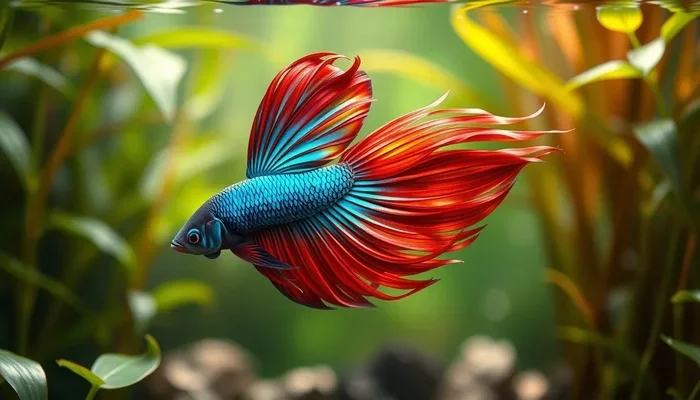
One of the easiest ways to check your betta’s mood is by looking at his colors. A happy male betta displays rich, deep colors. His reds should be vivid, his blues should be bright, and his fins should look iridescent. When a betta is stressed or sick, his colors often fade or look dull.
Think of it like a mood ring for fish. If your betta’s colors are glowing, he is likely feeling great. If they look washed out, something needs your attention. Regular betta fish health checks include a quick color assessment.
2. Active and Curious Swimming
A happy betta loves to explore. He swims around the tank with purpose. He checks out new decorations, looks at you through the glass, and moves from one spot to another with energy. This kind of activity shows that your fish feels safe and curious about the world.
On the other hand, a stressed betta may hide in corners or stay at the bottom of the tank. Some bettas also develop strange swimming patterns when they are unhappy. If your male betta is cruising around the tank like he owns the place, that is a great sign.
3. Healthy Appetite and Excited Feeding
Food is a big deal for bettas. A happy betta fish gets excited at feeding time. He will swim to the top of the tank and watch you prepare his food. Once you drop in a pellet or a few flakes, he eats eagerly and with energy.
If your betta refuses food or eats very slowly, pay attention. Loss of appetite is one of the first signs that something is off. A healthy male betta should eat within a few minutes of feeding. You can learn more about how to feed your betta fish while on vacation to keep his routine consistent even when you are away.
4. Bubble Nest Building
Here is a fascinating sign of betta happiness: bubble nests. Male bettas naturally build bubble nests on the surface of the water. These are clusters of tiny bubbles that the male blows using his mouth. A happy, relaxed male betta builds bubble nests as part of his natural behavior.
Bubble nests are a sign that your fish feels secure enough to engage in breeding behavior. Even if you do not plan to breed your betta, a bubble nest is a wonderful indicator of his comfort level. If you see one, consider it a compliment from your fish.
5. Flowing Fins and Confident Posture
When a male betta is happy, he holds his fins open and flowing. He spreads them out as he swims, showing off their full beauty. A stressed or sick betta will clench his fins close to his body or tuck them in.
Watch how your betta carries himself. A confident, relaxed betta holds his body upright and moves with grace. His fins should look full and vibrant. If you notice your betta keeping his fins tight, check the water conditions and look for other stress signs.
6. Responsiveness to You
Bettas are smarter than many people think. A happy male betta will recognize his owner over time. He may swim toward you when you approach the tank. Some bettas even learn to follow your finger or come to the surface when they see you.
This kind of interaction shows trust and comfort. Your betta associates you with positive experiences like feeding and tank maintenance. Building this bond takes time, but it is one of the most rewarding parts of betta ownership.
How to Create a Happy Home for Your Male Betta
Now that you know the signs of a happy betta, let us talk about how to keep him that way. A good environment is the foundation of betta happiness. Without the right setup, even the most naturally cheerful fish will become stressed.
Tank Size and Setup
Many people think bettas can live in tiny bowls. That is a myth. A male betta fish needs at least a 5-gallon tank to thrive. Larger tanks give your fish more room to swim and explore. A bigger space also helps maintain stable water conditions, which reduces stress.
Add plants, both live and artificial, to give your betta places to hide and explore. Bettas love having places to rest near the surface. A soft leaf or a betta hammock near the top of the tank gives him a cozy spot to relax. You can also learn more about how to decorate your betta fish tank for maximum comfort and beauty.
Water Temperature and Quality
Bettas are tropical fish, so they need warm water. The ideal temperature range is between 76 and 82 degrees Fahrenheit. A small heater with a thermostat helps keep the temperature steady. Fluctuations in temperature can stress your fish and make him vulnerable to illness.
Clean water is equally important. Change about 25 to 30 percent of the water every week. Use a gentle water conditioner to remove chlorine and chloramine. Keeping the water clean prevents disease and keeps your betta feeling his best. If you want to learn more about maintenance, check out our guide on how to clean your betta fish tank.
Enrichment and Mental Stimulation
Bettas get bored just like people do. Adding enrichment to the tank keeps your fish mentally stimulated. You can place a mirror near the tank for short periods to let your betta see his reflection. This triggers his natural flaring behavior, which is a form of exercise and play.
Another great idea is to introduce safe tank mates or provide toys. Some bettas enjoy chasing small floating objects. You can also try how to play games with your betta fish to add variety to his day. A stimulated betta is a happy betta.
Proper Feeding Routine
Feeding your betta the right food in the right amounts is key. A high-quality betta pellet should be the staple of his diet. You can supplement with frozen or live foods like brine shrimp and bloodworms as treats. Feed him twice a day in small amounts.
Overfeeding is a common mistake. Uneaten food sinks to the bottom and pollutes the water. A clean tank means a happier fish. Stick to a consistent feeding schedule, and your betta will look forward to meal times every day.
Common Mistakes That Make Betta Fish Unhappy
Avoiding common mistakes is just as important as knowing what to do right. Here are some things that can make your male betta stressed and unhappy:
- Keeping the tank too small. Tiny bowls restrict movement and make water quality hard to maintain.
- Ignoring water changes. Dirty water leads to ammonia buildup, which harms your fish.
- Placing the tank in direct sunlight. This causes temperature spikes and algae overgrowth.
- Keeping aggressive tank mates. Male bettas are territorial and should not be housed with other bettas or fin-nipping fish.
- Overcrowding the tank. Too many decorations or objects make swimming difficult and increase stress.
- Skipping regular health checks. Watching for changes in behavior helps you catch problems early.
By avoiding these mistakes, you set the stage for a long, happy life for your betta. Most male bettas live between 3 and 5 years with proper care. Some even live longer when their environment is optimized.
Quick Tips for Keeping Your Male Betta Happy
Here are some fast, actionable tips you can start using today:
- Check the temperature daily. Make sure it stays between 76 and 82 degrees Fahrenheit.
- Watch his colors. Bright, vivid colors mean a content fish.
- Feed small amounts twice a day. Remove any uneaten food after a few minutes.
- Change 25 to 30 percent of the water weekly. Use treated water at the right temperature.
- Add live or silk plants. They give your betta places to explore and rest.
- Spend time near the tank. Your betta will start to recognize and trust you.
- Look for bubble nests. They are a sign of a relaxed, happy male betta.
These simple habits make a big difference over time. Consistency is the key to long-term betta happiness.
How to Tell If Your Male Betta Fish Is Happy vs. Stressed
Sometimes the contrast between happy and stressed behavior is very clear. Here is a quick comparison to help you understand the difference:
| Happy Betta Signs | Stressed Betta Signs |
|---|---|
| Bright, vibrant colors | Faded or dull colors |
| Active swimming and exploration | Hiding in corners or staying at the bottom |
| Eager eating at feeding time | Refusing food or eating slowly |
| Building bubble nests | No interest in nest building |
| Flowing fins held open | Clamped fins close to the body |
| Responsive to your presence | Ignoring you or darting nervously |
If you notice more stressed signs than happy ones, do not panic. Start by checking the water parameters. Test for ammonia, nitrite, and nitrate levels. Adjust the temperature if needed. Sometimes a simple water change is all it takes to turn things around. You can also read our guide on how to make your betta fish happy for more detailed strategies.
Understanding how to tell if your male betta fish is happy gives you the confidence to respond quickly when something is off. Early action prevents small problems from becoming serious health issues.
When to Seek Help for Your Betta Fish
Even with the best care, bettas can sometimes get sick. If your fish stops showing signs of happiness for more than a few days, it is time to investigate further. Look for physical signs like white spots, torn fins, or swollen body parts. These can indicate disease or infection.
You can find helpful guidance on recognizing illness in our article on how to tell if my betta fish is sick. Early detection and treatment give your fish the best chance of recovering fully. Keeping a close eye on your betta’s behavior every day is the best prevention.
Conclusion
Learning how to tell if your male betta fish is happy is one of the most important skills you can develop as a fish owner. Your betta shows his feelings through colors, swimming patterns, appetite, and behavior. When you pay attention to these signs, you can create a home that keeps him healthy and joyful for years.
Remember to keep the water warm and clean, provide a spacious tank with enrichment, feed a balanced diet, and spend time connecting with your fish. A happy betta is a beautiful betta. He will reward your care with vibrant colors, energetic swimming, and even bubble nests.
Take what you have learned from this guide and put it into practice today. Your male betta fish deserves a life full of comfort, stimulation, and love. And in return, he will bring you endless joy and fascination every single day.
Frequently Asked Questions
How can I tell if my male betta fish is happy?
Look for bright colors, active swimming, a strong appetite, bubble nest building, and flowing fins. A happy male betta also responds to your presence and explores his tank with curiosity. These are clear signs that your fish feels safe and content.
What does a stressed male betta look like?
A stressed betta often has faded colors, clamped fins, and hides in corners. He may refuse food or swim in erratic patterns. Checking water parameters and tank conditions can help you identify and remove the source of stress.
How big should a betta tank be for a happy fish?
A minimum of 5 gallons is recommended for a single male betta. Larger tanks provide more swimming space and help maintain stable water conditions. A bigger environment leads to a happier, healthier fish.
Do male bettas build bubble nests when they are happy?
Yes, bubble nest building is a natural behavior that signals comfort and relaxation. A male betta who builds bubble nests feels secure in his environment. It is one of the most positive signs of betta happiness.
Can I keep my male betta with other fish?
Male bettas are territorial and should not be kept with other male bettas. Some peaceful, non-fin-nipping species can work in larger tanks, but caution is always needed. Always research compatibility before adding tank mates.
How often should I feed my male betta fish?
Feed your betta twice a day with small amounts of high-quality pellets. Remove any uneaten food after a few minutes to keep the water clean. A consistent feeding routine supports both health and happiness.