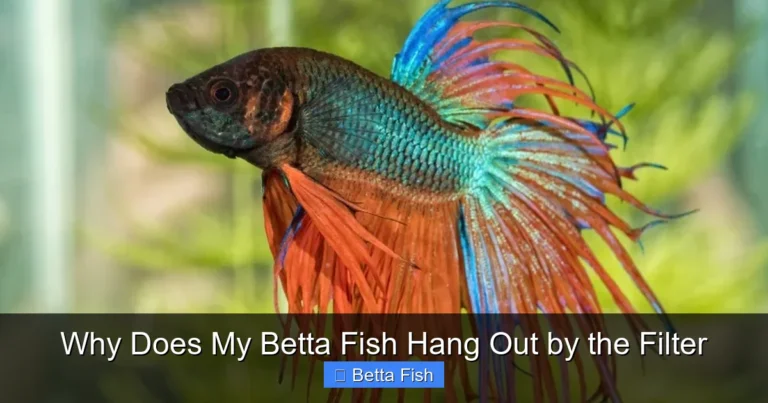
Are Betta Fish Salt Tolerant
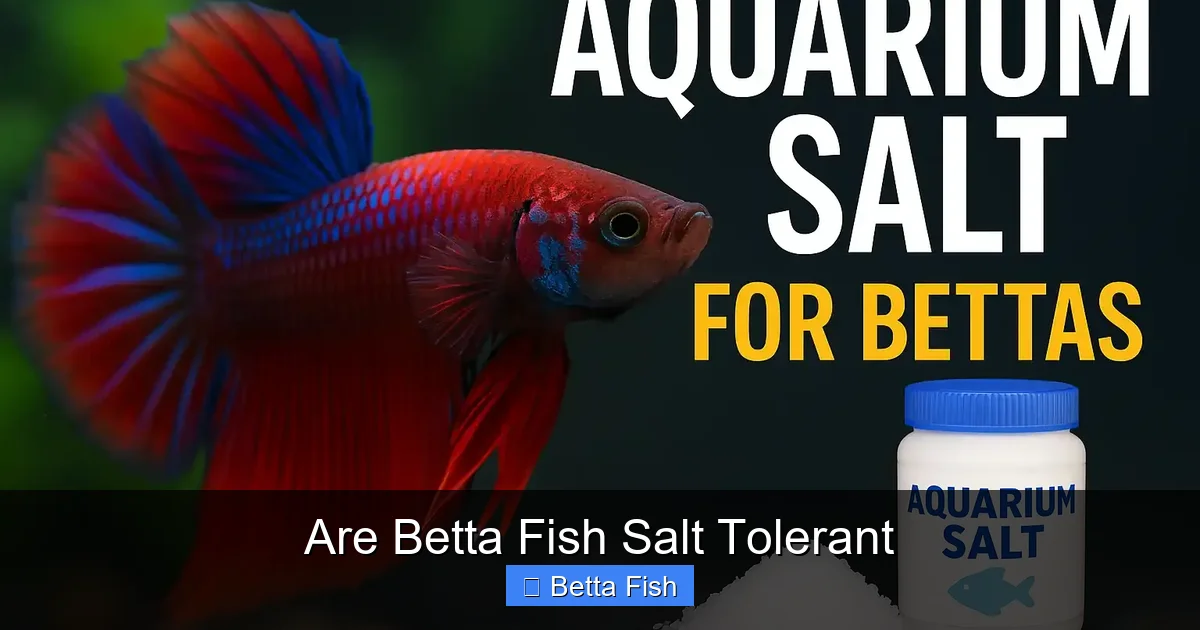
Betta fish are primarily freshwater lovers, but they can tolerate low‑level aquarium salt for short periods. Using the right amount and monitoring your fish closely will help treat illnesses without harming these delicate beauties.
Key Takeaways
- Betta fish are not true salt‑water fish: they thrive in fresh, soft water but can handle a modest salt dose.
- Low‑dose salt can aid health: 1‑2 grams of aquarium salt per 5 gallons helps with stress, parasites, and fin rot.
- Never replace water conditioner with salt: salt does not remove chlorine, ammonia, or heavy metals.
- Observe your betta: signs of distress (loss of color, lethargy, excessive rubbing) mean stop the salt immediately.
- Gradual acclimation is key: dissolve salt in a separate container before adding it to the tank.
- Not all situations need salt: many bettas stay healthy with proper water parameters and regular tank maintenance.
- Use reputable sources: link to trusted articles on betta care for deeper understanding.
📑 Table of Contents
Introduction: Why the Question Matters
If you’ve ever watched a brilliant betta flaunt its fins, you might wonder whether a pinch of salt could make those colors pop even more. The short answer is that betta fish are not saltwater fish, but they do have a surprising tolerance for a little aquarium salt. Understanding the limits of that tolerance is crucial for anyone who wants a healthy, happy betta.
In this article we’ll break down the science behind salt tolerance, explain when and how to use salt safely, and give you practical tips you can start using today. By the end, you’ll know exactly whether the answer to “are betta fish salt tolerant?” is a confident “yes, with caution” or a firm “no, keep them fresh.”
1. The Biology Behind Salt Tolerance
Freshwater Origins
Betta fish (Betta splendens) hail from the shallow, slow‑moving waters of Thailand, Malaysia, and Cambodia. These habitats are soft, slightly acidic, and low in mineral content. Their gills are built to extract oxygen from fresh water, not the salty brackish environments many other tropical fish call home.

Visual guide about Are Betta Fish Salt Tolerant
Image source: i.pinimg.com
How Much Salt Can They Handle?
Laboratory tests and hobbyist observations show that bettas can survive in water with up to 0.3% salinity (about 3 g of salt per litre) for a short time. However, anything above 0.1% (1 g per litre) starts to stress the fish, reducing appetite and causing erratic swimming. This is why most experienced keepers recommend a much lower dose—usually 1–2 grams of aquarium salt per 5 gallons (≈0.2 g L⁻¹).
Why Low‑Dose Salt Helps
At low concentrations, salt acts as an osmotic balancer. It eases the strain on a betta’s gill membranes, helping the fish cope with minor infections or a sudden change in water chemistry. It also has mild antiseptic properties that can inhibit parasites like Ich and reduce the severity of fin rot.
2. When to Use Salt – Practical Scenarios
Treating Common Illnesses
Many betta owners turn to salt when they spot early signs of disease. A typical “salt bath” involves dissolving 1 gram of aquarium salt in a separate container of water that matches the tank’s temperature, then placing the betta in the solution for 15–30 minutes. This can:

Visual guide about Are Betta Fish Salt Tolerant
Image source: fishkeepingwisdom.com
- Alleviate stress during a water change.
- Help clear up minor external parasites.
- Support healing of fin rot by reducing bacterial load.
Stress Reduction After Transport
Moving a betta from the store to home can be stressful. Adding a tiny amount of salt (1 gram per 5 gallons) to the acclimation water can calm the fish, making the transition smoother.
When Not to Use Salt
Do NOT use salt as a substitute for proper filtration, water changes, or a quality water conditioner. Salt does not neutralize chlorine, chloramine, or heavy metals, and over‑reliance on it can mask underlying water‑quality issues.
3. How to Add Salt Safely
Step‑by‑Step Guide
- Measure precisely: Use a digital kitchen scale. For a 5‑gallon tank, weigh 1–2 grams of pure aquarium salt.
- Dissolve fully: Mix the salt in a small cup of tank‑matched water until no granules remain.
- Introduce gradually: Pour the solution into a corner of the tank or a separate quarantine container.
- Monitor closely: Watch the betta for any change in behavior for the next 24 hours.
- Remove if needed: If the fish shows signs of distress, perform a partial water change without salt.
Best Practices for Long‑Term Use
Most experts agree that regular, long‑term salt dosing is unnecessary for healthy bettas. If you find yourself adding salt weekly, revisit your tank’s maintenance routine—check the filter, test water parameters, and ensure you’re performing weekly 25% water changes.

Visual guide about Are Betta Fish Salt Tolerant
Image source: bettacarefishguide.com
4. Common Mistakes and How to Avoid Them
Over‑Dosing
Adding too much salt is the most frequent error. A simple mistake—using table salt instead of aquarium‑grade salt—can introduce iodine and anti‑caking agents that are toxic to fish.
Ignoring Water Parameters
Before adding salt, test the water for pH, hardness, and ammonia. If your water is already hard, extra salt can push the hardness to unsafe levels, stressing the betta’s delicate scales.
Using Salt as a “Cure‑All”
Salt can help with minor ailments, but serious infections require proper medication. If symptoms persist after a 24‑hour salt treatment, consult a veterinarian or a reputable aquarium pharmacy.
5. Frequently Asked Questions About Salt Tolerance
Can I keep my betta in a brackish tank?
Betta fish can survive short‑term exposure to brackish water, but they are not adapted for long‑term brackish or marine environments. Keeping them in such tanks will likely lead to chronic stress and health problems.
Is aquarium salt the same as sea salt?
No. Aquarium salt is pure sodium chloride without additives, while sea salt often contains magnesium, calcium, and anti‑caking agents that can harm bettas.
How often can I give my betta a salt bath?
Limit salt baths to once every 7–10 days, and never exceed a 30‑minute exposure. Over‑bathing can disrupt the fish’s natural electrolyte balance.
Will salt make my betta’s colors brighter?
Occasionally owners notice a temporary “pop” in color due to reduced stress, but salt does not permanently enhance pigmentation. Good water quality and a balanced diet are the real color boosters.
Do female bettas react differently to salt?
Both male and female bettas have similar salt tolerances. However, females are generally less aggressive, so they may show fewer stress signals during a salt treatment.
Can I use salt in a community tank with other species?
Only if all tank mates share the same low‑salt tolerance. Many tropical fish (tetras, guppies, etc.) are more sensitive to salt than bettas, so it’s safer to treat bettas in a separate quarantine tank.
Conclusion: The Bottom Line on Salt Tolerance
So, are betta fish salt tolerant? The answer is yes—**but only within a narrow, low‑dose range and for short periods**. Salt can be a helpful tool for stress relief and minor disease management, yet it is not a substitute for proper tank maintenance. By measuring carefully, monitoring your fish, and keeping the overall environment clean, you can safely incorporate a little salt into your betta’s care routine.
Remember, the healthiest bettas are those kept in clean, stable freshwater with regular water changes, a balanced diet, and plenty of enrichment. Use salt sparingly, and you’ll enjoy a vibrant, thriving betta for years to come.
Related Reading
- Are Betta Fish Easy To Care For – Learn the basics of betta husbandry beyond salt usage.
- What Are Betta Fish – Explore the natural history and unique traits of these fascinating fish.
- Are Betta Fish Saltwater Or Freshwater – A deeper dive into the freshwater nature of bettas.
Frequently Asked Questions
Can I use regular table salt for my betta?
No. Table salt contains iodine and anti‑caking agents that can be harmful. Always use pure aquarium salt designed for fish.
How do I know if my betta is reacting badly to salt?
Watch for rapid gill movement, loss of color, lethargy, or excessive rubbing against objects. If any appear, perform a clean water change without salt immediately.
Is there a difference between using salt for parasites versus fin rot?
Both conditions benefit from low‑dose salt, but fin rot may also require antibacterial medication. Salt alone might not fully resolve severe bacterial infections.
Do bettas need salt if I have a filtered tank?
Not usually. A well‑filtered tank with regular maintenance provides the clean environment bettas need without extra salt.
Can I add salt to a planted betta tank?
Yes, but keep the dose low. Some delicate plants are sensitive to increased salinity, so monitor plant health closely.
What should I do if I accidentally overdosed my betta?
Immediately perform a 50% water change with fresh, dechlorinated water, and observe the fish. If symptoms persist, seek professional advice.