Is It Ok to Touch Your Betta Fish

It is generally not ok to touch your betta fish. Their delicate skin and protective slime coat can be damaged by human hands, leading to serious health issues. Touching betta fish removes their natural defense layer and can introduce harmful bacteria into their environment.
Have you ever looked at your betta fish swimming gracefully and thought about reaching in to touch it? Maybe you just wanted to pet it. Or perhaps you needed to move it for tank cleaning. Either way, the question is it ok to touch your betta fish comes up a lot among fish owners. The short answer is no. But the full story is more nuanced than you might think.
Touching betta fish is something most experts strongly advise against. These beautiful creatures have delicate bodies that are easily damaged. Their skin produces a protective layer that keeps them healthy. When you reach into the water, you risk disrupting this natural defense. But there is more to the story. Let us dive deep into everything you need to know about handling your betta fish.
Key Takeaways
- Betta fish have a sensitive slime coat that protects them from infections, and touching it can strip this vital barrier.
- Human hands carry oils, chemicals, and bacteria that can harm your betta fish and compromise water quality.
- Touching your betta fish can cause stress, which weakens their immune system and leads to disease.
- There are rare situations where you may need to handle your betta fish, but proper precautions are essential.
- Building a bond with your betta fish is possible without physical contact through feeding and interaction.
- Always wash and rinse your hands thoroughly if you ever need to touch your betta fish.
📑 Table of Contents
- Why You Might Want to Touch Your Betta Fish
- What Happens When You Touch a Betta Fish
- The Risks of Touching Your Betta Fish
- When It Might Be Necessary to Touch Your Betta Fish
- How to Handle Your Betta Fish Safely
- Building a Bond With Your Betta Fish Without Touching
- Common Mistakes People Make When Handling Betta Fish
- Expert Insights on Touching Betta Fish
- Conclusion
Why You Might Want to Touch Your Betta Fish
There are several reasons fish owners consider touching their betta fish. Understanding these reasons helps us address the root of the curiosity.
Curiosity and Bonding
Many pet owners love to interact with their animals. Dogs lick your face. Cats purr in your lap. Fish seem distant by comparison. Some betta fish owners want to feel closer to their pets. They wonder if their betta can sense them or even enjoy being touched.
Tank Maintenance Needs
Sometimes you simply need to handle your fish. Maybe a fish is stuck on a decoration. Perhaps you need to move it during a tank cleaning. Or maybe your betta fish tank needs rearranging, and the fish is in the way. These are valid reasons that make people consider reaching into the water.
Health Checks
When a betta fish looks unwell, owners naturally want to inspect it closely. You might want to check for injuries, parasites, or unusual spots. This desire to help can lead to the temptation to pick the fish up or hold it.
What Happens When You Touch a Betta Fish
When you put your hand into a betta fish tank, several things happen. Some are visible. Others are hidden but equally damaging.
The Slime Coat Gets Stripped
Betta fish produce a slime coat that covers their entire body. This coating is their first line of defense against bacteria, fungi, and parasites. When you touch a betta fish, you physically remove this protective layer. Without it, the fish becomes vulnerable to infections. The slime coat can take time to regenerate, leaving the fish exposed during that period.
Oils and Chemicals Transfer
Human skin naturally produces oils. We also carry soap residue, lotions, and other chemicals on our hands. Even freshly washed hands can have traces of these substances. When these transfer to your betta fish, they can irritate the skin and gills. In a small tank environment, even a tiny amount of contamination can cause big problems.
Stress Response
Betta fish are sensitive creatures. Being touched or grabbed triggers a strong stress response. Their heart rate increases. They release stress hormones. Over time, chronic stress weakens their immune system. A stressed betta fish is much more likely to get sick. Stress can also cause behavioral changes like hiding, refusing food, or betta fish aggression.
Physical Injury
Betta fish have fragile bodies. Their fins are especially delicate. Grabbing a betta fish can tear fins or bruise internal organs. Even gentle handling can cause damage because their bodies are not built to withstand pressure from outside sources. A single rough touch can lead to long-term health problems.
The Risks of Touching Your Betta Fish
The risks of touching your betta fish go beyond the immediate moment. Let us look at the real dangers in detail.
Infection and Disease
When the slime coat is damaged, bacteria from your hands can enter the fish’s body. This can lead to bacterial infections, fin rot, or fungal growth. These conditions are difficult to treat in small aquarium environments. A fish that was perfectly healthy can become seriously ill after just one instance of being handled.
If you are concerned about your betta fish’s health after touching it, check out how to know if your betta fish is happy for signs that something may be wrong with your fish’s wellbeing.
Water Contamination
Everything on your hands goes directly into the water. Soap, moisturizer, and even natural skin salts can alter the water chemistry. Even small changes in water parameters can be harmful to betta fish. They are particularly sensitive to ammonia and pH fluctuations. Contaminated water stresses the fish and can lead to a cycle of health problems.
Damaging the Fish’s Natural Behavior
Betta fish are territorial by nature. They claim their tank as their space. When you reach in and touch them, you disrupt their sense of security. This can cause them to become fearful or aggressive. Some bettas may stop eating or refuse to explore their environment. Over time, this behavioral change can affect their overall quality of life.
Reduced Lifespan
Chronic stress from repeated handling can shorten a betta fish’s lifespan. Healthy bettas can live 3 to 5 years with proper care. But constant stress from being touched weakens their body over time. This makes them more susceptible to illness and can significantly reduce their life expectancy.
When It Might Be Necessary to Touch Your Betta Fish
While the general rule is to avoid touching your betta fish, there are situations where handling becomes unavoidable.
Emergency Situations
If your betta fish is trapped behind a decoration or stuck in a dangerous spot, you may need to move it. In these cases, act quickly but gently. Use a soft net or carefully guide the fish with your hands. The key is to minimize contact time and reduce stress as much as possible.
Vet Visits and Health Inspections
Sometimes a veterinarian needs to examine your betta fish closely. This may require gentle handling. If your fish shows signs of illness, do not hesitate to seek professional help. A vet can guide you on the safest way to handle your fish for inspection or treatment.
Tank Transfers
Moving your betta fish to a different tank sometimes requires direct handling. This might happen during tank cycling, major cleaning, or when setting up a quarantine tank. In these cases, preparation is key. Make sure your hands are clean and free of any contaminants.
If you need to handle your fish, consider reading about whether betta fish are safe to put your fingers in for additional guidance on safe interaction practices.
How to Handle Your Betta Fish Safely
If you absolutely must touch or handle your betta fish, follow these guidelines to minimize risk.
Step-by-Step Safe Handling
- Wash your hands thoroughly with clean water. Remove all soap, lotion, and residue completely.
- Rinse your hands with tank water to remove any remaining chemicals from tap water.
- Move slowly and calmly around the tank. Sudden movements scare betta fish.
- Use a soft net if possible instead of your hands. This reduces direct contact significantly.
- Limit handling time to only what is absolutely necessary. Every second of contact increases risk.
- Return the fish gently to the water. Avoid dropping or tossing the fish back in.
Alternative Methods to Avoid Direct Contact
Before you reach into the tank, consider alternatives. A small fish net works great for moving fish. You can also use a container to scoop water and guide the fish. Some owners use a turkey baster to gently nudge a fish away from a spot. These tools eliminate the need for direct hand contact almost entirely.
If you are interested in interacting with your betta in a safer way, learn how to grow a bond with your betta fish through feeding and observation rather than physical contact.
Quick Tips for Handlers
- Never touch a betta fish with wet hands that have been washed with soap.
- Avoid touching the gills at all costs. Gills are extremely sensitive.
- Do not hold the fish tightly. Let it move naturally.
- Keep handling sessions under 30 seconds whenever possible.
- Always monitor your fish for signs of stress after handling.
Building a Bond With Your Betta Fish Without Touching
The good news is that you can build a strong connection with your betta fish without ever touching it. In fact, this is the recommended approach for most fish owners.
Feeding Time Interaction
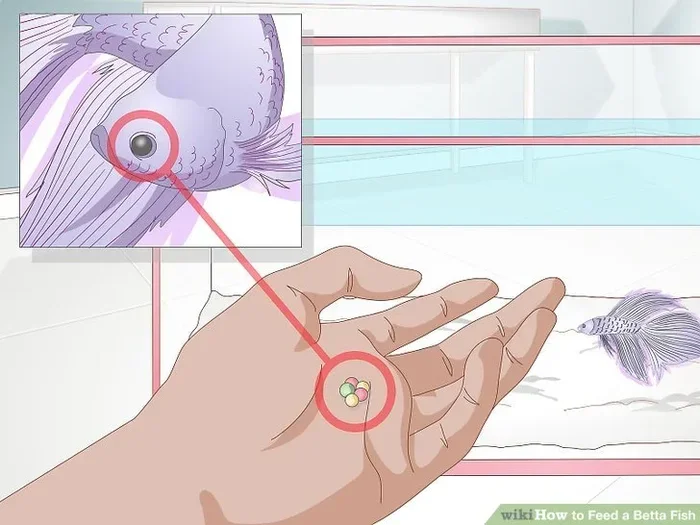
Betta fish quickly learn to associate their owner with food. Try feeding your fish by hand. Place the food between your fingers just above the water. The fish will come to you. This creates a sense of trust and familiarity without any physical contact.
Training and Tricks
Did you know you can teach your betta fish to do tricks? Bettas are intelligent fish that can learn to follow your finger, swim through hoops, and even jump for food. Training sessions are a fantastic way to interact and bond without ever reaching into the water.
Observation and Engagement
Simply watching your betta fish can be a rewarding experience. Notice how they explore their tank. Watch how they respond to movement outside the glass. You can place your hand on the outside of the tank and let the fish investigate. This gives your betta mental stimulation and helps you understand its personality.
Many owners enjoy playing games with their betta fish using their fingers on the glass. This is a safe and fun way to engage with your pet daily.
Common Mistakes People Make When Handling Betta Fish
Even well-meaning owners make mistakes that can harm their fish. Here are the most common ones to avoid.
- Using soapy hands: Soap residue is toxic to fish. Always rinse thoroughly.
- Grabbing the fish aggressively: This causes physical injury and extreme stress.
- Touching the fish too often: Even with clean hands, frequent contact strips the slime coat.
- Drying the fish off: Never remove a betta fish from water to towel it dry. Their gills need water to function.
- Ignoring signs of stress: If your fish acts differently after handling, give it time to recover in a calm environment.
Expert Insights on Touching Betta Fish
Veterinarians and experienced aquarists almost universally agree that touching betta fish should be avoided. The slime coat is critical to fish health. Each time you touch your fish, you risk removing a portion of this protective layer. Over time, repeated handling compounds the damage.
Experts also emphasize that betta fish do not benefit from physical contact the way mammals do. They do not crave touch or affection in the same way dogs or cats do. Their comfort comes from a clean environment, proper nutrition, and stable water conditions. Focus your energy on providing excellent care rather than physical interaction.
If you want to ensure your betta stays healthy and happy, prioritize water quality, proper feeding, and a stress-free habitat. These factors matter far more than any physical contact ever could.
Conclusion
Is it ok to touch your betta fish? The answer is clear. It is best to avoid touching your betta fish whenever possible. Their delicate skin, protective slime coat, and sensitive nature make physical contact risky. The dangers include infection, stress, injury, and water contamination.
That said, there are rare situations where handling is necessary. In those cases, follow safe handling practices and keep contact to a minimum. The best way to bond with your betta fish is through feeding, training, and observation. These methods build trust without putting your fish at risk.
Your betta fish can live a long, healthy life without ever being touched by human hands. Give your fish the care it deserves by keeping your hands out of the tank. Your betta will thank you by showing off its vibrant colors and lively behavior for years to come.
Frequently Asked Questions
Can I pet my betta fish gently?
Even gentle petting can damage the slime coat and cause stress. Betta fish do not enjoy physical contact the way mammals do. It is best to admire your fish from outside the tank rather than reaching in to pet it.
What should I do if I accidentally touched my betta fish?
If you accidentally touched your betta fish, rinse your hands thoroughly before putting them back in the water. Monitor your fish for the next few hours for signs of stress or unusual behavior. Make sure your water parameters are stable to help your fish recover quickly.
Do betta fish like being touched by their owners?
Betta fish do not process touch the same way land animals do. They have no desire for physical affection. Instead, they respond to routine, food, and a comfortable environment. You can bond with your betta through feeding and observation without any touching.
Is it safe to hold a betta fish in my hand?
Holding a betta fish in your hand is not safe. Their bodies are too fragile for handling, and the oils and bacteria on your skin can harm them. If you must move your fish, use a soft net or a clean container instead.
How can I interact with my betta fish safely?
You can interact safely by feeding your fish by hand above the water, training it to follow your finger, or simply sitting near the tank and observing its behavior. These activities build a strong bond without any physical risk to your fish.
Will my betta fish get sick if I touch it with clean hands?
Even clean hands carry natural oils and bacteria that can harm betta fish. While the risk is lower with freshly washed hands, it is still not zero. The slime coat can be damaged even by gentle contact. It is always better to avoid touching your fish entirely.