Betta fish aren’t truly terrified of darkness, but they do rely on light cues to feel safe and navigate. Understanding their natural instincts helps you set up a tank that mimics their environment, reduces stress, and promotes healthy behavior.
Key Takeaways
- Natural vision: Betta fish can see in low light, but sudden darkness can cause stress.
- Habitat design: Providing gentle, consistent lighting mimics their native swampy waters.
- Sleep patterns: Betta fish rest near the surface and benefit from a dim night cycle.
- Stress signals: Rapid gill movement, hiding, or frantic swimming may indicate fear of darkness.
- Practical tips: Use dimmable LED lights, add floating plants, and maintain a regular light schedule.
- Health impact: Reducing darkness‑related stress can improve color vibrancy and lifespan.
- Internal resources: Learn more about betta sleep habits, lifespan, and common care challenges through our related guides.
📑 Table of Contents
- Introduction: Light, Darkness, and the Curious Betta
- How Betta Vision Works
- Natural Behavior: Light, Rest, and Survival
- Why Darkness Can Stress Betta Fish
- Setting Up the Perfect Light Cycle
- Practical Tips to Reduce Light‑Related Anxiety
- Long‑Term Benefits of Proper Lighting
- Conclusion: Light as a Comfort, Not a Fear
Introduction: Light, Darkness, and the Curious Betta
When you first bring a betta fish home, you might notice how it darts around the glass, flaring its fins like a tiny, colorful superhero. One question many new owners ask is, are betta fish afraid of the dark? The short answer is “not exactly,” but the longer answer dives into the fish’s natural habitat, vision, and stress responses.
Betta fish (Betta splendens) originate from the shallow, murky waters of Thailand’s rice paddies and slow‑moving streams. Those environments are never pitch‑black; they’re filled with dappled sunlight, floating leaves, and the gentle glow of moonlight. Because of this, bettas have evolved to rely on low‑level light rather than total darkness. In a home aquarium, we can simulate those conditions and keep our bettas comfortable.
How Betta Vision Works
Color vision in low light
Betta fish possess cones that allow them to see a wide range of colors, especially reds and blues. While they do have rods for dim light, their color perception drops off quickly as illumination fades. This means they can navigate in twilight but may become disoriented if the lights go out abruptly.
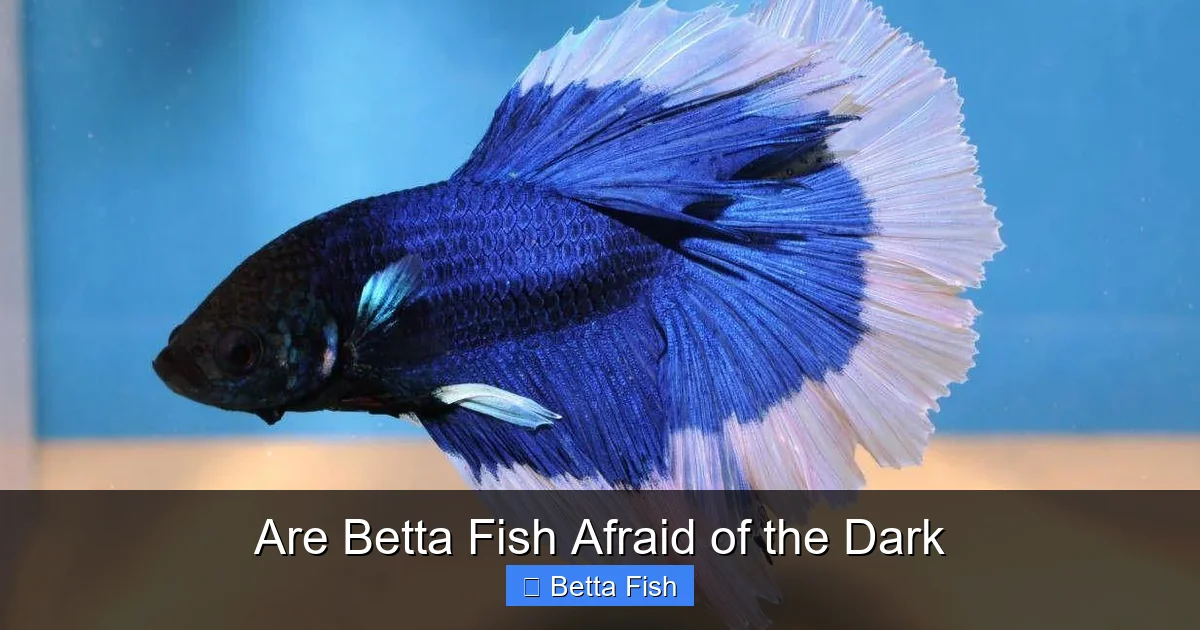
Visual guide about Are Betta Fish Afraid of the Dark
Image source: wallpapers.com
Can bettas see in the dark?
For a detailed scientific perspective, check out our article Can Betta Fish See In The Dark. In short, bettas can detect movement in near‑darkness, but they cannot form a clear picture. This limited vision is why sudden darkness can trigger a stress response.
Natural Behavior: Light, Rest, and Survival
Are betta fish nocturnal?
Betta fish are not strictly nocturnal, but they do have a crepuscular pattern—most active during dawn and dusk. During the night, they often hover near the water’s surface, resting their fins and breathing slowly. This natural rhythm means they benefit from a dim, steady night light rather than total blackout.
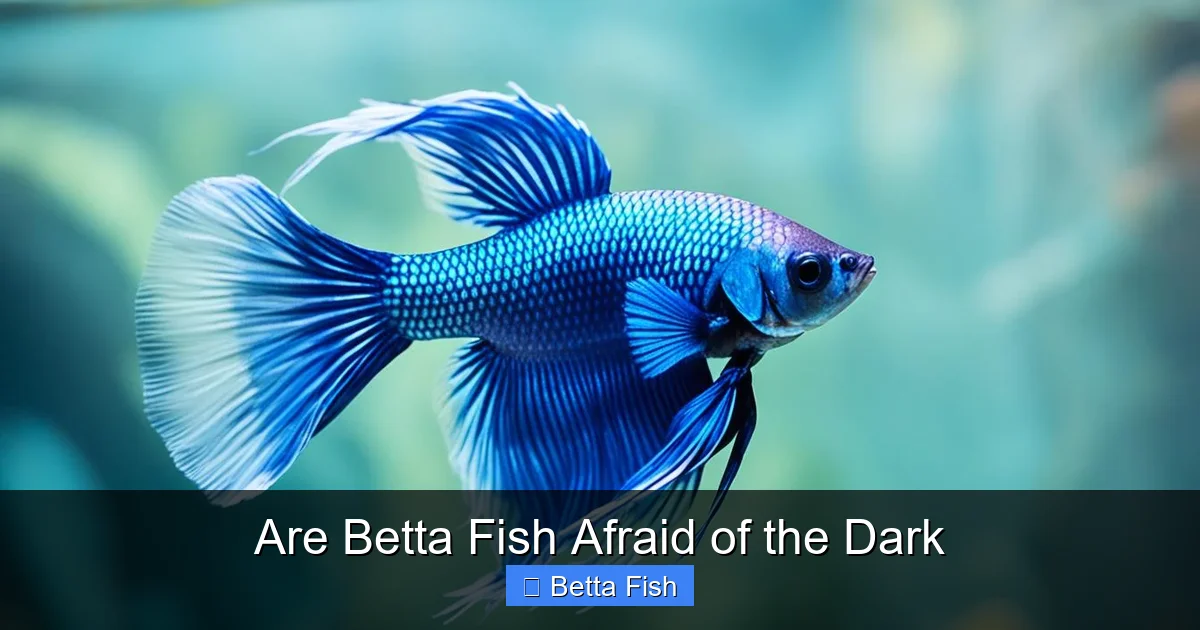
Visual guide about Are Betta Fish Afraid of the Dark
Image source: taildom.com
Do betta fish sleep at the top of the tank?
Yes, they typically rest near the surface where oxygen is richest. A gentle night light helps them locate the surface without panic. Learn more about this behavior in our guide Do Betta Fish Sleep At The Top Of The Tank.
Why Darkness Can Stress Betta Fish
Sudden changes vs. gradual dimming
Betta fish are sensitive to rapid shifts in lighting. If you flip a switch and the room goes dark, a betta may interpret it as a predator threat, leading to frantic fin flaring, rapid gill movement, or hiding behind decorations. Gradual dimming, using a timer or a dimmable LED, signals a normal night cycle.
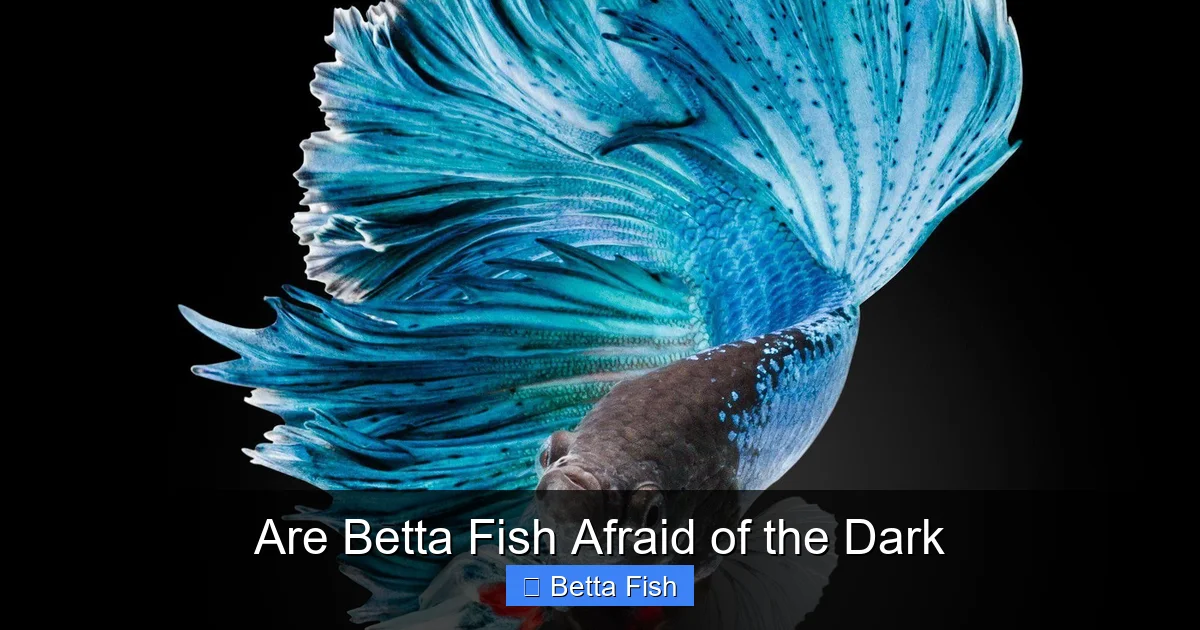
Visual guide about Are Betta Fish Afraid of the Dark
Image source: wallpaperaccess.com
Stress signals to watch for
- Rapid, shallow breathing (gill flaring)
- Hiding under plants or the lid
- Excessive fin clamping or spreading
- Loss of color intensity
If you notice these signs after a dark period, consider adjusting your lighting schedule.
Setting Up the Perfect Light Cycle
Choosing the right aquarium light
LED fixtures with adjustable brightness are ideal. Aim for 8–10 hours of bright light during the day and a 2–4 hour dim period before turning off completely. Many hobbyists use a “sunset” mode that slowly reduces intensity over 30 minutes.
Using natural décor to soften darkness
Floating plants like Hornwort or Java Moss create a natural canopy that diffuses light, making the transition to night feel less abrupt. Additionally, a few smooth rocks or a PVC tunnel give your betta a place to rest without feeling exposed.
Practical Tips to Reduce Light‑Related Anxiety
Implement a lighting timer
Set a timer to turn lights on and off at the same times each day. Consistency reassures your betta that day and night will always follow the same pattern.
Introduce a low‑intensity night light
A tiny blue or red LED that emits just enough glow for the fish to see the surface can prevent panic. Red light is less likely to interfere with melatonin production, which helps maintain a healthy sleep rhythm.
Monitor water parameters
Stress from poor water quality can amplify fear of darkness. Keep temperature between 76‑82°F (24‑28°C), maintain ammonia at 0 ppm, and perform weekly 25% water changes.
Long‑Term Benefits of Proper Lighting
Healthier colors and fin development
When a betta feels safe, it displays its full spectrum of colors. Stress‑induced dullness is often reversible once lighting is corrected.
Extended lifespan
Stress reduces immune function, which can shorten a betta’s life. By providing a stable light cycle, you help your fish live closer to the average lifespan of 3–5 years. For more details on lifespan, see What Is The Average Lifespan Of A Betta Fish.
Better breeding potential
If you ever plan to breed, consistent lighting cues are essential for triggering spawning behavior. A predictable day/night rhythm signals to the fish that conditions are stable enough for reproduction.
Conclusion: Light as a Comfort, Not a Fear
So, are betta fish afraid of the dark? They aren’t terrified in the way a cat might be of the night, but abrupt darkness can cause stress because it removes the visual cues they rely on. By mimicking their natural environment with gentle, consistent lighting, you turn darkness from a source of anxiety into a peaceful rest period.
Remember to use a timer, add dim night lighting, and provide plenty of hiding spots. Your betta will thank you with vibrant colors, graceful swims, and a longer, healthier life.
Frequently Asked Questions
Do betta fish need a night light?
A low‑intensity night light isn’t required, but it can help reduce stress if the room gets completely dark. A small red or blue LED works well.
How long should a betta’s light cycle be?
Aim for 8–10 hours of bright light, followed by a gradual dimming period and 12–14 hours of low or no light.
Can sudden darkness cause a betta to jump out of the tank?
Yes, sudden changes can startle a betta and trigger a jump. Using a timer to dim lights slowly reduces this risk. See our guide Why Did My Betta Fish Jump Out Of The Tank for more tips.
Do betta fish sleep at the top of the tank?
They often rest near the surface where oxygen is highest. A dim night light helps them locate the surface without panic.
Will a betta’s colors fade if it’s scared of the dark?
Stress can cause colors to look dull. Providing a stable light environment usually restores vibrancy over a few days.
Are betta fish nocturnal?
Betta fish are crepuscular—most active at dawn and dusk. They don’t need constant light at night, but a gentle dim period is beneficial.

